










Scientists have proven that microplastics destroy bones and contribute to osteoporosis
Kyiv • UNN
A review of 60 scientific papers showed that microplastics affect bone tissue cells, stimulating the formation of osteoclasts. This disrupts the balance of bone regeneration, increasing the risk of osteoporosis and fractures.

A review of over 60 scientific papers has proven that microplastics, when entering the body, can affect bone cells and contribute to the development of osteoporosis. Scientists have found that plastic particles stimulate the formation of osteoclasts – cells that destroy bone tissue, disrupting the natural balance of bone regeneration. This is reported by Wired, citing research results published in the journal Osteoporosis International, writes UNN.
Details
Throughout life, bones are constantly renewed, but in osteoporosis, destruction occurs faster than regeneration. A new analysis published in the journal Osteoporosis International adds microplastics to the list of risk factors for this disease, along with age, genetics, diet, and harmful habits.
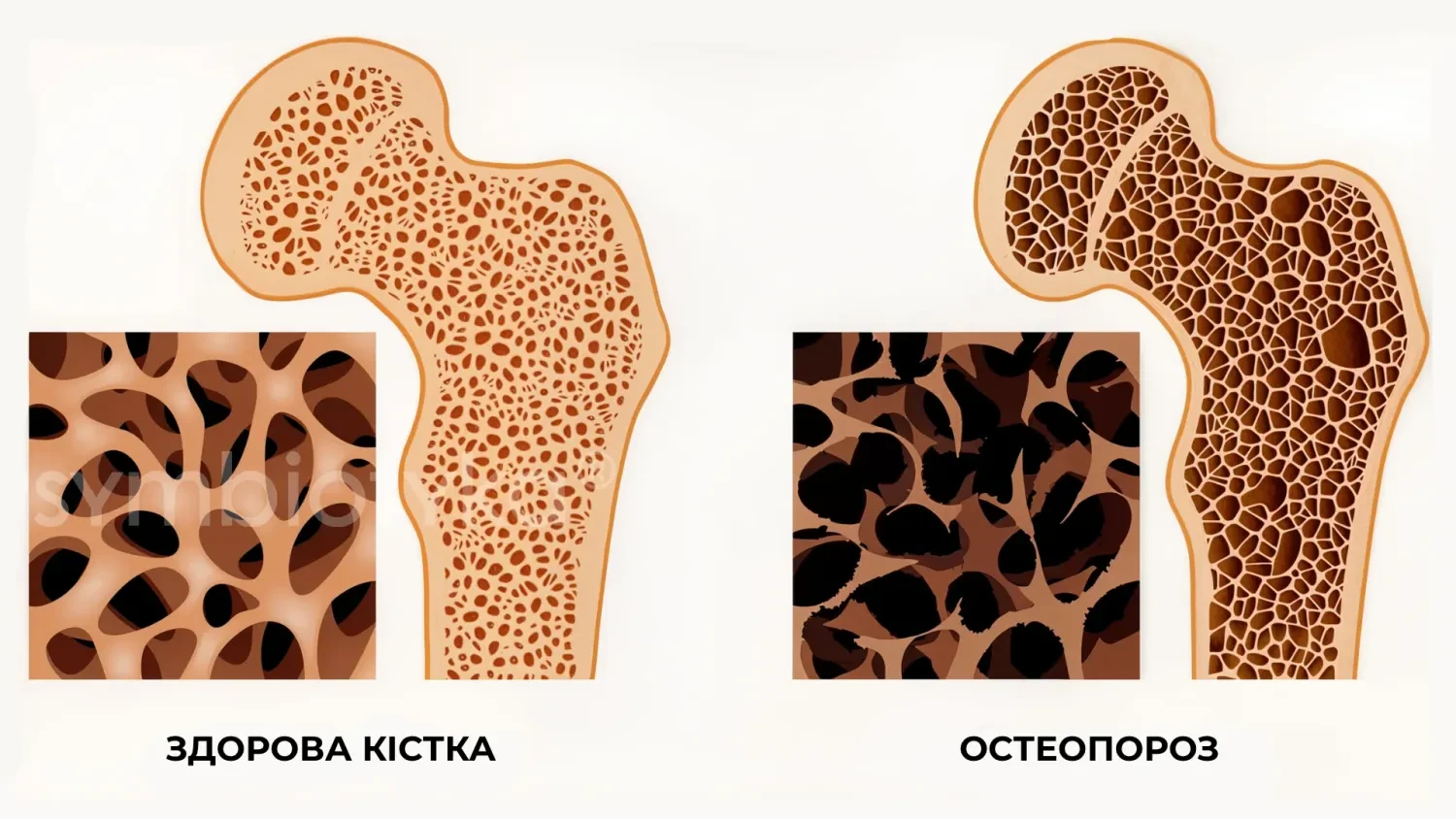
The study reviewed 62 articles with laboratory and animal experiments. The results showed that microplastics are capable of: reducing the viability of bone cells, causing premature cell aging, altering gene expression, and provoking inflammatory processes.
These factors lead to destructive processes that weaken bone structure and increase the risk of fractures.
Of particular concern were animal studies: the accumulation of microplastics reduced the number of leukocytes and worsened the microstructure of bones, threatening their fragility and deformities.
In this study, the observed adverse effects, which are concerning, culminated in the interruption of skeletal growth in animals. The potential impact of microplastics on bones is a subject of scientific research and cannot be neglected.
Oliveira and his team from the State University of Campinas (Brazil) are planning new research, including an analysis of the impact of microplastics on the femurs of rodents.
For reference
Microplastics and nanoplastics are tiny particles formed by the breakdown of plastic objects under the influence of sun, water, wind, or abrasion.
They have already been found in water, soil, food, and even in the human body. Given the scale of pollution – over 500 million tons of plastic are produced annually, of which only 9% are recycled – scientists are calling for an immediate reduction in its use.
Study refutes link between daylight saving time and heart attack risk15.09.25, 17:50 • 4579 views