










Lowering prices on "chips and soda" is not about medical necessity. People's Deputy criticized the Top 100 medicines from the Ministry of Health
Kyiv • UNN
The Ministry of Health's initiative to lower prices on the Top 100 drugs raises questions. Experts say that the list contains drugs with no proven efficacy, formed on the basis of manufacturers' proposals.

The initiative to reduce prices for a hundred of the most popular drugs from the Ministry of Health raises many questions. Experts, doctors and people's deputies say that the Top-100 actually includes unnecessary drugs. Oksana Dmytrieva, a member of the Verkhovna Rada Committee on National Health, Medical Assistance and Medical Insurance, noted in an exclusive comment to UNN that the very concept of forming a list of drugs for which the price should be reduced by 30% is incorrect.
The Ministry of Health has published two lists of medicines, the prices of which should decrease, starting from March 1. The first list is the Top-100 most popular drugs among Ukrainian patients.
Experts in the field of medicine criticized the Top-100, emphasizing that it did not include the most effective drugs. In particular, experts point out that the list includes drugs that have not been proven effective. The Ministry of Health previously reported that the Top-100 was formed on the basis of proposals submitted by the manufacturers themselves, and not after discussions with doctors and patient organizations, which raises doubts about the transparency of the process and the real benefit of these drugs for patients.
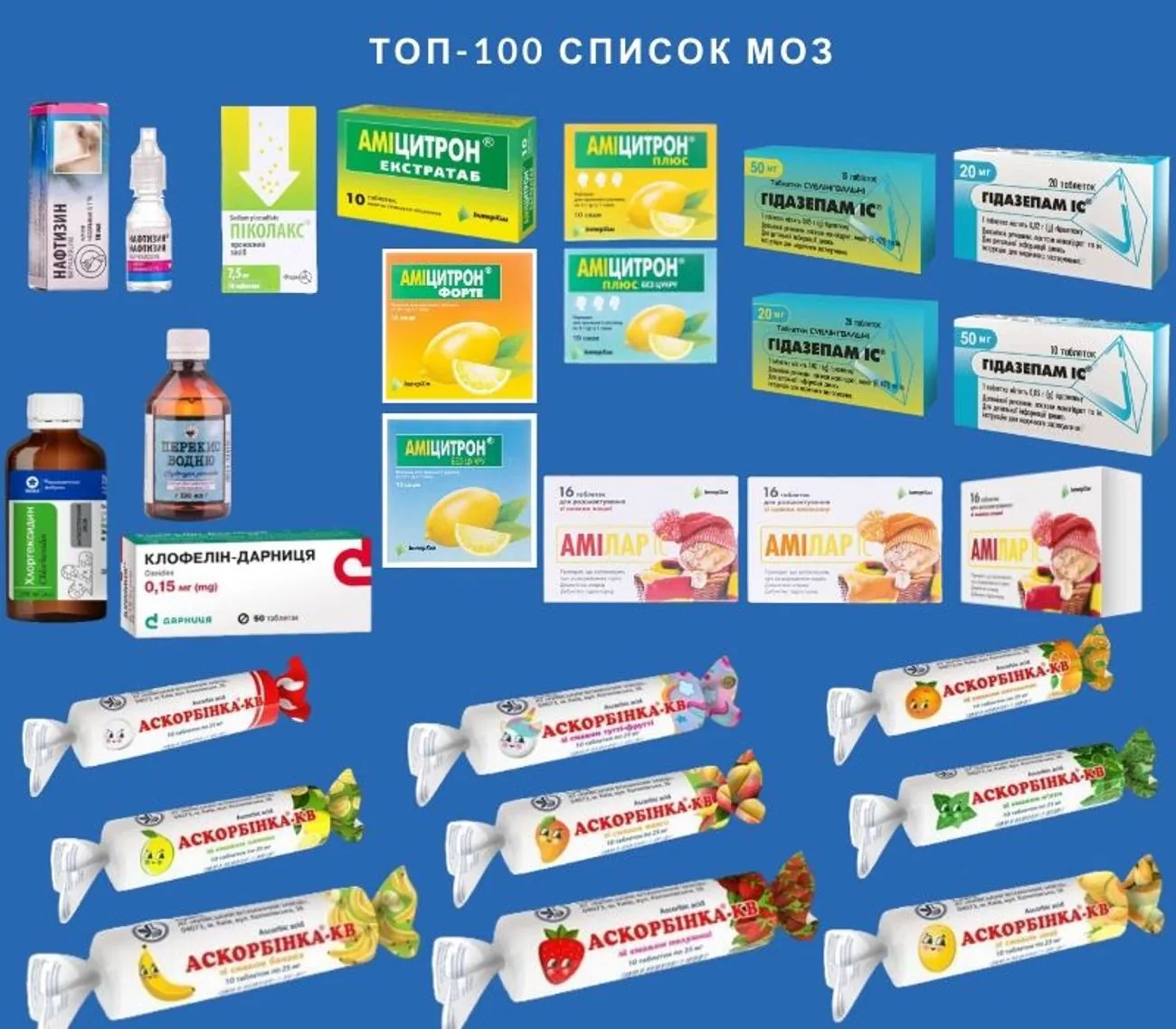
Perhaps that is why there was a situation that in some cases several positions in the list are occupied by the same drugs, only the number of tablets in the package differs. That is, manufacturers have found a way to reduce the real number of items that should become cheaper.
Oksana Dmytrieva, a member of the Verkhovna Rada Committee on National Health, Medical Assistance and Medical Insurance, is convinced that the very concept of "Top-100" is erroneous, because it is based not on medical needs, but on commercial expediency.
Prices should be reduced not for those drugs that sell best, but for those that are most needed - like bread or milk in a grocery basket. Reducing prices for "chips and soda" is not about medical expediency. The list of medicines should be formed professionally, not for marketing purposes
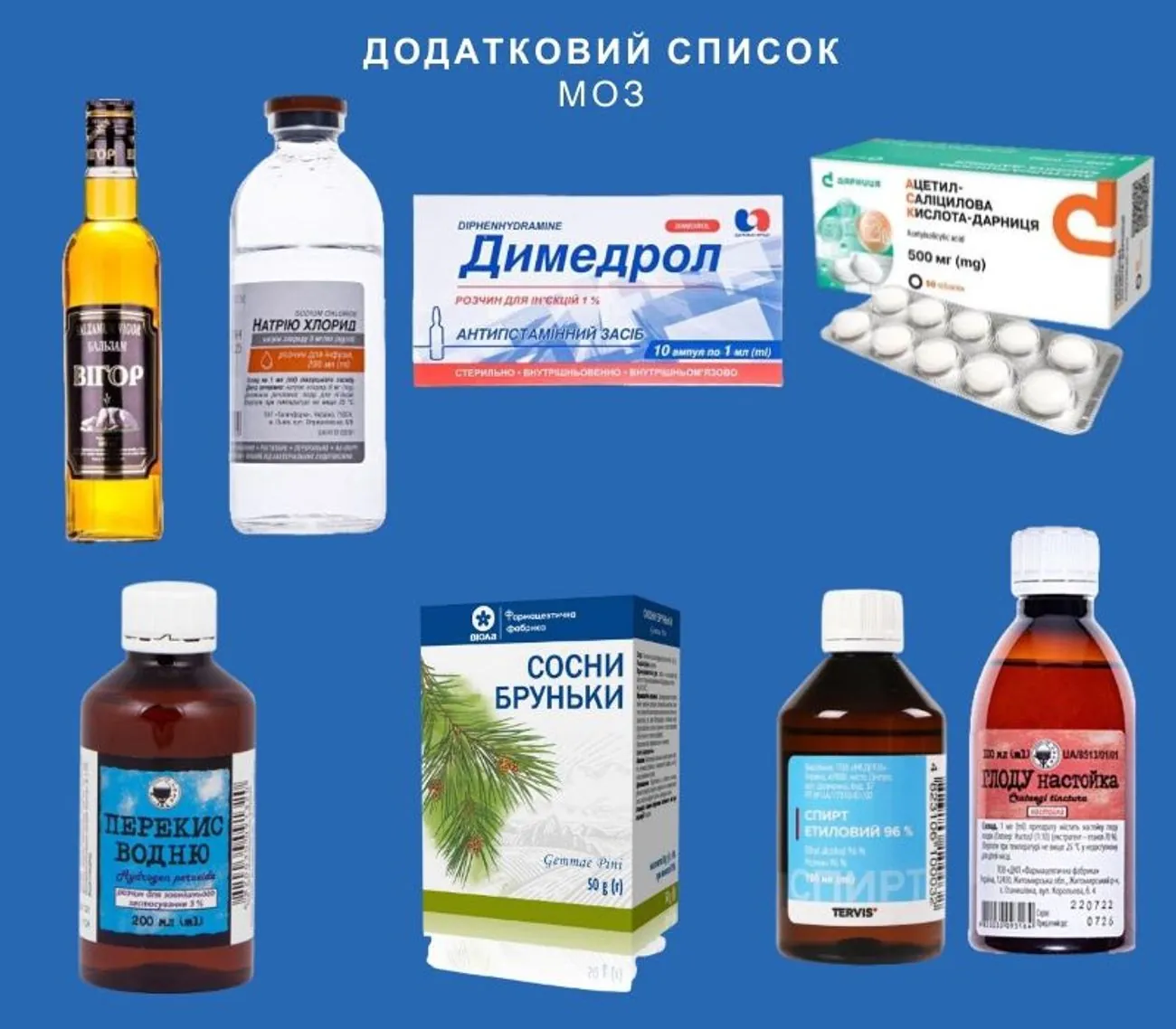
It is worth noting that even more questions arise to the additional list of drugs, the prices of which should also decrease. It also includes drugs with questionable effectiveness. For example, "Pine buds", "Vigor", "Hydrogen peroxide", etc.
Attention is also drawn to the fact that as a result of the new regulation of the pharmaceutical market, drugs that are not included in the Top-100 have significantly become more expensive. According to Dmytrieva, this is due to the ban on marketing agreements between pharmacies and manufacturers, which allowed networks to provide additional discounts to consumers.
Now they are prohibited, there are no discounts - and prices have increased. But manufacturers have saved money - a logical question arises: where did these funds go? To reduce the cost of drugs? Or simply remained in the companies in the form of additional profit?
In her opinion, the answer to these questions should be provided by competent authorities.
Yuriy Zaslavskyi, a member of the relevant parliamentary committee, shares a similar opinion. According to him, today there is an actual restructuring of the pharmaceutical market, and its consequences are still unclear to many players. According to the People's Deputy, it is unfair that after the abolition of marketing payments, manufacturers did not reduce wholesale prices by a sufficient percentage.
It turned out that manufacturers declared that they pay networks 60%, which is not true. They were just creating a screen for the problem... When the National Security and Defense Council banned all those marketing payments, then, accordingly, manufacturers stopped paying these marketing payments to retail chains. They should have taken and reduced wholesale prices by this amount. Logically. They, unfortunately... did not do this. Pharmacy chains are forced to minimally revalue their drugs in order to be non- убытков, in order to hold on
According to Zaslavsky, the state should strengthen control, in particular, over manufacturers, because they form up to 72% of the final cost of medicines.
Why are we not talking about limiting the mark-up of manufacturers? Why are we only talking about limiting the mark-up of retail retail?
He added that it is the manufacturers who have concentrated the main levers of influence on the pharmaceutical market and it is they who can both reduce the cost of medicines and influence their rise in price.