










International Obesity Awareness Day: how the problem is exacerbated during wartime
Kyiv • UNN
International Obesity Awareness Day highlights the growing problem in Ukraine, where stress, physical inactivity, and cheap food contribute to weight gain. Dietitian Oleksandr Kushch notes that visceral obesity is particularly dangerous for internal organs, and excess estrogen affects youth development.

On November 26, the world celebrates International Obesity Awareness Day. In Ukraine, this problem is becoming increasingly acute due to stress, physical inactivity, cheap food, and overeating. Oleksandr Kushch, a nutritionist, told a UNN correspondent about how serious the problem of obesity is today and what factors contribute to weight gain.
Today, a significant part of Ukrainians live in a state of chronic stress: war, instability, everyday difficulties – all this affects eating habits. Stress eating, lack of physical activity, and cheap high-calorie foods form a dangerous cocktail. The nutritionist calls the typical diet of Ukrainians, which is based on simple carbohydrates and fats, particularly problematic. These are products that provide quick energy, but in the absence of movement, they turn into fat reserves.
Most people do not play sports. Plus, now there is added stress due to the war, people are not up to sports or proper nutrition. Also, it is worth noting that the typical diet of Ukrainians consists of simple carbohydrates, for example, potatoes, cereals, lard. If these carbohydrates are not used, they turn into fat.
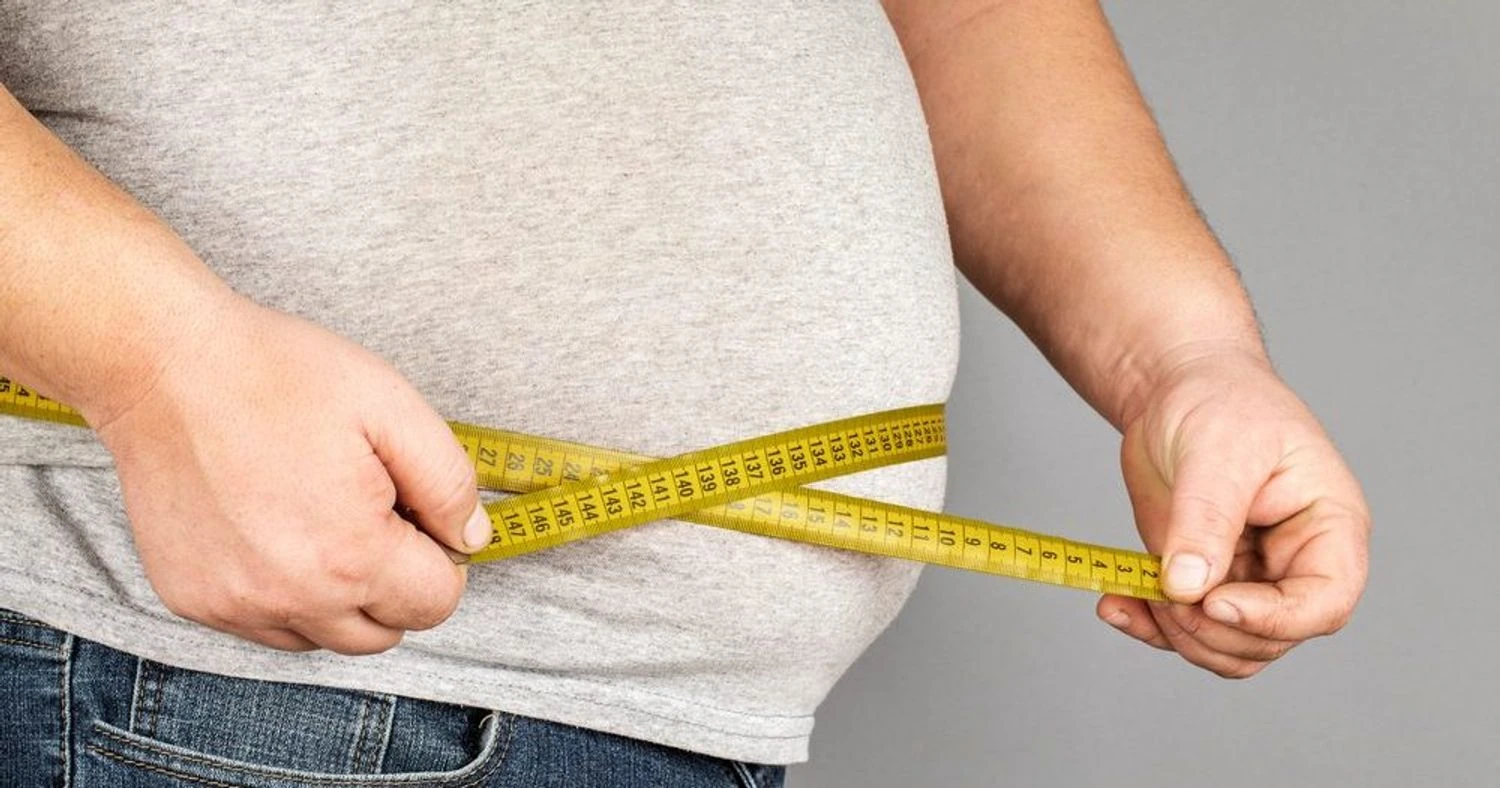
The number of people with visceral obesity – a dangerous accumulation of fat around internal organs – is growing especially rapidly. This form is increasingly common today, especially among middle-aged men. The doctor emphasizes that visceral fat poses a direct threat to the heart, liver, and pancreas.
Now many men have so-called visceral obesity – a figure similar to a stuffed punching bag. It carries direct risks for the liver, pancreas, and heart.
Young people have also been seriously affected. According to the doctor, due to the excess of estrogens produced by adipose tissue, adolescents experience an imbalance in development. In boys, there is a delay in the formation of secondary sexual characteristics, and in girls, accelerated maturation. Phytoestrogens, which are abundant in fast food, chips, and beer, exacerbate the problem.
Excessive estrogenization leads to boys not maturing into men, and girls, on the contrary, maturing faster. In high school, we see immature boys and overdeveloped girls – this is a big problem.
Obesity causes a whole range of complications: from metabolic syndrome to direct heart damage. Adipose tissue is not just an energy reserve, but an active endocrine organ that affects hormones and behavior. Fat metabolism is disturbed, and the risk of hypertension, strokes, and heart attacks increases.
Adipose tissue is an endocrine organ. It produces hormones. Visceral fat can even affect the heart; there is direct obesity of the myocardium, which leads to its dysfunction.
How to predict risks
You can assess your own risks using simple methods: measure your body mass index, check your waist circumference, or use smart scales. But the doctor warns: the line between "healthy fullness" and illness is very thin. People who look only slightly full can quickly move into the danger zone if they stop moving or change their eating habits.
There are so-called healthy fat people – active people with a lot of excess weight. But this condition is dangerous. If a person stops, stops moving, they can quickly move into the stage of obesity.
As for treatment, in the early stages, changes in diet and physical activity are sufficient. But when obesity is accompanied by pathologies of the liver, pancreas, or impaired carbohydrate metabolism, drug therapy is needed. In extreme cases – bariatric surgery, which allows for rapid weight loss when delay can cost a life.
If we see that there is fatty liver disease or a threat of heart attack, there is no time. Then bariatric surgery is connected. Because if a person has 60 kg of excess fat, it will take 5-6 years to lose weight physiologically, but in this case, they can die in a few months from a heart attack and stroke. Then, of course, surgery is already connected.

Despite the complexity of the problem, the doctor emphasizes: weight control is possible if a person reacts in time to the first changes in their condition. Regular diagnostics, mobility, and a balanced approach to nutrition can significantly reduce risks. The nutritionist concluded that obesity does not appear suddenly – it is a process that can be stopped if the body's signals are not ignored.