










European Vega C rocket launched five satellites into orbit: one of them for CO2 mapping
Kyiv • UNN
The European Vega C rocket successfully launched on July 25 from the Kourou spaceport, putting the MicroCarb satellite for CO2 mapping and four CO3D satellites for 3D Earth mapping into orbit. This is the fifth Vega C launch and the third successful one after an anomaly in December 2022.

The European Vega C rocket launched a satellite for CO2 mapping and 4 spacecraft for Earth observation into orbit. This was reported by UNN with reference to Space.com.
Details
"On the evening of July 25, a satellite for mapping carbon dioxide emissions and four spacecraft for Earth observation successfully launched from South America," the report says.
The Vega C rocket, operated by the French company Arianespace, launched from the European spaceport in Kourou, French Guiana, on schedule at 11:03 PM local time (02:03 AM GMT on July 26).
Mission successful! Vega C VV27 rocket successfully delivered 4 CO3D and MicroCarb to orbit
The 35-meter-tall four-stage Vega C rocket carried five satellites on board during the mission, which Arianespace named VV27.
"One of them was MicroCarb, a project led by the French space agency CNES. This 180-kilogram satellite is "designed to map sources and sinks of carbon dioxide (CO2) — the most important greenhouse gas globally," CNES representatives wrote in the mission description.
It is reported that MicroCarb will be able to determine CO2 concentrations with an accuracy of one part per million. The satellite will operate in a sun-synchronous orbit at an altitude of 650 kilometers for at least five years, if all goes according to plan.
The other four satellites will form the CO3D ("Constellation Optique en 3D") Earth observation constellation from CNES. Each spacecraft in the quartet weighs about 250 kg and will operate in a sun-synchronous orbit at an altitude of 502 km for at least six years, according to CNES.
"The satellites, built by Airbus, "have a unique optical instrument with a spatial resolution of approximately 50 cm in the red, green, and blue visible bands, as well as in the near infrared," the CNES mission description states.
It is reported that after processing on the ground, their data will provide 3D maps of the entire land surface of the Earth in the range from -60 to +70 degrees latitude.
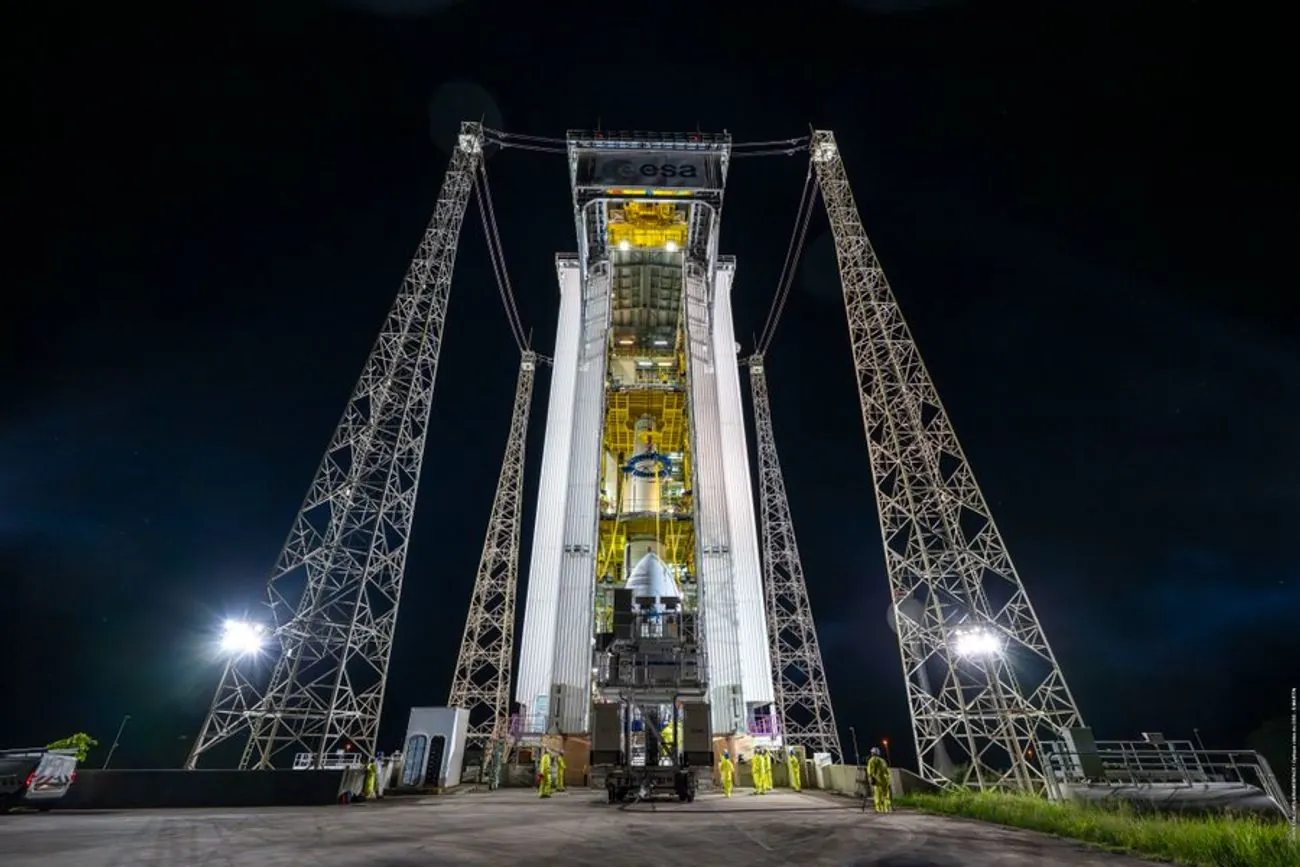
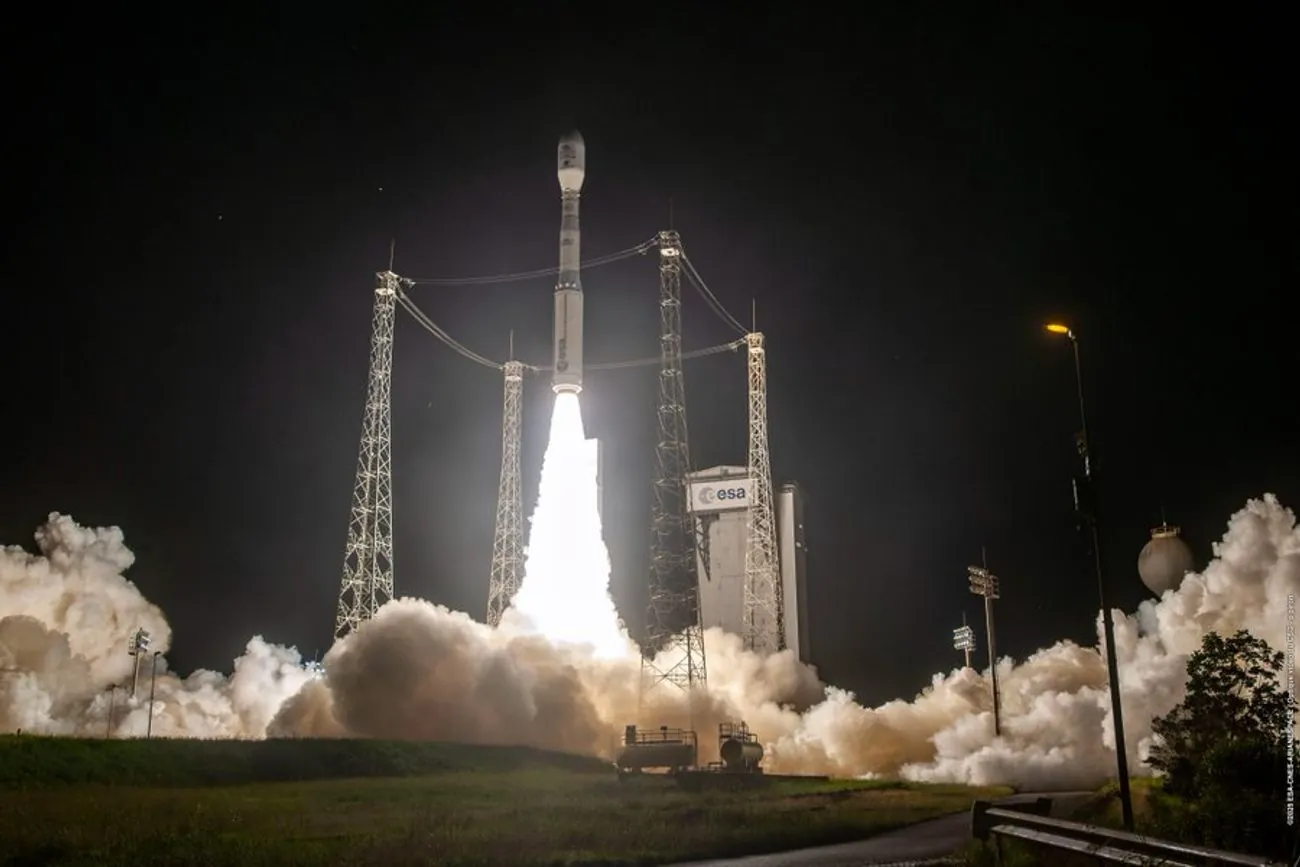
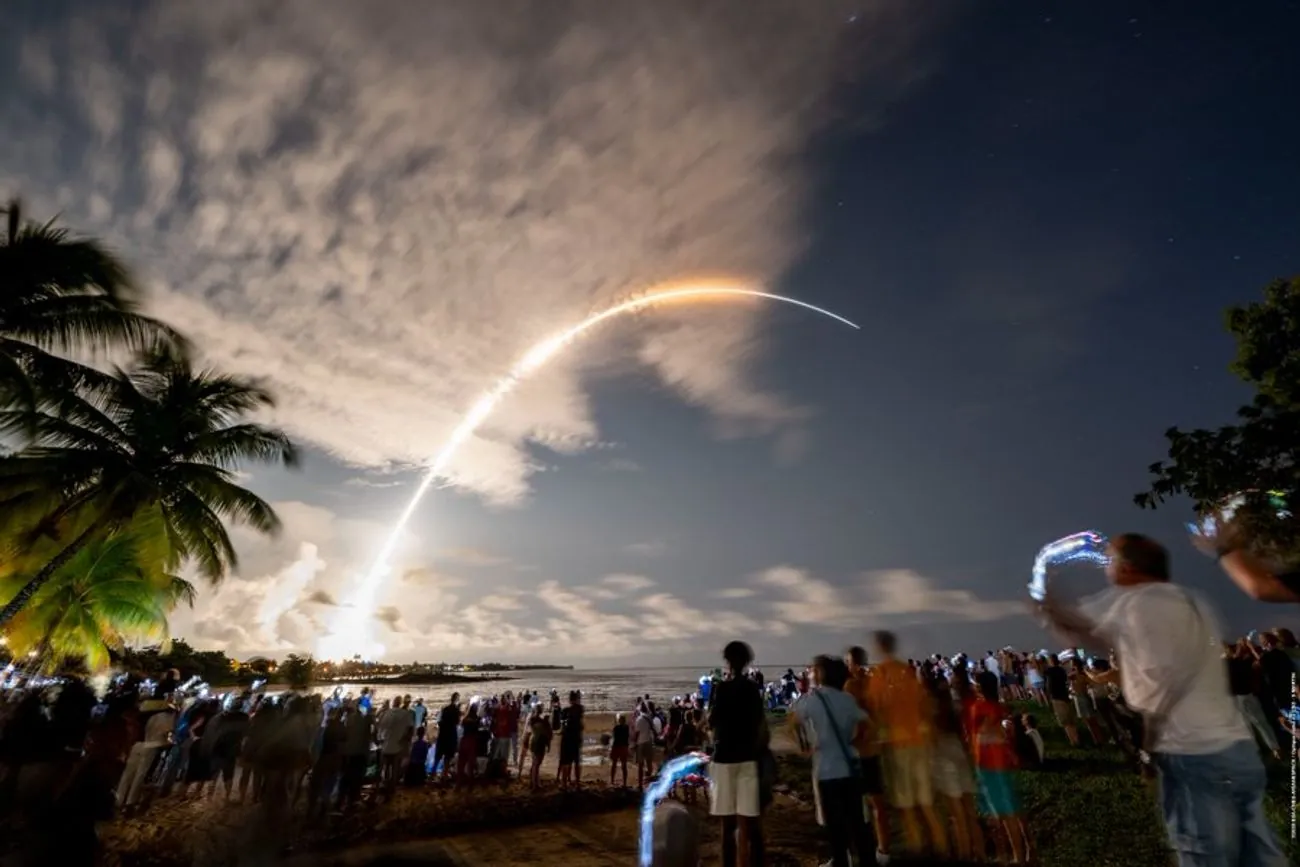
VV27 was the fifth Vega C launch overall and the third since an anomaly in the rocket's second stage led to a mission failure in December 2022.
The last three flights, including today's, have been successful. Vega C also launched the Sentinel-1C Earth observation satellite and a forest biomass monitoring spacecraft, both of which were European Space Agency missions, in December 2024 and April 2025, respectively.
Addition
The world's first photonic quantum computer was launched into orbit as part of the SpaceX Transporter 14 mission.