










Dog diversity emerged thousands of years before modern breeding - study
Kyiv • UNN
A new study has found that the diversity in dog appearance existed thousands of years before modern breeding. Scientists discovered physical differences in early domesticated dogs more than 10,000 years ago.

For some time, it was believed that the wide range of dog appearances was achieved over the last few centuries. In fact, the diversity in the image of "man's best friend" can be traced much deeper into the past.
This is reported by UNN with reference to Science and BBC.
Details
Modern dog breeds owe their appearance to intensive breeding by humans. However, a new large study has found that, contrary to previous assumptions, the origin of the enormous diversity of dogs is much older than modern breeding methods.
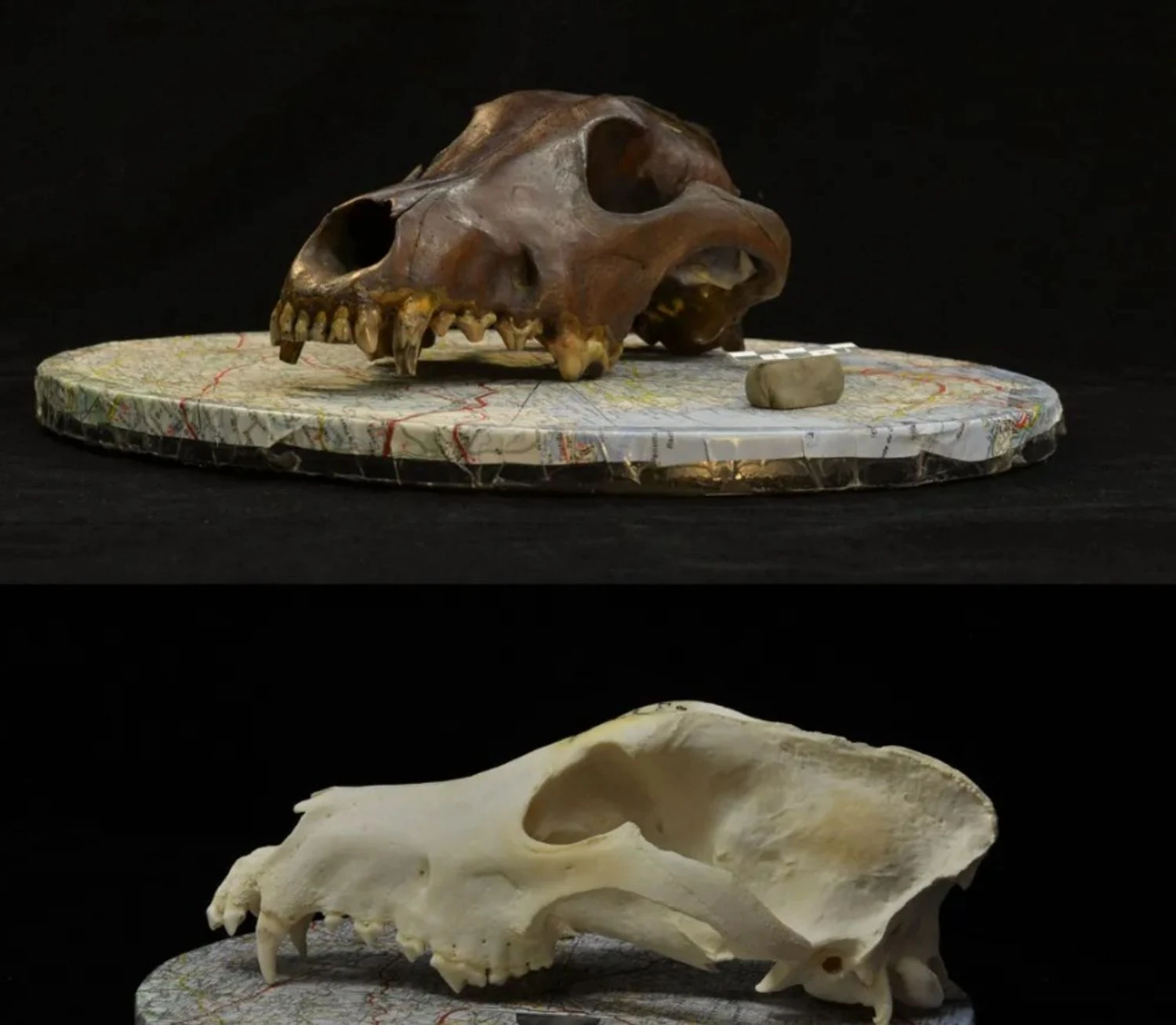
The Science article states that an international team of researchers focused their attention on prehistoric canine skulls.
For over ten years, specialists collected, studied, and scanned bones spanning 50,000 years of dog evolution
The researchers created digital 3D models of each of the more than 600 skulls they examined. The specific features of ancient dogs were compared with modern dogs, as well as their wild relatives.
Scientists concluded: more than 10,000 years ago, early domestic dogs showed striking physical differences among themselves.
In their analysis, researchers found that the first clearly "dog-like" skulls appeared about 10,800 years ago in the territory of modern northwestern Russia. Before that, Ice Age canids still largely resembled wolves in appearance and probably also in behavior.
Immediately after the last Ice Age, dog skulls began to change shape. Although there were still slender, wolf-like dogs, there were also many with shorter muzzles and wider, stockier heads
In a comment to BBC News, Dr. Carly Ameen from the University of Exeter, the lead researcher of the project, explained:
Almost half of the diversity we see in modern dog breeds today was already present in dog populations by the middle Stone Age
"It's really surprising," she said. "And it starts to question the idea of whether it was the Victorians – and their kennel clubs – who were the driving force behind this."
Addition
Understanding the early diversity of forms requires new considerations about how humans and dogs evolved together.
The timeline of the study fits precisely into the transition from Ice Age hunter-gatherer societies to more settled groups of the early Holocene. As humans began to colonize new habitats, they inevitably changed the evolutionary conditions of their animal companions
Recall
Having a pet in the family makes children more active, which, in turn, reduces the risk of chronic diseases, - an Australian study showed.