










Children without limits: how schools and kindergartens in Brovary are adapting for special students
Kyiv • UNN
In the Brovary community, inclusive education is actively being developed in schools and kindergartens. 65 inclusive groups have been created for 201 children, an Inclusive Resource Center is operating, and special classes with the necessary equipment are available.

In the Brovary city territorial community, work is actively underway to create comfortable conditions for children with special educational needs. Inclusive groups and classes have been opened, clubs are operating, and an Inclusive Resource Center (IRC) is functioning. Thanks to the efforts of local authorities, educational institutions in the community are adapted for teaching children with various needs, ensuring equal access to quality education, reports UNN.
The work of the IRC and support for children
The Inclusive Resource Center is an institution that conducts a comprehensive assessment of a child's development according to their age. From birth until the time the child is in school. The comprehensive assessment of a child's development includes an examination of emotional-volitional, cognitive, speech, and physical spheres. These five areas, as well as educational and learning activities. The assessment is conducted by a psychologist, speech therapist, defectologist, and rehabilitation specialist, who are currently on staff.
In addition to the comprehensive assessment of a child's development, the Inclusive Resource Center helps children in the educational process by providing constant support.
What does constant support mean? For each child with special educational needs, inclusive education is organized in the educational institution. Accordingly, an individual development program is developed for this inclusive education. An IRC specialist is always present during the development of the individual development program and conducts monitoring throughout the year on how the child is developing, how the child is mastering the subjects, and how to help them. Therefore, at every meeting of the support team in educational institutions, an IRC specialist is present,
The Inclusive Resource Center and its branch also provide correctional and developmental classes for children attending educational institutions, as well as for children who are learning under patronage or receiving education individually.
In total, the Inclusive Resource Center serves 22,685 children aged 0 to 18 years, among whom 2,784 have special educational needs.
IRC specialists and its branches actively participate in meetings of support teams for children studying in inclusive classes. During these meetings, the needs of children, the level of support, and corrective measures are determined.
Inclusive education in educational institutions
Currently, inclusive classes operate in 12 municipal general secondary education institutions in the Brovary community, and in 19 preschool institutions – 65 inclusive groups, where 201 children study. In 2024, 11,310 correctional and developmental classes were held in the community's schools.
One of them is Brovary Lyceum No. 3, where 37 children with special educational needs are currently studying in 22 classes. The director of the lyceum, Liliya Hladyshevska, explains that the essence of inclusion is that children participate in the educational process under equal conditions. For this, according to her, the educational institution she manages has everything necessary.
We have created 6 classrooms, including a resource room, where full-fledged, quality correctional classes take place. We have equipment for conducting full-fledged gymnastics and acrobatics classes,
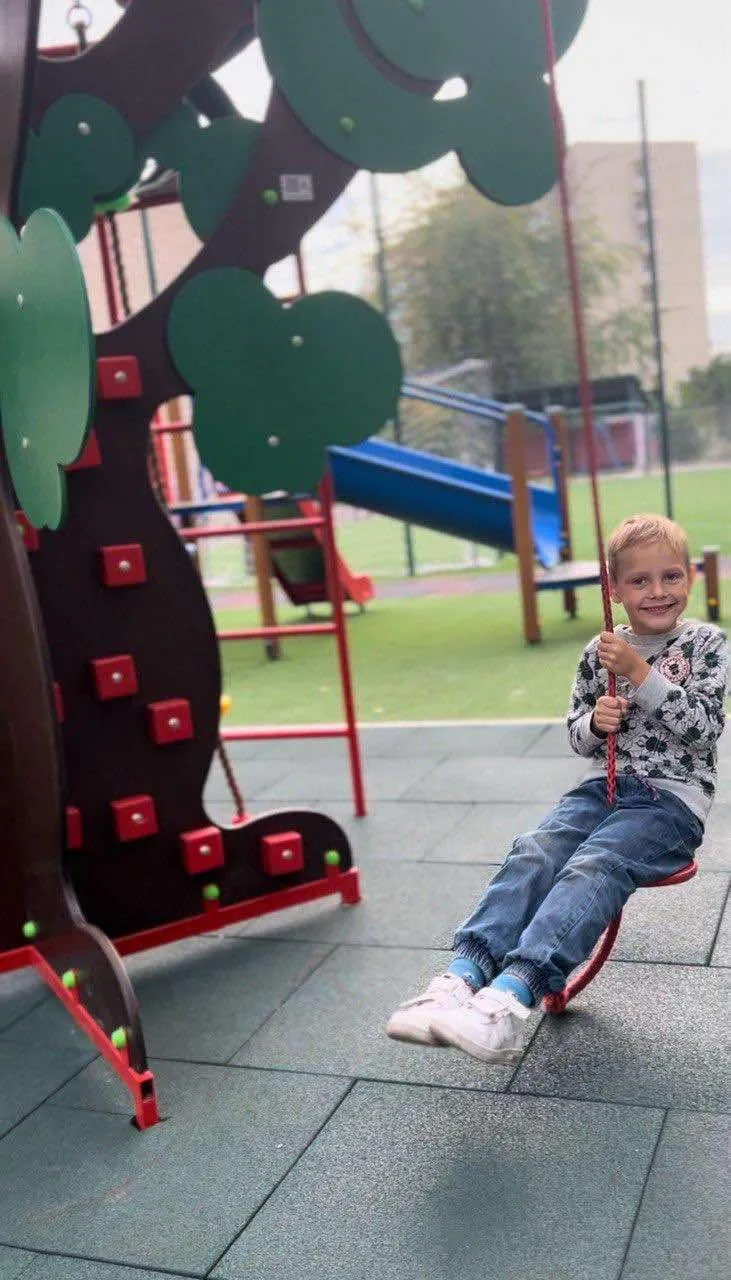
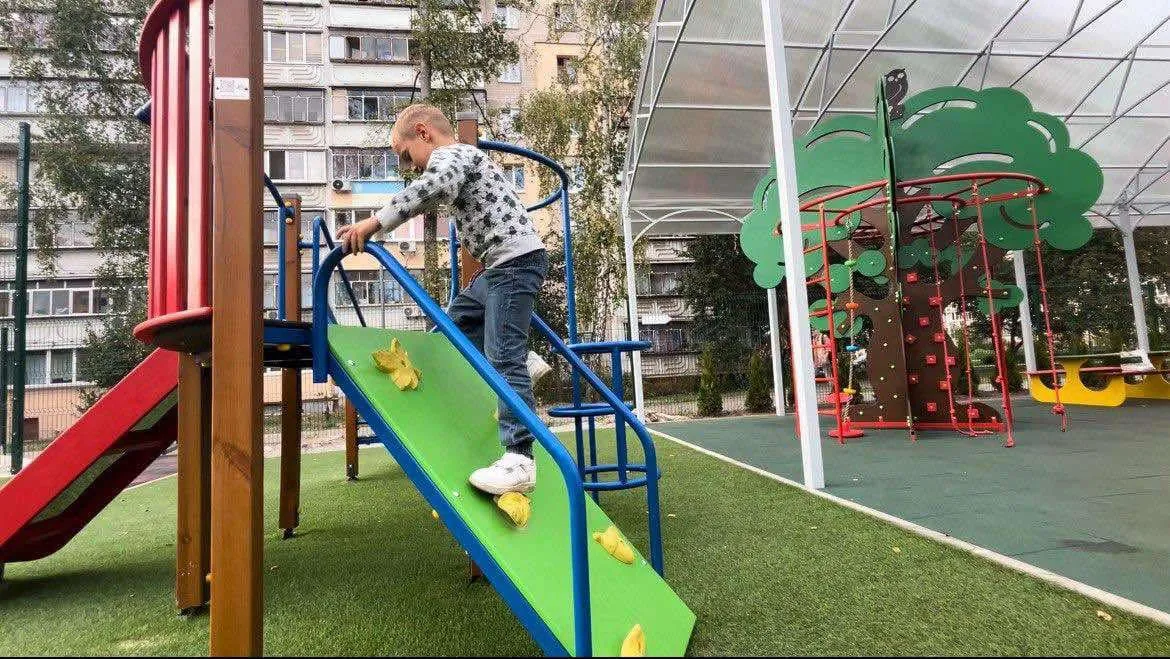
Thanks to funding from the community budget, the project "Inclusive Space. Open Class" has been implemented at the institution. This is a pavilion in the open air, where lessons, classes, and clubs are held. The recreation area here has exercise equipment, swings, and equipment for therapeutic physical education.
Liliya Hladyshevska added that a seminar for teachers is currently being planned, which will allow them to understand the behavioral manifestations of children, how to provide assistance, and how to identify certain features and simply work for the general benefit. "As research shows, a modern child concentrates and holds attention for only 8 seconds. After that, it is necessary to structure the class in such a way that it keeps the child's attention and is interesting to them, and there is a result," - explained the director of the lyceum.
She added that support groups for children with special educational needs operate in the lyceum, which include parents, teachers, a teacher's assistant, and correctional educators, where progress, level of academic achievements, and individual characteristics of the child are noted. "And only by discussing the child's development over this period can we talk about determining the level of support and the potential for the child's development and achievements in the educational process," - explained Liliya Hladyshevska.
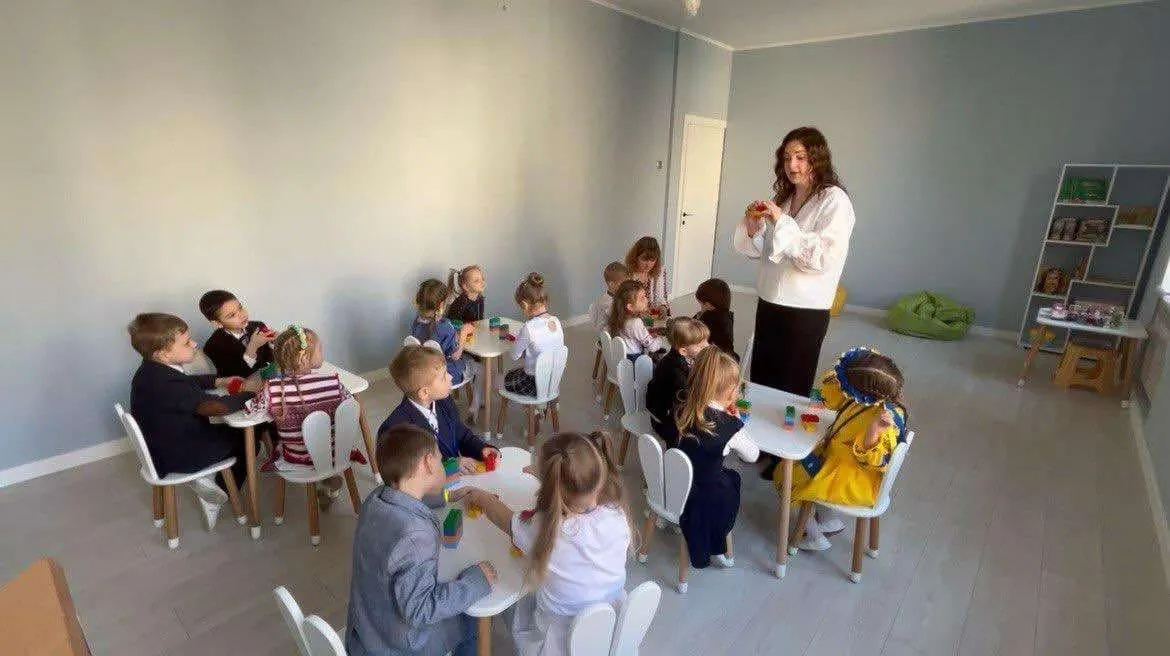
The lyceum also has a Lego studio for children with special educational needs, and there are master classes.
We have Olympic weeks. And when you see a child running in headphones during relays, we understand that these are children with autism spectrum disorder, but they feel completely comfortable. Undoubtedly, providing such comfort and tolerance in the micro-society is ensured by our teachers, mentors, and parents. We have full tolerance towards all participants in the educational process,
For the comfortable movement of children with musculoskeletal disorders, special transport has been organized in the community. Educational institutions are also architecturally accessible; in particular, ramps have been installed in 11 lyceums and 4 kindergartens in the Brovary community, stair climbers in two lyceums, and an external lift for people with reduced mobility in Lyceum No. 6. Inclusive centers for classes with children have been arranged in the shelters of some educational institutions.
Experience of preschool institutions
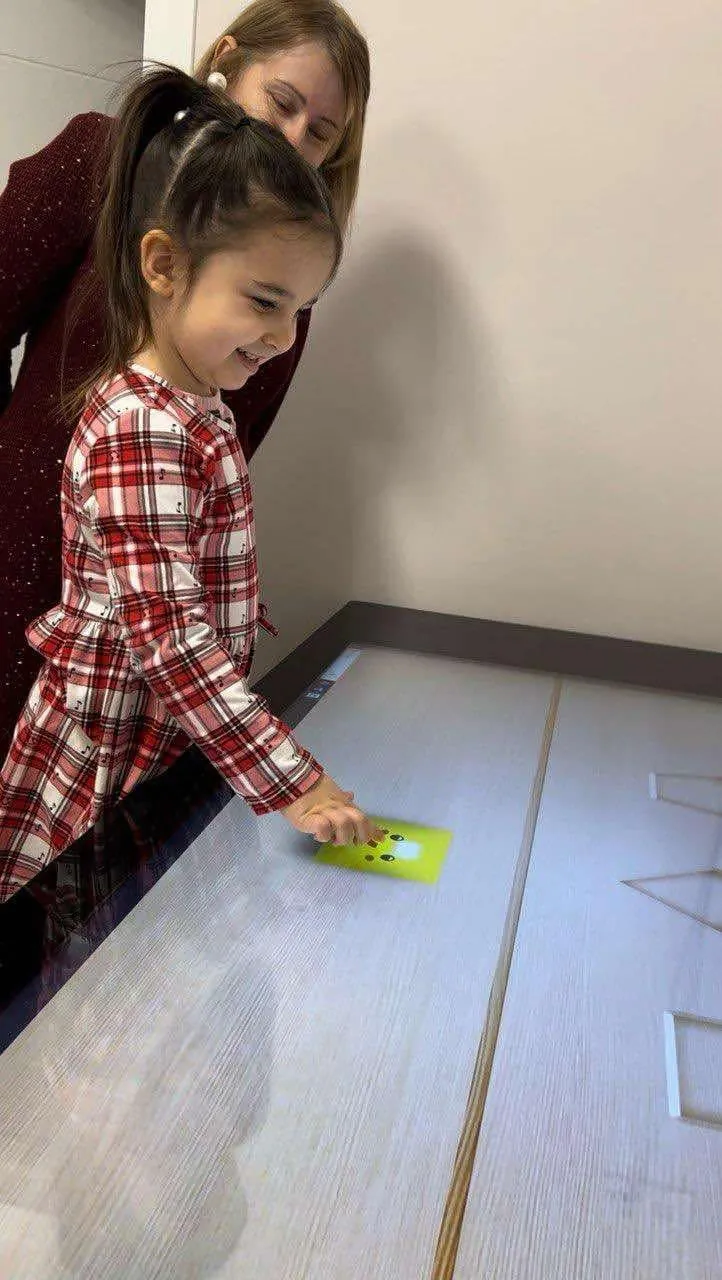
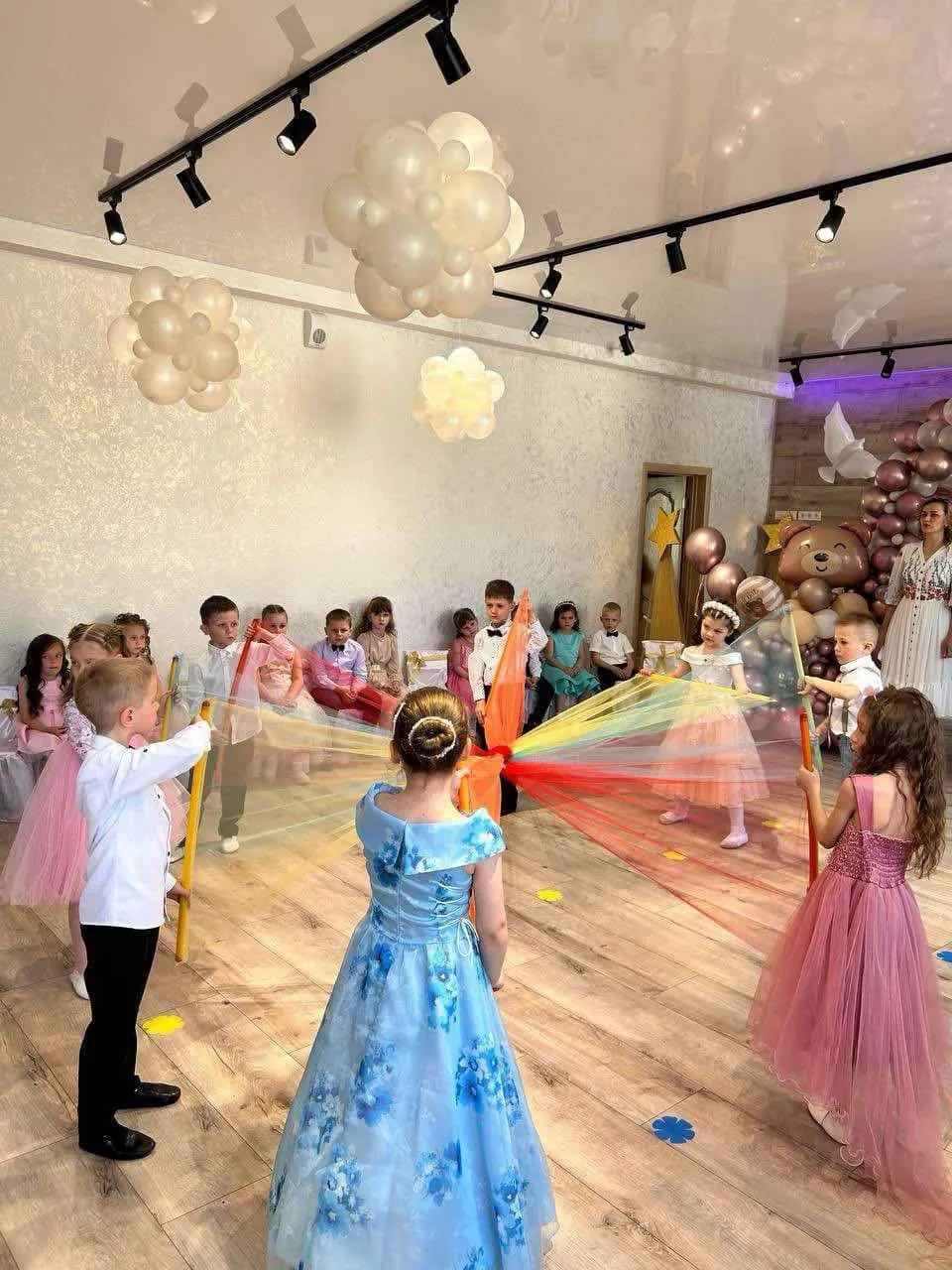
Local authorities also pay attention to inclusion in preschool educational institutions. For example, in the kindergarten "Kapitoshka," there are 7 inclusive groups where 26 children study.
In each group, there is an assistant teacher. We also have a group where the assistant was the child's father. Currently, this child does not attend the institution because they have moved to a specialized institution, as far as I know, but they have not taken their documents because they are considering the possibility of returning to us in the future,
According to her, "Kapitoshka" also has an inclusive playground and a resource room, thanks to grant funding from European partners of the Brovary community.
Children are additionally engaged by narrow specialists. This includes a speech therapist and a practical psychologist. They also work according to an individual development program, that is, they adapt the program approved by us - this is Ukrainian preschool education - to the needs identified in a specific child. Educators in inclusive groups also participate in the development of this program. These are narrow specialists, parents, and assistant teachers,
As in schools and lyceums, there is also a support team in the kindergarten that identifies the strengths of the child, as well as the specific needs of the child with special educational needs that need to be met for their development to be maximized. Parents are in constant communication with educators. "We strive to ensure that the educational process is inclusive, that is, that the child receives all the conditions they need for full development," - noted Natalia Sherembei.
Additionally
The Brovary community is also actively adapting the educational environment for children with sensory impairments, ensuring access to special textbooks, technologies, and inclusive programs.