










Activation of mosquitoes and midges in summer: dermatologist about the danger of bites and what to do if you scratch them
Kyiv • UNN
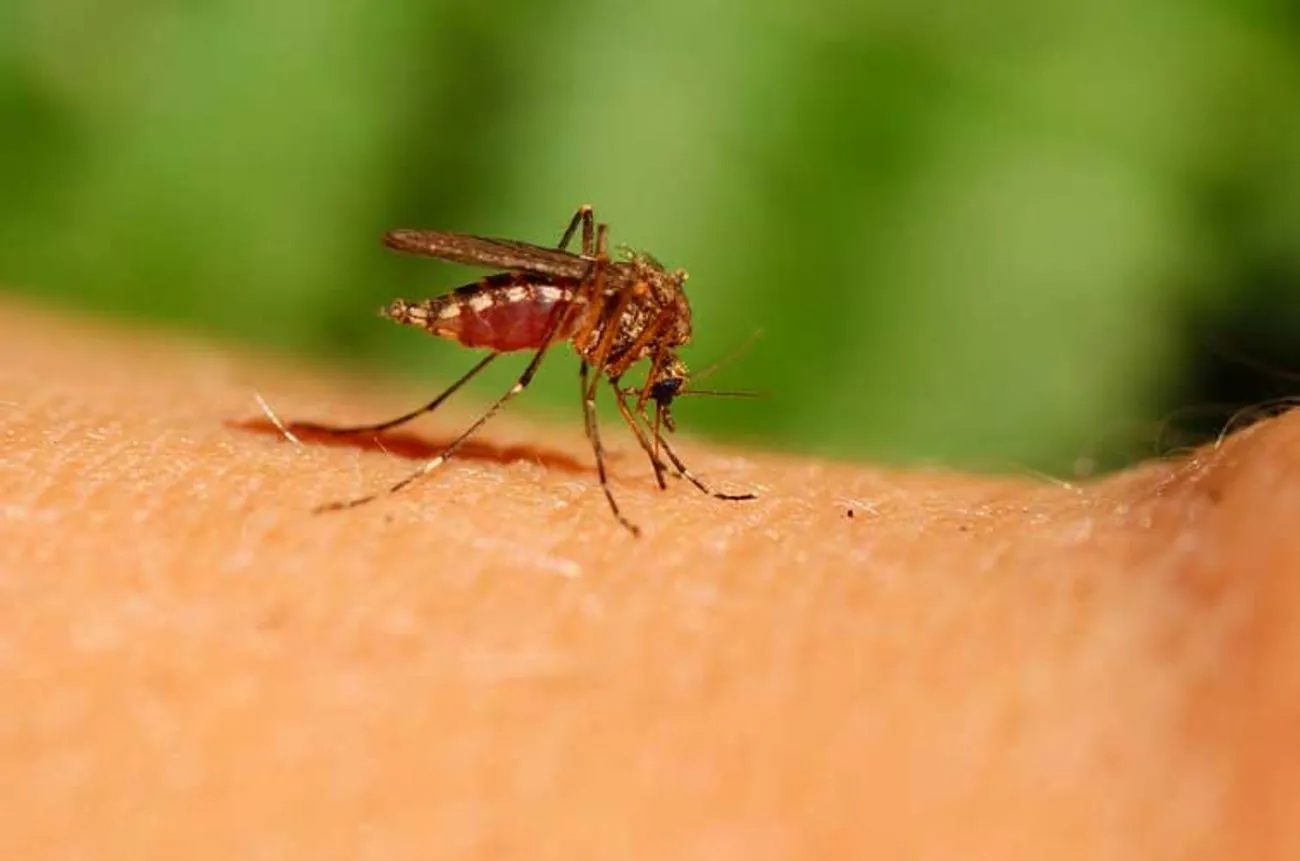
In summer, mosquitoes and midges become active, the bites of which can cause allergies, inflammation and infections. A dermatologist told how to protect yourself and what to do in case of bites.

Mosquito and midge bites can cause a severe allergic reaction, inflammation or even infection. Midges often cause more trouble. This was reported to a journalist of UNN by dermatologist Valentina Torhan of the Odrex Medical House, who explained what to do in case of a bite.
What is the danger of midge and mosquito bites?
Dermatologist Torhan noted that at first glance, it is only itching and redness. But in some cases, insect bites can cause a severe allergic reaction, inflammation or even infection.
Midges often cause more trouble than mosquitoes: they literally gnaw a micro-wound in the skin, and their saliva provokes a strong inflammatory reaction - with pronounced swelling, itching, pain, redness, and sometimes suppuration. As for infections: mosquitoes in our region are not carriers of diseases such as malaria or West Nile fever (this is not endemic), but in Ukraine, there have been isolated cases of dirofilariasis - a parasitic infection that can be transmitted by mosquitoes
For which category of people can mosquito and midge bites be more dangerous?
Torhan listed the categories of people for whom bites can be more dangerous:
- children - children's skin is more delicate, and the immune system may react more strongly;
- allergy sufferers - especially those with a history of anaphylactic reactions;
- people with immunodeficiency or chronic inflammatory skin diseases (atopic dermatitis, eczema) - a higher risk of infection after scratching the bite sites.

What not to do for mosquito and midge bites
Torhan stressed that the most important thing is not to scratch the bite site.
This significantly reduces the risk of complications. You should not "scratch" the bite site or make a so-called "cross" with your nails - this has no therapeutic effect, but significantly increases the risk of infection and can worsen the condition. You should also not use hot water on bite sites, as this can lead to increased itching and swelling
Torhan advises washing the bite site with cool water and treating it with an antiseptic (e.g., chlorhexidine or octenidine) to reduce the risk of secondary bacterial infection. After antiseptic treatment, it is recommended to apply a remedy with anti-itching action - for example, a gel with dimethindene or diphenhydramine.
What to do when a person has scratched a mosquito bite very badly?
First, wash the skin with cool water and soap. Then, treat it with an antiseptic, and then apply a product that will reduce inflammation and protect the skin. It is good to have a cream or ointment with an antibiotic (you can also apply them cool - keep them in the refrigerator door). In case of severe swelling or severe itching, you can take an antihistamine (cetirizine, bilastine, or others according to age and indications). If suppuration occurs, the rash spreads, or the symptoms do not go away within a few days, you should consult a doctor for examination and treatment adjustment
Dengue and chikungunya may soon become endemic in Europe - study15.05.25, 11:01 • 6145 views
Selection of safe and effective mosquito repellents
Torhan noted that for effective protection against mosquitoes and midges, it is worth choosing repellents with proven effectiveness.
According to her, the main active ingredients recommended by modern protocols are:
- DEET (N, N-diethyltoluamide) - well studied, effective. Safe in concentrations up to 30% for adults and up to 10% for children;
- Icaridin (picaridin) - less irritating to the skin, has a more pleasant smell;
- IR3535 - a mild repellent, suitable even for children;
- Eucalyptol, lemon eucalyptus oil - natural alternatives, but less long-lasting effect.
The dermatologist stressed that sprays and creams with these components are safe if used according to the instructions:
- do not apply to damaged skin or mucous membranes;
- do not spray near the eyes;
- after a walk - be sure to wash off.
"For children under 2 years of age and pregnant women, it is better to consult a doctor for the selection of a remedy," Torhan noted.