









UAV certification in Ukraine: how a drone goes from development to operation
Kyiv • UNN
The company “MS AVIA-GRADE” explained which documents and tests are required for a drone to be approved.

Amid the full-scale war in Ukraine, drone production is developing rapidly. The front's need for drones is constantly growing, and manufacturers are forced to quickly create new aircraft. However, developing a drone and putting it into serial production are not the same thing. For UAVs to be fully used and supplied to the front, they must undergo the necessary verification, testing, and certification procedures. UNN spoke with Dmytro Parkhisenko, director of the aviation company "MS AVIA-GRADE," about how exactly the drone certification process takes place and what difficulties manufacturers face.
Details
For a drone to carry out combat missions at the front, it is not enough simply to fly well and maintain communications. To become a fully-fledged aviation product and enter service, its characteristics must be confirmed with documentation.
According to the director of "MS AVIA-GRADE," the certification and codification of unmanned systems in Ukraine involve officially verifying and confirming that the aircraft complies with technical regulations, safety standards, and the requirements of government customers.
Such verification is necessary for the legal supply of equipment to the Defense Forces, participation in open tenders, as well as ensuring reliability and safety during operation
In practice, the certification process covers several important stages. First, the manufacturer submits an application with a detailed technical description, the design and operating documentation undergoes expert review, and practical flight tests are conducted. The stability of the design, the reliability of communications and navigation channels, resistance to interference, and the software's compliance with safety standards are then assessed.
This procedure is quite resource-intensive and technically detailed, and its duration depends on the aircraft's class and purpose. In recent years, the state's approaches have evolved substantially: on the one hand, efforts were made to accelerate the procedures for authorization to operate as much as possible due to the needs of the times; on the other hand, requirements for standardization, the quality of components, and the implementation of military standards have increased (in particular, requirements related to NATO models)
For manufacturers, this means the need to work in two areas at once: on the one hand, to rapidly develop their technologies, and on the other, to meet the requirements and standards.
According to the director of "MS AVIA-GRADE," the most common barriers to UAV certification include bureaucratic delays during approval stages, difficulties adapting internal documentation to strict military standards, a shortage of safe locations for conducting flight tests, as well as intellectual property protection issues during state examinations.
At the same time, for companies with experience in aviation, a significant portion of these requirements is nothing new.
"MS AVIA-GRADE" has been working with aviation equipment for more than 15 years and has a team of engineers and aviation specialists with experience in regulatory and certification processes. Among other things, the company specializes in the repair, maintenance, and modernization of airplanes and helicopters, has its own design bureau, and operates in the international market.
MS AVIA-GRADE's many years of experience in the repair, maintenance, and modification of piloted airplanes and helicopters provides a fundamental engineering foundation. Working under strict aviation regulations fosters uncompromising quality control, which is critically important for unmanned aviation as well
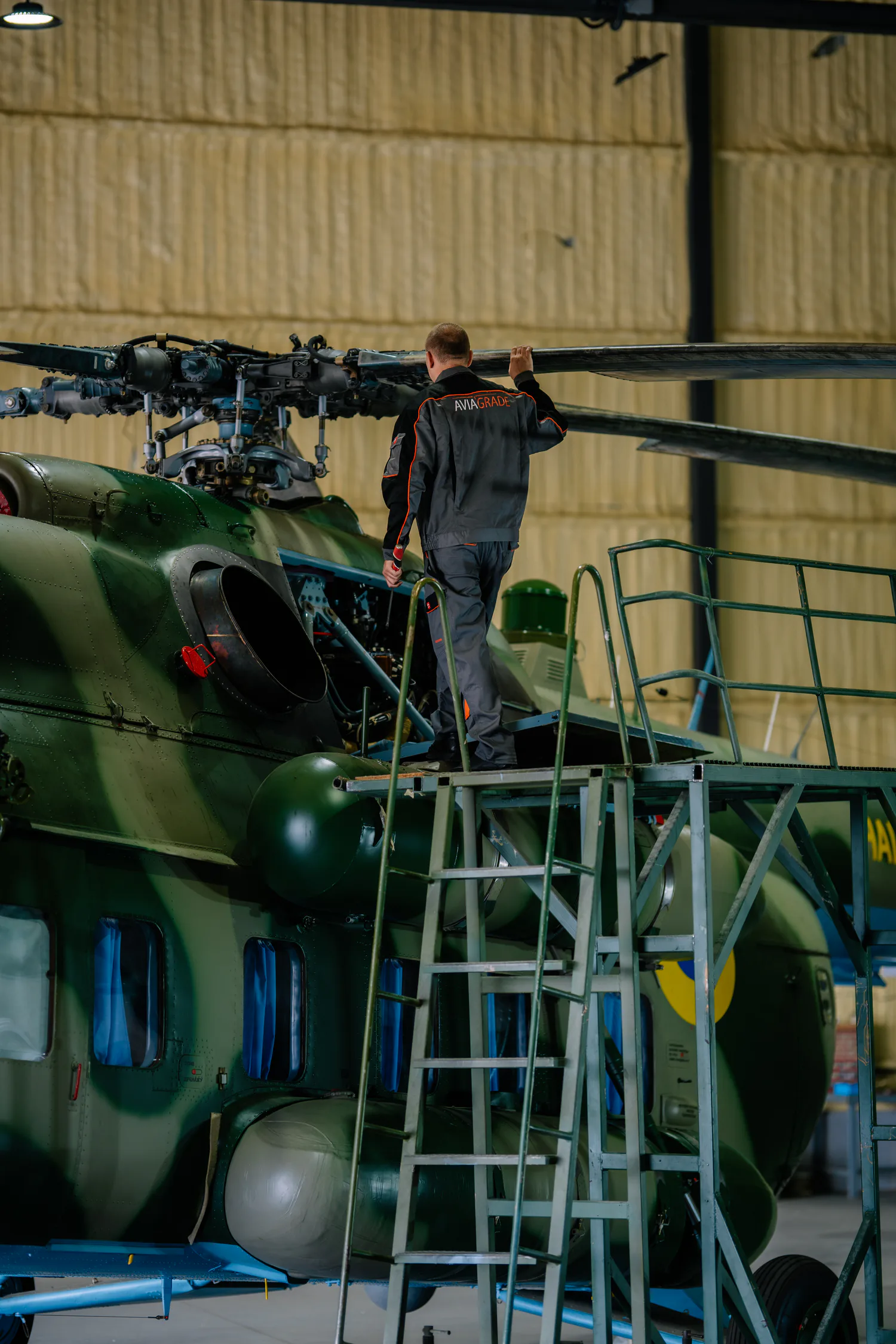
At the same time, the company is developing its unmanned systems division. Its structure includes a separate UAV unit that works on its own unmanned products and those developed jointly with partners, prepares technical documentation, handles standardization and certification, and supports the commissioning process for drone developers.
The company’s activities in the field of unmanned systems are based on deep scientific and technical expertise, engineering development, and the conduct of specialized tests. Key competencies in this area include an understanding of aerodynamics, the design of aviation systems, the ability to integrate complex technical solutions, and the preparation of design documentation in accordance with international and domestic requirements
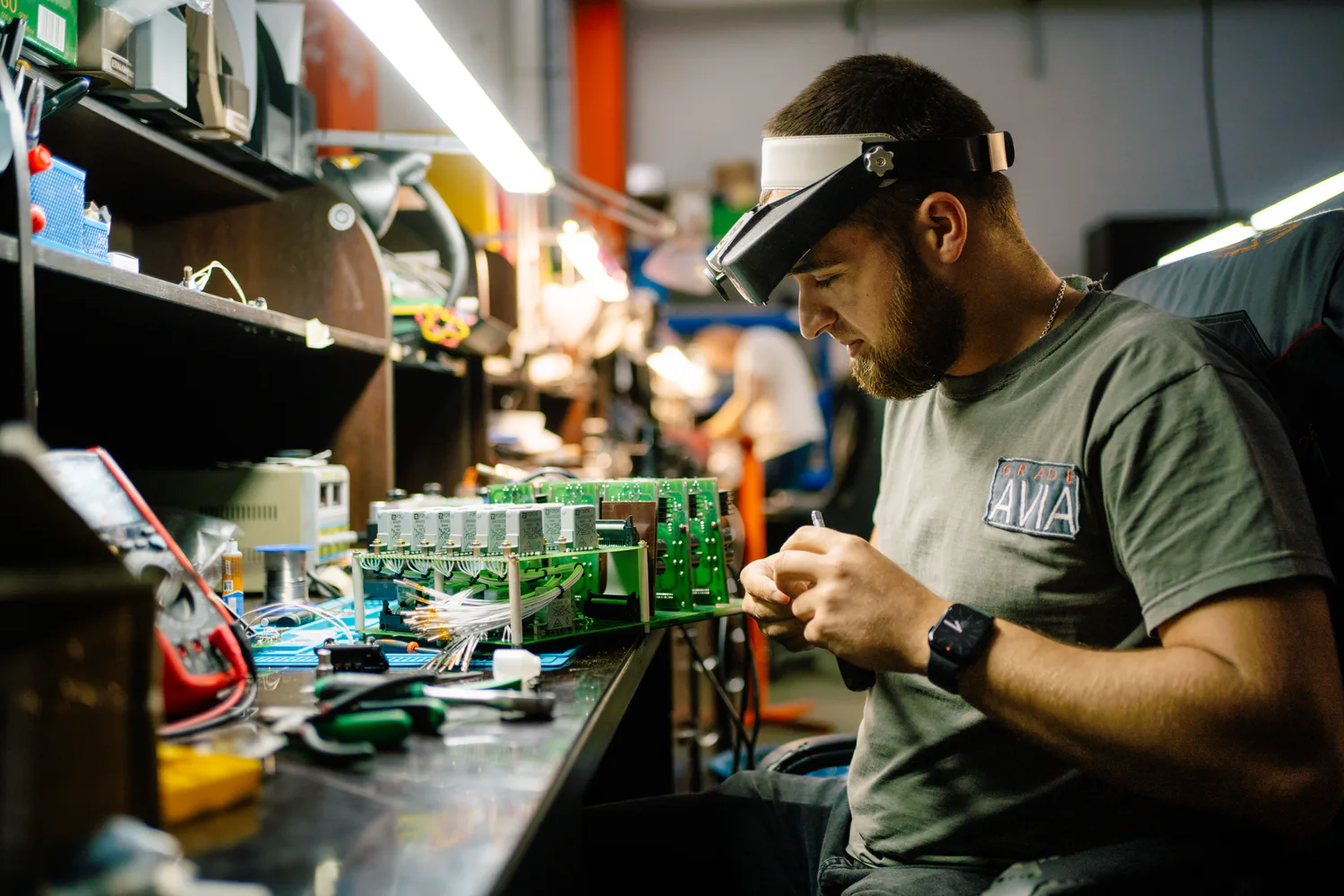
For security reasons, MS AVIA-GRADE does not disclose the specific projects its specialists are currently working on. However, the company’s approach to working with unmanned aerial vehicles continues, in many respects, its “aviation school.”
The unmanned aviation sector is demonstrating rapid growth, as the technologies require continuous improvement and scaling. MS AVIA-GRADE has a strong position thanks to the synergy of its classical aviation school, its own design and production base, and its ability to adapt advanced engineering practices to modern challenges
Through many years of experience working with aviation equipment, MS AVIA-GRADE has developed competencies encompassing the repair, modernization, and certification support of aviation systems. Today, the company also applies these competencies in the field of unmanned aviation, in particular by working on the development of technical documentation and the commissioning of UAVs.