










Saiga antelopes, whales, and mother beetles: winners of the 2025 Wildlife Photography Contest announced
Kyiv • UNN
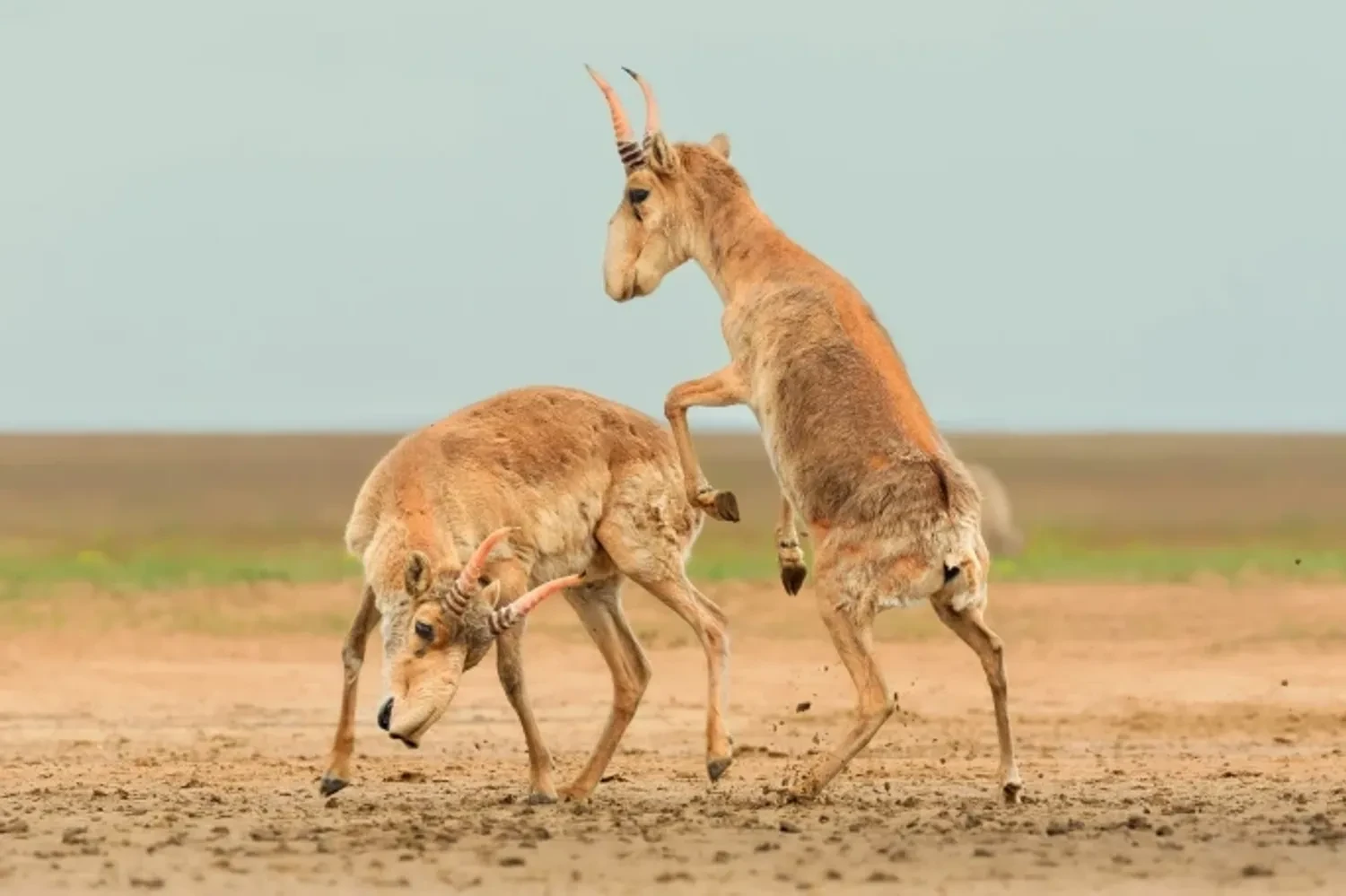
The BMC Ecology and Evolution and BMC Zoology International Photo Contest presented amazing wildlife photographs. The winner was a shot of saiga antelopes in a training fight.

From fierce battles of steppe saigas to the tender care of a mother beetle – this year's international photo contest BMC Ecology and Evolution and BMC Zoology showcased nature in all its grandeur, drama, and poignancy. Among the winners are shots that stop time and reveal invisible sides of animal life, both modern and extinct millions of years ago. This was reported by Gizmodo, writes UNN.
Details
Photographers, biologists, and researchers from around the world submitted hundreds of unique works to the annual wildlife photography contest, which this year was held for the second time as a joint project of two scientific journals – BMC Ecology and Evolution and BMC Zoology. Works competed in four categories: "Collective Social Behavior," "Life in Motion," "Colorful Strategies," and "Research in Action."
The absolute winner was a shot by Russian zoologist Andrey Gilyov, who captured two male saigas in a training fight. As the author explains, such clashes in spring are not a struggle for status, but a kind of "rehearsal" before the mating season, which at the same time maintains the animals' fitness and fighting spirit.
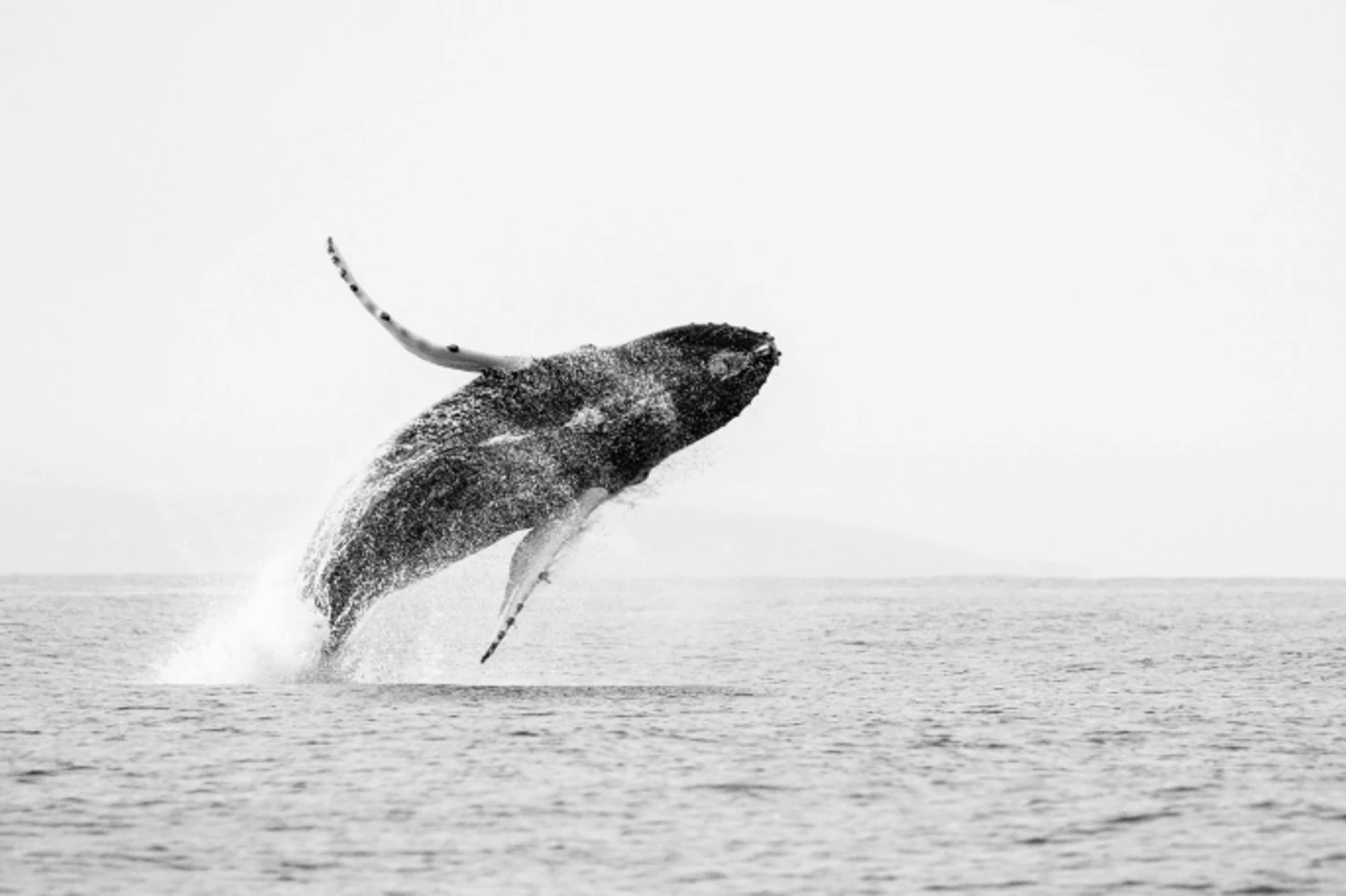
In the "Life in Motion" category, second place went to a shot of a humpback whale, taken by Alwin Hardenbol in Varanger, Norway. The photo captures the moment when the giant mammal literally bursts out of the water. The researcher admits that scientists still haven't figured out why whales perform such spectacular jumps.
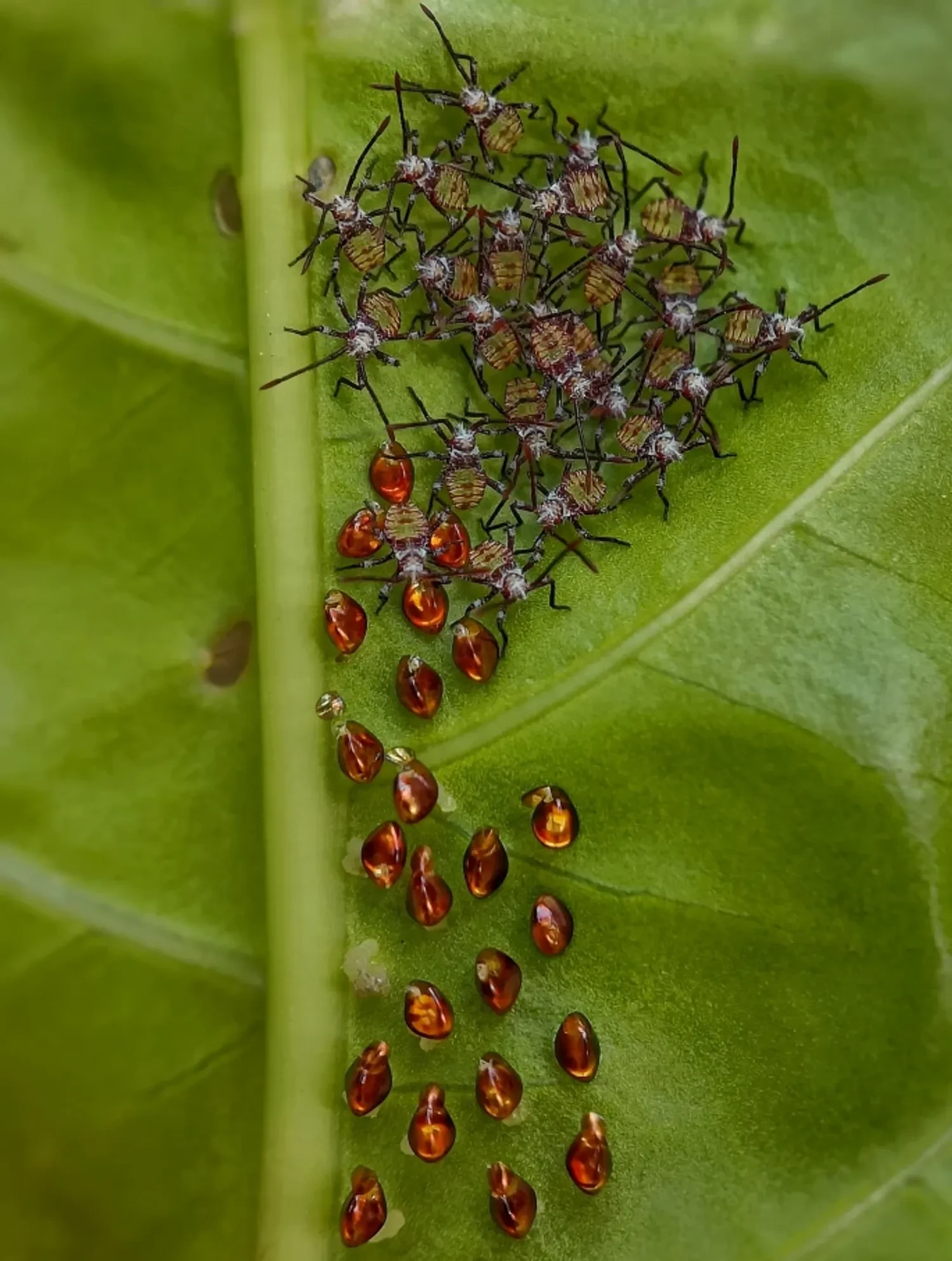
Impressive scenes were also demonstrated by the work of Indian student Sritam Kumar Sethy, who won in the "Collective Social Behavior" nomination. His lens captured dozens of nymphs of the bug Acanthocoris scaber, which stick together on the underside of a leaf, escaping predators by their sheer numbers.
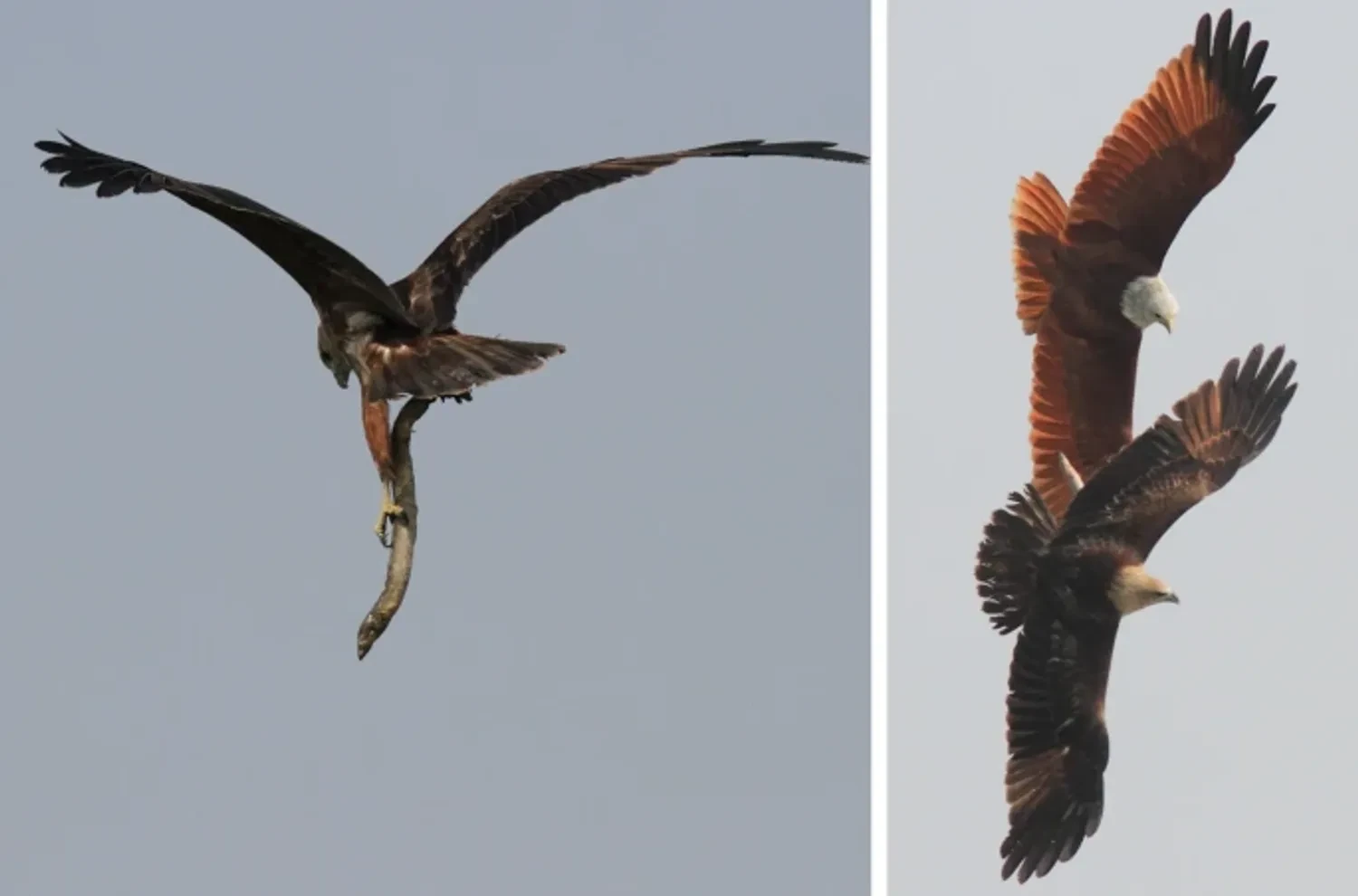
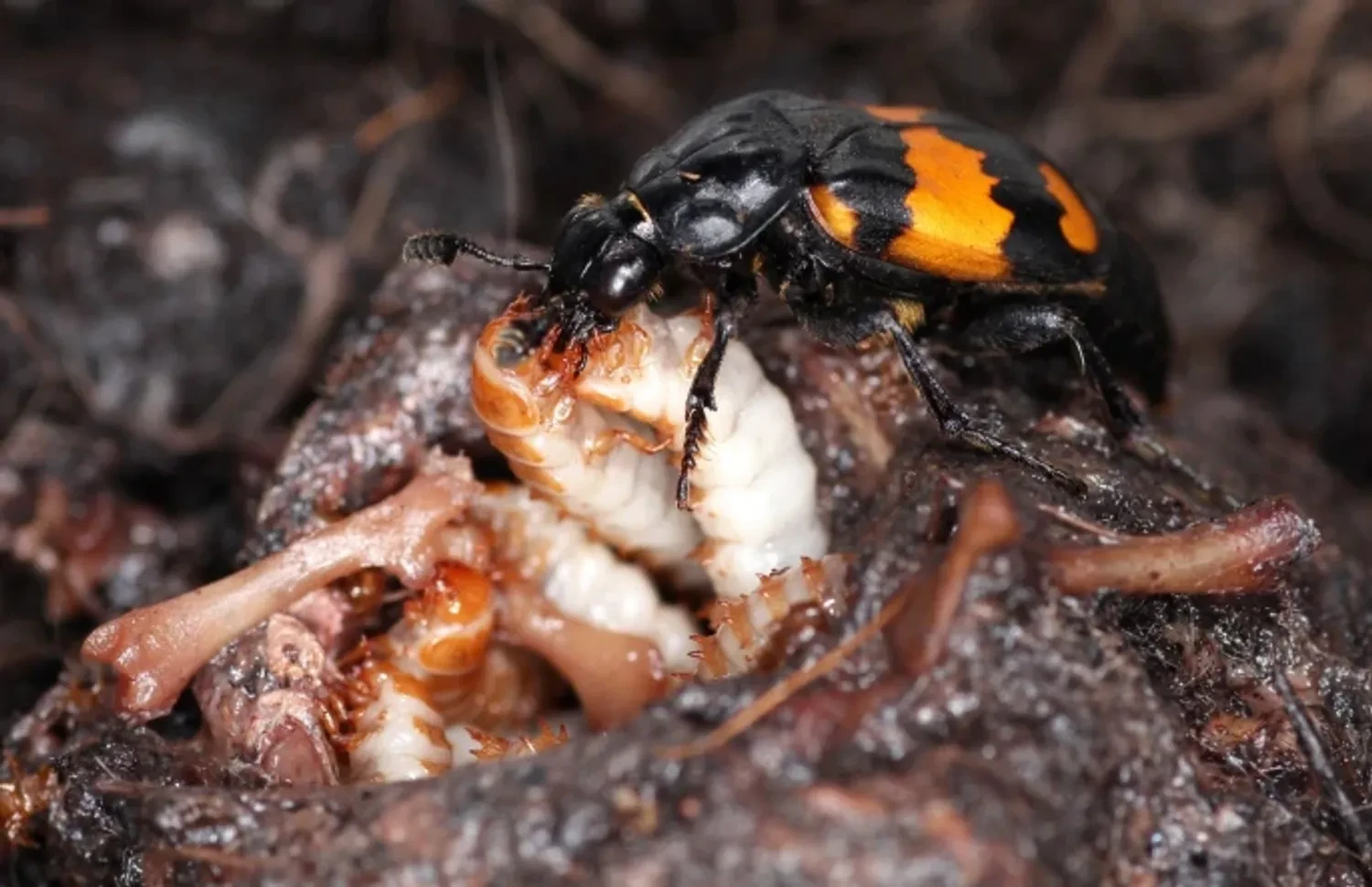
Among the moments noted by the jury were the dramatic confrontation of a Brahminy kite with an eel and a rival, as well as a touching scene where a burying beetle Nicrophorus vespilloides feeds its offspring with the remains of a mouse buried in the ground.
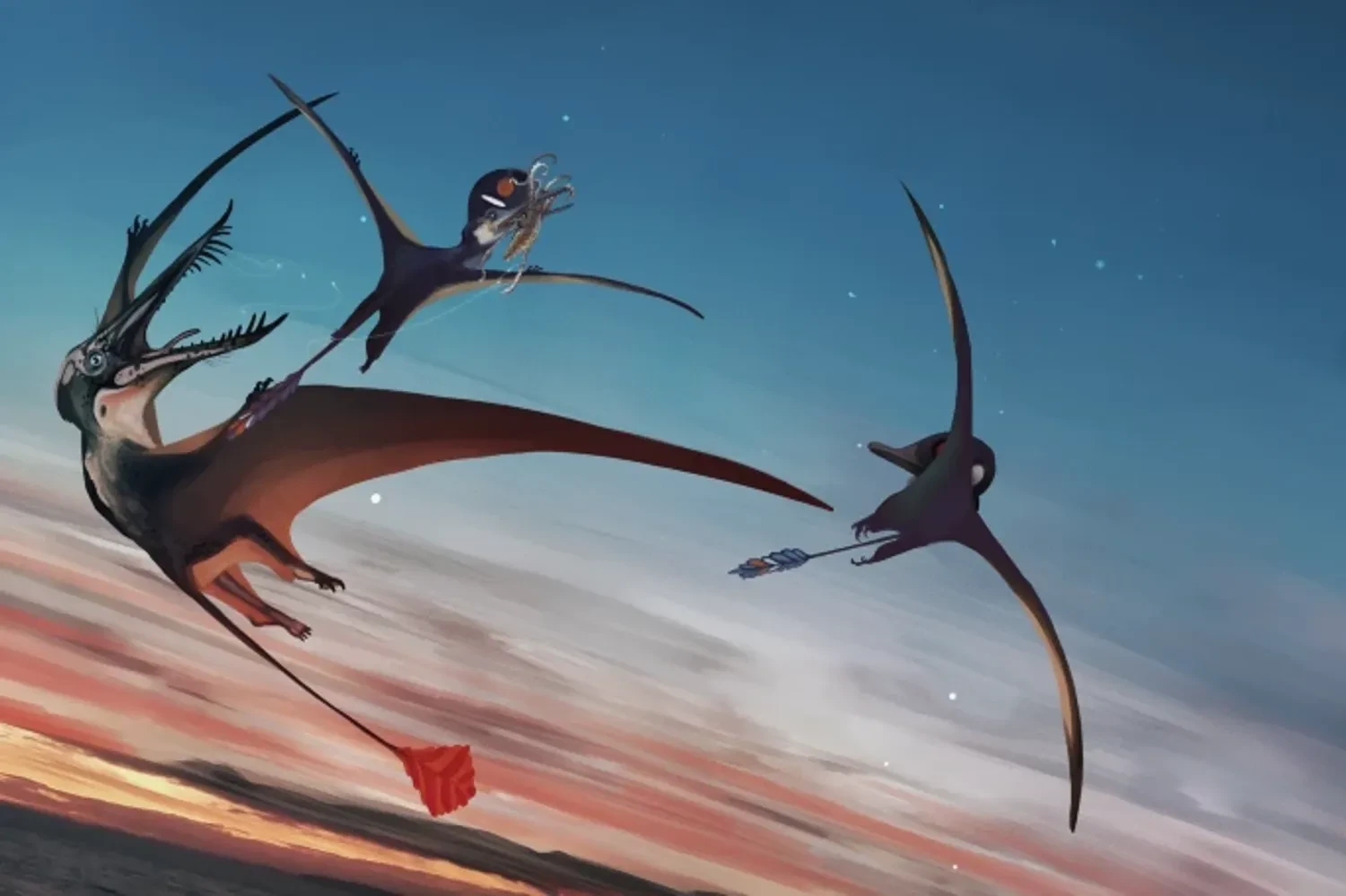
The competition also did not bypass paleontological themes: artist and researcher Natalia Jagielska won in "Life in Motion" with a digital reconstruction of pterosaurs flying over the Jurassic Hebridean Basin, inspired by real fossil finds in Scotland.
This year's winners once again reminded us: the world of wildlife is a continuous theater of struggle, survival, and amazing relationships, which is worth preserving.