










Frontline communities in Kharkiv region sound the alarm: new pharmaceutical market regulation threatens pharmacy closures
Kyiv • UNN
Heads of communities in Kharkiv Oblast warn of mass pharmacy closures due to new pharmaceutical market regulation. In frontline settlements, where only one pharmacy operates, thousands of people may be left without access to medicines.

Frontline communities in Kharkiv Oblast are concerned about the consequences of a new resolution of the Cabinet of Ministers, which regulates the pharmaceutical market. According to community leaders, the new requirements could lead to a mass closure of pharmacies, especially in settlements located near the state border. Communities are already receiving warnings about the possible cessation of pharmacy operations, which will jeopardize people's access to vital medicines, UNN writes.
The residents of frontline villages and towns, where pharmacies operate in extremely difficult conditions, often under shelling, will suffer the most. Due to constant enemy attacks, pharmacy points are often damaged and need to be restored. There are cases when such restoration occurred up to a dozen times.
For tens of thousands of people who, despite the full-scale invasion, remain in the frontline territories, pharmacies are the only source of medicine. Due to the possible closure, elderly and less mobile people, who are unable to travel to another settlement for medical care, will have an especially difficult time.
In the Derhachi community, the issue of providing medicines has become acute.
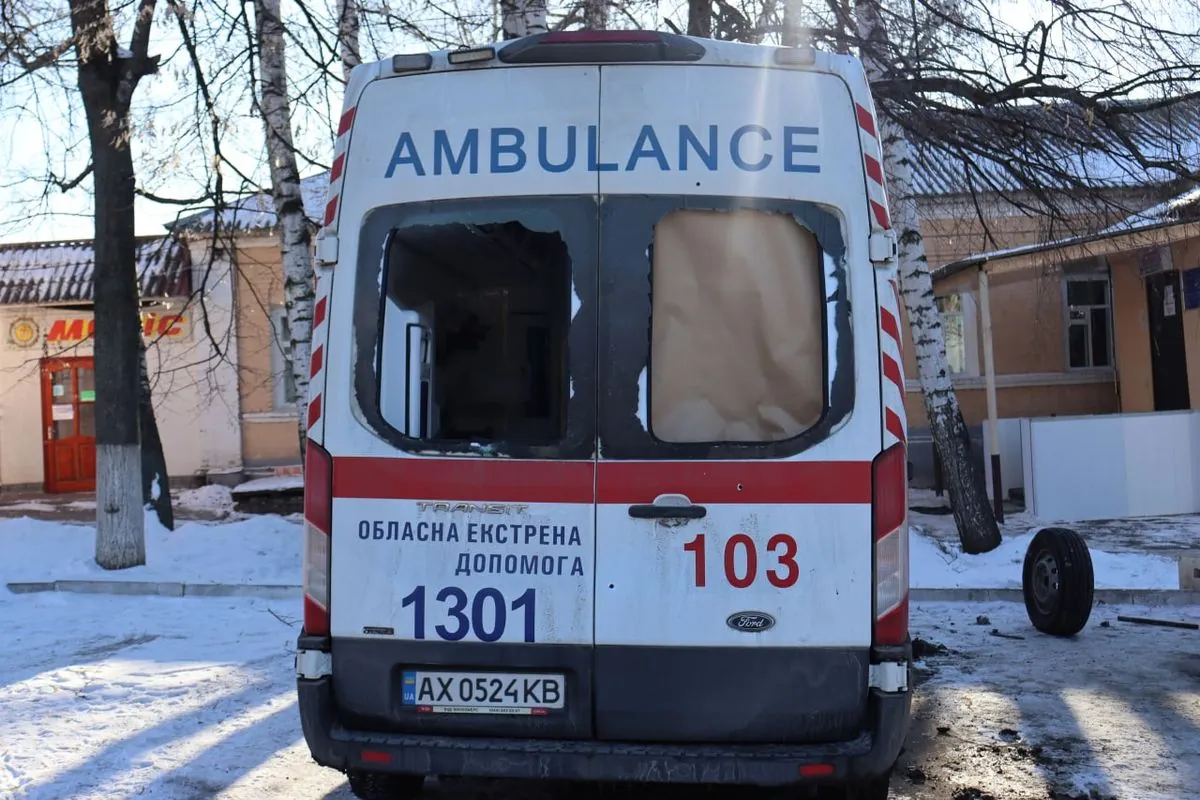
The Derhachi community of Kharkiv Oblast, located in the frontline zone, is already experiencing the consequences of a difficult situation. According to the head of the community, Vyacheslav Zadorenko, six pharmacies are currently operating in the city of Derhachi. There is also a hospital in the city that provides free medicines, but not all medicines needed by local residents are available there. In villages located closer to the border with the Russian Federation, the situation is even more difficult - only one pharmacy operates per settlement there.
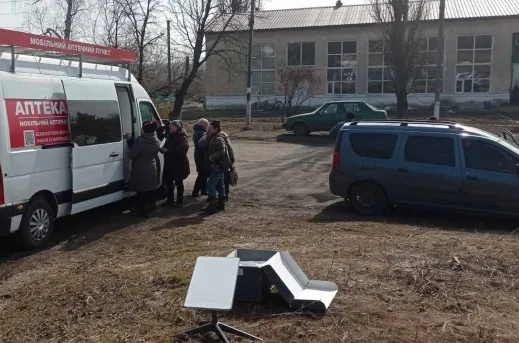
About 30,000 people currently live in the community, most of whom are elderly. Therefore, according to Zadorenko, mobile pharmacies also operate for them, ensuring the availability of medicines for the less mobile population. The local authorities are concerned about the new regulation of the pharmaceutical market, which could lead to the disappearance of pharmacy points and mobile pharmacies.
Of course, this will be a very painful issue for the people who remained in the community. Given the very difficult conditions in which our pharmacists have to work, this issue is, of course, very important to us... Therefore, I believe that this decision (Cabinet of Ministers Resolution No. 168 regarding drug prices - ed.) is not balanced with regard to our frontline communities.
He added that local authorities have already received warnings from pharmacies that due to the new regulation of the pharmaceutical market, they will be forced to cease their operations. In this regard, the communities appealed to the head of the Kharkiv district with a request to raise this issue at the state level.
In addition, the Derhachi community is preparing a corresponding appeal to the Ministry of Health with a request to review the changes to the regulation of the pharmaceutical market that have come into force.
"We will appeal to the Ministry of Health with a letter to review the position... We are waiting for a decision to be made in favor of the people and the community," Zadorenko noted.
Head of Zolochiv community: "If pharmacies close, it will be a social explosion"
The Zolochiv community of Kharkiv Oblast is facing a similar problem. Its head, Viktor Kovalenko, confirmed to UNN that he had also received warnings about the possible closure of pharmacies due to new Cabinet of Ministers requirements.
I have already been warned about this and even received a letter about it. If this happens, it will be very, very difficult for us. We have a social pharmacy that travels and works in the starostyn districts of our border community. This is very important, because people can get social medicines or buy what they need. This pharmacy serves five districts, where many displaced people are concentrated, and densely populated areas such as Fesky and Dovzhyk.
In addition to the mobile pharmacy, only two stationary pharmacy points operate in Zolochiv.
"If they are closed, we will be left without pharmacies. At all. I'm just stating a fact. I'm not discussing the decision," - said the head of the Zolochiv community.
He added that the community appealed to People's Deputy of Ukraine Oleksiy Krasov, who represents their district, to help resolve this issue at the central government level.
If the situation does not change, the community will be forced to return to the practice of 2022, when at the beginning of the full-scale invasion, village elders collected applications for medicines from local residents, traveled to Kharkiv, bought medicines, and delivered them to villages.
If there is no pharmacy in the community at all, it will be a social explosion... This will be extremely negative. Because there are medicines that are critically important for chronically ill patients.
Mobile pharmacies may also cease operations
Volodymyr Usov, head of the Kharkiv District State Administration, also confirmed in a comment to UNN that owners of pharmacy chains sent letters to frontline communities about the possible closure of pharmacies after the new rules for regulating the pharmaceutical market came into force.
"Our network owners sent letters to communities, to the administration, that these pharmacies should be closed because they will not be profitable due to the entry into force of this resolution (of the Cabinet of Ministers - ed.)," Usov said.
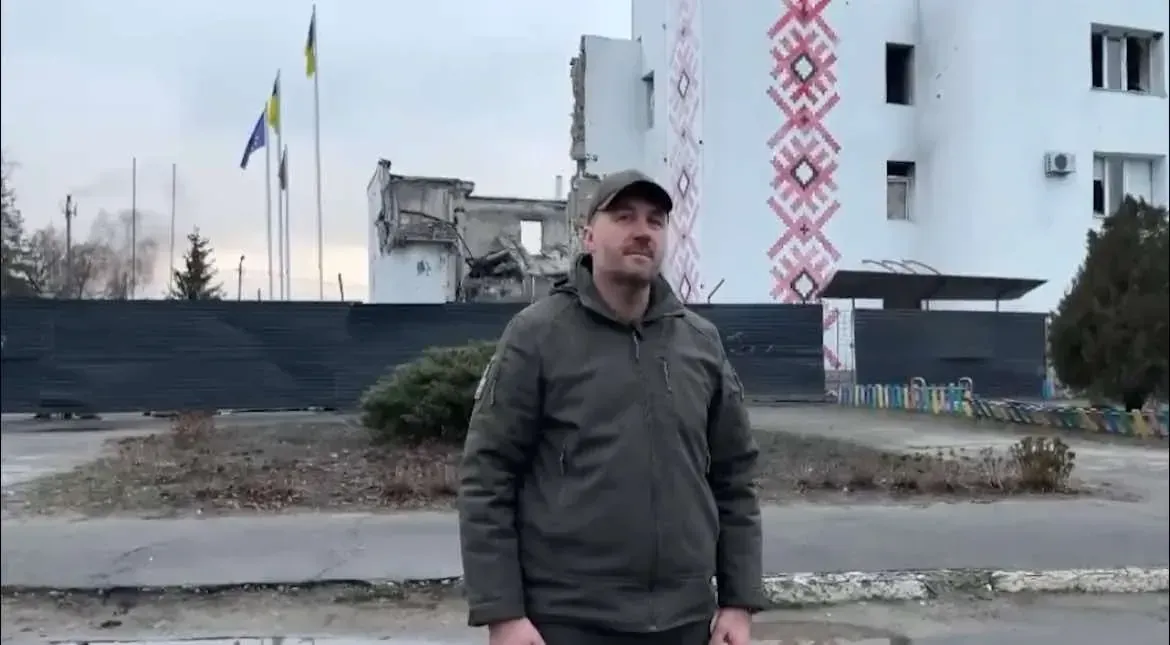
According to him, currently 15 communities are under the jurisdiction of the Kharkiv district, some of which are frontline. Pharmacy points do not operate in all settlements. Therefore, access to medicines there is provided by mobile pharmacies that travel to these settlements.
Usov added that in the letter, the owners of pharmacy chains reported that due to new regulations, the operation of mobile pharmacies may also cease.
"Mobile pharmacies, they are also subsidized, they will not be able to work. This is not about earning money. This is more of a social project aimed at the availability of medicines, at people ordering from their family doctor, where they receive affordable medicines," emphasized the head of the RSA.
Usov separately noted the difficult situation in Slatyne, where there is no Ukrposhta branch, and Nova Poshta operates in a limited mode. People can only get medicines at the local pharmacy, but if it closes, they will have to go to Derhachi, if the pharmacy point there does not cease its operations either.
According to him, the distance to Derhachi is 15 kilometers. However, transport links are problematic: the electric train runs 5 times a day, the rest are only hitchhiking or private transport.
Therefore, it is worth noting that the closure of pharmacies in the frontline communities of Kharkiv Oblast due to the new regulation of the pharmaceutical market can lead to a critical shortage of medicines, especially for the elderly and residents of remote villages. Community leaders are already sounding the alarm and appealing to the Government with a demand to review the resolution, as its consequences can leave thousands of people without access to vital medicines. If the situation does not change, residents of frontline communities will find themselves in a situation that could create additional risks to the life and health of the population.