


From triumph to life under fire: what Kherson has experienced in the four years since its liberation
Kyiv • UNN
Since its liberation on November 11, 2022, Kherson has been living under shelling, losing population, and restoring damaged networks. The left bank of the region remains occupied.

On November 11, 2022, Kherson welcomed Ukrainian troops with flags, flowers, and tears of joy. In Freedom Square, people embraced the defenders and sang the national anthem. Four years later, the city is once again commemorating the day of its liberation, but its everyday life is defined by shelling, drone attacks, evacuations, and the restoration of damaged networks.
Before the full-scale invasion, nearly 300,000 people lived in Kherson. As of November 10, 2026, according to an estimate by the city military administration, about 65,000 remain.
UNN рассказывает, как город прошел путь от триумфа деоккупации к жизни рядом с фронтом и почему возвращение украинского флага не означало завершения испытаний.
November 2022: How Kherson Returned Under the Ukrainian Flag
Russian troops seized Kherson in early March 2022. It became the only regional capital that Russia [text incomplete] after the start of the full-scale invasion. Despite pressure from the occupation administration, residents held pro-Ukrainian rallies, assisted the underground resistance, and passed information to Ukrainian forces. For this, city residents were illegally detained, persecuted, and tortured.
In the autumn of 2022, the Armed Forces of Ukraine launched a counteroffensive in the south. Strikes on bridges, warehouses, and supply routes weakened the Russian grouping on the right bank of the Dnipro. On November 9, the Russian command announced a withdrawal, which was the result of prolonged actions by Ukrainian troops. On November 11, the Defense Forces entered Kherson. City residents took out flags hidden during the occupation and welcomed the defenders in Freedom Square.
The city was left without stable communications, water, or electricity. As they retreated, Russian units blew up sections of the Antonivskyi Bridge and mined a number of facilities. Ukrainian law enforcement officers began stabilization measures and demining. On November 14, Ukrainian President Volodymyr Zelenskyy visited liberated Kherson.
Joy Gave Way to Shelling: Why Liberated Kherson Remained Dangerous
The Russian army withdrew to the left bank of the Dnipro, from where it continued attacking Kherson. In some areas, the distance to enemy positions is small, so residential neighborhoods, riverside districts, and roads came under artillery and mortar fire.
Local authorities regularly report targeted drone attacks on civilian cars, public transport, and people in the streets, as well as remote mining. Anti-drone nets and protective structures have become part of the cityscape, although they cannot fully protect people. In October 2026 alone, according to the city military administration, eight people were killed and another 135 were injured in the Kherson community as a result of Russian attacks, including eight children.
Moreover, on the morning of November 11, Regional Military Administration Head Oleksandr Prokudin reported that over the previous day, Russian troops had attacked 35 settlements in the region. One person was killed and three were injured; houses and a supermarket were damaged.
The City Hundreds of Thousands Have Left: What Happened to Kherson’s Population
According to Kherson City Military Administration Head Yaroslav Shanko, about 65,000 residents remain in the city, compared with nearly 300,000 before the "big war." Families left during the occupation and after the liberation, when the threat of shelling became constant. Evacuations continue, particularly from dangerous riverside areas and settlements in the community.
Everyday Life Under Fire: How Kherson Lives and Works
Despite the critical situation caused by constant missile and drone attacks and enemy artillery shelling, Kherson has not ceased to function. After strikes, utility workers repair water and electricity networks, clear debris, and restore damaged facilities. Medical workers, humanitarian services, pharmacies, and shops remain operational.
At present, one of the city’s main problems is the ability and desire to live an ordinary life, which is hindered by a staffing shortage. For example, approximately one-third of positions at the city water utility remained vacant. Medical facilities lack narrow specialists, so doctors from other regions work on a rotational basis. However, despite the difficult conditions, surgeries continue to be performed in the city, and patients receive the necessary care.
The city’s educational realities have also changed. In the Kherson community, schools operate remotely because of the danger. According to data published in spring 2026, more than 19,000 children were enrolled in Kherson schools, but only about 3,600 were staying in the community. For the children who remained, charitable organizations arrange separate in-person classes in shelters. As of the end of May 2026, 10 educational institutions in the community had been destroyed and another 137 damaged.
Everyday decisions that were previously almost imperceptible for Kherson residents have now become matters of safety and survival: how to get to a hospital, whether it is safe to go outside, where to obtain water, and what to do after yet another damage to the networks. Rescuers, energy workers, municipal employees, volunteers, and entrepreneurs who remained working in the city help maintain ordinary life.
Destroyed infrastructure and an environmental catastrophe: the consequences of the destruction of the Kakhovka Hydroelectric Power Plant for the Kherson region
On June 6, 2023, the destruction of the Kakhovka Hydroelectric Power Plant caused large-scale flooding of territories downstream of the Dnipro River, including parts of Kherson and settlements on both banks. The Ukrainian authorities and Ukrhydroenergo reported that the dam had been blown up by Russian occupying forces. Some residents lost their homes, while others were forced to evacuate.
The water damaged homes, roads, utilities, and commercial facilities. After it receded, polluted areas and additional risks from explosive remnants remained. The destruction of the dam also led to the draining of the Kakhovka Reservoir, changes in the water regime, and significant damage to the ecosystems of the Lower Dnipro. The consequences of the disaster did not disappear as the flooding subsided. Restoring networks, housing, and the natural environment requires prolonged work, complicated by hostilities and the occupation of the left bank.
More than 55,000 offenses: what is the crime situation in liberated Kherson
On November 11, 2026, the Office of the Prosecutor General published the results of investigations: since the beginning of the full-scale invasion, more than 55,000 criminal offenses against peace, the security of humanity, and the foundations of Ukraine’s national security had been registered in the Kherson region. In these categories, 1,999 people were notified of suspicion, and 819 people were convicted.
More than 52,000 offenses concern crimes against peace and the security of humanity, including attacks on civilians, unlawful deprivation of liberty, torture, and cruel treatment. In these proceedings, 350 people were notified of suspicion, and 88 were convicted. More than 3,000 other cases fall into the category of crimes against the foundations of national security, including high treason and collaborationist activities.
According to the prosecutor’s office, since the beginning of the full-scale war, 47 children have been killed and 365 injured in the region. Indictments concerning 84 people in cases involving coercion of children to study according to Russian educational standards were submitted to court. The liberation of Kherson enabled investigators to gain access to places where people had been unlawfully detained and to collect new evidence.
The realities of today: Kherson is liberated, but the left bank remains occupied
Although Kherson has returned under the Ukrainian flag, as of autumn 2026, Russia continues to hold a significant part of the left bank, including Oleshky and Nova Kakhovka.
The situation of people on the left bank also remains difficult. According to an estimate by Oleksandr Prokudin, head of the Regional Military Administration, about 1,300 residents were in Oleshky in November 2026. In another 34 settlements on the left bank, the humanitarian situation is critical, while in 58 it is difficult. The population is suffering from shortages of water, electricity, gas, and food, as well as difficulties in receiving assistance.
At the end of October and beginning of November 2026, with the support of First Lady of the United States Melania Trump , it was possible to organize and carry out a humanitarian mission in Oleshky, for which a "ceasefire regime" was even declared for a certain period.
In any case, as a large number of Ukrainian experts note, Kherson’s future security is closely linked to the situation on the opposite bank of the Dnipro, which will continue to affect Kherson residents.
The fourth anniversary of the liberation: how Kherson remembers November 11, 2022
On November 11, 2026, government officials, military personnel, rescuers, and police officers laid flowers at the memorial in Lilac Park. In March 2022, an unequal battle between the city's defenders and Russian military personnel took place there. Today, this site serves as a reminder of those who died during the defense of Kherson.
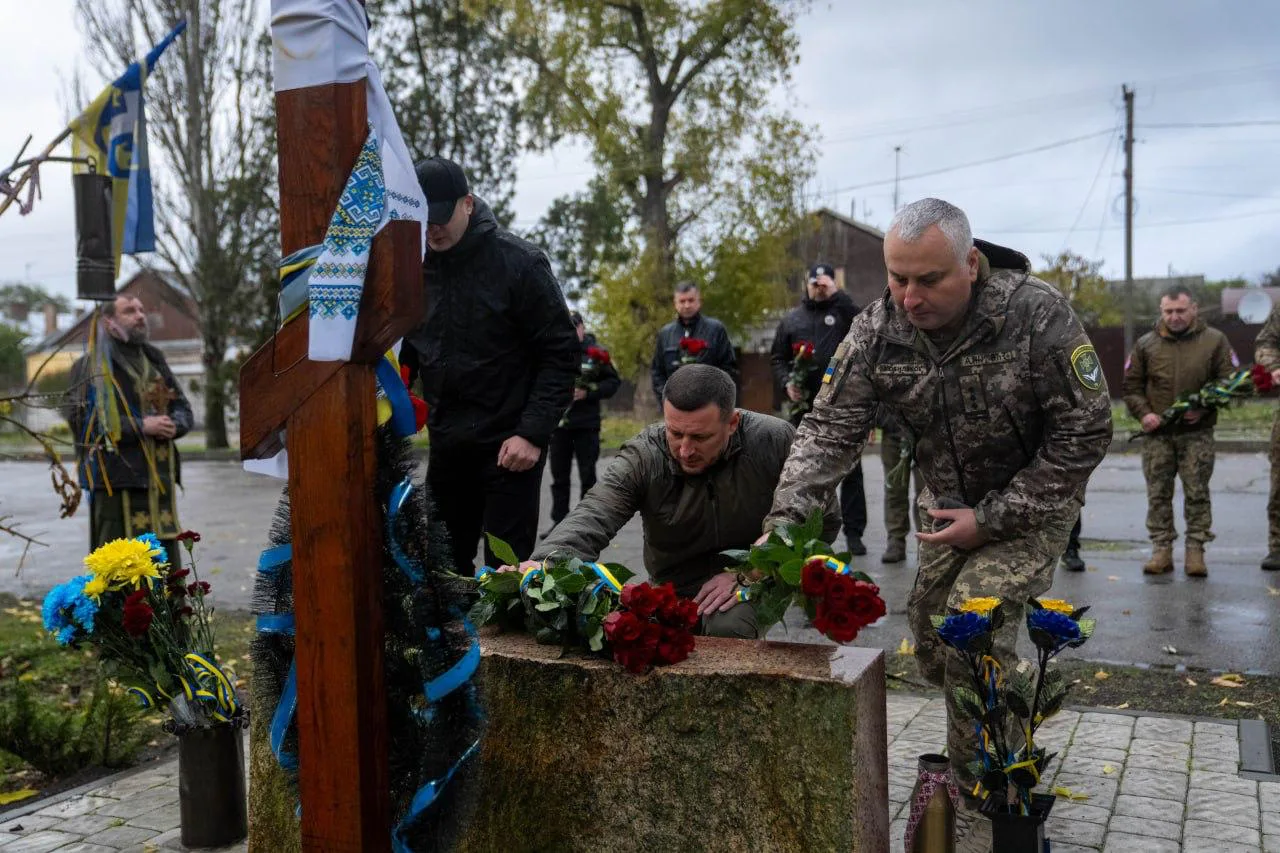
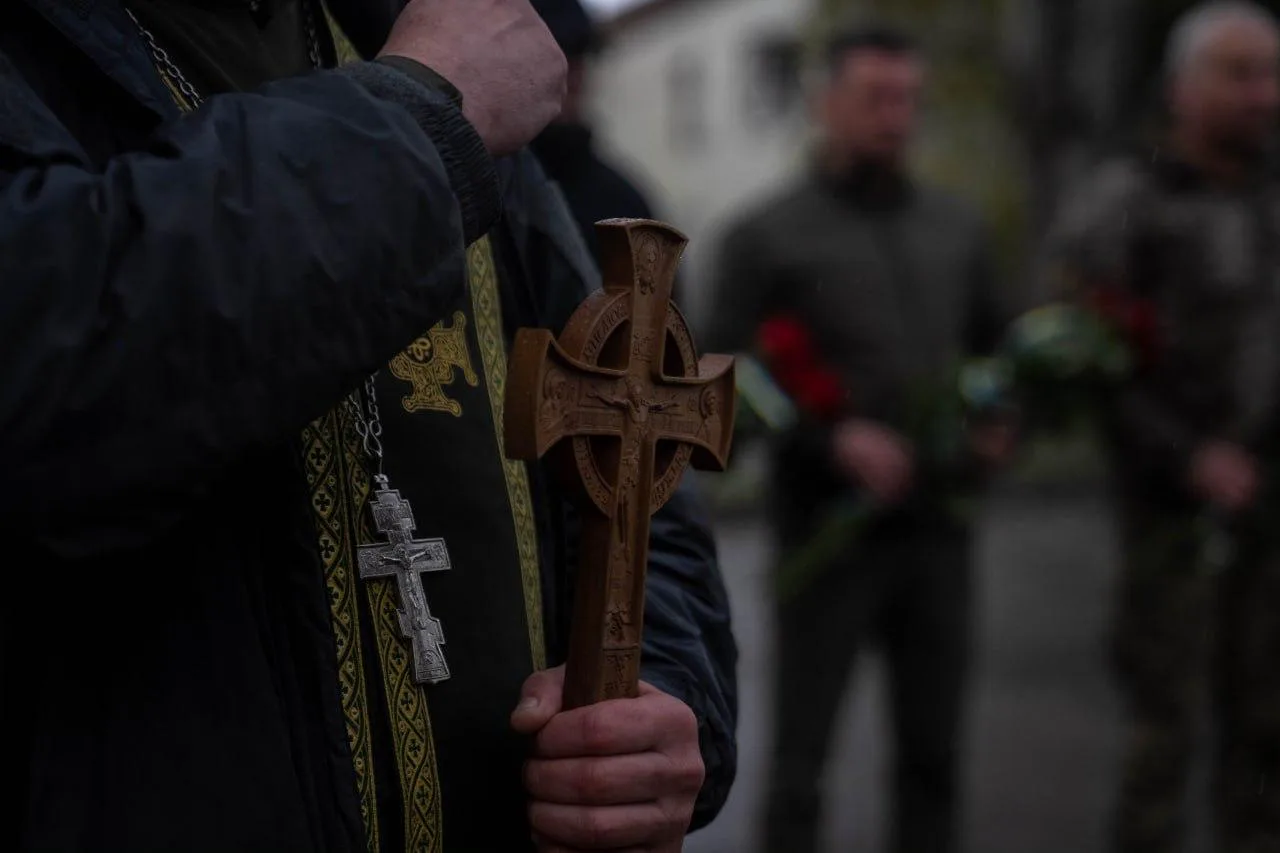
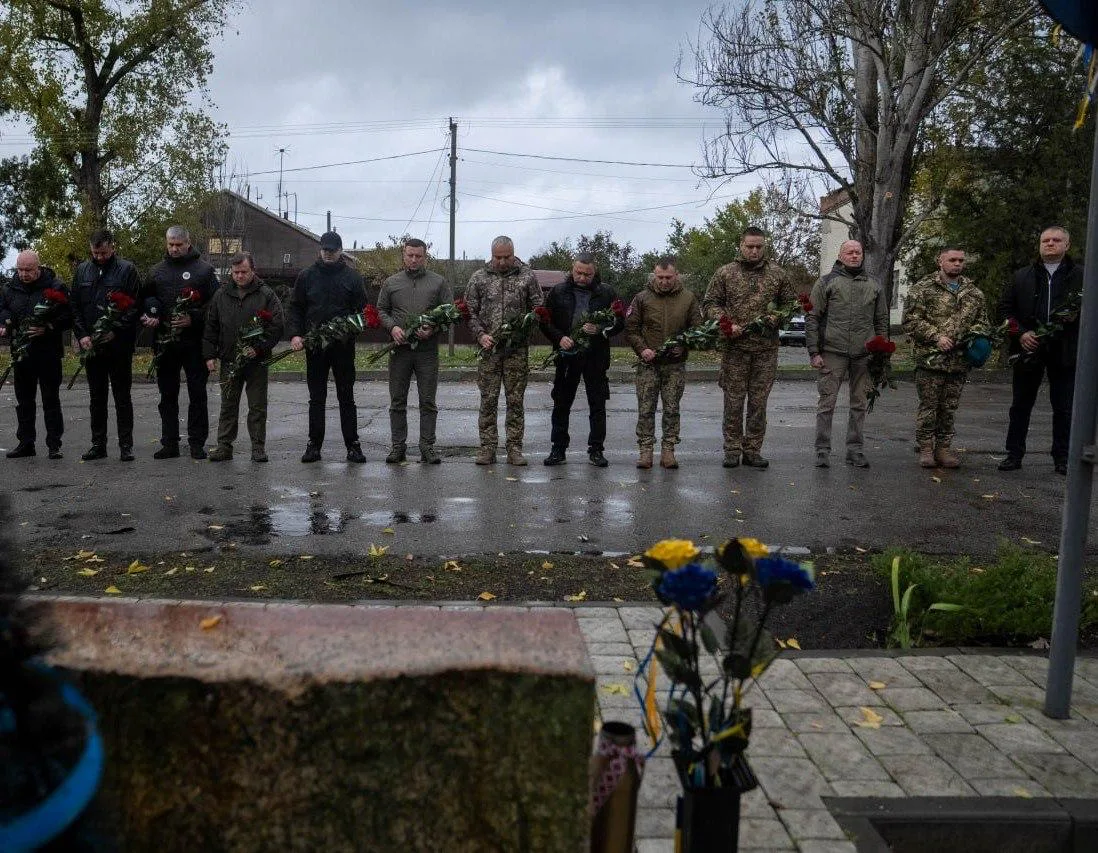
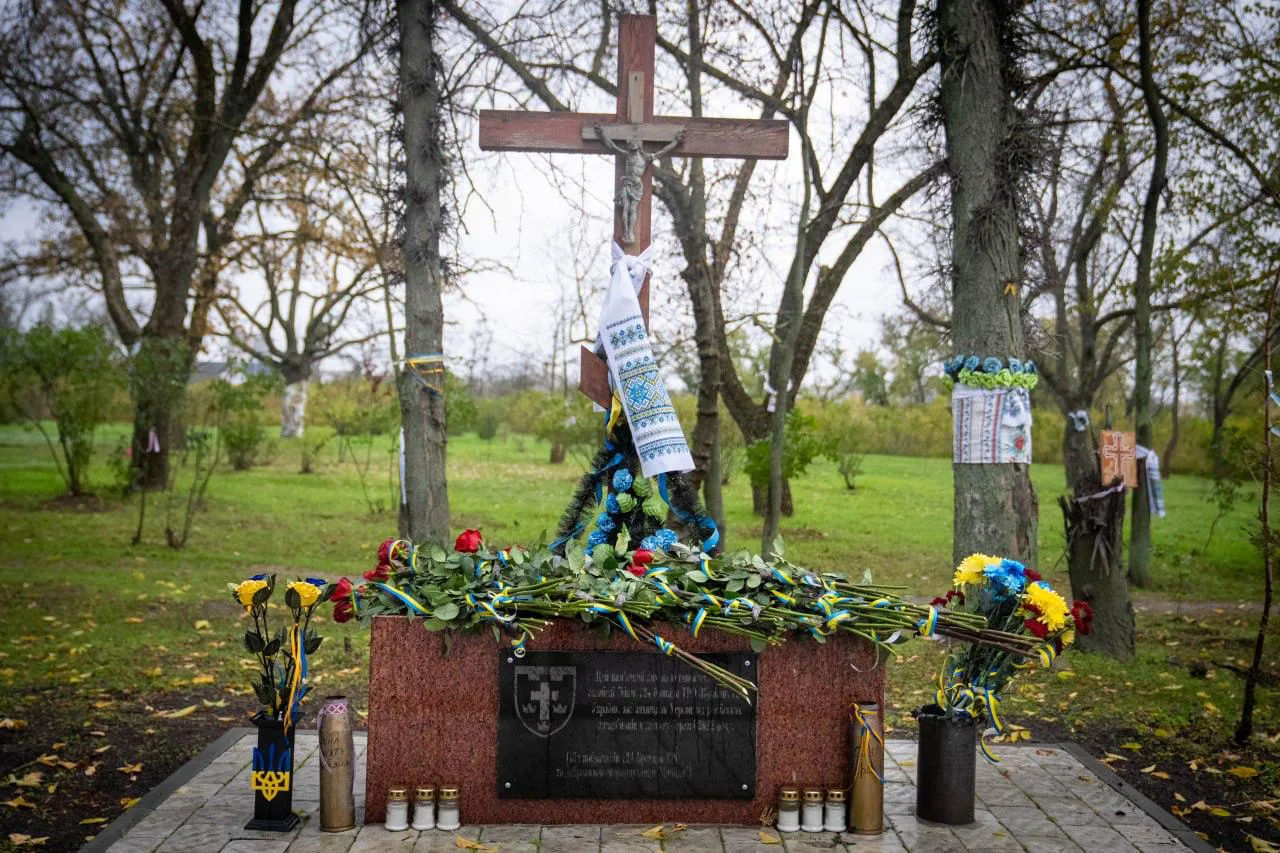
The head of the city military administration, Yaroslav Shanko, thanked the Defense Forces in his address.
I am grateful to the Armed Forces, which restored freedom to Kherson and its residents
Shanko also honored the fallen and expressed hope for the liberation of other occupied settlements in the region.
Four years ago, Freedom Square was filled with people celebrating the return of the Ukrainian flag. Now, the anniversary combines gratitude to the defenders with remembrance of the fallen and an understanding of the enormous price that had to be paid for the liberation of Kherson.