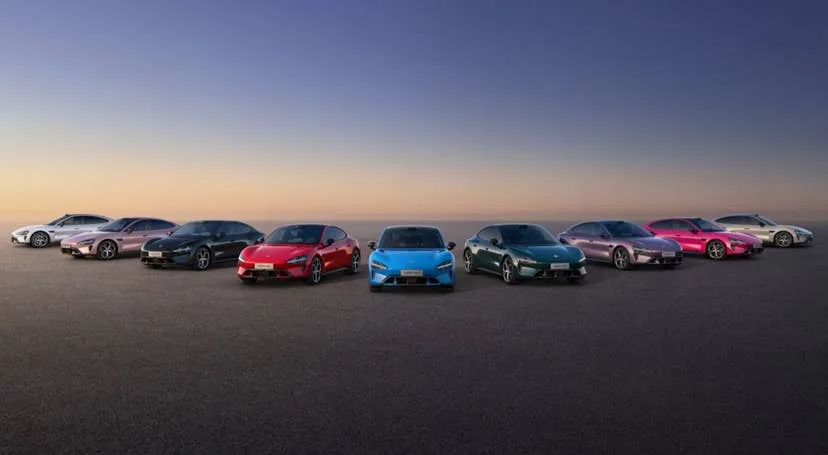
Xiaomi loses $5,600 on every electric vehicle despite record sales
Kyiv • UNN
In the first quarter of 2024, Xiaomi lost $5,600 on every car. Despite the losses, the company sold over 80,000 units of transport.

Xiaomi electric vehicle sales are skyrocketing, but the company lost $5,600 on every car sold in the first quarter of 2026, Autoblog reports, according to UNN.
Details
The electric car from Xiaomi, a brand better known for producing affordable yet feature-rich phones and gadgets, has proven to be quite popular; the company recently sold over 15,000 units in just half an hour for the second generation of its model. At first glance, the consumer electronics giant turned automaker is on the rise. However, the publication notes, "behind the viral delivery figures and overcrowded showrooms lies a massive problem in the company's financial statements."
According to a report by CarNewsChina, Xiaomi Group's financial results for the first quarter of 2026 show that the smart electric vehicle and AI innovation division generated revenue of 19.9 billion yuan ($2.9 billion). However, this was overshadowed by an operating loss of 3.1 billion yuan ($457 million). When evaluating the 80,856 cars sold during the quarter, the result looks sobering, the publication writes. Xiaomi lost approximately $5,600 on every car sold in the first three months of the year, a massive jump compared to the $900 per car the company lost during the same period last year.
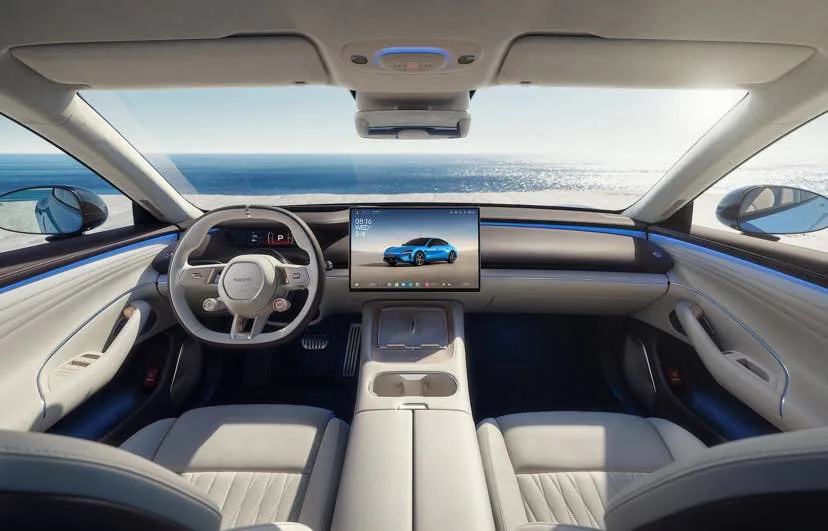
While selling cars below cost is a hallmark of Chinese sales strategies due to the price war for attention and loyalty in the Chinese market, Xiaomi's sales volumes remain incredibly high. The company achieved a 6.6% year-on-year growth in deliveries, despite the discontinuation of the first generation SU7 series. This success is largely driven by the new YU7 series, which reached the milestone of 232,000 units delivered in the 10 months since its market launch. April sales also rose by 71.2% compared to the previous month, reaching 36,702 units.
Profitability issues are linked to a sharp decline in margins. Gross margin in the smart EV segment fell to 20.1% from 23.2% last year. Xiaomi attributed this decline to tax subsidies for car purchases, a smaller share of deliveries for the higher-margin SU7 Ultra model, and rising costs for core components. At the same time, expansion costs are rising sharply. Xiaomi is actively expanding its retail network to 490 stores in 143 cities across mainland China to meet consumer demand.
Xiaomi, the publication notes, treats the automotive industry like the tech sector, subsidizing hardware at a loss today to capture a dominant market share tomorrow. The base version of the YU7 starts at an aggressive price of 233,500 yuan ($34,300), which is directly below Western benchmarks. Xiaomi has enough funds to cushion these losses for now, but this brutal war of attrition means that victories in sales volumes must eventually translate into real profit, the publication points out.
Xiaomi plans to deliver 550,000 electric vehicles in 202603.01.26, 23:22 • 3293 views