










Wildfire smoke claims over 24,000 lives in the US annually: new study
Kyiv • UNN
A study found that wildfire smoke causes 24,100 premature deaths in the US annually. Chronic inhalation of PM2.5 particles triggers respiratory, cardiovascular, and neurological diseases.

Chronic inhalation of fine particulate matter (PM2.5) contained in wildfire smoke has caused tens of thousands of premature deaths in the United States. According to a large-scale study published on Wednesday, February 4, in the journal Science Advances, the average number of victims of pollution from fires is 24,100 people per year. This is reported by UNN.
Details
Scientists from the Icahn School of Medicine at Mount Sinai analyzed data from 2006 to 2020 in 48 states. They found that prolonged exposure to microscopic PM2.5 particles, which can penetrate deep into the lungs and blood, provokes the development of not only respiratory, but also cardiovascular and neurological diseases. It was nervous system pathologies that showed the most rapid increase in mortality with constant contact with smoke.
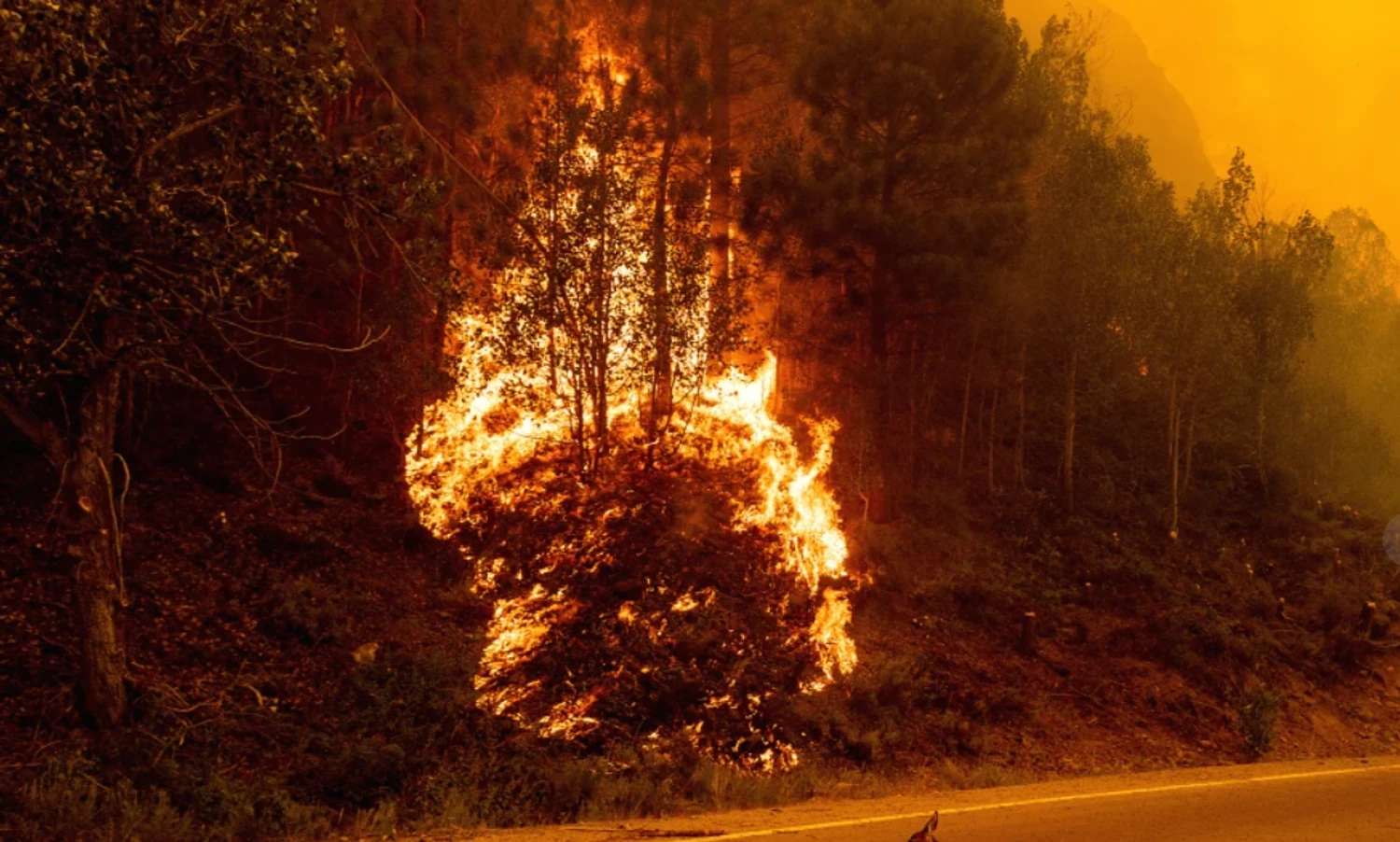
Wildfire smoke is extremely dangerous and is becoming an increasing health threat due to climate change
Although short-term smoke inhalation causes coughing and eye irritation, the cumulative effect over years leads to irreversible consequences for the body, especially in regions where fires become more intense each season.
Climatic factors and urbanization
Researchers emphasize that the increase in mortality is due not only to global warming, but also to the expansion of development in fire-prone areas. The increase in the so-called "wildland-urban interface" leads to more and more people living in close proximity to sources of toxic smoke.
Professor Michael Jerrett of the University of California, commenting on the results, noted that these figures reflect real human lives, not abstract statistical concepts. According to him, the combination of decades of ineffective forest management and deteriorating air quality requires the US government to immediately review environmental safety standards and strengthen protection for vulnerable populations.