










Sesame seeds: health benefits and how to consume them correctly
Kyiv • UNN
Sesame is a source of calcium, magnesium, and phosphorus, and sprouting it increases the calcium content to 1500 mg per 100 grams. However, sesame can be a strong allergen and is not recommended for varicose veins, blood clots, pregnancy, low blood pressure, and kidney diseases.

Sesame is not just an oriental addition to dishes; it is a source of calcium, magnesium, and phosphorus. It is very beneficial if consumed correctly, specifically: raw, thermally unprocessed. However, its beneficial properties depend on the method of consumption, writes UNN.
Details
Sesame seeds consist of monounsaturated fats, which help lower cholesterol. If sesame is roasted, the protein will be absorbed better, and the roasted seeds will produce protein. Antioxidants in sesame lower blood pressure, and its magnesium content is beneficial for the heart.
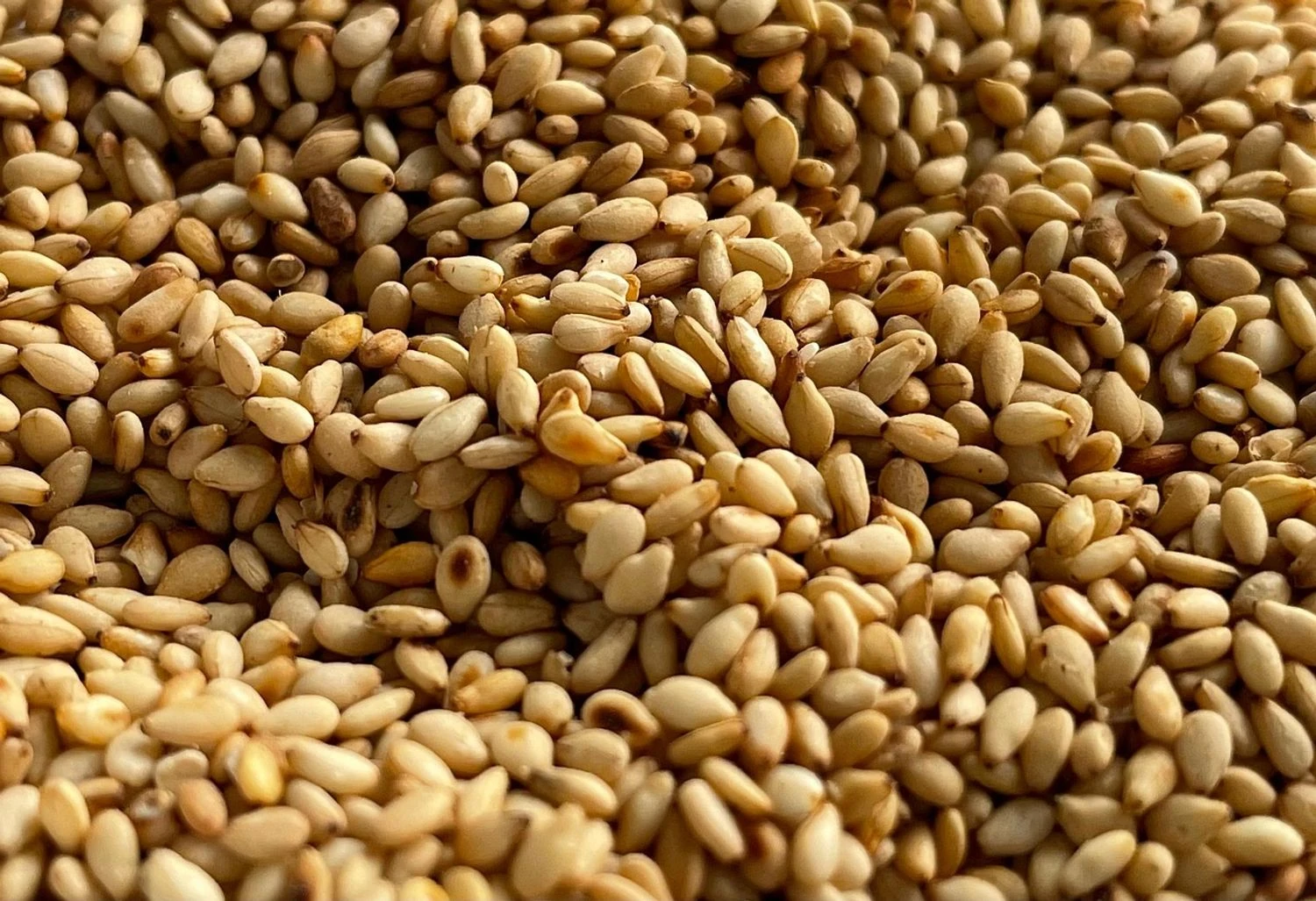
The greatest benefit is calcium
However, calcium is what sesame is most famous for. Regular raw sesame contains 975 mg of calcium per 100 grams, but this figure can be increased to as much as 1500 mg simply by sprouting it. And enzymes will promote better absorption of calcium in the body.
Eggplants for Winter: 5 Appetizing Recipes for True Gourmets03.11.25, 14:26 • 8511 views
So, sprouting sesame takes 1-3 days. To do this, choose a container with a flat bottom, place the washed seeds in a single layer, cover them with a thin gauze, and pour warm water over them so that all the seeds are submerged in the liquid. Place the container in a warm and dark place and wait. The ready sprouts should be rinsed with water, and that's it, they are ready for consumption. Note that the daily norm of this product is 50-100 g; it can be consumed plain or in dishes. Such sesame strengthens bones, nails, restores tooth enamel, and is useful for arthritis and osteochondrosis.
Who should be careful with sesame consumption
It should be noted that despite its beneficial properties, sesame is a strong allergen, especially for children. Another negative aspect is that sesame consumption promotes blood clotting, so it is not recommended for use with varicose veins and blood clots. Pregnant women, people with low blood pressure, and kidney diseases should also be careful when consuming sesame.
Balanced nutrition plate: what a balanced diet looks like14.11.25, 14:13 • 63911 views