










How to distinguish natural red caviar from counterfeit - simple verification methods
Kyiv • UNN
Red caviar can be natural or artificial; imitation is often made from gelatin and fish oil. You can check the quality at home with boiling water or iodine.

Red caviar remains one of the most popular delicacies, especially on the eve of holidays. At the same time, on store shelves, alongside the natural product, artificial caviar is sold. UNN explains how to distinguish real red caviar from artificial caviar and what simple methods can help check its quality at home.
How to check if red caviar is real and by what signs to determine a quality product
First of all, not all artificial caviar is a deception. If the manufacturer honestly states on the packaging that the caviar is imitation - everything is fine. Such a product is safe for consumption, budget-friendly, and is often used in cooking for decorating dishes.
Imitation caviar, depending on the manufacturing technology, can be divided into two types: granulated and encapsulated.
The first is made based on gelatin or agar-agar and fish oil, essentially it is homogeneous gelatin balls. The production technology of encapsulated caviar is more complex and allows creating eggs as close as possible to real ones, imitating the shell and even the embryo inside, however, the filling of such capsules is still the same fish oil with flavorings, food additives, and aromatics.
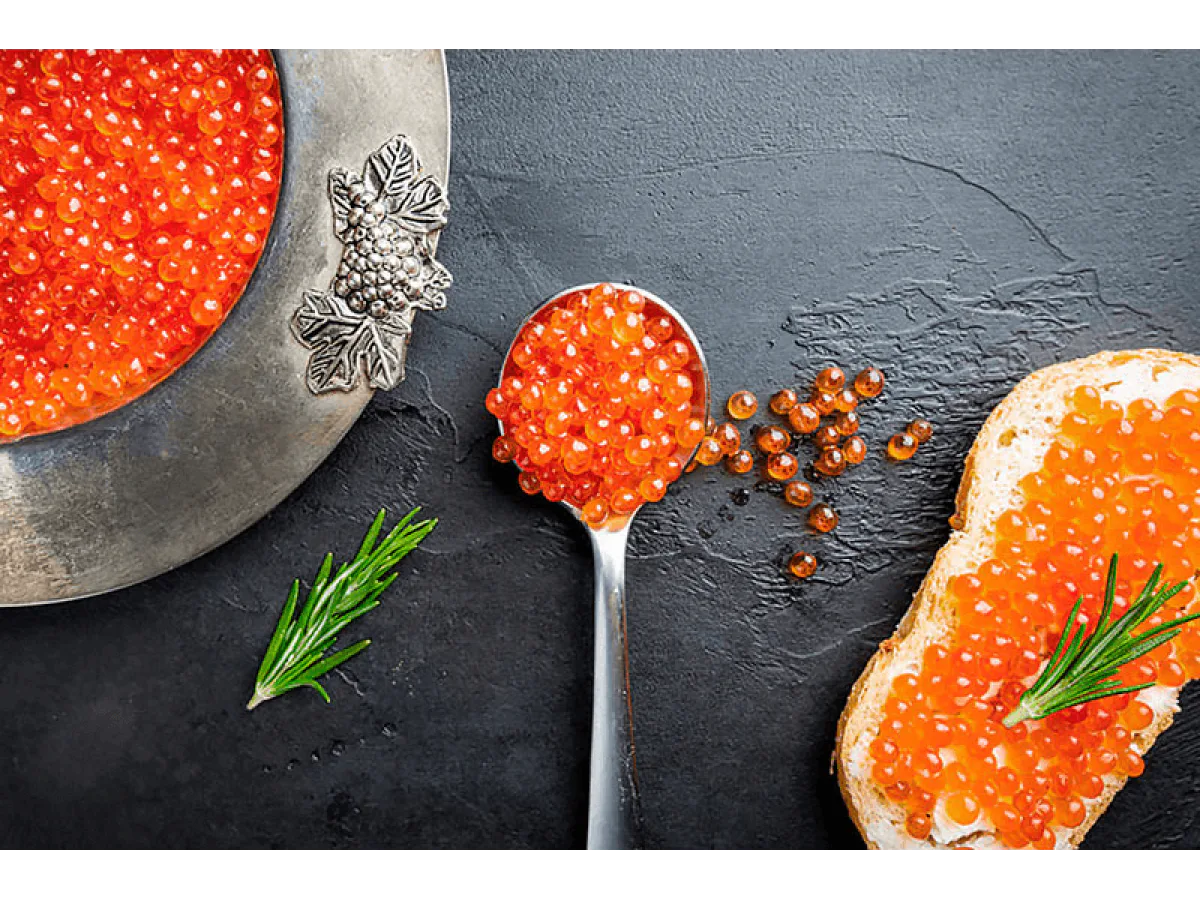
First of all, you should look at the composition of the product. Real caviar may contain a small amount of E200 and E211 (preservatives), E422 (food glycerin to prevent the eggs from sticking together), a little salt (no more than 4-6%), and second-grade caviar may also contain oil. But gelatin, fish oil, soy additives, alginates (extracts of seaweed), hydrogenated oil, flavorings, dyes - all these are components of artificially made caviar.
Balanced nutrition plate: what a balanced diet looks like14.11.25, 14:13 • 63909 views
Compare prices. When choosing caviar, for example, online, compare how much similar products cost from other sellers and manufacturers. And if the price of the caviar you first set your eyes on seems suspiciously low, you should be wary.
Pay attention to the smell. Imitation caviar often has a sharp, distinctly fishy smell, while real caviar smells more delicate and pleasant. However, manufacturers of modern encapsulated caviar have learned to imitate the aroma of the real product quite well.
Granulated caviar can be distinguished by its appearance: it is perfect, even too perfect, and its walls are hard. In real eggs, you can see the shell, the liquid filling, and even the embryo, which resembles a small bubble in the center of the egg. However, manufacturers of encapsulated artificial caviar have learned to copy that as well.
What products should be bought in summer10.07.26, 16:30 • 177159 views
Methods for checking red caviar at home
At home, you can check caviar, for example, using boiling water. For this method, you will only need boiling water, a bowl, and the caviar itself. Take a few eggs, pour boiling water over them, and stir with a spoon. The trick is that real caviar contains natural protein, which tends to coagulate under the influence of temperature. Therefore, such caviar will become hard, as if it shrinks and lightens. Meanwhile, imitation caviar will simply dissolve in the water before your eyes.
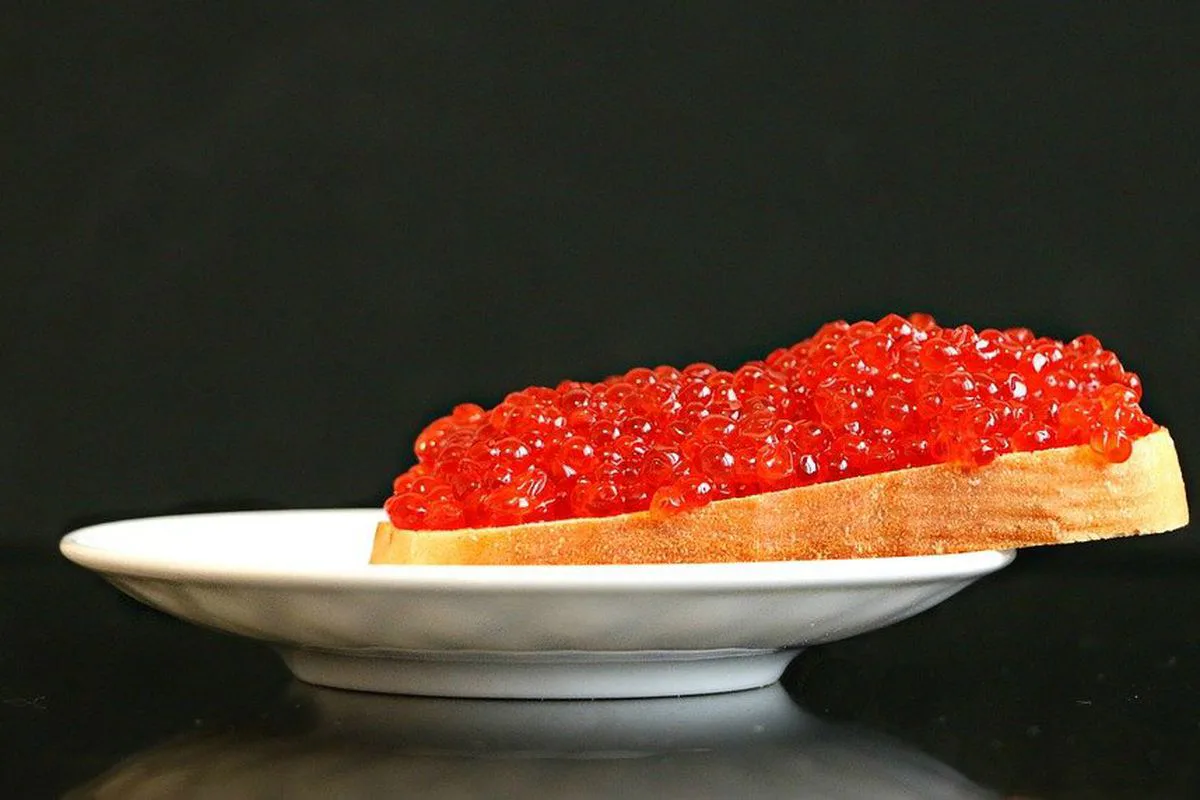
You can also check caviar with iodine. Apply a drop of iodine to an egg. Natural caviar will not change color. If the product is counterfeit, it may acquire a dark blue tint because the starch contained in the counterfeit reacts with iodine.