









Nvidia announced RTX Spark as the "most efficient PC chip"
Kyiv • UNN
Nvidia announced RTX Spark — its first full-fledged Arm-based PC chip. The new product features 20 CPU cores and up to 128 GB of unified memory.

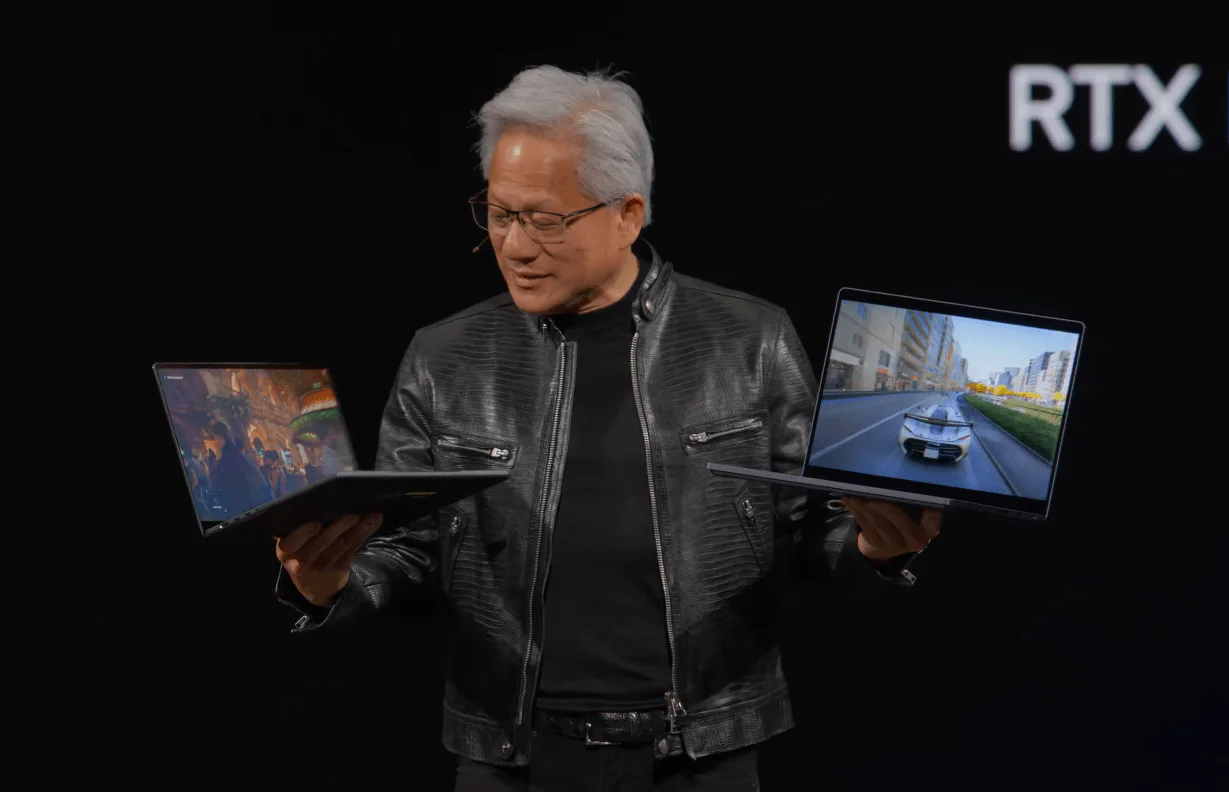
Nvidia will officially become a home PC chip manufacturer this fall, joining the ranks of Intel, AMD, Apple, and Qualcomm, by placing a full-fledged computing chip – not just a graphics one – at the heart of laptops and mini-PCs, The Verge reports, according to UNN.
Details
After many months of leaks, the company announced the RTX Spark, the first chip in the family, which the company claims can match or exceed the most powerful thin and light Windows-based computers.
"It is the most efficient PC chip ever created," noted Nvidia's Senior Director of Product Management Marc Evermann, without providing any statistics or charts to support his words.
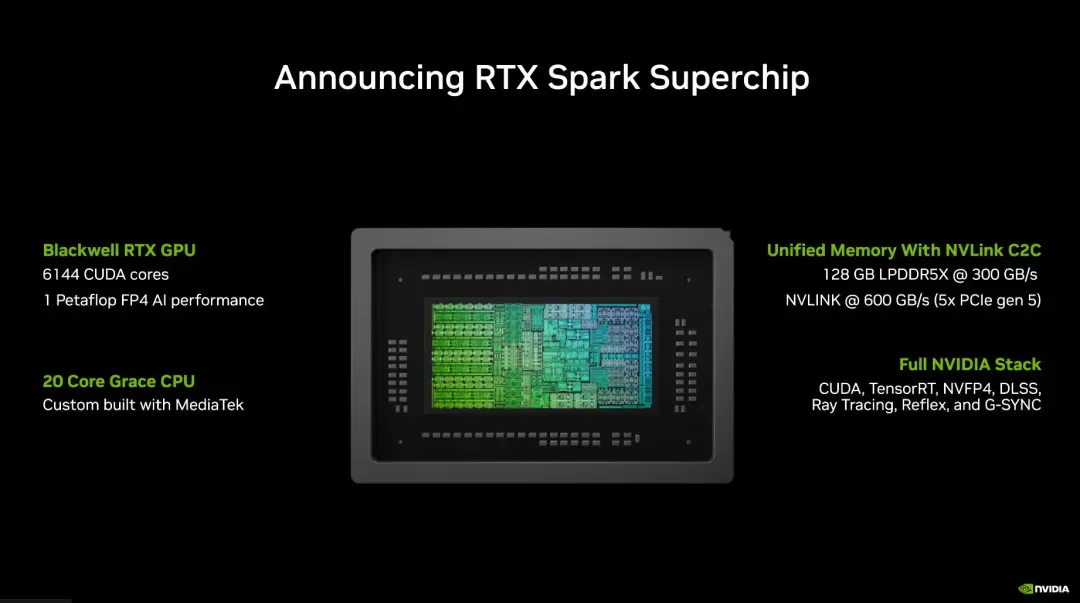
In essence, the RTX Spark is the same GB10 chip found in the DGX Spark, the tiny "personal AI supercomputer" released by Nvidia last year, only now it is a family of chips rather than a single one. The flagship version appears to be identical in specifications: 20 CPU cores, 6144 GPU cores, and 128 GB of LPDDR5X memory.
But Nvidia states that simpler versions aimed at lower price points, with as little as 16 GB of RAM, will appear later.
Like Apple and Qualcomm chips, this Nvidia chip is based on the Arm architecture, which means that legacy Windows software built for Intel and AMD x86 processors must run through an emulation layer. This could mean a decrease in performance. However, Microsoft has spent years preparing Windows and its Prism emulator for Qualcomm chips, and now for Nvidia, and Nvidia claims that its own graphics and AI technologies will push this idea further than ever before.
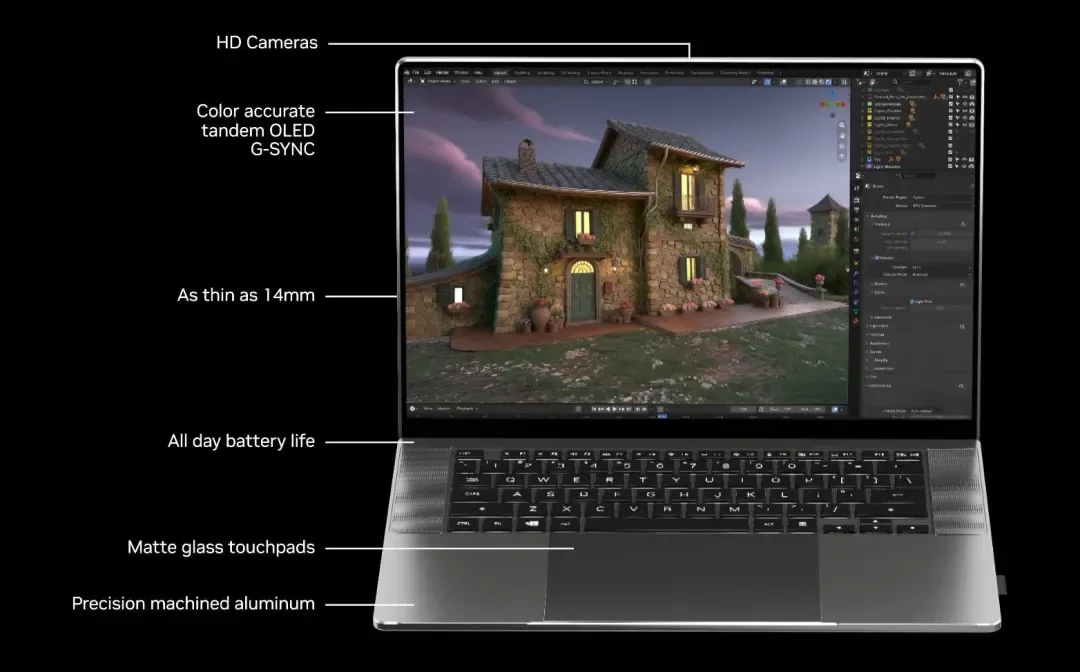
Nvidia claims that thanks to the power of the RTX Spark, you can render a 90 GB 3D scene, edit 12K resolution video, or play the graphically demanding game "Indiana Jones and the Great Circle" at a smooth 100 frames per second at 1440p resolution while on battery power.
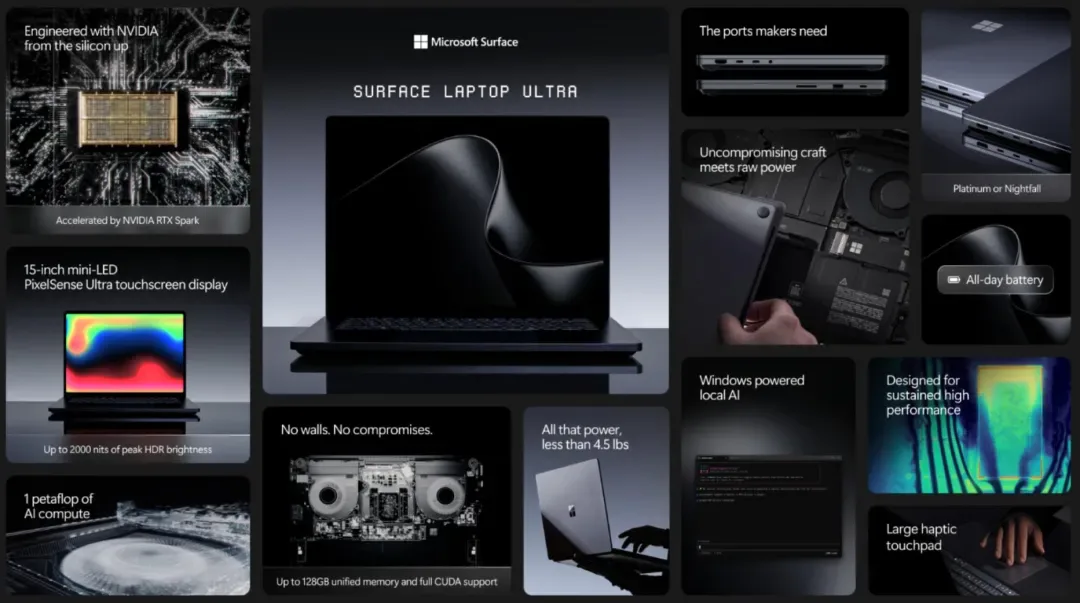
And thanks to unified memory of up to 128 GB, similar to that used in previous-generation AMD Strix Halo processors, an RTX Spark laptop or desktop can also host AI agents with 120 billion parameters, which apparently greatly pleases Microsoft in the context of Windows. At the Microsoft Build conference this week, the company will demonstrate "new Windows security and isolation primitives" which, alongside the Nvidia OpenShell runtime, "allow personal agents to operate securely and under full user control."
Nvidia claims this creates a "new paradigm of personal computing where AI is the user experience," and "users no longer need to master complex application interfaces" because you will simply talk to your PC instead of using a mouse and keyboard.
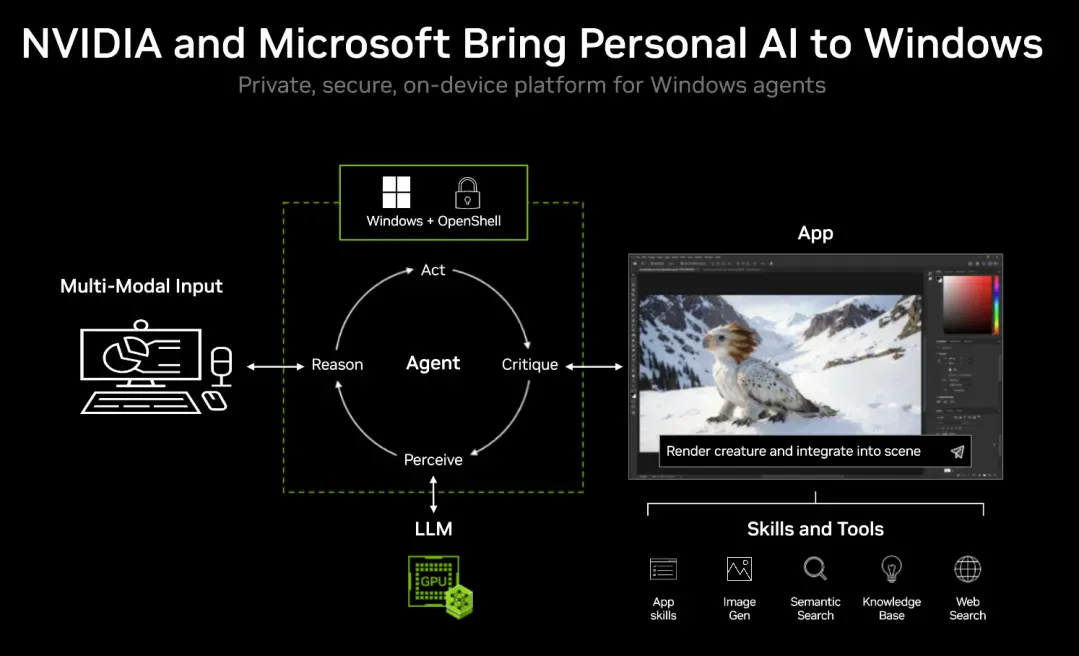
Nvidia suggested, for example, that an esports streamer could set up their PC to automatically turn off the lights, mute the microphone, and change the broadcast mode when they want to step away for dinner. A designer could use Adobe to automatically transform a sketch into a full image, render a 3D model, and then create an AI video simply by asking for it. A software developer could automatically track their project on GitHub and autonomously fix quality control bugs, with the AI agent taking control of the laptop's keyboard and mouse cursor to perform "repetitive and tedious" tasks.
Nvidia claims that thanks to the local AI capabilities of the RTX Spark, your data remains private, and you won't have to spend tokens to perform AI actions," the publication says.
As noted, virtually all major laptop manufacturers have already confirmed the release of eight specific models this fall: Asus ProArt P14 and P16, Dell XPS 16, HP OmniBook X14 and Ultra 16, Lenovo Yoga Pro 9N, Microsoft Surface Laptop Ultra, and MSI Prestige N16 Flip AI.
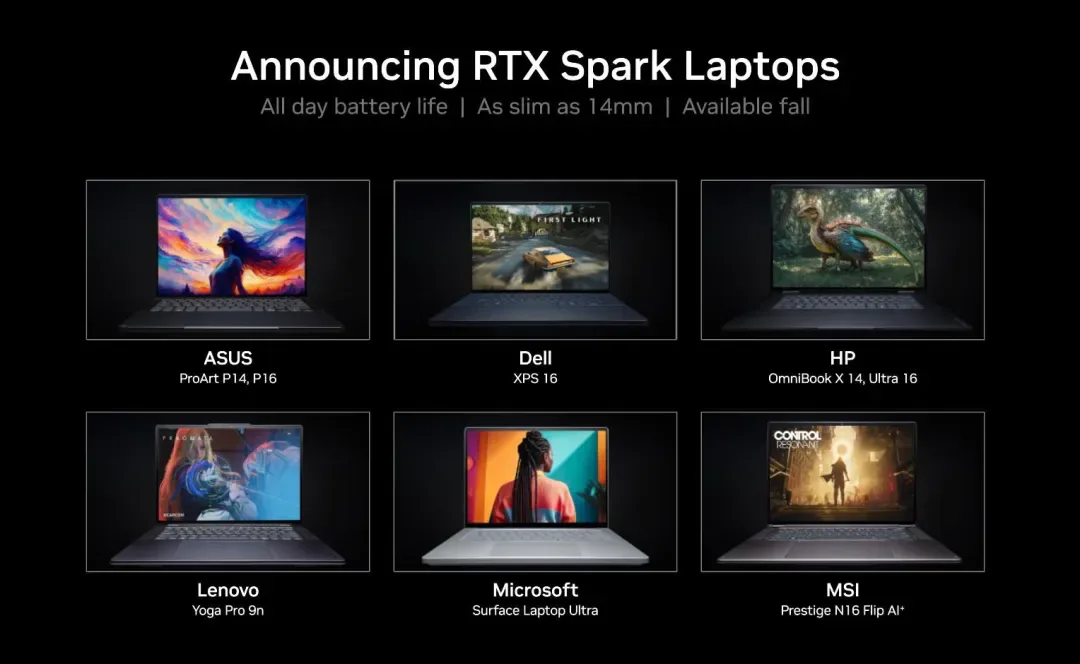
One of them is from Microsoft, which is installing the Nvidia RTX Spark in a new laptop that Surface head Andrew Hill says is the "most powerful device we've ever created." It is called the Surface Laptop Ultra.
As the publication points out, this is clearly just the beginning. Evermann says Nvidia partners are already working on more than 30 laptops and more than 10 desktop computers, with Acer, Asus, Dell, Gigabyte, HP, MSI, and Lenovo participating in the development of the latter.
And despite the "competing efforts" of Microsoft and Nvidia, many Windows developers are also supporting Arm.
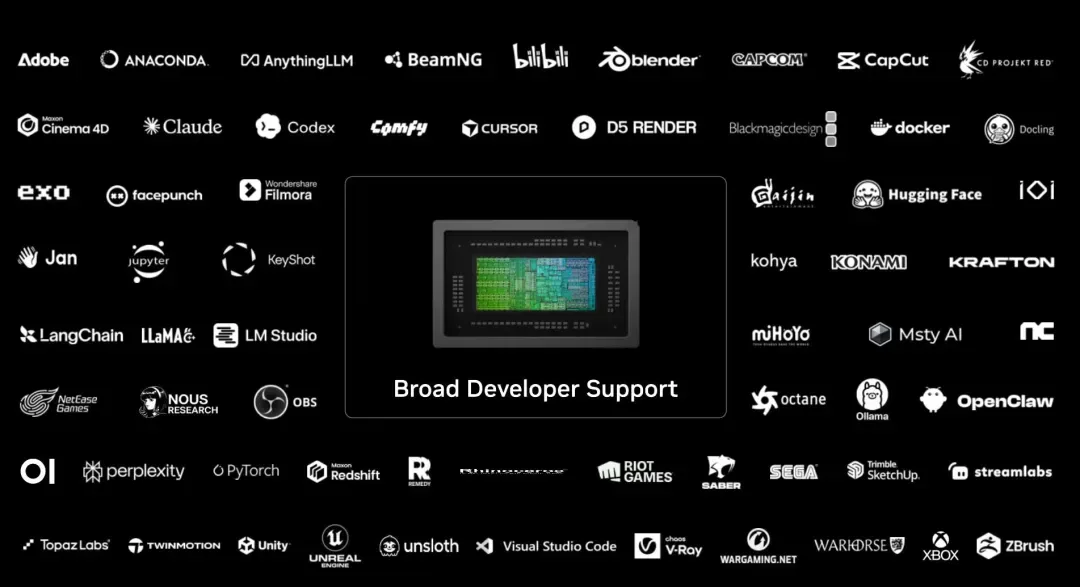
The company notes that "Blender, DaVinci Resolve, Maxon Cinema4D, Maxon Redshift, Topaz Photo, CapCut, Cubase, Bitwig Studio, Affinity by Canva, and others – all of them run on Arm today, as do the audio, video, MIDI, and control peripherals they require."
Adobe also supports this platform, offering special optimizations for Premiere and Photoshop that take advantage of the new Nvidia chip.
Even games with anti-cheat systems that previously ignored Linux and Steam Deck now support Windows on Arm. Microsoft reports that Riot Games is releasing League of Legends and Valorant for Windows on Arm. Krafton is releasing PUBG, and Nvidia claims to be working with developers using Easy Anti-Cheat, BattlEye, and Denuvo. Epic Games' Fortnite already launched on Windows on Arm last November after an announcement in March.
Evermann says that "all the best games will run on RTX Spark and provide an excellent gaming experience."
However, the publication writes, many open questions remain. Neither Nvidia nor Microsoft has given a clear idea of the cost of these computers, except that the first batch this fall is "targeted at the more premium price segment of the market."
AMD announced two gamer-oriented chips for less than $35001.06.26, 13:11 • 3167 views