









How Overtraining Affects Our Brains
Kyiv • UNN
Excessive physical activity negatively affects cognitive functions and the ability to make decisions, while regular moderate-intensity exercise improves memory and thinking.

According to the US Centers for Disease Control and Prevention, two and a half hours of moderate-intensity exercise or 75 minutes of high-intensity exercise performed weekly can improve memory, protect against cognitive decline, and increase learning ability. But do excessive physical activities have the same effect on the human brain? UNN investigated this.
Physical exercises stimulate physiological changes in the body, such as stimulating the production of growth factors - chemical substances that affect the growth of new blood vessels in the brain and even the number, survival and overall health of new brain cells.
Many studies have shown that the parts of the brain that control thinking and memory are larger in volume in people who exercise than in people who do not. Exercise can also indirectly improve memory and thinking by improving mood and sleep, as well as reducing stress and anxiety.
More does not mean better
But regular excessive training does not contribute to the improvement of cognitive functions. Scientists have concluded that serious physical exertion negatively affects cognitive control, which jeopardizes the capabilities of our brain. But it is impossible to predict in advance how strong the impact will be.
In 2019, a study was conducted with the participation of 37 male athletes under the age of 35. Some of the participants were allowed to engage in regular training, while for others, the training was increased by 40%. The experiment lasted 3 weeks. All participants underwent MRI to check their cognitive abilities. After that, the scientists concluded that increasing physical exercises affects the brain's ability to think and understand, and also reduces the ability to make decisions. The results of this study were published in the journal Current Biology. The article points to a decrease in brain activity observed in the lateral prefrontal cortex - an area of the brain that plays a role in decision-making and cognitive control. The scientists also noted a decrease in motivation in the participants of the study, whose physical load was increased.
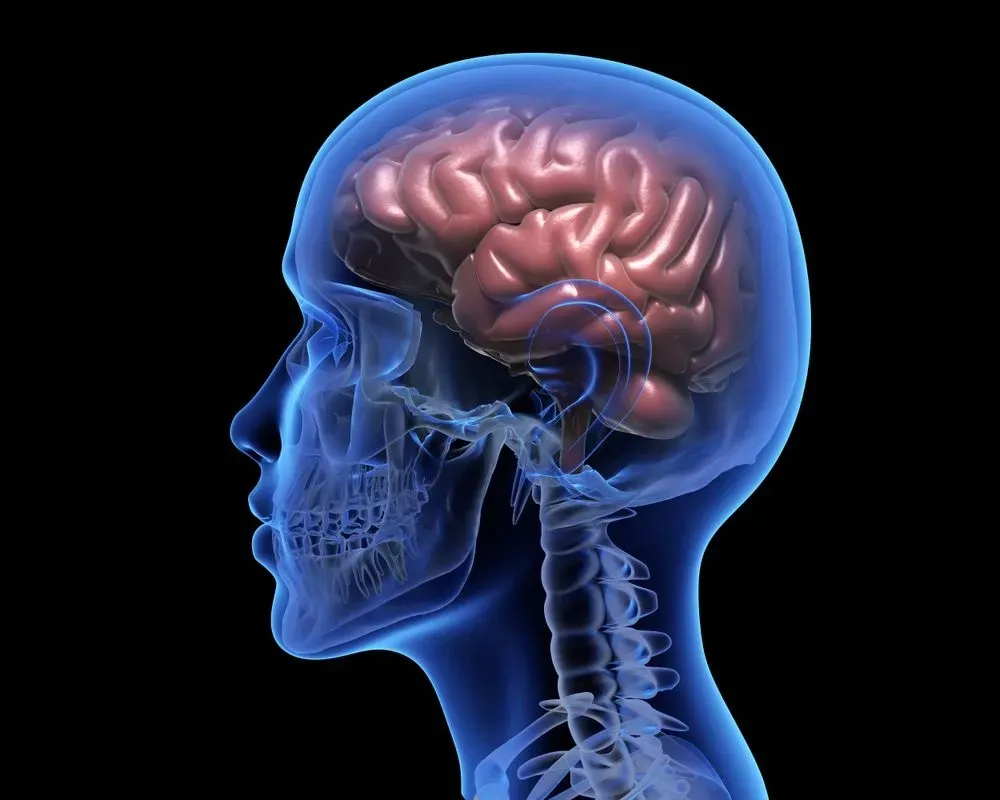
Similar results were obtained in a systematic review in 2023, published in the journal Sports Medicine - Open. During the preparation of the review, analysts studied the results of seven different studies related to overtraining of athletes and cognitive functions. Although the studies used many different methods of data collection, one method, namely the Stroop verbal-color test, was common to all. The results of the test showed that athletes who were diagnosed with functional overstrain (increased activity of one or another organ or system of organs), a short-term decrease in sports results caused by an increase in the intensity of training, - demonstrated a slowed performance of cognitive tasks, compared to other participants in the experiments. Participants with overtraining needed more time to read the name of the color, as well as the name of the color in which the word was written (for example, the adjective "blue" was written in red). In their conclusions, the authors of the review emphasized that overtraining can pose a threat to the health of athletes if they are not given proper time to recover.
What intensity of exercise is good for the brain?
Researchers are inclined to strive for at least regular loads of moderate intensity - for example, brisk walking - for 150 minutes per week. Start with a few minutes a day and increase that amount by five or 10 minutes each week until you reach your goal. Most experts note that aerobic exercise is better for the brain. But even if you prefer other types of exercise or are no longer a beginner in sports, it is important to remember that overtraining is not something you should strive for.

It should also be remembered that the real benefit, not only for the body in general, but also for the brain, appears when we train regularly. For example, a study, the results of which were published in the journal Nature human behavior , showed that people who train several times a week, on average, have higher results in cognitive tests than people who lead a sedentary lifestyle. Another study showed that a person's cognitive abilities tend to improve after participating in a new aerobic exercise program for several months.
Scientists do not guarantee that physical exercises will have the same positive effect on the brain of each of us. But they note a general positive trend, if only because sports improve mood, reduce stress and depressive manifestations.