









Houses of the future: scientists have created a living building material from fungi
Kyiv • UNN
A university team from Montana has grown a material from mycelium, which acts as a framework for self-healing. The construction of "mushroom houses" may become possible in 5-10 years.

Living in a house built of mushrooms and bacteria seems like a plot from a science fiction film. However, new research suggests that scientists are one step closer to making this a reality and say that building "mushroom houses" may be possible in five to ten years.
This is reported by UNN with a link to CNN.
Details
A university team from Montana has grown dense, porous structures from mycelium - a fungal material that forms an underground network similar to a root system. This mycelium acts as a framework for creating a living, self-healing building material.
Why this is important
Despite the fact that the full use of such materials in load-bearing structures is still far away, the discovery has great potential as an environmentally friendly alternative to cement - a key component of concrete.
According to Chelsea Heveran, the lead author of the study published on April 16 in the journal Cell Reports Physical Science, this is a step towards reducing the harmful impact of construction on the environment.
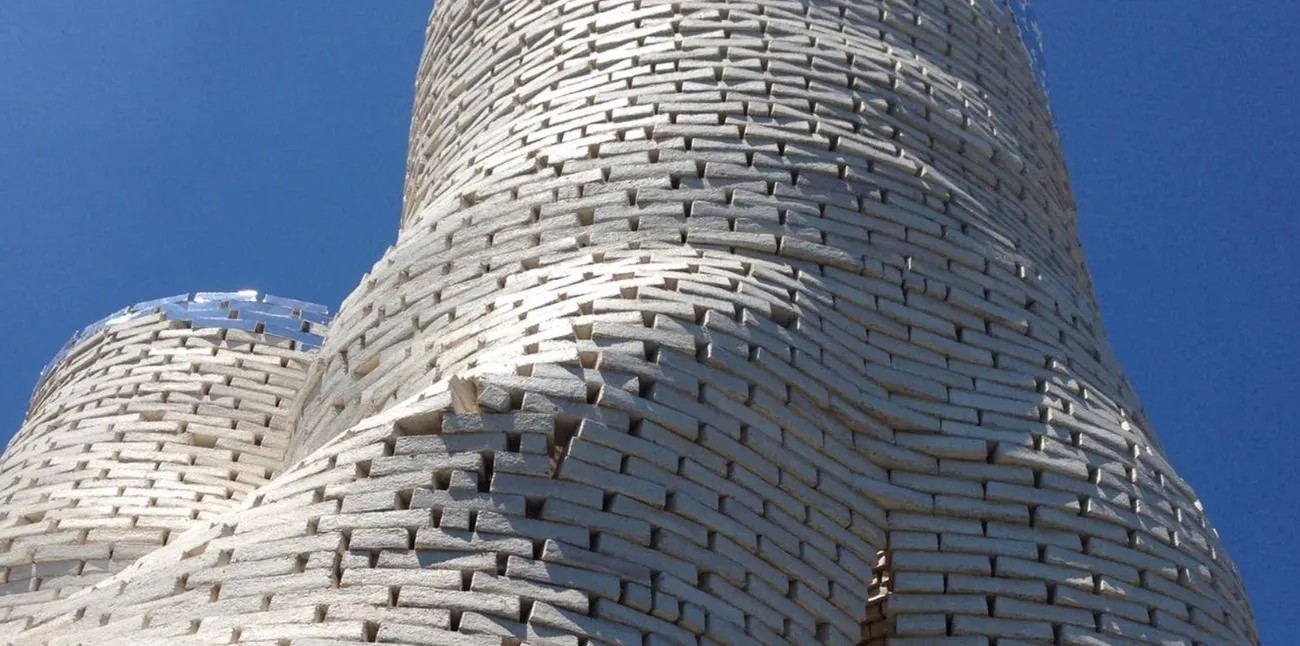
The cement industry produces more than 4 billion tons of products annually, which accounts for about 8% of all global carbon emissions.
We asked ourselves: what if we could do it differently - through biology?
How the research was conducted
As part of the study, the team integrated bacteria capable of producing calcium carbonate - a compound found in corals, eggshells and limestone - into the mycelium structure. Through the biomineralization process, this component strengthened the flexible fungal skeleton, turning it into a strong, bone-like substance.
We are not the first to use biomineralization in building materials. But to keep bacteria alive for a long time, a number of challenges must be overcome. Mycelium is great in this sense - it is strong and able to biomineralize on its own in nature
The team conducted experiments with the fungus Neurospora crassa, which is capable of self-biomineralization. But later, the researchers found that it is more effective to destroy the fungus and then populate it with bacteria that form a strong mineral lattice. Thus, the microorganism Sporosarcina pasteurii produced calcium carbonate after processing urea, forming a rigid material around the fungal fibers.
Unlike other "living" materials, the activity of which lasts only a few days, in this case the microbes remained viable for at least four weeks. Scientists hope that in the future this period can be extended to several months or even years.
The next stage is to test whether these materials are able to independently "patch up" cracks or respond to external changes. Imagine: bad air in the building, and the walls are made of bricks that light up as a warning. This has never happened before, because the microbes were not "alive" enough. Now it's a different matter
Many challenges lie ahead
However, the practical application of such biomaterials in construction is still far away. According to bioengineer Avinash Manjula-Basavanna from Northeastern University in Boston, larger-scale tests need to be carried out to test the physical properties of materials in real conditions.
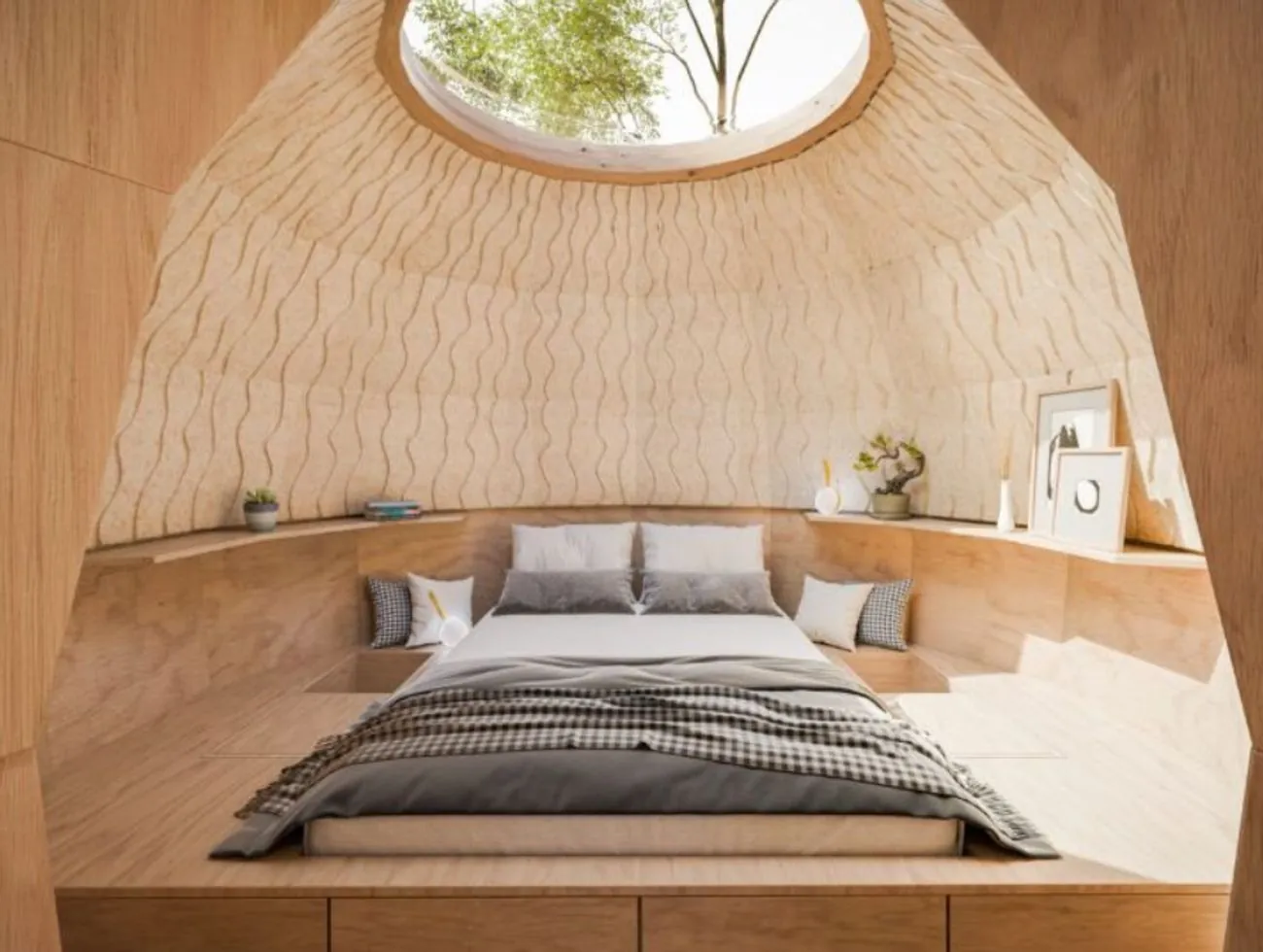
This research was conducted in the laboratory. At this stage, it is difficult to talk about load-bearing capacity or durability - it is these characteristics that determine the quality of the building material
He added that although the strength and durability of living building materials are not yet equal to concrete, mycelium is still a promising foundation. Thanks to its flexibility, this sticky substance can be shaped to include vascular-like channels in beams, bricks or walls.
I think that in the future they may be useful for single-story buildings, these smaller structures - this is quite possible. It could be in five to ten years