










Colossal BioSciences "resurrected" direwolves from "Game of Thrones"? Experts debate the origin of the animals
Kyiv • UNN
Colossal Biosciences recreated dire wolves like in the series, but experts say they are genetically modified gray wolves, not those that existed in the ice age.

Colossal BioSciens, a company that uses modern genetic technologies to restore extinct species, announced that scientists have managed to "resurrect" dire wolves from "Game of Thrones." The bred puppies definitely resemble their terrible ancestor, but scientists argue whether these are really the same wolves that existed during the Ice Age. This is reported by UNN with reference to BBC.
Details
The cover of "Time" magazine features an image of a snow-white wolf with a headline that speaks of the return of a terrible beast. The article stated that thanks to genetic engineering, scientists from the extinction elimination team managed to breed three white wolf puppies and restore the species.
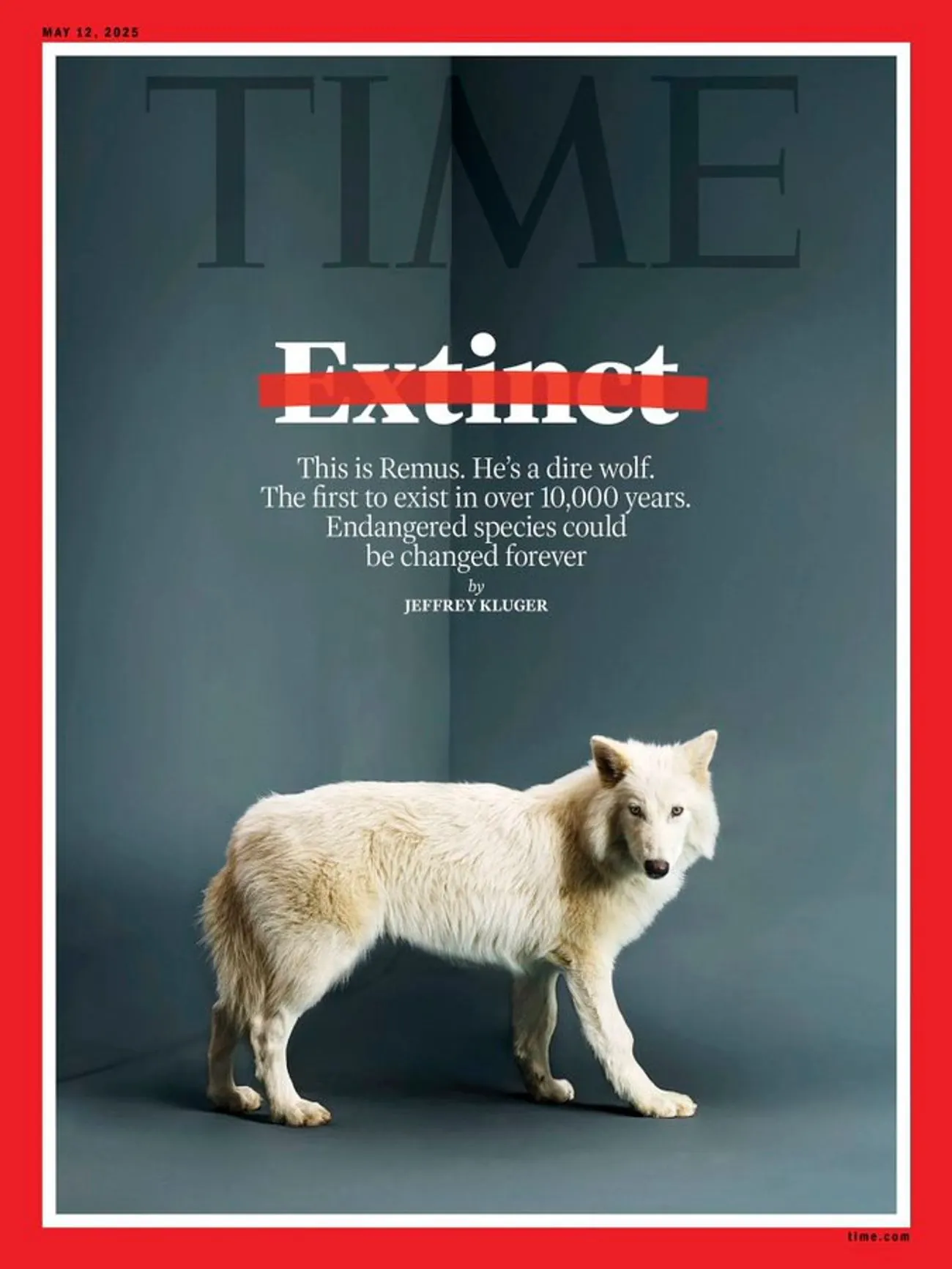
The thing is, this species of wolves, best known as dire wolves from the TV series "Game of Thrones", is extinct. These creatures really existed more than 10 thousand years ago on the American continent.
And although the bred puppies Romulus, Remus and Khalisi are undoubtedly an amazing technological breakthrough, independent experts say that they are not actually the same extinct wolves.
Experts pointed out important biological differences between the wolf on the cover of "Time" and the terrible predator that hunted during the last Ice Age.
Scientists created mice with mammoth genes: what happened04.03.25, 16:27 • 114407 views
Zoologist Philip Seddon from the University of Otago in New Zealand explained that these animals are "genetically modified gray wolves".
Paleogeneticist Dr. Nick Rowlands, from the same university, explained that ancient wolf DNA, extracted from fossilized remains, is too degraded and damaged to be biologically copied or cloned.
Ancient DNA is like putting fresh DNA in a 500-degree oven overnight. It comes out fragmented like shards and dust. You can reconstruct it, but it's not good enough to do anything else with it
According to the paleogeneticist, the extinction elimination team used a new synthetic biology technology - cutting out fragments of DNA and inserting them into the genetic code of a living animal of the same biological species, in this case the gray wolf.
"Edited" embryos were implanted into surrogate mothers - domestic dogs. According to an article in "Time", all three wolf cubs were born by planned cesarean section to minimize the risk of complications. Currently, the wolf cubs are kept in a private factory in the north of the USA.
What Colossal created is a gray wolf, but it has some characteristics of an ancient wolf, such as a larger skull and white fur. It's a hybrid
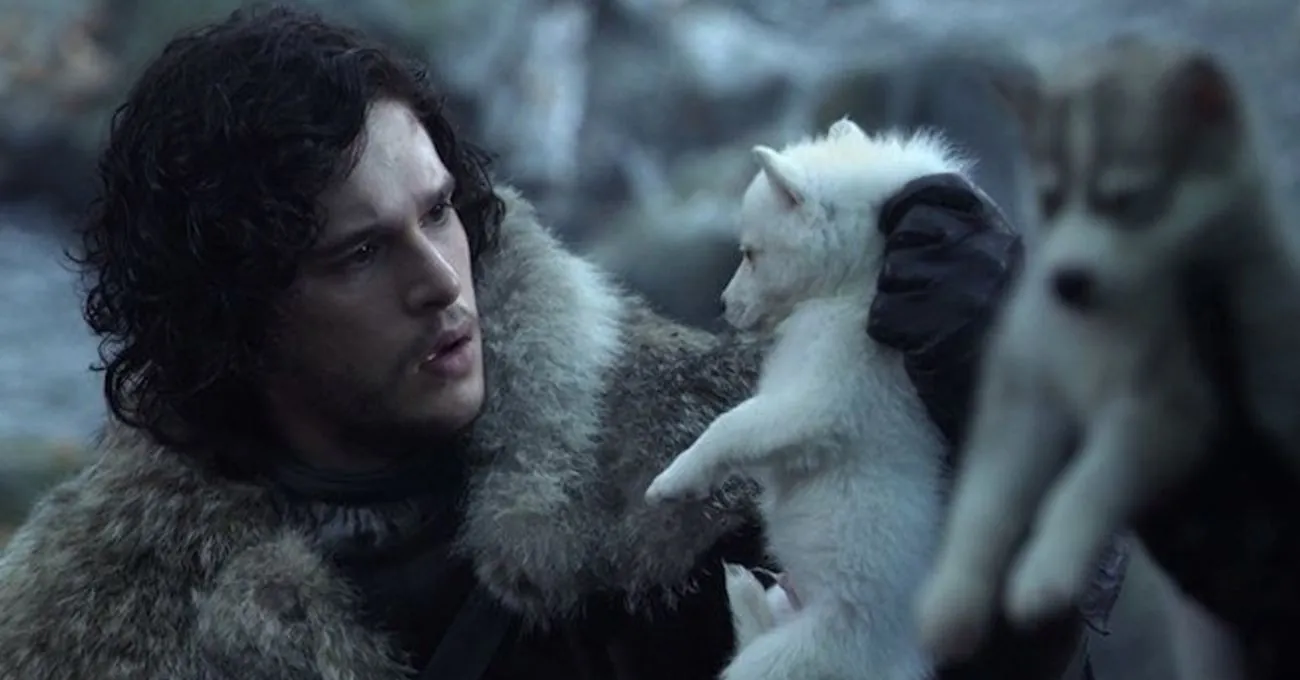
Let's add
Dr. Beth Shapiro, a biologist at Colossal Biosciences, said that this feat really means the end of extinction, because the technology allows to reproduce animals with the same characteristics.
The gray wolf is the closest living relative of the dire wolf, they are genetically very similar. Therefore, we targeted the DNA sequences that lead to the terrible features of the wolf, and then edited the cells of the gray wolf. Then we cloned these cells and created our dire wolves
However, Dr. Rowlands does not completely agree with this interpretation. According to him, dire wolves separated from gray wolves somewhere between 2.5 and 6 million years ago.
This is a completely different genus than gray wolves. Colossal compared the genomes of the dire wolf and the gray wolf, and out of approximately 19,000 genes, they determined that 20 changes in 14 genes gave them the dire wolf
However, Colossal did not stop at "reproducing" dire wolves and announced its efforts to use similar advanced genetic methods to return other extinct animals, including the woolly mammoth and the Tasmanian tiger.