










TOP 8 low-maintenance garden plants
Kyiv • UNN
Choose eight hardy plants to create an aesthetic garden without the daily toil. These crops are weather-resistant and do not require constant watering.

Growing a garden that remains aesthetic throughout the spring and summer season and does not require daily painstaking work is quite realistic even for beginner gardeners. To achieve this, one should simply choose hardy perennials, ornamental shrubs, and conifers that tolerate weather changes well, do not require frequent watering, and can grow in one place for many years. Such crops are convenient for summer residents, novice gardeners, and those who do not have the opportunity to work on the plot constantly.
How to properly select a site for plants, prepare the soil, and ensure watering, as well as which specific flowers and shrubs to choose for the garden, was investigated by UNN.
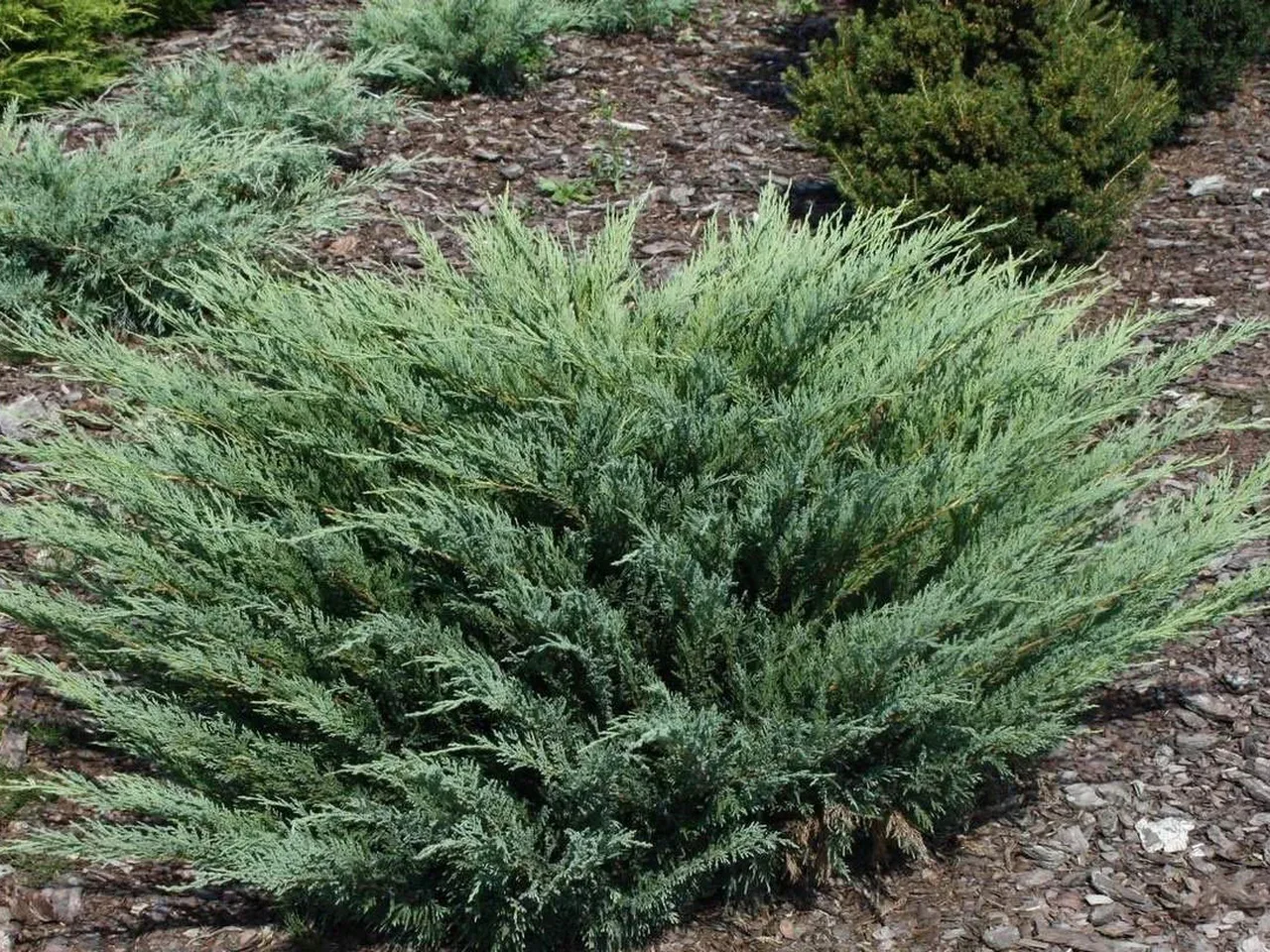
Cossack Juniper
Cossack juniper is one of the hardiest coniferous shrubs. It is suitable for landscaping slopes, rockeries, open areas, and places where a dense green cover needs to be created. The plant grows rapidly in width, has decorative needles, and maintains an attractive appearance even in winter.
Juniper grows best in the sun and does not like stagnant water. Therefore, well-drained soil is very important for it. In addition, gardeners are advised to add sand or fine gravel to the planting hole for this plant.
Once rooted, the Cossack juniper tolerates drought well. Caring for it is reduced to sanitary pruning: the gardener will need to remove dry or damaged branches.
However, it is important to remember that Cossack juniper is a poisonous plant. Therefore, its placement on the site should be well thought out, making its planting site inaccessible to animals and small children.
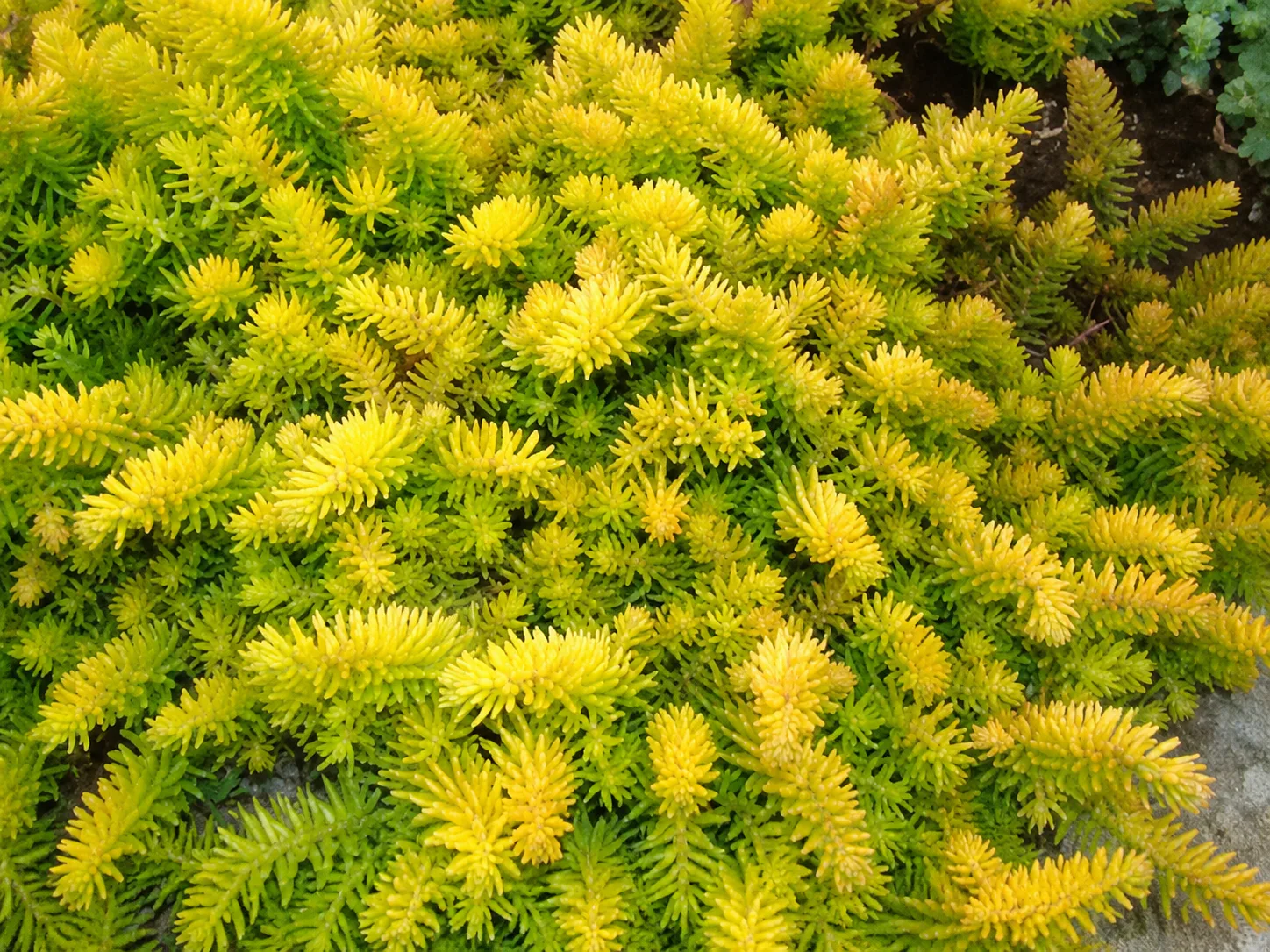
Showy Stonecrop
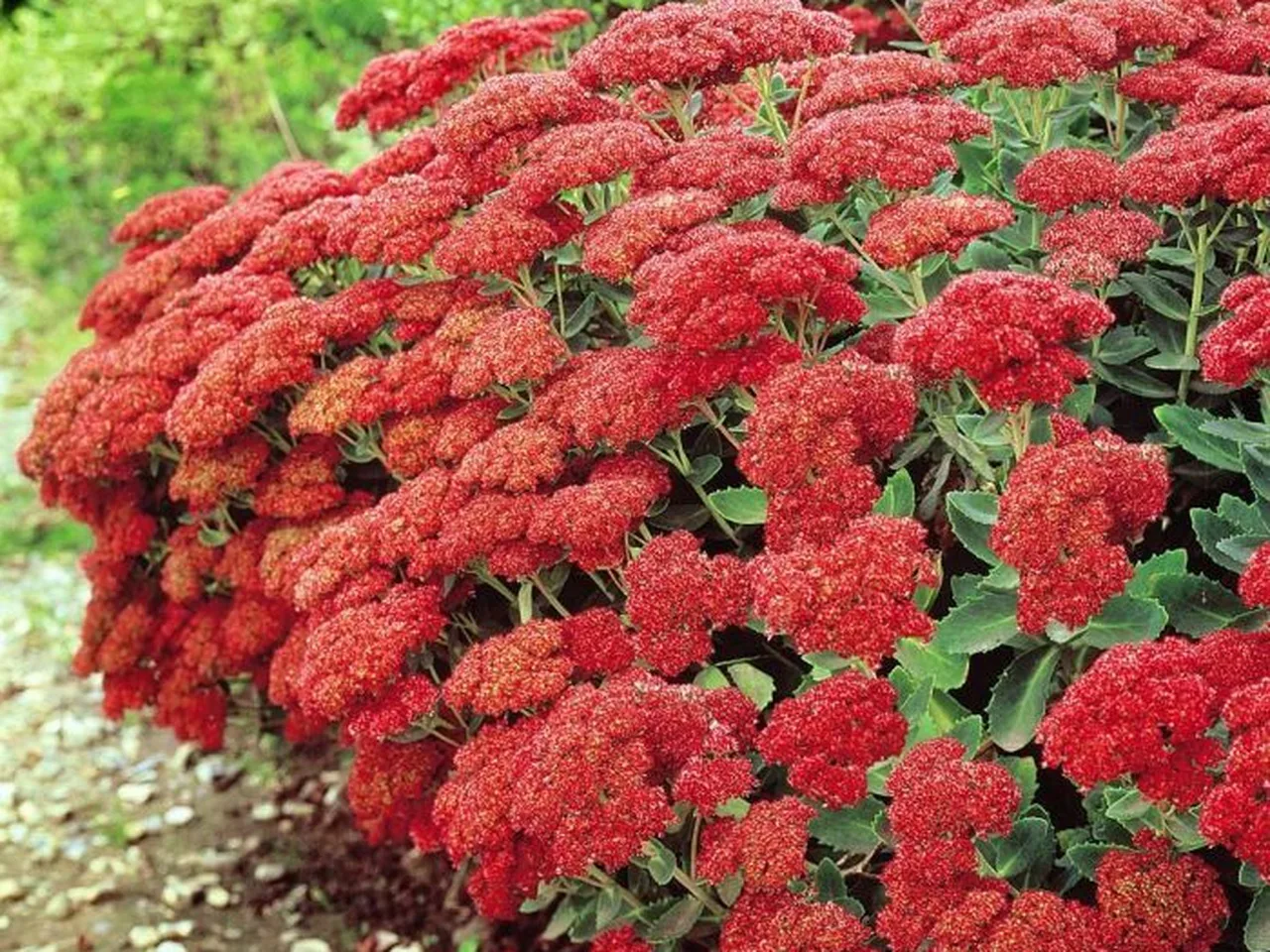
Showy stonecrop, or sedum, is a great option for those who want to plant a plant and not worry about it dying due to insufficient watering. This is a perennial with fleshy leaves. It accumulates moisture and tolerates drought well. In late summer and autumn, the stonecrop blooms with large inflorescences of pink, crimson, or white shades.
A sunny spot is best for planting stonecrop. In the shade, it stretches upwards and blooms poorly. The soil around the plant should be well loosened, and care should be taken to ensure that water does not stagnate in the root zone. Excessive watering is more dangerous for stonecrop than short-term drought.
Care for stonecrop is also minimal: in spring, it is enough to cut off dry stems. Fertilizers for the plant should be chosen moderately, as an excess of nitrogen harms the shrub.
Spiraea cinerea "Grefsheim"
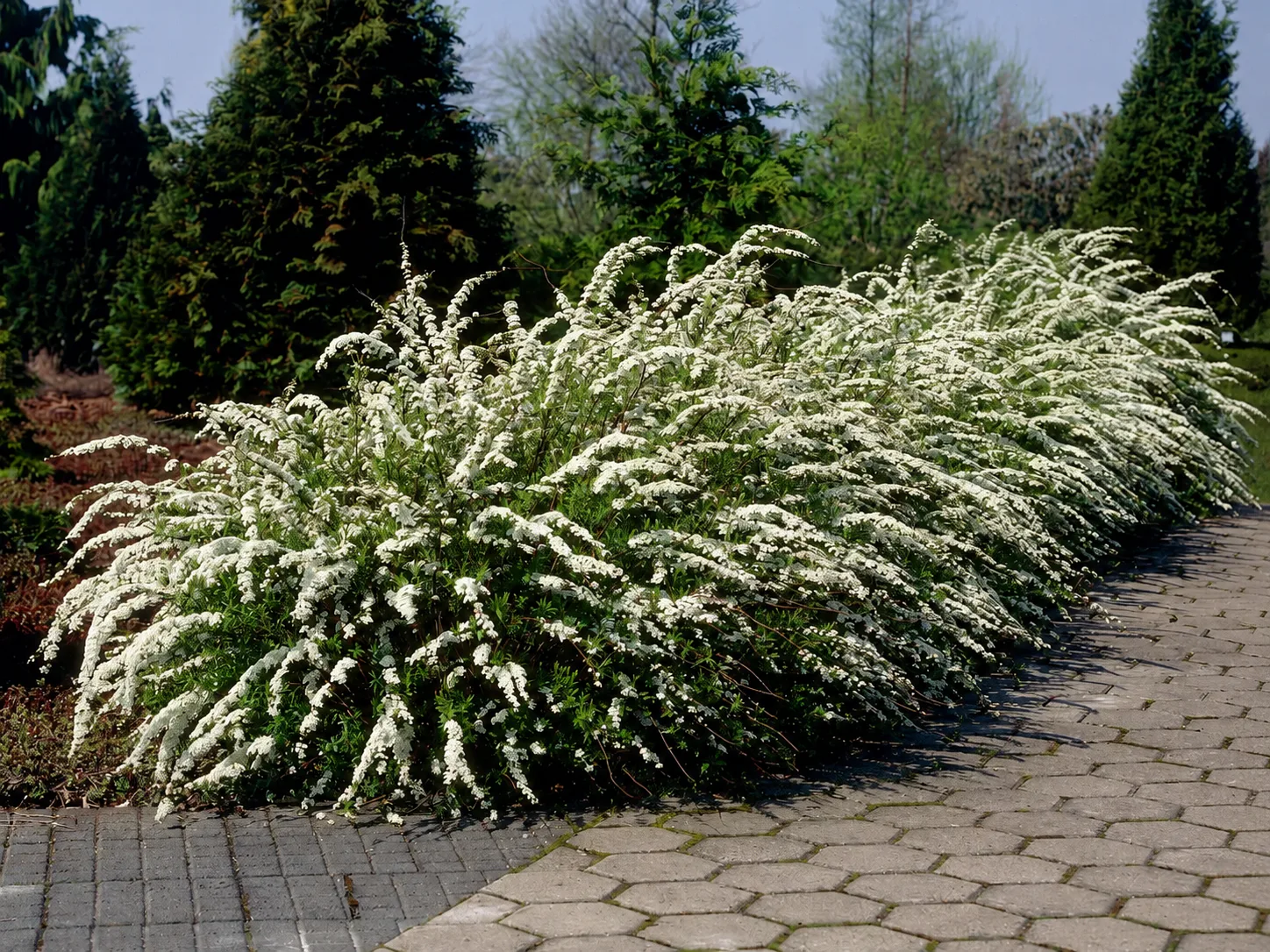
This is an ornamental shrub that is covered with inflorescences of white flowers in spring. During flowering, the branches arch, so the plant looks spectacular even without complex care. This is a good option for a hedge or a separate accent on the lawn.
Spiraea is undemanding to the soil but grows best in fertile and moderately moist areas. It tolerates dust, wind, and frost well. For abundant flowering, it is advisable to choose a sunny spot, although light partial shade is also acceptable. The main care is pruning after flowering. It is better not to carry out spring pruning, otherwise, some of the flowers may be lost.
Hosta
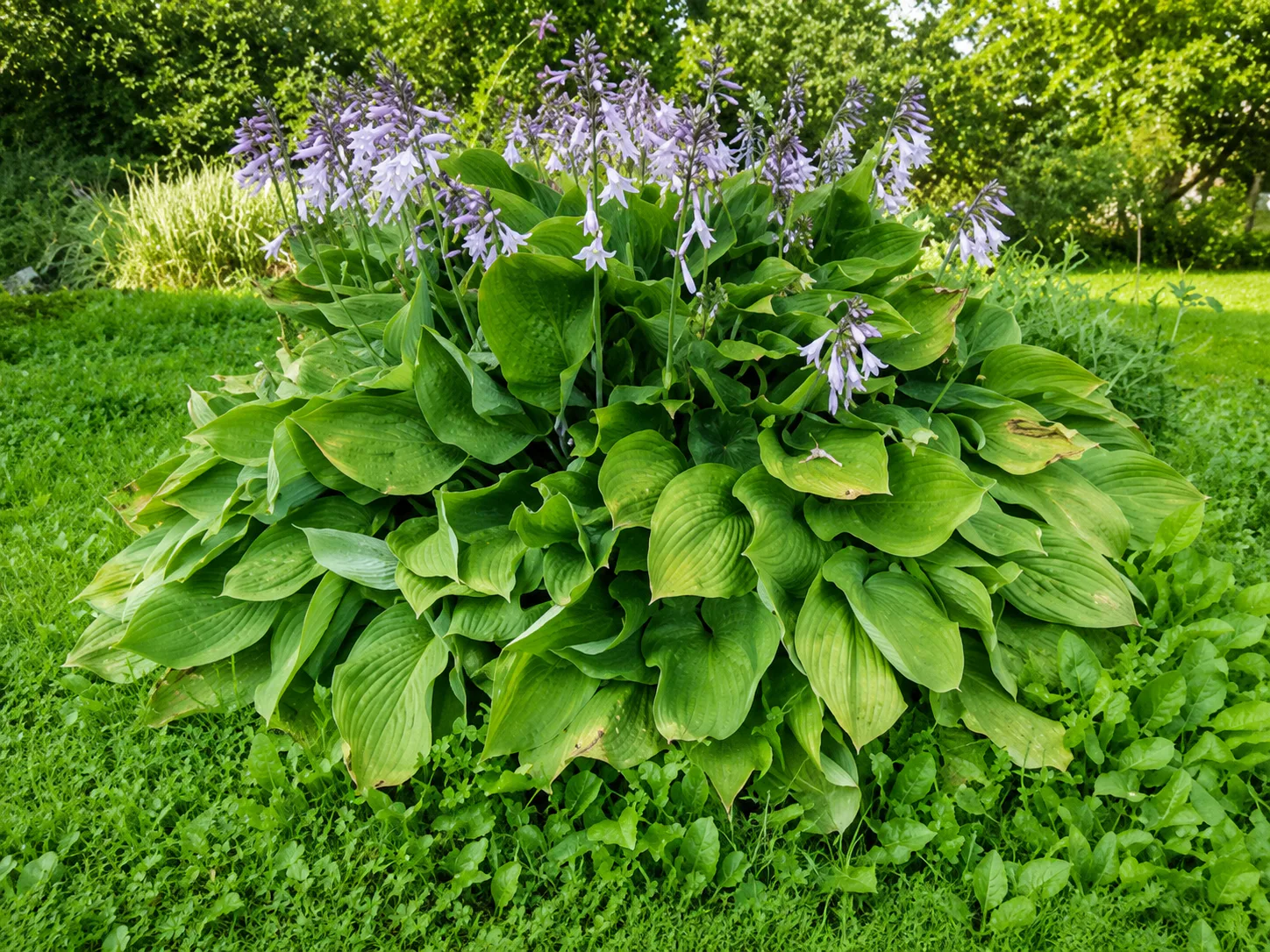
Hosta is an indispensable plant for shady and semi-shady corners of the garden. It is grown primarily for its decorative leaves, which can be green, glaucous, yellowish, or variegated. Hosta can be planted near paths, ponds, under trees, or next to ferns.
The plant likes loose, nutritious, and moderately moist soil. In the first year after planting, it needs to be watered regularly. In the future, hosta does not require complex care, but in extreme heat, it is advisable to provide it with moisture. One of the main problems is slugs, which damage the flower. Therefore, plantings should not be overcrowded. In addition, to avoid the reproduction of pests, gardeners are advised to remove all fallen leaves from the flowerbed where the hosta grows in autumn.
Dogwood "Elegantissima"
White dogwood "Elegantissima" is an ornamental shrub with distinctive variegated foliage. Its green-and-white leaves "freshen up" the garden and stand out against other plants even in cloudy weather. An additional advantage of this shrub is its reddish shoots, which will decorate the garden plot even in winter.
Dogwood grows well in the sun and in partial shade. In sunny locations, the leaf color is usually more contrasting. The shrub is not very picky about soil composition, tolerates pruning well, and will not die in severe frosts. It is often used to create hedges and background plantings. To keep the dogwood looking neater, old shoots should be cut out.
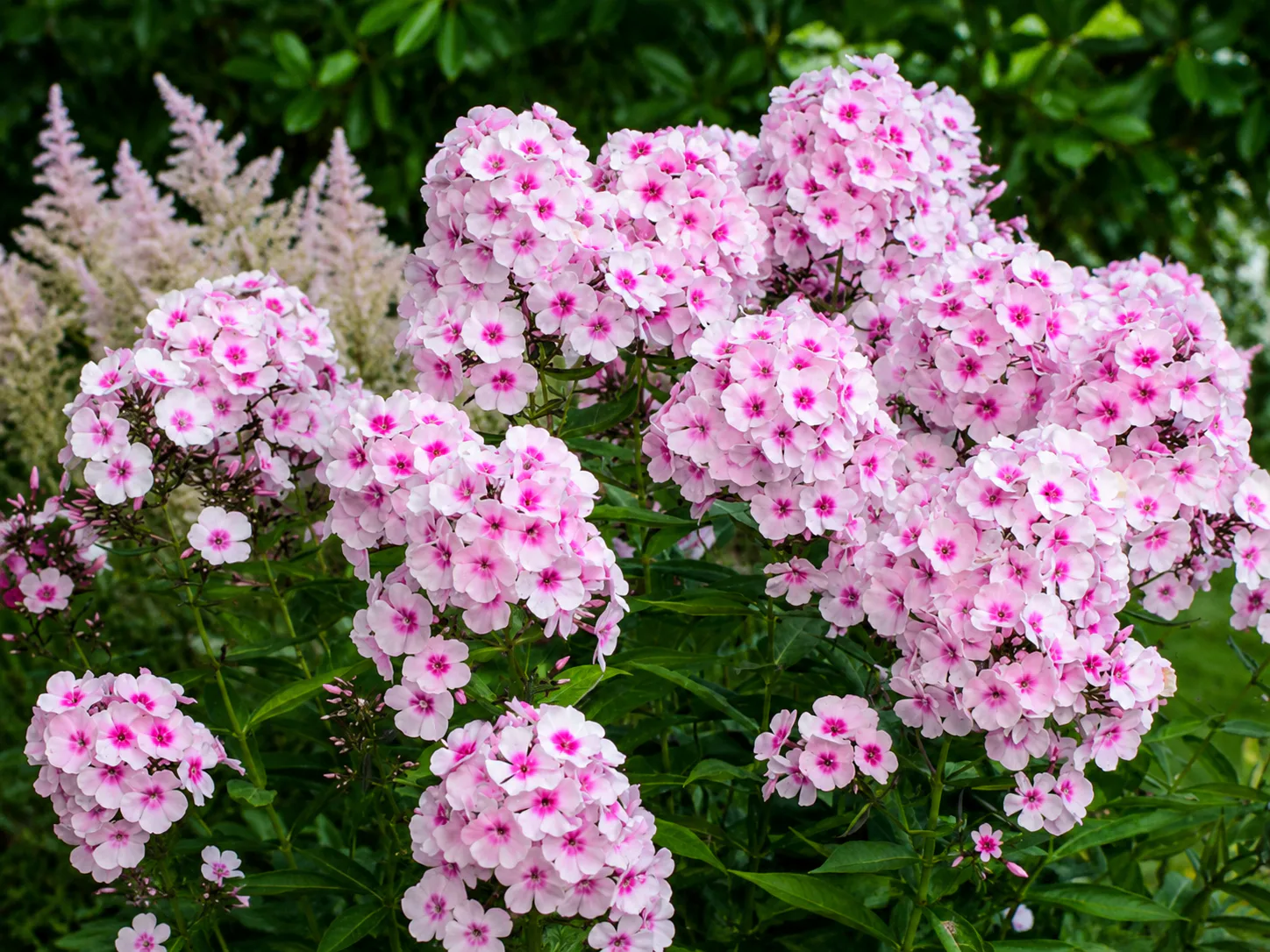
Garden Phlox
Garden phlox (Phlox paniculata) is a classic perennial for Ukrainian gardens. It is valued for its lush summer flowering, pleasant aroma, and a large number of varieties. Phlox can be white, pink, lilac, red, or purple. They please the eye in flowerbeds, near fences, and along garden paths.
For phlox, it is better to choose a sunny spot or light partial shade. The soil should be fertile, loose, and saturated with moisture. After all, phlox does not like prolonged drought—it needs watering during hot periods.
After the phlox has finished blooming, the inflorescences with seeds should be cut off. In autumn, the stems are cut almost to ground level.
Note that phlox can suffer from powdery mildew. To prevent this disease, it is important not to overcrowd the flower plantings.
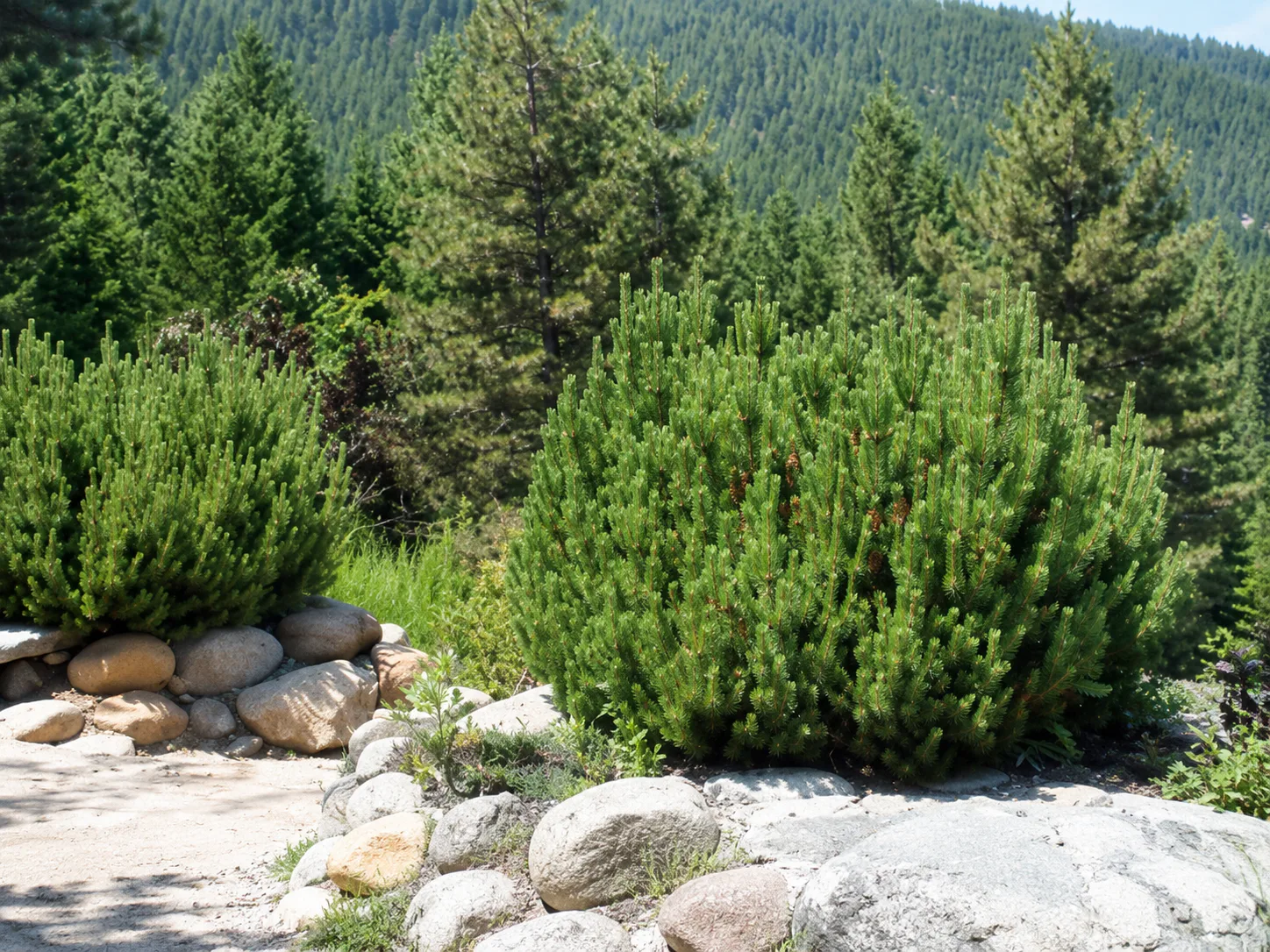
Mountain Pine
This is a compact conifer for gardens, rockeries, alpine slides, and small plots. Mountain pine grows slower than most conifers, holds its shape well, and does not require complex care. Depending on the variety, it can be a low, spherical, or wide spreading plant.
Mountain pine feels best in sunny places. The soil needs to be well-drained, as stagnant water is undesirable for the pine. The plant tolerates wind, frost, and drought well after rooting. In the first year after planting, it should be watered regularly, but without overwatering. Mountain pine requires almost no pruning. If desired, young growth can be shortened in spring to make the crown denser.
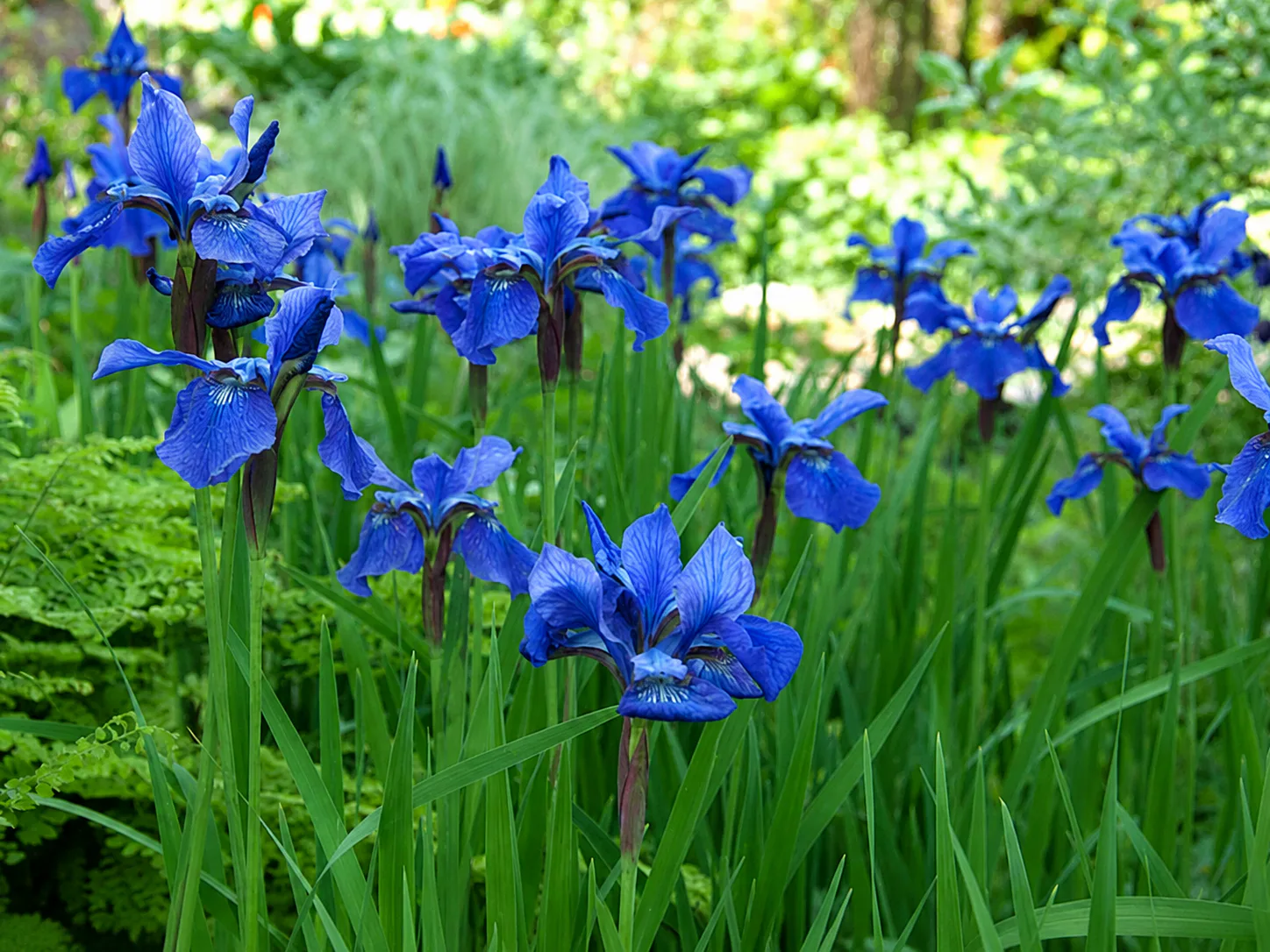
Siberian Iris
Siberian iris is a hardy perennial with narrow decorative leaves and elegant flowers. It grows well in groups and is suitable for flowerbeds, pond banks, mixed borders, and landscape-style gardens. Unlike some bearded irises, the Siberian iris is less demanding.
The plant likes sun but can also grow in light partial shade. For abundant flowering, it needs fertile, moderately moist soil. In dry weather, it is advisable to water the iris, especially during bud formation. After flowering, the flower stalks are cut off, and the leaves are left until autumn. The clumps should be divided when they become overcrowded and start to bloom poorly.
How to choose plants for the garden without extra hassle
To ensure the garden is truly low-maintenance, you need to consider lighting, soil type, site moisture, and the size of the adult plant.
Juniper, mountain pine, and stonecrop will feel better in the sun and in well-drained soil. Hosta is more suitable for shade. Spiraea, dogwood, phlox, and Siberian irises can become the basis of flowerbeds and mixed plantings.
For areas with sandy soil, drought-resistant crops are more appropriate, while for places with partial shade, it is better to choose hosta, dogwood, or Siberian iris.
Plants that have enough space cause the least trouble. If shrubs are planted too close together, in a few years they will begin to compete for light and moisture. In addition, before planting, you should clarify the size of the adult plant, because a small seedling can turn into a full-sized shrub in a few years.
In the first season, even undemanding crops require watering, weeding, and protection from drying out. But after rooting, most of them become more independent and allow for the creation of a well-kept garden with minimal effort.