










How to care for lavender: watering, fertilizing, pruning, and plant protection
Kyiv • UNN
Sunlight, well-drained soil, and moderate watering are essential for lavender. Regular pruning and protection from moisture guarantee abundant blooming of the shrub.

Lavender has long been one of the most popular ornamental plants among Ukrainian gardeners. It is grown for its beautiful purple inflorescences and its pleasant aroma, which can fill the garden throughout the summer. In addition to its decorative function, lavender is widely used in cosmetology, medicine, cooking, and for the production of essential oils. UNN found out how to care for this plant.
Details
Despite its reputation as an unpretentious crop, lavender requires proper care. Not only the appearance of the bush but also its lifespan depends on the choice of planting site, watering regime, and timely pruning. Under proper conditions, the plant can grow in one place for over ten years.
When and where to plant lavender
The best time to plant lavender is spring, when the threat of severe frosts has passed and the soil has warmed up sufficiently. In the southern regions of Ukraine, it is also possible to plant lavender in the autumn, but the plant must have time to take root well before the onset of cold weather.
It is important to choose a sunny spot for lavender. The plant originates from Mediterranean regions, so it requires a large amount of light. Even slight shading can lead to weak flowering and leggy shoots.
Areas with stagnant moisture should also be avoided. Lavender does not tolerate waterlogged soil or a high water table. If the area is prone to waterlogging, gardeners need to create drainage or plant the lavender in raised beds.
When planting, a distance of 30 to 60 centimeters should be left between the bushes, depending on the variety. This ensures good air circulation and reduces the risk of fungal diseases.
What soil is suitable for lavender
Lavender grows best in light, loose, and well-drained soils. The ideal option is sandy loam or stony soils with a neutral or slightly alkaline reaction.
If the soil on the site is heavy and clayey, it is advisable to add sand, fine crushed stone, or gravel. This will improve water permeability and help avoid root system rot.
Lavender also dislikes acidic soils. Therefore, if necessary, gardeners will need to perform liming by adding dolomite flour or other materials to reduce acidity.
Before planting, the area should be cleared of weeds and thoroughly dug over. A large amount of organic matter is not necessary, as excessively fertile soil stimulates the growth of green mass at the expense of flowering.
How to water lavender correctly
Lavender belongs to drought-resistant crops. Its root system is capable of extracting moisture from deep layers of the soil, so overwatering is one of the most common mistakes made by gardeners. Young plants should be watered particularly carefully after planting. In the first year of life, the soil is kept moderately moist, but without stagnant water.
Adult bushes are watered only during periods of prolonged drought. Usually, one generous watering per week is sufficient in the absence of precipitation. Frequent shallow waterings are not beneficial and can cause root rot. It is better to water lavender in the morning or evening. Water should be poured directly under the root, avoiding excessive wetting of the leaves and inflorescences.
What is the best way to fertilize lavender
Lavender does not require a large amount of fertilizer. An excess of nutrients often leads to active shoot growth and a decrease in the number of flowers.
In the spring, a small amount of complex mineral fertilizer with a moderate nitrogen content can be applied. This will help the plant recover faster after winter and begin its growing season. Before the formation of buds and the start of flowering, it is advisable to use fertilizers with an increased content of phosphorus and potassium. They promote the formation of more inflorescences and strengthen the root system.
It is worth remembering that fresh manure can harm lavender. Such fertilizer causes excessive growth of green mass and deteriorates the decorative qualities of the plant.
Pruning and shaping lavender in flowerbeds and gardens
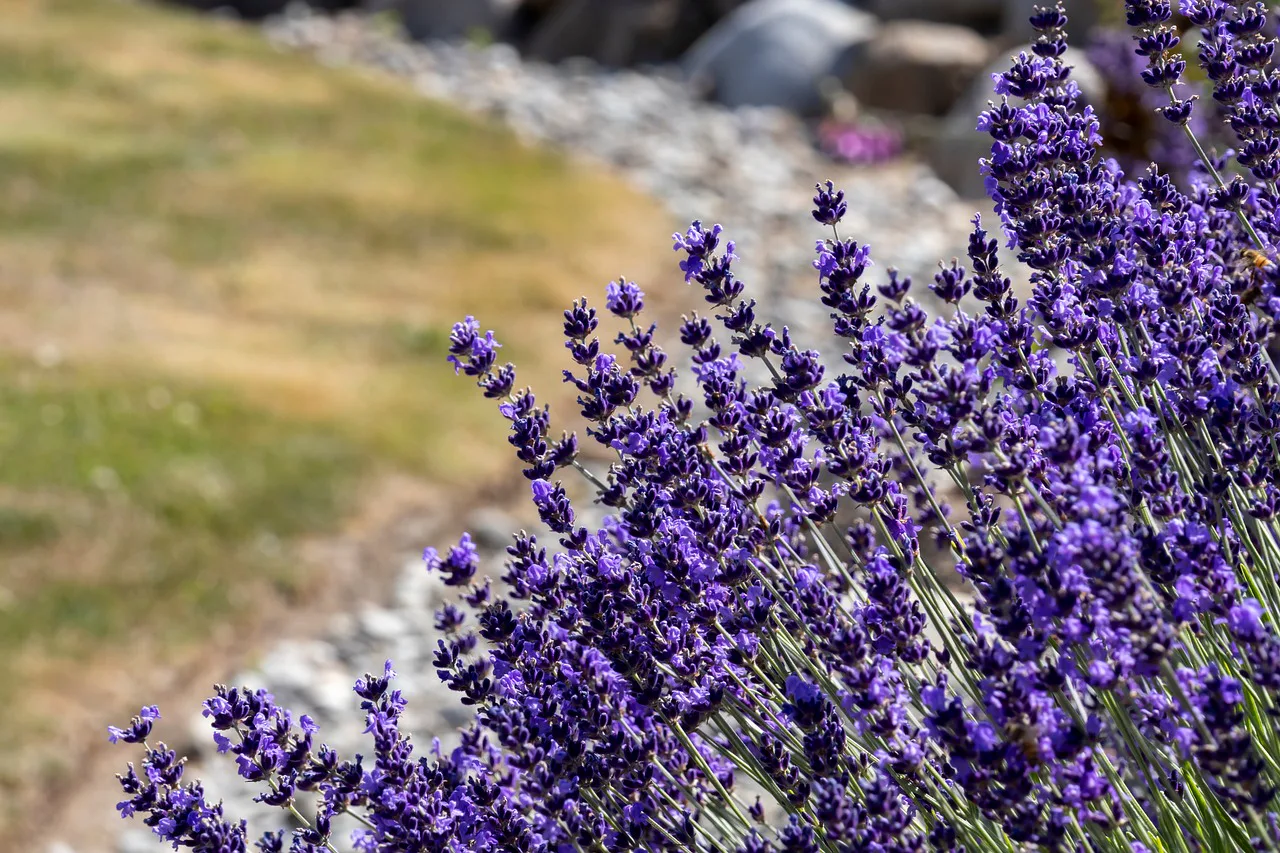
Regular pruning is one of the main conditions for the longevity of a lavender bush. Without it, the plant gradually loses its shape, becomes bare at the bottom, and flowers less effectively.
The first pruning is carried out after flowering is complete. Faded inflorescences are removed along with part of the shoots. This stimulates the formation of new branches and helps maintain a neat appearance. In the spring, sanitary pruning is performed, during which dry, damaged, or frostbitten shoots are removed.
When shaping the bush, it is important not to cut into the old woody part of the shoots. Lavender recovers from it very slowly, and sometimes may not produce new shoots at all. A properly shaped bush should be rounded and well-ventilated from all sides.
Lavender diseases and pests: what they are and how to fight them
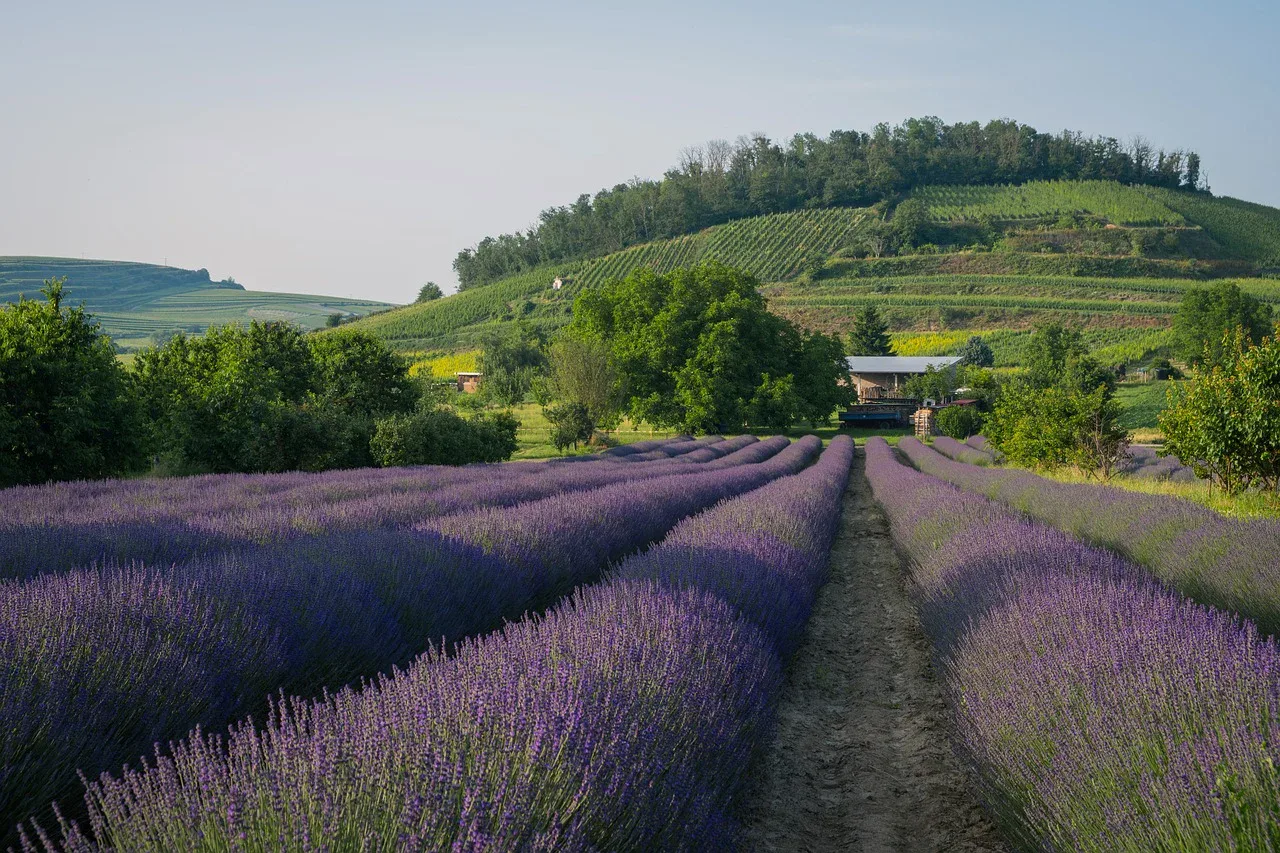
Lavender is relatively resistant to most diseases and pests. Main problems usually arise due to improper care.
Most often, the plant suffers from root rot in conditions where the soil is waterlogged. Therefore, for prevention, it is important to ensure high-quality drainage and prevent water stagnation.
Among pests, aphids, leafhoppers, and some types of beetles are sometimes found. In such cases, mechanical removal of damaged parts or treatment with biological preparations is sufficient.
Another common problem that lavender gardeners may face is fungal diseases. To prevent them, lavender bushes must be thinned out in time. It is also worth ensuring good air circulation between the plants.
How to prepare lavender for winter
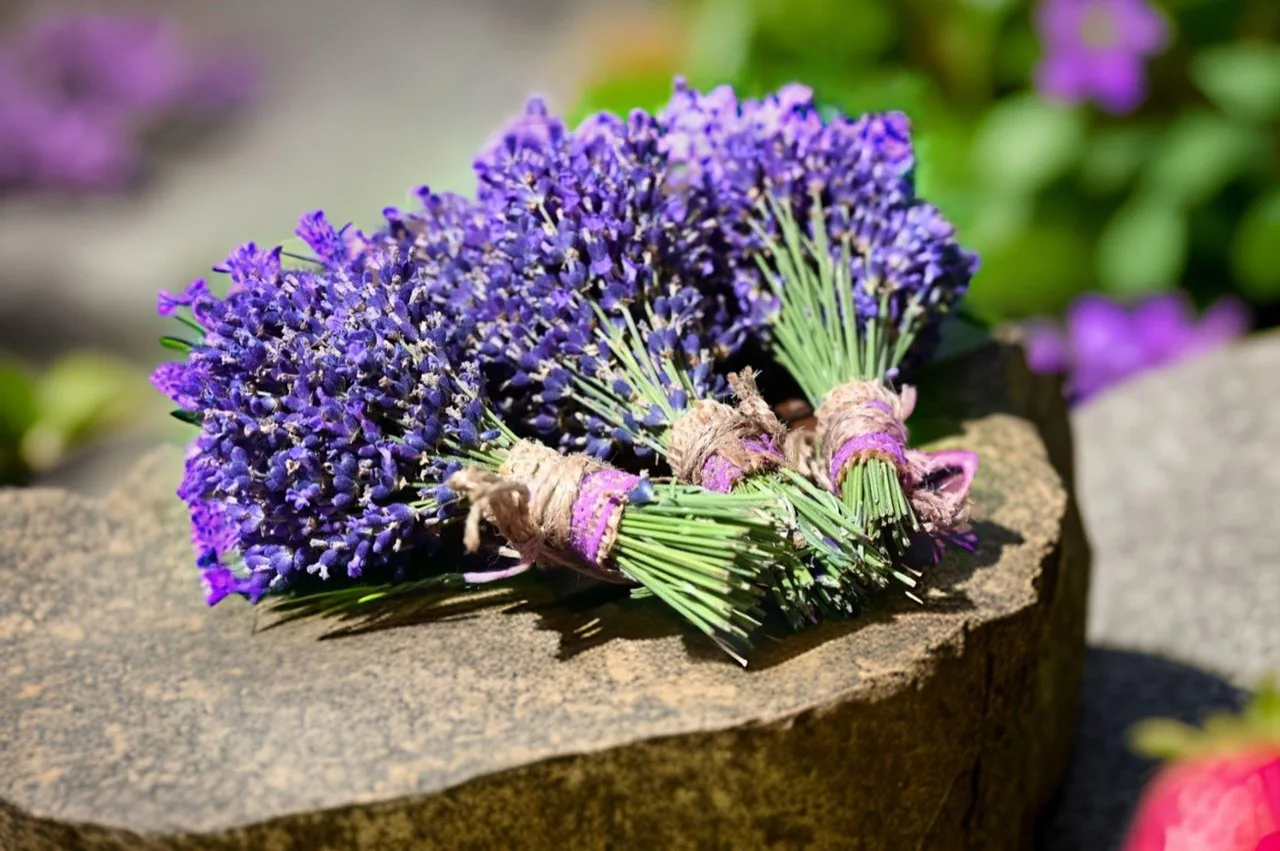
The ability of lavender to withstand winter frosts depends on the variety and the climatic conditions of the region. Narrow-leaved varieties are considered the hardiest and are successfully grown in most regions of Ukraine.
Preparation for winter should begin in the autumn. During this period, heavy pruning is not recommended. Only dry inflorescences and damaged shoots are removed. Severe shortening before winter can weaken the plant.
In regions with harsh winters, the bushes are covered with spruce branches or special agrofibre. Using polyethylene film is undesirable, as condensation accumulates under it, which can lead to the plant rotting.
Special attention should be paid to young seedlings. They are less resistant to frost than adult bushes, so they require additional protection in the first years after planting.
With proper care, lavender will delight you every year with abundant flowering, a rich aroma, and an aesthetic appearance. This plant does not require complex care. All lavender needs is plenty of sun, moderate watering, timely pruning, and protection from excess moisture.
Recall
In the village of Semenivka in the Kyiv region, a lavender square was established with the support of a charitable foundation.