










May 18 - Remembrance Day for the Victims of the Genocide of the Crimean Tatar People: What Happened in 1944
Kyiv • UNN
On May 18, Ukraine honors the memory of the victims of the genocide of the Crimean Tatar people. In 1944, the Soviet regime forcibly deported over 180,000 people.

On May 18, Ukraine honors the Day of Remembrance of the Victims of the Genocide of the Crimean Tatar People. This date is linked to one of the most tragic pages in the history of Crimea—the forced deportation of Crimean Tatars carried out by the Soviet totalitarian regime in 1944, reports UNN.
Day of Deportation of Crimean Tatars: what happened on May 18
The eviction operation began on the morning of May 18, 1944. Armed NKVD officers arrived at the homes of Crimean Tatars, ordering people to quickly pack their belongings and leave their residences. In many cases, only a few dozen minutes were given for packing. Families were not explained where exactly they were being taken or if they would ever be able to return home.
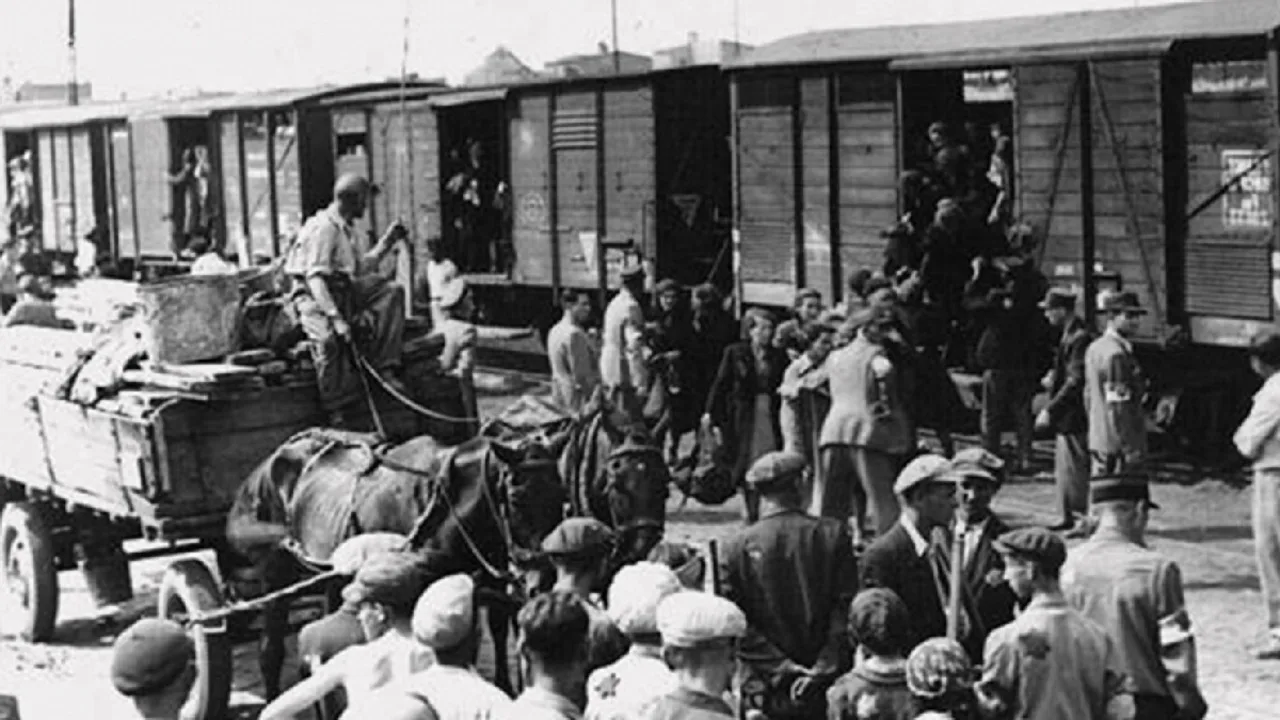
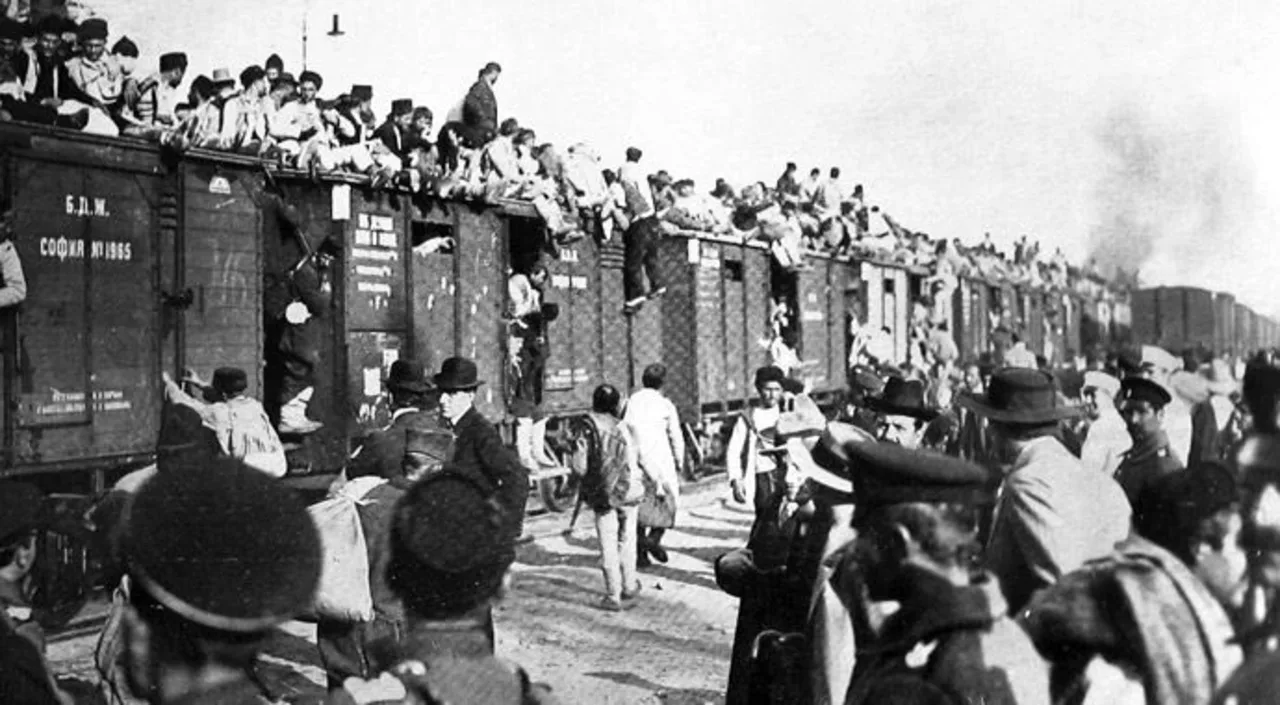
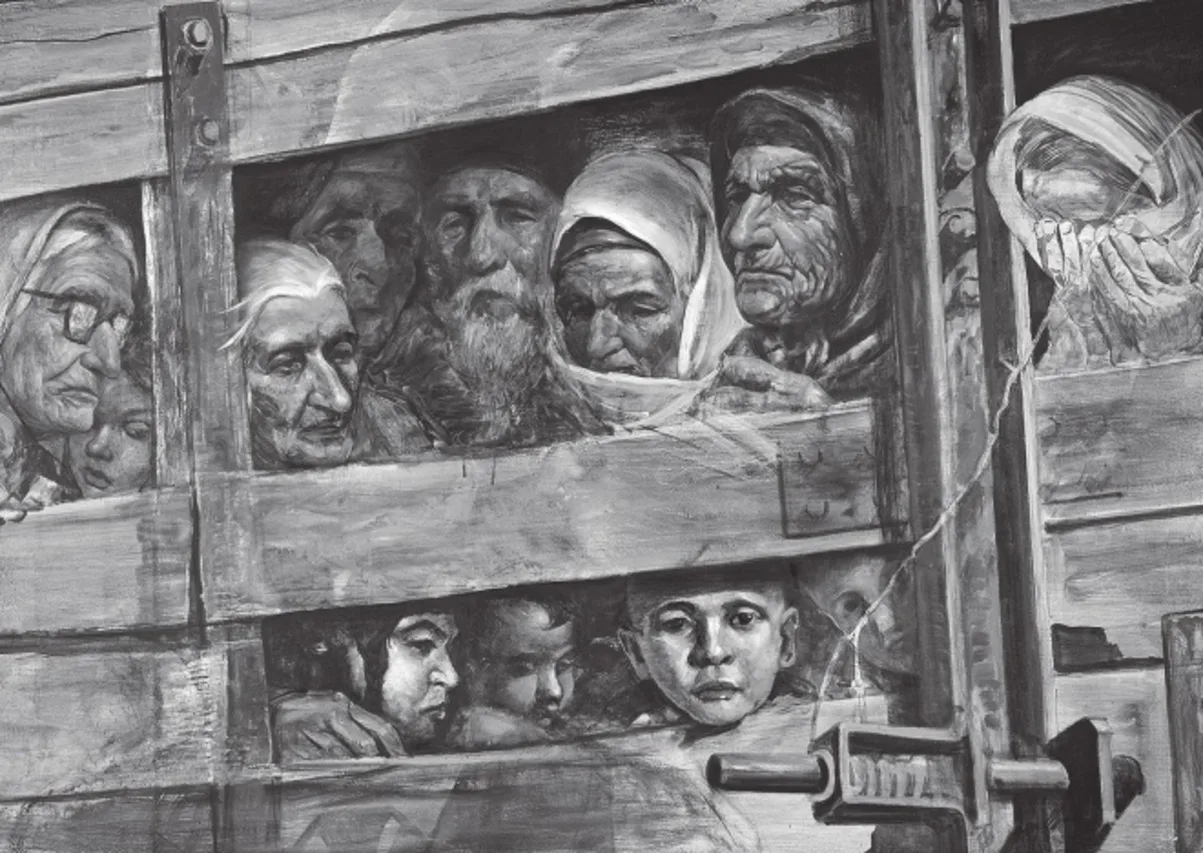
People were loaded into freight wagons and sent primarily to Uzbekistan, as well as to other regions of Central Asia, the Urals, and Siberia. The journey lasted many days, and people endured harsh conditions: there was no water, food, or medical assistance.
A portion of the deportees died during transportation. For the Crimean Tatar people, the deportation was also an attempt to destroy their social, cultural, and political presence in Crimea.
The year of the deportation of Crimean Tatars and its consequences
The deportation of Crimean Tatars took place in 1944, immediately after the expulsion of Nazi troops from Crimea. The Soviet authorities accused the entire Crimean Tatar people of "treason" and "collaboration with the occupiers," failing to distinguish between individual responsibility and collective punishment.
According to various estimates, more than 180,000 Crimean Tatars were evicted from Crimea. They lost their homes, land, property, farms, family heirlooms, and ancestral burial sites.
After the deportation, the Soviet authorities renamed settlements, destroyed or changed Crimean Tatar toponyms, and closed cultural and educational institutions. In effect, they attempted to present Crimea as a Soviet territory without Crimean Tatar roots.
The first years after the eviction were particularly difficult for the people. The deportees lived in special settlements, were under surveillance, and were restricted in movement and rights. Many people died from disease, hunger, exhaustion, and hard labor. Returning to the homeland was forbidden for a long time. Only at the end of the Soviet period did Crimean Tatars begin to return to Crimea en masse, though they often faced problems such as lack of housing and registration, as well as discrimination.
Genocide of the Crimean Tatars: why the 1944 deportation is called so
In Ukraine, the deportation of Crimean Tatars has been officially recognized as genocide. The Verkhovna Rada adopted the corresponding resolution on November 12, 2015. Historically, this was not just about the fact of forced resettlement, but about a broader complex of actions by the Soviet authorities aimed at destroying the Crimean Tatar people as a community.
Signs of genocidal policy include the collective punishment of an entire people, forced eviction from historical territory, the creation of conditions in which people died en masse, the ban on return, the destruction of cultural heritage, and the attempt to displace Crimean Tatar identity from the public space of Crimea.
For Crimean Tatars, the deportation became a trauma passed down through generations. It was not so much about moving from one territory to another as it was about the violent expulsion of an indigenous people from their land, followed by the restriction of rights, memory, and the possibility of return.
Why the Soviet authorities deported the Crimean Tatars
The Soviet authorities cited alleged mass collaboration of Crimean Tatars with Nazi Germany as the official reason for the deportation. However, such an accusation was collective in nature and did not account for the actual participation of individuals, nor the fact that many Crimean Tatars fought in the Red Army, worked on the home front, or were members of the anti-Nazi resistance.
In reality, the deportation was part of a broader Stalinist policy of forced resettlement of peoples. The Soviet regime used accusations of "treason" as a tool to control territories, change the ethnic composition of the population, and suppress national communities it considered politically dangerous or insufficiently manageable.
Crimea held significant strategic importance for the USSR. The eviction of Crimean Tatars allowed the authorities to strengthen control over the peninsula, change its demographic composition, and weaken the historical connection of the indigenous people to this territory. This is why the deportation is viewed as a deliberate political decision by the Soviet leadership.
How the memory of the deportation of Crimean Tatars is honored in Ukraine
Every year on May 18, commemorative events dedicated to the victims of the deportation of the Crimean Tatar people are held in Ukraine. State institutions, educational facilities, museums, libraries, and communities organize thematic lectures, exhibitions, film screenings, public discussions, and moments of silence.
After the start of the Russian occupation of Crimea in 2014, this date took on additional significance. Crimean Tatars have once again become one of the groups facing pressure on the peninsula. Ukrainian human rights activists and international organizations have repeatedly reported the persecution of Crimean Tatar activists, searches, politically motivated cases, and restrictions on freedom of speech and assembly.
Therefore, on May 18, Ukraine also speaks about the modern struggle of Crimean Tatars for rights, security, and the return of Crimea to Ukrainian control. The memory of the deportation remains part of a broader issue—restoring justice for the indigenous people of Crimea and protecting the right of people to live on their own land.
Reminder
Ombudsman Dmytro Lubinets reported mass violations of the rights of indigenous peoples and national minorities in Crimea since 2014. More than 220 Ukrainians and Crimean Tatars have been detained, and at least 700 religious sites have been destroyed or damaged.