










Caring for roses throughout the year: what to do in spring, summer, autumn, and winter to have healthy flowers
Kyiv • UNN
Roses need a sunny spot, watering at the root, and seasonal fertilization. Proper pruning and protection from frost will ensure lush blooming.

Roses require regular care throughout the season. The condition of the bush is affected by the planting site, soil quality, watering, fertilization, pruning, and protection from diseases and pests. If these tasks are performed on time, the plant grows shoots better, forms buds, and tolerates heat, rain, and frost more easily.
UNN explains what needs to be done to grow healthy roses in your garden.
Basic rules for rose care
Rose care begins with the correct choice of location for the flowerbed. Plants need light, loose nutritious soil, air access to the roots, and no stagnant water. Bushes react poorly to overwatering, crowded planting, lack of sun, and irregular fertilization.

How often should roses be watered
Roses need deep watering without stagnant water at the roots. In hot weather, adult bushes are usually watered once or twice a week if there is no rain. Young seedlings need more frequent moisture monitoring after planting because their root system has not yet had time to develop.
It is better to water the flowers in the morning or evening. Water should be poured at the root, without drenching the leaves and buds. Wet leaves, especially in crowded plantings, increase the risk of the plant contracting powdery mildew and other fungal diseases. It is advisable to use settled water for irrigation.
After watering, the soil around the bush is carefully loosened. This improves air access to the roots and prevents the formation of a dense crust. To preserve moisture, mulch can be used: compost, shredded bark, peat, or dry mown grass without weed seeds.

Soil and fertilization for roses
Fertile, loose, and well-drained soil with a slightly acidic or neutral reaction is suitable for roses. On heavy clay areas, compost, humus, sand, or other materials are added before planting to improve the soil structure. On sandy soils, it is important to apply organic matter.
Fertilization is carried out several times per season. In spring, roses need nitrogen, which helps grow shoots and leaves. During the bud formation period, phosphorus and potassium become important for the flowers. They support blooming, strengthen shoots, and promote plant growth.
Organic fertilizers, such as compost or well-rotted humus, can be applied in spring or early summer. Fresh manure is not used for roses because it can damage the roots. Mineral fertilizers should be applied according to the instructions. An excessive dose can cause root burns and the growth of weak shoots.
In the second half of summer, nitrogen fertilization is limited. At the end of summer and in autumn, preference is given to potassium-phosphorus fertilizers if they are needed based on the condition of the soil and the plant.
Lighting and temperature conditions
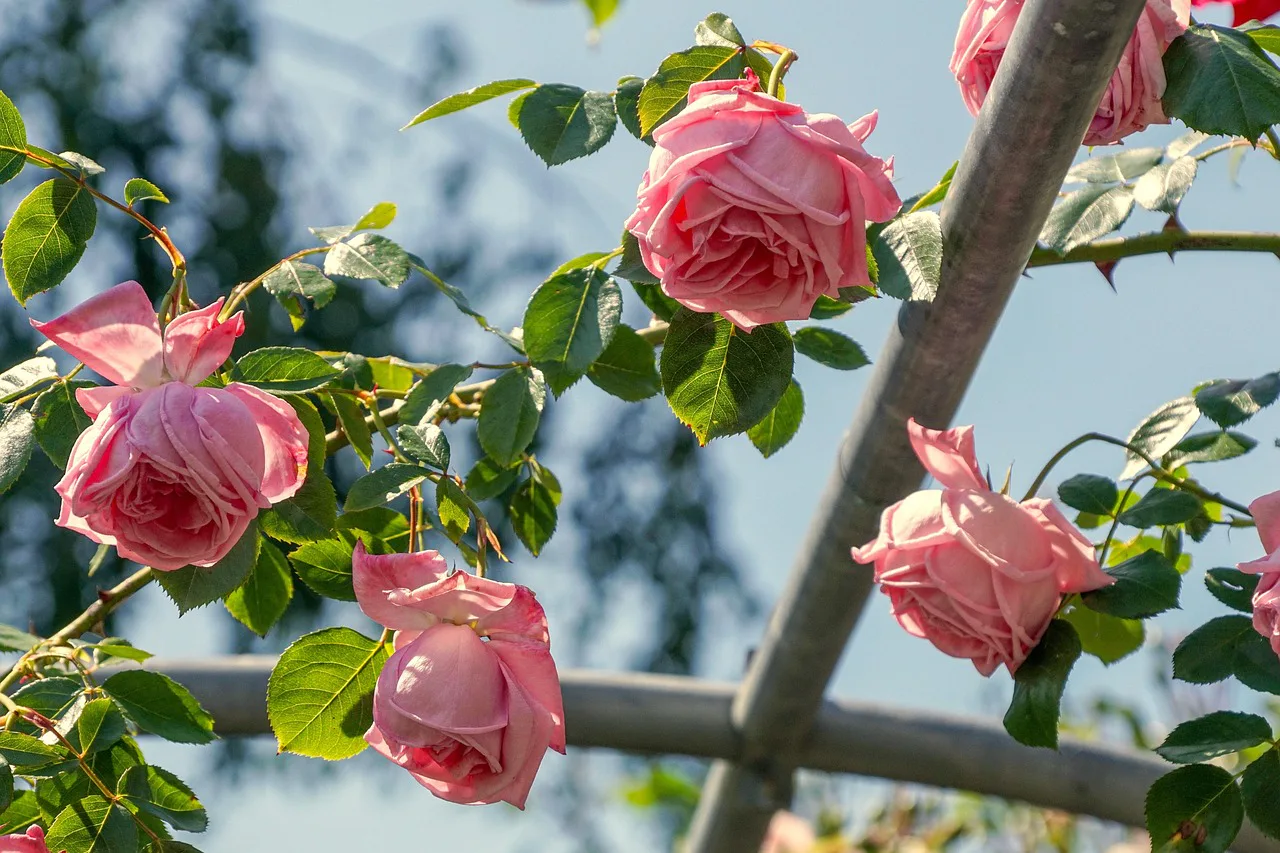
Most roses grow better in well-lit areas. For normal flowering, plants need several hours of direct sun per day. In the shade, shoots stretch out, there are fewer buds, and leaves are more often affected by fungi and pests.
The planting site should be protected from strong cold winds, as drafts dry out the soil, damage young shoots, and worsen wintering. At the same time, space should be left between the bushes for air movement; otherwise, the leaves will stay wet longer after rain.
Transplanting and root system care for roses
Transplanting is necessary if the rose is growing in an unsuitable place, is developing poorly, interferes with other plants, or the planting needs renewal. The procedure is carried out carefully, as root damage affects establishment and subsequent flowering.
Before transplanting, the bush is watered so that the soil holds better around the roots. Shoots are partially shortened to reduce the load on the plant. After moving to a new location, the rose is watered well, and for the first few weeks, care is taken to ensure the soil does not dry out.

When to transplant roses
The best time for transplanting is early spring, before active growth begins, or autumn after flowering has finished. Spring transplanting gives the plant a season to take root. Autumn is suitable when there is enough time left before stable cold weather sets in.
It is not advisable to transplant roses during active flowering, heat, or drought. If transplanting is forced, it is necessary to preserve the root ball as much as possible and regularly monitor soil moisture.
How to properly prepare a pot or soil for a rose
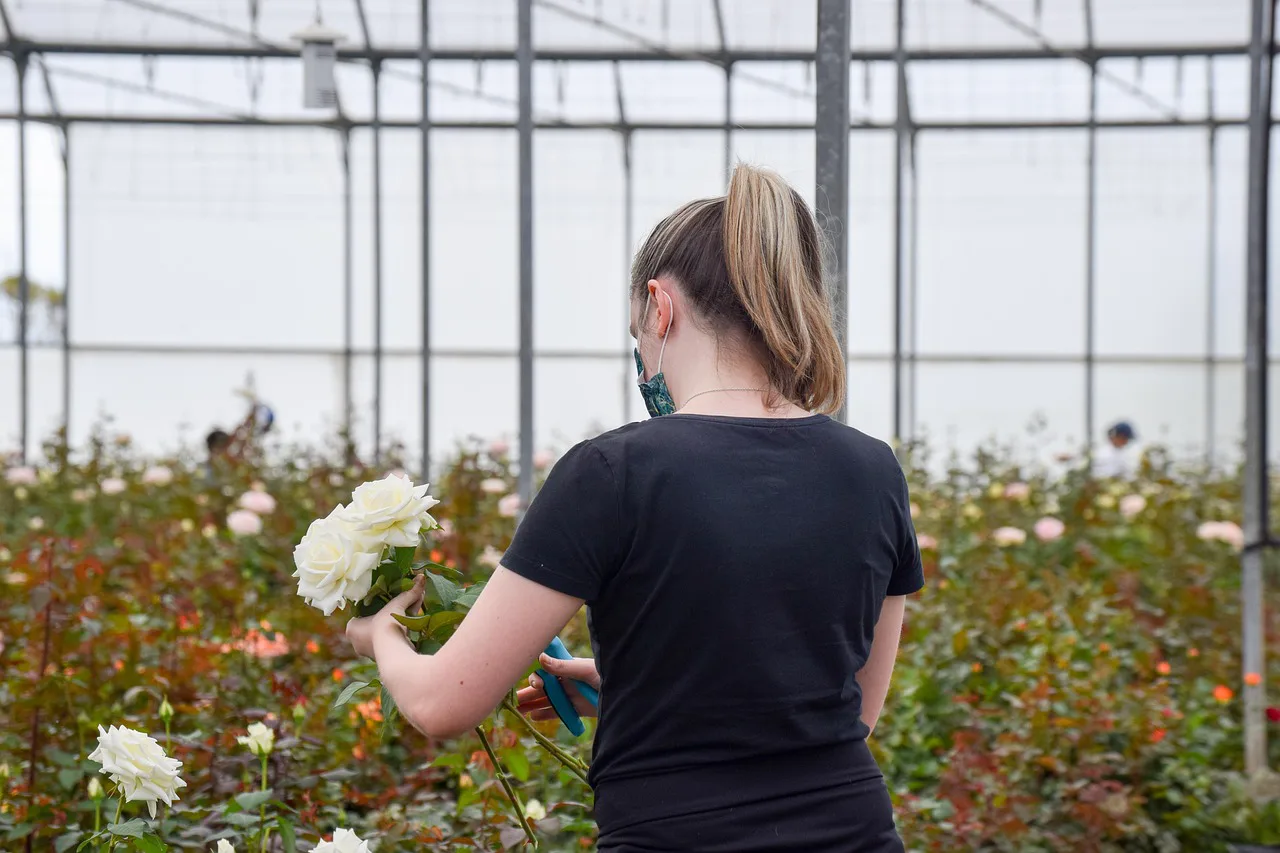
For garden roses, the planting hole is prepared so that the roots are placed freely and do not bend. Drainage is needed on heavy soils. Fertile soil, compost, and, if necessary, special rose fertilizer are added to the hole.
For container growing, choose a pot with drainage holes. A drainage layer is placed at the bottom, and the substrate should be nutritious and water-permeable. The volume of the pot should correspond to the size of the root system. A small container dries out quickly, while one that is too large holds excess moisture for a long time if watered incorrectly.
Features of the rose root system
The rose root system consists of main roots and small suction roots. Small roots provide the plant with water and nutrients, so they should be preserved as much as possible during transplanting. Drying out or severe damage to the roots impairs establishment.
If dry, rotten, or broken areas are visible during transplanting, they are trimmed with a clean tool to healthy tissue. Seedlings with an open root system can be soaked in water for several hours before planting.
Rose care in different seasons
In spring, roses are uncovered after winter, pruned, and fertilized. In summer, the main tasks are watering, loosening, removing faded buds, and protection from diseases. In autumn, the bushes are prepared for wintering. In winter, the covering is monitored.
Rose care in spring
In spring, the covering is removed gradually when severe frosts have passed and warm weather has established. After opening, the bushes are inspected, and dry, frozen, weak, and damaged shoots are removed. This is done with a clean, sharp pruner.
The type of pruning depends on the rose group. Hybrid tea roses are often pruned more heavily, floribundas moderately, and for climbing roses, it is important to preserve the main shoots on which flowering forms. Varietal characteristics should be considered before pruning.
Rose care in summer
In summer, faded flowers should be removed if the variety reblooms. Weeds should also be removed, the soil loosened, and pests controlled.
To prevent diseases, it is important not to overcrowd the plantings and not to leave affected leaves under the bushes.
Rose care in autumn
In autumn, flowers are gradually prepared for winter. During this period, watering is reduced, nitrogen fertilization is stopped, and the growth of young shoots is not stimulated, as they are the ones that most often die from frost.
Dry, diseased, and damaged parts of the plant are removed. Fallen leaves are cleared from under the bushes, especially if there were signs of fungal diseases during the season. Such remains should not be put into regular compost.
Before covering, the base of the bush is hilled with dry soil or compost.
Climbing roses are removed from supports if possible, carefully bent down, and secured before the onset of severe frosts. Agrofibre or other breathable materials are used for covering.
Rose care in winter
In winter, it is important to protect roses from frost, temperature fluctuations, and damp-off. The covering should not be too dense. If moisture accumulates inside and there is no air access, the shoots can be affected by fungus.
During thaws, the condition of the covering should be checked. If it gets wet, sags, or is damaged by the wind, it should be repaired. Snow around the bushes can be left as additional protection from the cold. Container roses are moved to a cool, bright room with a temperature above zero or are well insulated.

Possible problems in growing roses and how to avoid them
The most common problems in growing roses are related to incorrect watering, lack of light, poor soil, crowded planting, and lack of prevention. If a rose does not bloom, the cause may be an excess of nitrogen, heavy shading, pruning errors, or weakening after winter.
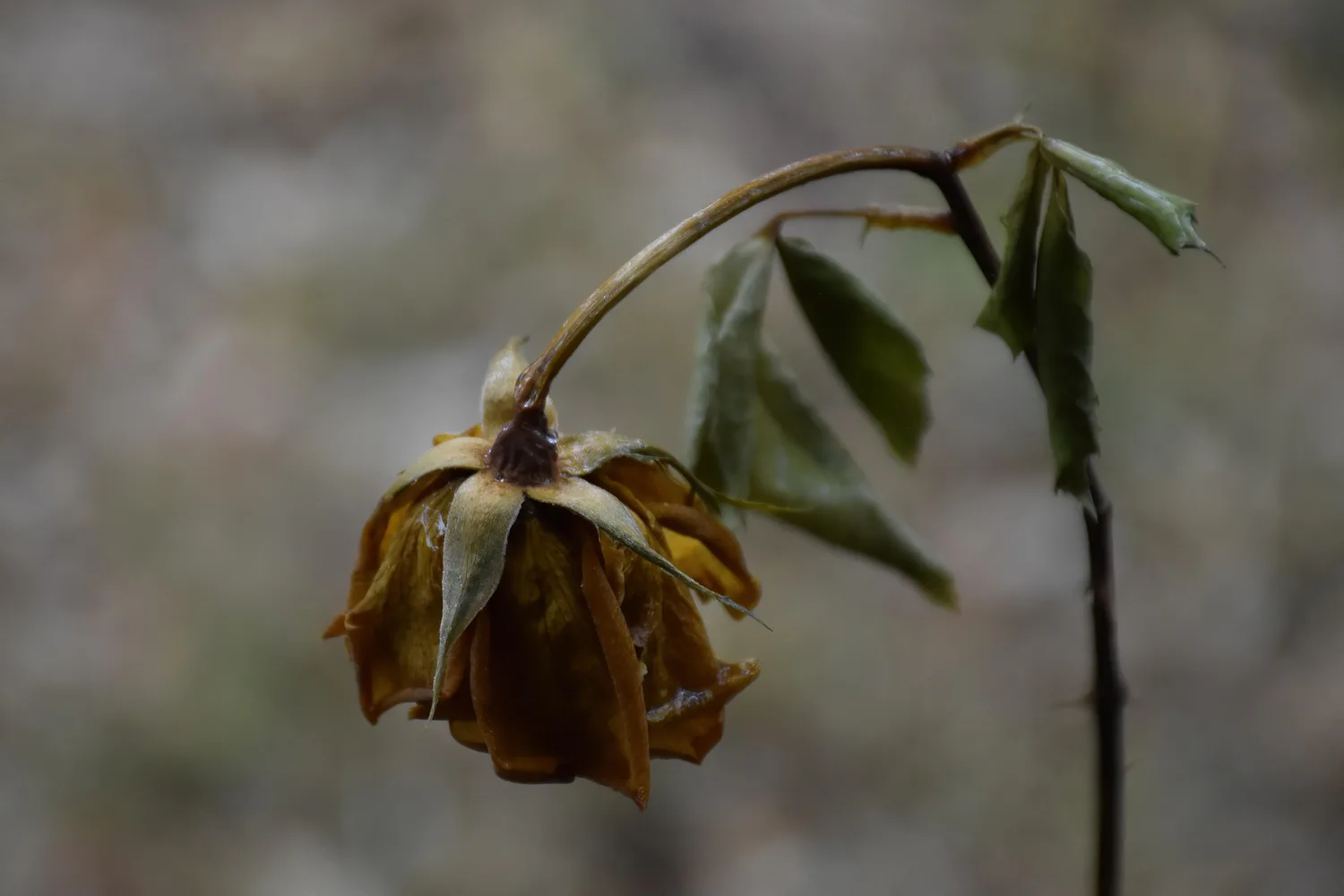
Yellowing of leaves often occurs due to overwatering, lack of nutrients, or root damage. Dark spots on the leaves may indicate fungal diseases. Curling of young shoots and buds is often associated with the appearance of aphids or thrips.
To reduce risks, roses are planted at an appropriate distance, watered at the root, diseased leaves are not left under the bushes, and clean tools are used for pruning. New seedlings are carefully inspected before planting to avoid introducing pests or infections to the site.