










Garden plants for your plot: types, cultivation specifics, and common mistakes
Kyiv • UNN
A healthy garden requires proper watering, soil selection, and seasonal preparation. Rules for transplanting and protecting plants from pests and diseases are described.

Garden plants require the correct choice of location, regular watering, soil condition monitoring, and preparation for seasonal changes. UNN looked into how to make shrubs, flowers, perennials, and annuals "feel" comfortable in your garden.
Which plants are planted in gardens and what makes them special
Garden ornamental plants are grown for landscaping. These include:
- coniferous crops;
- ornamental foliage plants;
- perennials;
- groundcover species;
- plants for borders and containers.
They all differ in height, crown shape, leaf color, flowering period, and growing condition requirements. When choosing, one must consider the size of the adult plant, growth rate, pruning needs, and frost resistance.
Garden shrubs have a developed above-ground part and can serve as both an ornament for a garden or homestead and a source of fruit. This category includes:
- hydrangeas;
- spirea;
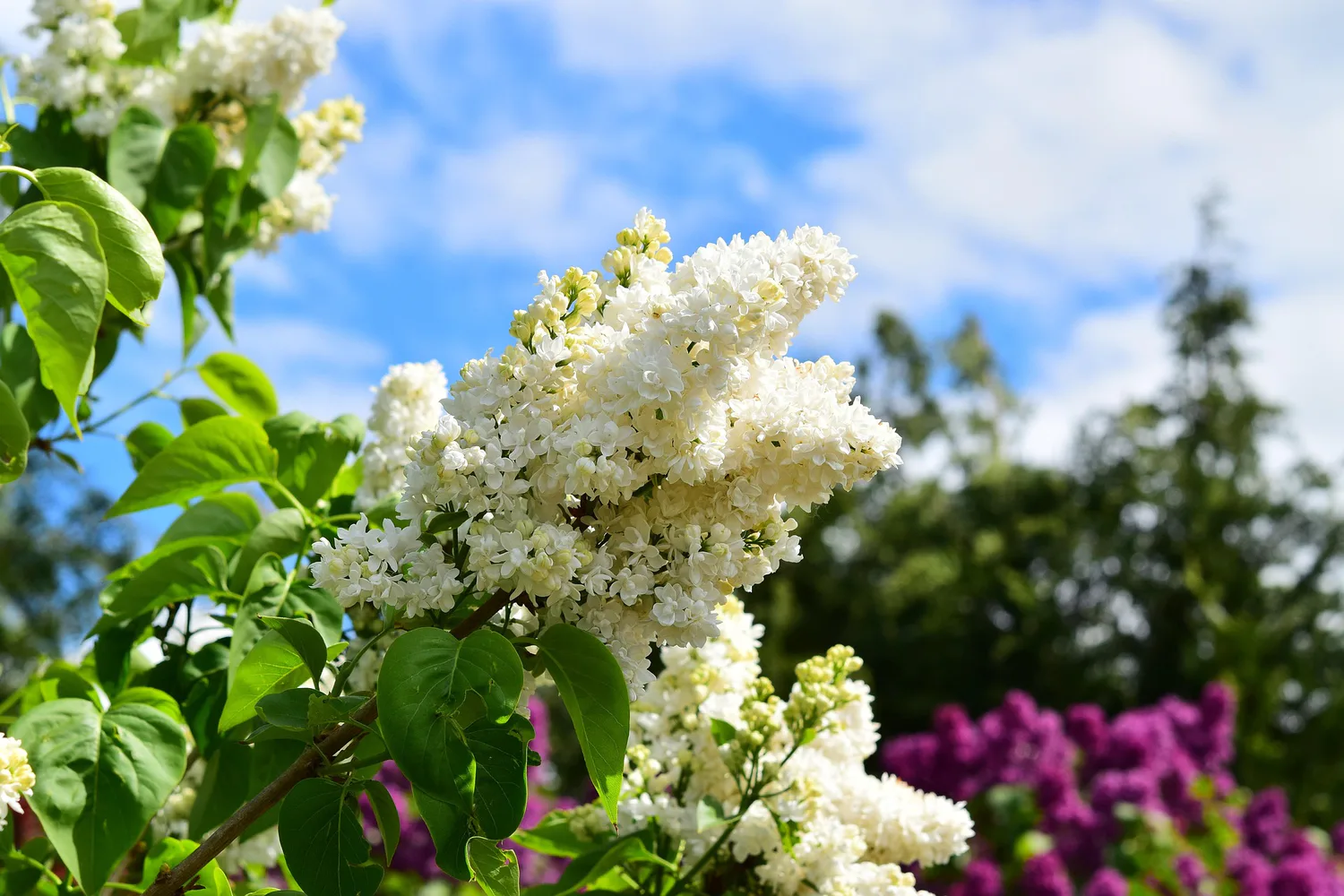
- lilac;
- jasmine;
- barberry;
- roses;
- currants;
- raspberries and gooseberries.
Shrubs are planted taking into account the distance between seedlings, future crown size, and access to light. Overcrowding can lead to poor ventilation, the development of fungal diseases, and disrupted flowering.
For fruit shrubs, soil fertility, sufficient moisture, and the removal of old shoots are important. Some shrub crops require formative pruning every year, while others are pruned to remove diseased or broken branches.
Garden flowers and other plants are divided into annuals, biennials, and perennials. Annual crops complete their full development cycle within one season. Perennials can grow in one place for several years. Common garden flowers in Ukraine include:
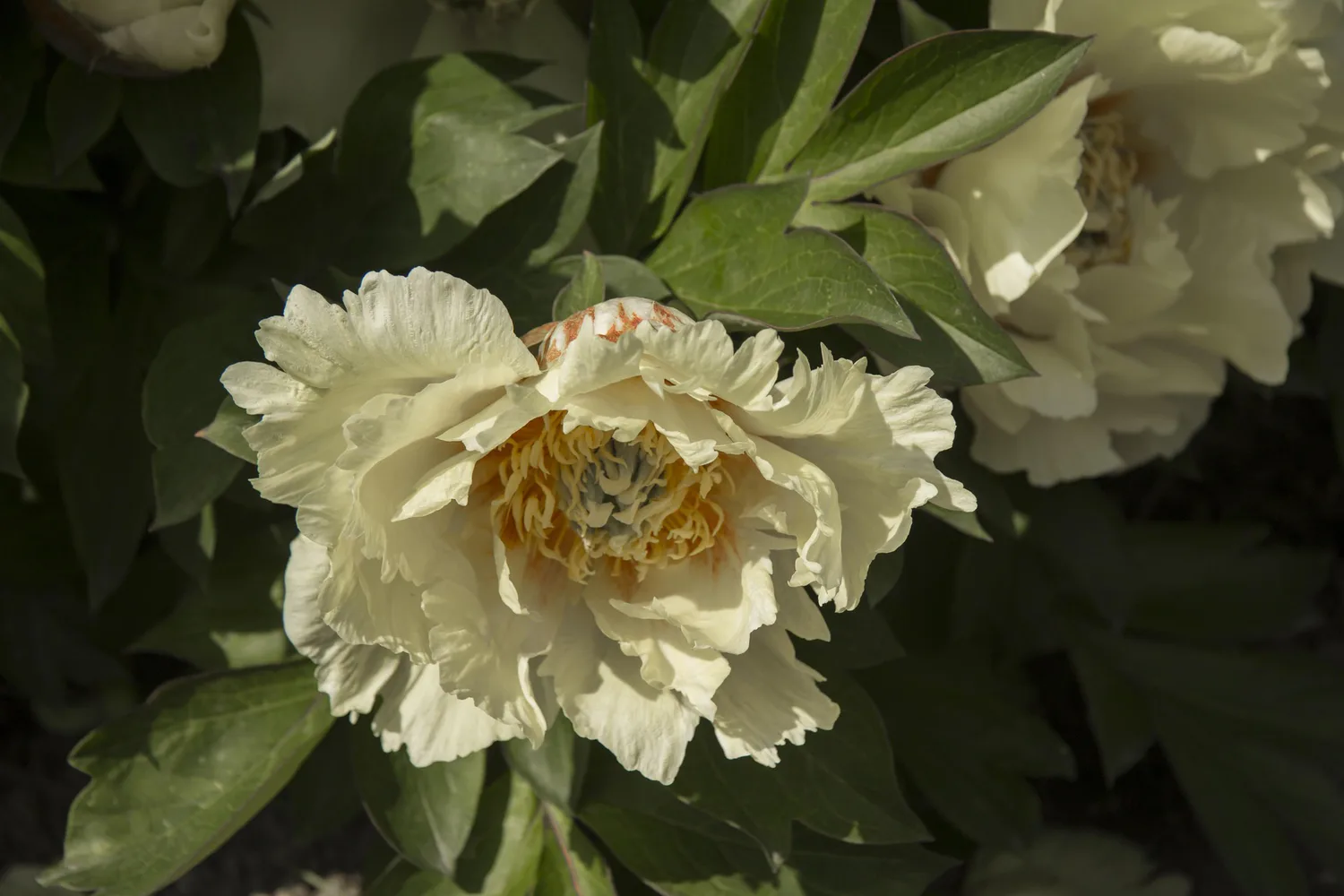
- peonies;
- irises;
- lilies;
- tulips;
- daffodils;
- asters;
- marigolds;
- petunias;
- phlox;
- chrysanthemums.
Bulbous crops are planted in autumn or spring depending on the species. Perennials periodically require bush division, rejuvenation, and transplantation.
How to care for garden plants: basic rules
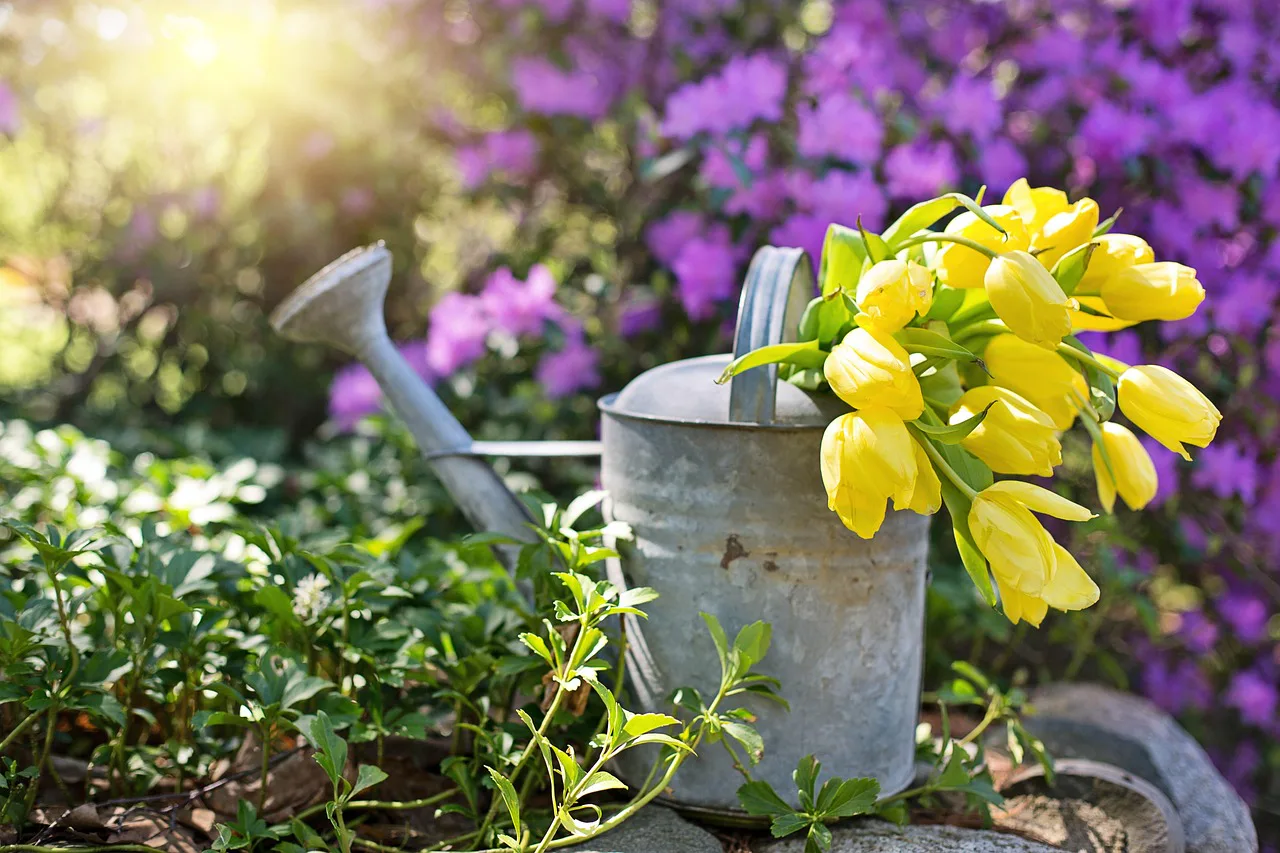
Watering is one of the basic elements of care. Water requirements depend on the plant species, age, weather, soil type, and stage of development. Young seedlings must be watered regularly after planting because their root system cannot yet obtain enough moisture from deeper soil layers. Plants should be hydrated in the morning or evening.
Water should reach the roots, not the leaves and flowers, especially in hot weather. For many crops, stagnant water is dangerous, as it can cause roots to rot. Therefore, immediately after watering, the soil should be gently loosened to allow air to reach the root system.
The soil itself should be selected according to the needs of the specific plant. Most garden crops grow well in loose, nutritious, and well-drained soil. Before planting, the area should be cleared of weeds, dug over, and, if necessary, supplemented with compost, humus, sand, or special substrates. For plants that require an acidic environment, experienced gardeners use peat and appropriate soil mixes.
Fertilization is carried out taking into account the season and the plant's condition. In spring, plants often need nitrogen for shoot and leaf growth. When buds appear, followed by flowers, it is important to provide the plant with sufficient phosphorus and potassium. In autumn, the amount of nitrogen fertilizer is reduced to avoid stimulating active growth before the cold. If the soil is fertilized too actively during this period, the fertilizers can damage the roots and weaken the plant.
Lighting significantly affects the development of garden plants. Light-loving crops should be planted in open areas where they receive enough sun. Shade-tolerant plants can be planted near fences, under trees, or near buildings. It is worth remembering that with a lack of light, a plant may stretch out, lose its decorative appeal, and produce fewer flowers.
Temperature conditions depend on the origin and winter hardiness of the crop. Before buying seedlings, it is worth checking if the plant is suitable for cultivation in a specific region. Heat-loving crops require cover, mulching, or moving to a protected place during cold periods.
Transplanting and root system care: what you need to know
Transplanting is necessary when a plant lacks space, the soil is exhausted, the site has become unsuitable, or the crop is developing poorly in its old location.
Perennial flowers are transplanted when the bush begins to grow too densely or the plant starts to bloom weakly. However, note that shrubs are transplanted less frequently, as adult specimens find it difficult to tolerate a change of location.
Most often, transplanting is carried out in spring or autumn. Spring transplanting gives the plant time to take root before the heat. Autumn transplanting is suitable for many perennials and shrubs if there is enough time before steady frosts. It is undesirable to transplant plants in the heat, as they quickly lose moisture.
Before planting, the soil or planting hole must be prepared. Its size should correspond to the volume of the root system. On heavy soils, it is advisable to provide a drainage layer. On poor soils, compost or other organic materials are added to the planting hole.
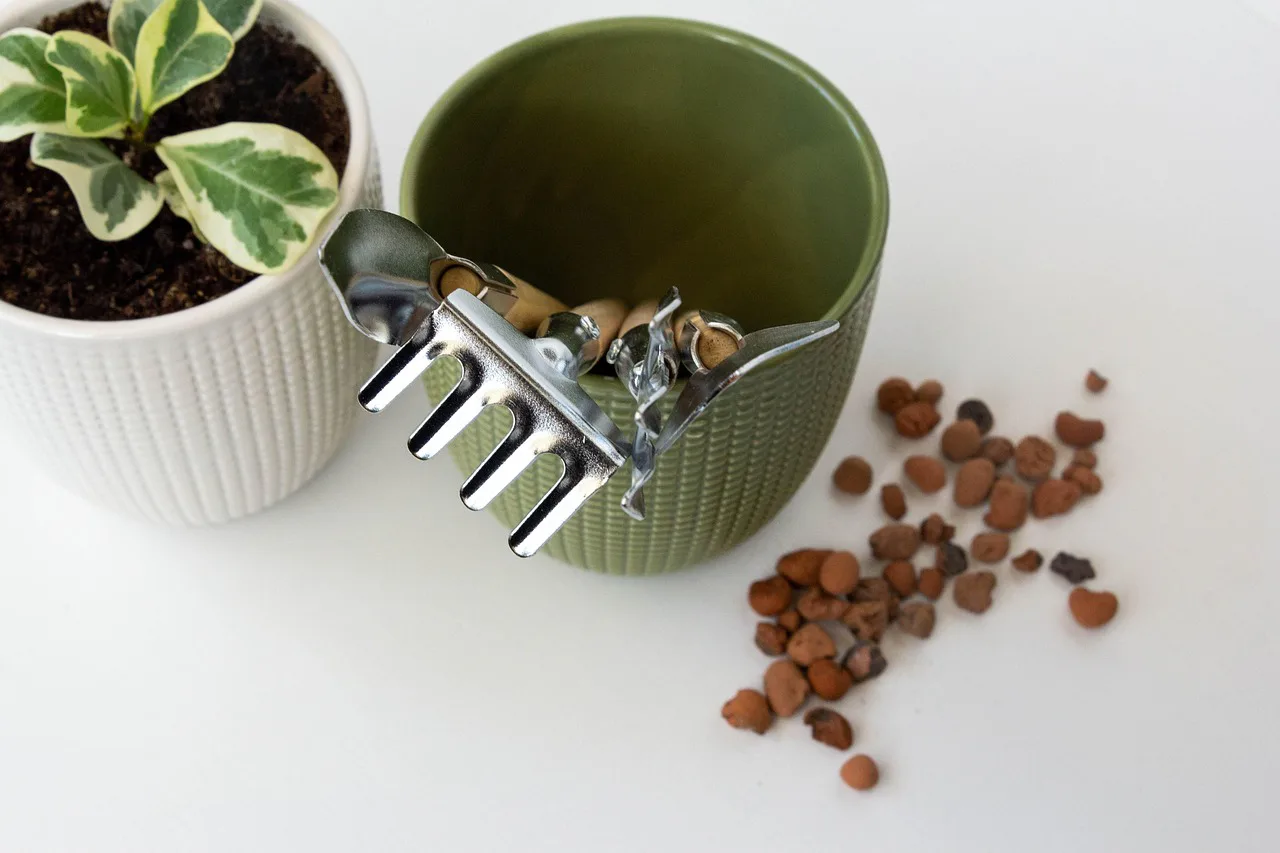
If plants are grown in pots or containers, it is important to choose a container with drainage holes. A layer of expanded clay or other drainage material can be placed at the bottom. The pot should not be too tight, as roots need space to grow. A container that is too large can create a problem if the soil remains wet for a long time.
The root system can be shallow, deep, or branched. Plants with shallow roots are sensitive to soil drying and mechanical damage during loosening. Crops with deep roots are able to use moisture from lower soil layers but find transplanting difficult.
Caring for garden plants in different seasons
In spring, garden plants are inspected after winter; dry, damaged, and frost-bitten parts are removed, covers are taken off, the soil is loosened, and the first fertilizers are applied. During this time, sanitary pruning is performed, new plants are planted, perennials are divided, and flower beds are prepared for the season. In spring, it is also important to monitor for the appearance of pests.
In summer, the main focus is on watering, weeding, loosening, fertilizing, and removing wilted flowers. During hot periods, plants may require more frequent hydration. Container crops dry out quickly, so they are checked more often. Mulch is used to preserve moisture in the soil.
In autumn, the garden is prepared for the cold period. Plants are cleared of dry leaves and faded parts, pruning is carried out according to the crop type, and plant debris that could be a source of disease is collected. During this period, some bulbous plants are planted, perennials are transplanted, tree circles are mulched, and young seedlings are protected.
In winter, care is reduced to monitoring covers and protecting against frost, wind, and snow damage. The cover must be breathable so that excess moisture does not accumulate under it. After heavy snowfalls, heavy snow is gently shaken off the branches. Plants in containers are moved to a protected place or the pots are insulated.
Plants in the garden: possible problems and how to avoid them
The most common problems in caring for garden plants are related to improper watering, unsuitable soil, lack of light, excess fertilizer, pests, and diseases.
Warning signs can include yellowed leaves, weak flowering, wilting, spots on leaves, deformation of shoots, root rot, or stunted growth.
To reduce risks, plants should be inspected regularly, overcrowding should be avoided, affected parts should be removed, soil moisture should be monitored, and healthy planting material should be used. Pruning tools should be cleaned, especially after working with diseased plants. If pests are noticed, they must be dealt with immediately.
As a reminder
Earlier we wrote that garden care involves regular watering, fertilizing, and pruning of plants. Seasonal work and protection from pests guarantee the health of the garden and the harvest.