










Ministry of Health explained to Ukrainians how to donate blood and become a donor
Kyiv • UNN
Any adult weighing over 50 kg without medical contraindications can become a donor. To donate blood, a passport is required, along with adherence to a special diet.

Donor blood remains one of the most critical resources for the healthcare system. It is essential for victims of road accidents, patients during complex surgeries, people with oncological diseases, and wounded military personnel.
The Ministry of Health emphasizes: most healthy adults can become donors if they do not have contraindications for blood donation.
UNN explains who can donate blood in Ukraine, how to prepare for donation, and where to go.
Who can be a blood donor in Ukraine
Any capable person who has undergone a medical examination and has no contraindications to donation can be a donor of blood and its components. This applies to citizens of Ukraine, as well as foreigners or stateless persons who have a permanent residence permit in Ukraine.
Before each donation, a potential donor undergoes an interview and a medical examination. A doctor assesses the general state of health, measures blood pressure, body temperature, pulse, and checks other indicators that may affect the safety of the procedure for the donor and the future recipient.
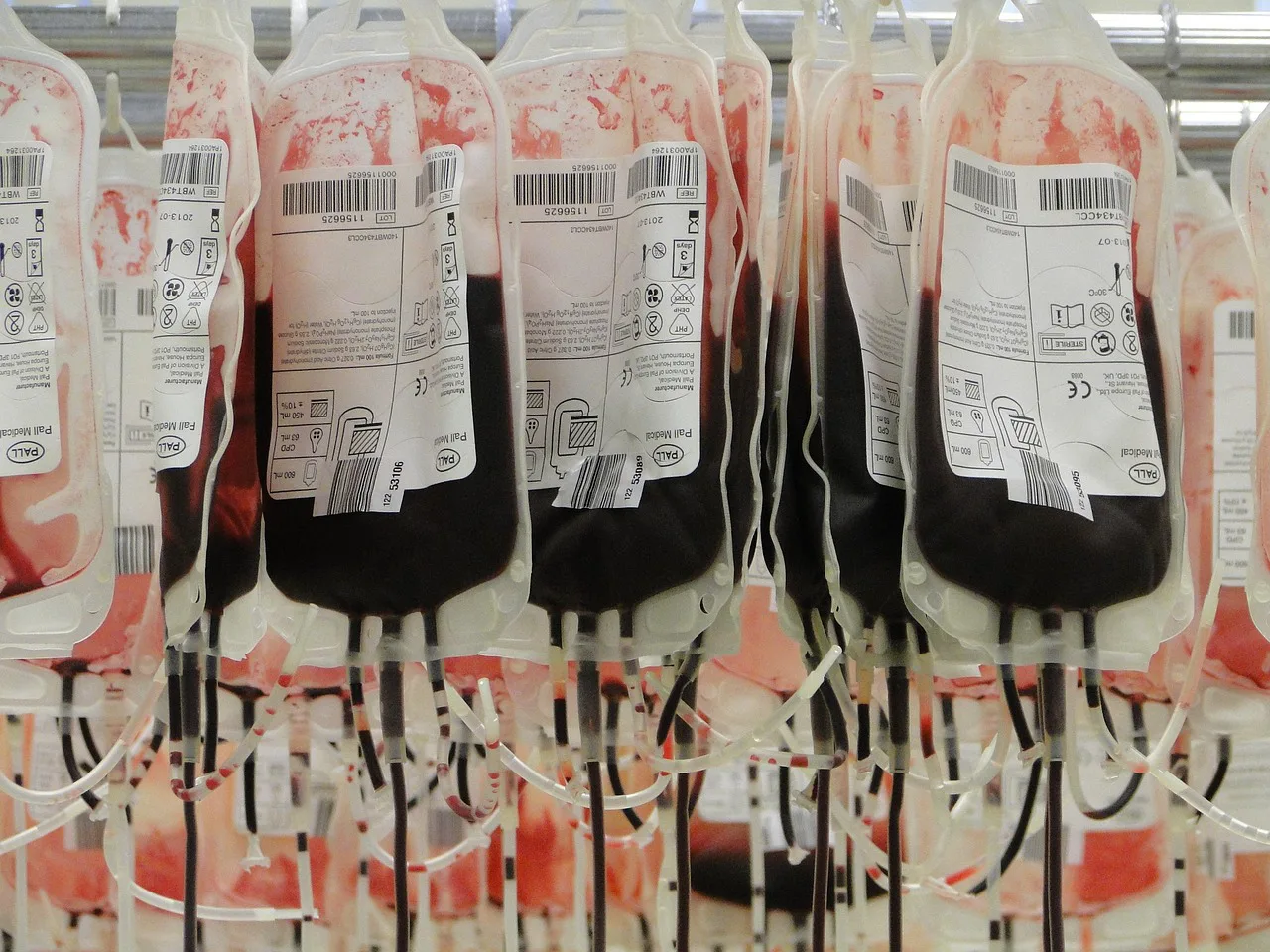
Requirements for a blood donor in Ukraine
Donation is a responsible procedure. A healthy person can donate blood. That is, someone who does not suffer from chronic illnesses, does not take lifelong medication, and is not on a medical registry due to certain diseases.
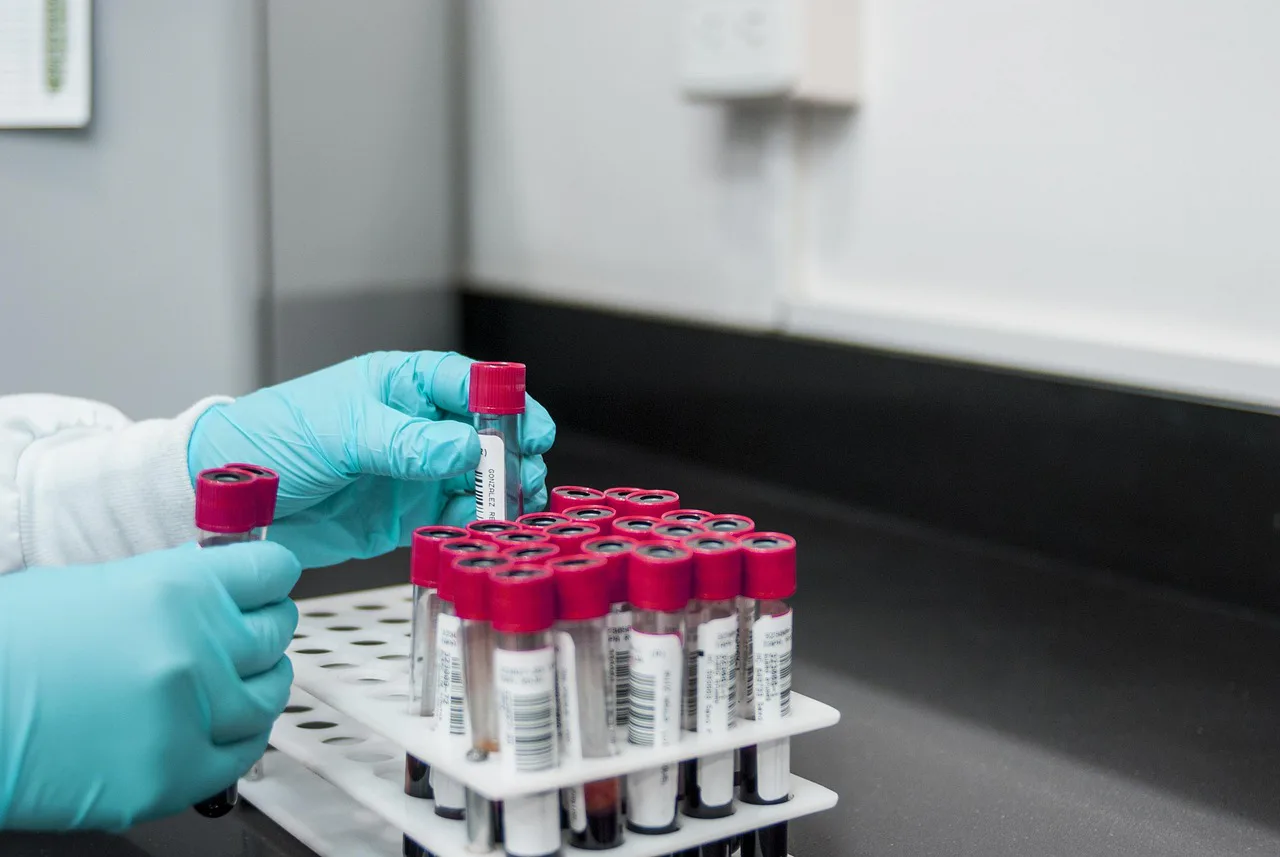
What age and weight are required to donate blood
One of the main conditions for donation is reaching the age of majority. A person aged 18 and over can become a donor. The rules also establish a minimum body weight. A donor must weigh at least 50 kilograms. If the body mass is lower, collecting a standard volume of blood can be dangerous for the person's health.
Experts emphasize that blood can only be taken if it does not harm the donor's health. That is why the final decision on admission to donation is made by a medical professional after examining the candidate.
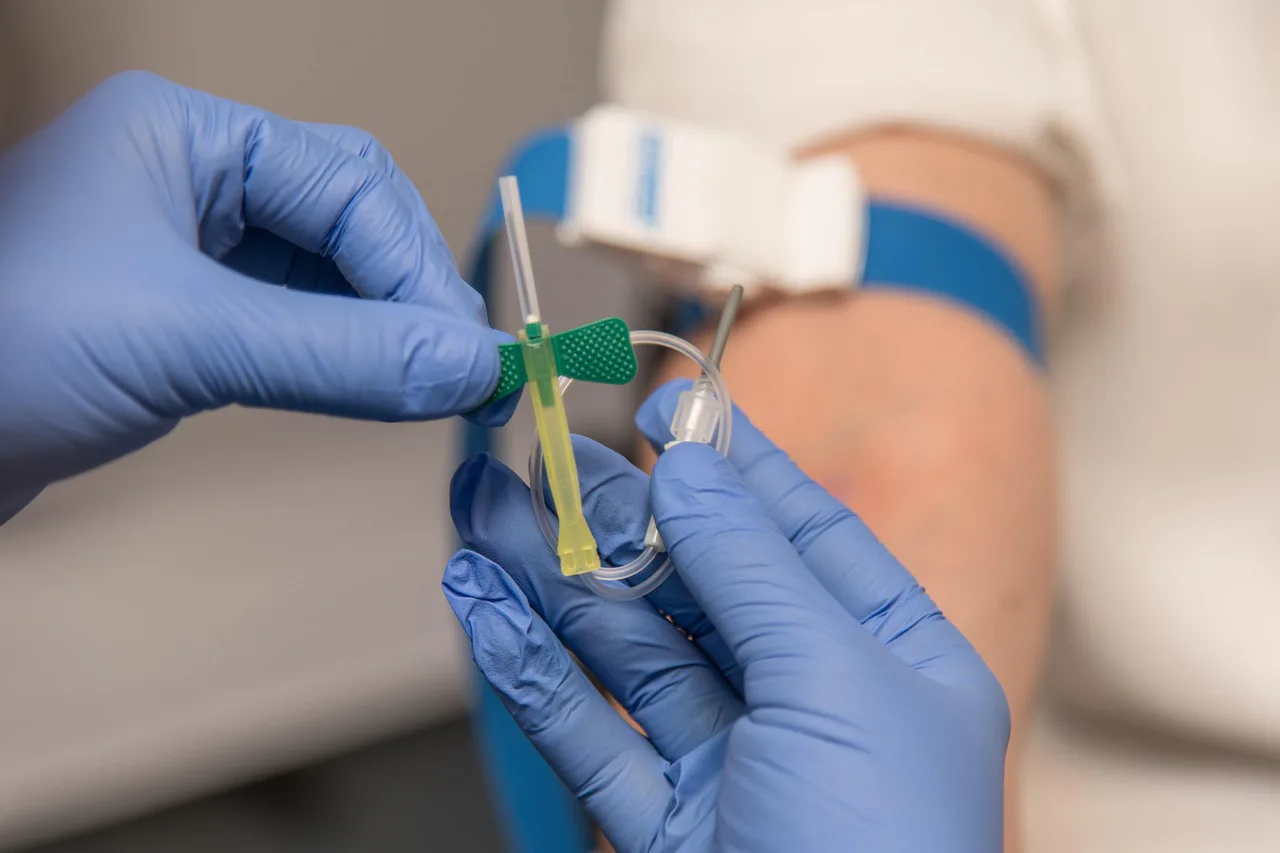
What health status and tests should a blood donor have
Before donating blood, every donor undergoes a mandatory medical examination. In particular, the person's hemoglobin level, general health status, and the presence of possible contraindications are checked.
In addition, the donor fills out a special questionnaire in which they report past illnesses, surgical interventions, medication intake, and other important factors.
After donation, blood samples undergo laboratory testing for infections and other safety indicators. This is necessary to protect patients who will require a transfusion.
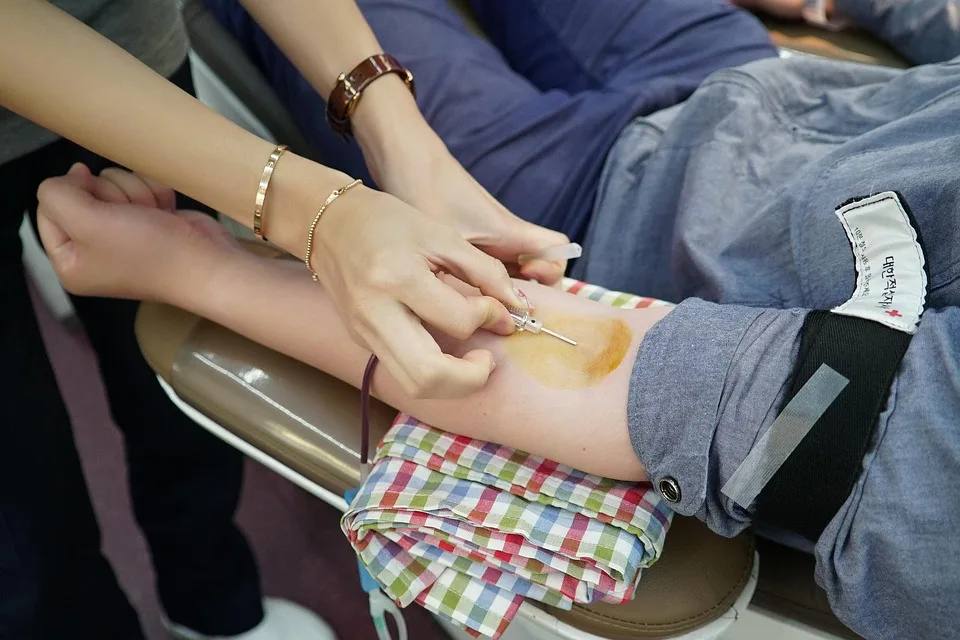
Contraindications to blood donation in Ukraine
Contraindications are primarily about caring for the donors. The principle of "do no harm to yourself" applies. All prohibitions are divided into absolute and temporary.
Absolute contraindications to blood donation
There is a list of diseases and conditions in the presence of which a person cannot be a donor on a permanent basis.
Absolute contraindications include:
- HIV infection;
- viral hepatitis;
- certain severe chronic diseases of the cardiovascular system;
- oncological diseases;
- blood diseases;
- history of serious diseases of the central nervous system;
- history of repeated cases of syncope or seizures;
- gastrointestinal, genitourinary, hematological, immunological, metabolic, renal diseases, or respiratory system diseases;
- diabetes mellitus and other endocrine diseases in case of functional impairment;
- babesiosis;
- kala-azar (leishmaniasis);
- transmissible spongiform encephalopathy;
- use of steroids and hormones for bodybuilding;
- surgical interventions involving resection or amputation of an organ.
Such restrictions were established to protect both the donor and the people who will receive the blood transfusion.
Temporary restrictions for blood donors
In addition to permanent contraindications, there are also temporary ones. A person may be suspended from donation in the following cases:
- after infectious diseases (for 2 weeks after the date of full clinical recovery);
- if the person had brucellosis (2 years must pass after the date of full recovery);
- after osteomyelitis (2 years must pass after all symptoms disappear);
- history of Q fever (a 2-year quarantine after the date of confirmed recovery is required before the first blood donation);
- diagnosed syphilis (blood donation is allowed 1 year after the date of complete disappearance of signs of the disease);
- toxoplasmosis (6 months must pass after the date of clinical recovery);
- tuberculosis (donating blood and plasma is allowed 2 years after the date of confirmed recovery);
- history of rheumatic fever (donation is possible 2 years after recovery, except in cases of signs of chronic heart disease);
- COVID-19 (requires a 28-day quarantine after full recovery);
- after malaria infection (it is necessary to abstain from blood donation for 3 years after returning from the last visit to any endemic area; in the absence of symptoms, the period may be reduced to 4 months);
- after surgical operations (suspension for 6 months; suspension for 4 months if the NAT test result for hepatitis C is negative);
- after endoscopic examinations (suspension for 6 months; suspension for 4 months in case of a negative NAT test result for hepatitis C);
- after tattoos and piercings (suspension for 6 months);
- vaccination (suspension for 4 weeks);
- in case of taking certain medications or other medical procedures;
- in case of pregnancy (prohibition for 6 months after childbirth or termination of pregnancy, except in exceptional circumstances and at the doctor's discretion).
The duration of the temporary ban on donating blood and its components (plasma) depends on the specific situation and is determined by the current requirements of the Ministry of Health.
Also, a temporary reason for refusal may be feeling unwell, elevated body temperature, low hemoglobin levels, or other abnormalities detected during the medical examination.
How to prepare for blood donation
The Ministry of Health recommends starting preparation for donation in advance.
A day before the procedure, you should avoid fatty, fried, smoked, and overly spicy foods. It is also not recommended to consume dairy products and eggs. Instead, you can eat porridges cooked in water, pasta without butter, vegetables, fruits, crackers, bread, compotes, juices, and weak sweet tea.
On the day of donation, it is necessary to have a light breakfast and drink enough fluids. Donating blood on an empty stomach is not recommended. It is also advisable to get a good night's sleep and avoid excessive physical exertion the day before.
Where to go - blood transfusion stations
In order to donate your blood and plasma, you need to choose a blood center or a specific recipient and schedule the donation for a convenient day and time.
Information on where to donate blood in your regional center or just a large city can be found here. The resource helps find regional and city blood service centers, transfusion stations, as well as individual medical institutions that have the appropriate license.
In addition, up-to-date information can be found on:
- Ministry of Health resources;
- the website of the Ukrainian Transplant Coordination Center;
- specialized donor platforms.
Note that the donor's place of residence or registration does not matter in this case.
Important: donors must bring an identification document. This refers to a passport of a citizen of Ukraine (booklet passport or ID card) and an identification code. You can also use documents in the "Diia" mobile application for administrative services.
Ukrposhta has issued a stamp for World Blood Donor Day15.06.25, 03:37 • 4163 views
Reminder
Earlier, UNN wrote that regular blood donation has a positive effect on health at the genetic level. An international group of scientists found that beneficial mutations in the DNMT3A gene are more common in blood donors. Blood loss stimulates the production of erythropoietin, which improves blood levels after blood loss.