










Lilies in the flowerbed: when to plant, how to fertilize, and how to protect from pests
Kyiv • UNN
Lilies need a sunny location, loose soil, and moderate watering. For lush flowering, fertilizing with phosphorus and potassium and protection from fungal diseases are important.

Lilies are among the most popular ornamental plants in gardens. They are grown for their large, fragrant or nearly scentless flowers, which look aesthetically pleasing in flower beds.
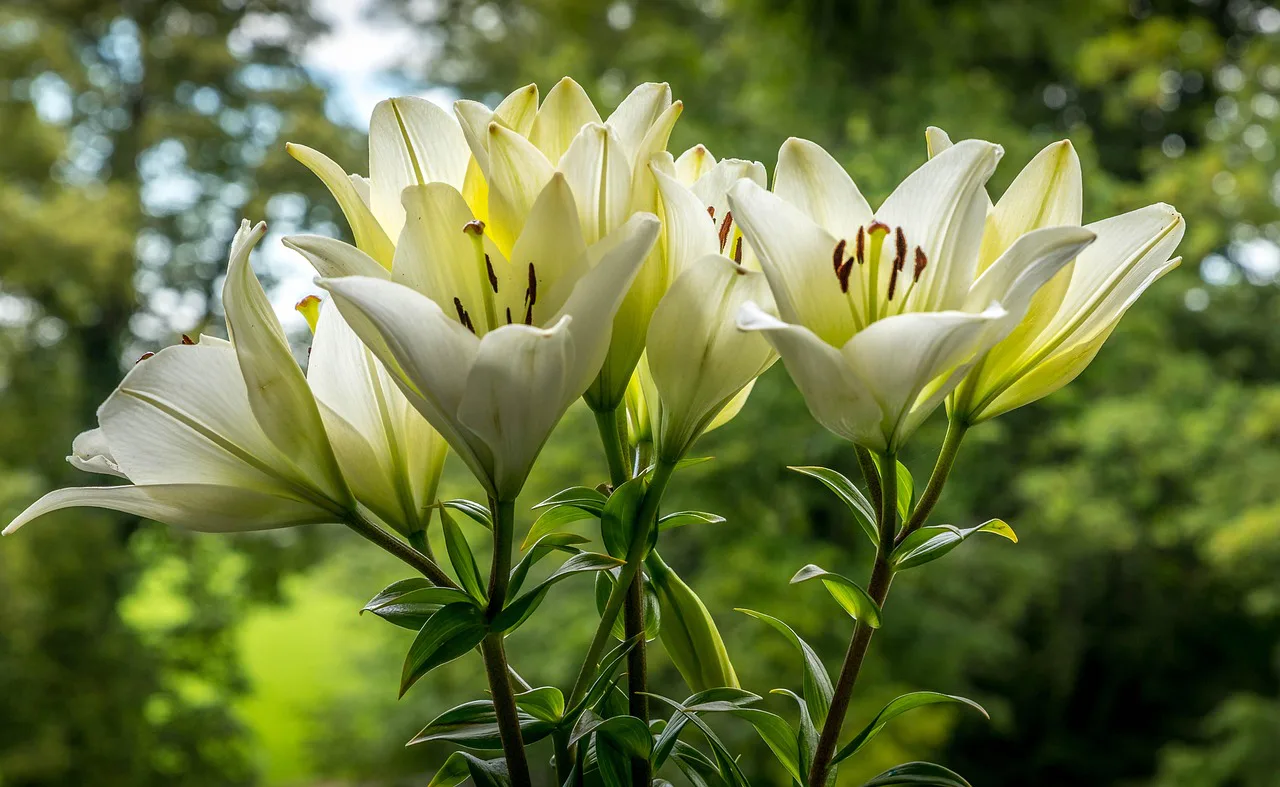
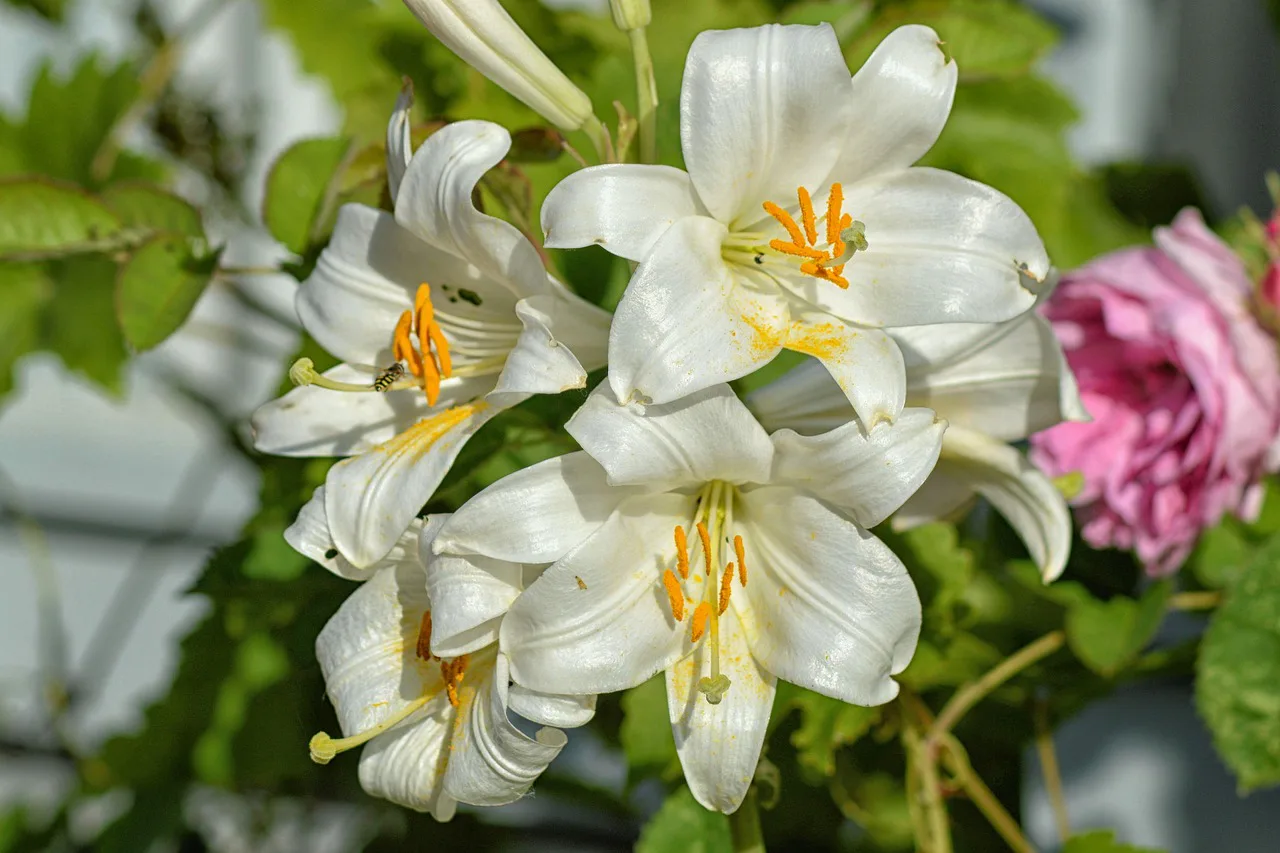
Depending on the species and variety, these flowers can bloom from early summer to August, and sometimes even longer. The most commonly grown in gardens are Asiatic, Trumpet, Oriental, LA- and OT-hybrids. They differ in height, flower shape, fragrance, and growing requirements, but basic care for most lilies is similar.
How to properly care for lilies so that the plants do not get sick and bloom profusely throughout the summer season, reports UNN.
In flower beds, near paths and on terraces: where is the best place to plant lilies
It should be noted that lilies cannot be called too finicky. However, they do poorly with stagnant water near the roots, heavy soil, do not like fresh manure as fertilizer, and require regular watering. With proper care, the flowers annually grow strong stems, form large buds, and can grow in one place for a long time.
The best time for planting lilies is autumn (usually the period from September to October, when the soil is still warm but the heat has already passed). The bulbs have time to root before winter and start growing faster in spring. In regions with cold winters, it is better to finish planting a few weeks before persistent frosts.
Planting lilies in spring is also possible. Especially if the bulbs themselves were purchased in the spring months or if the gardener wants to plant varieties sensitive to waterlogging in winter.
The place for lilies is chosen to be bright and protected from strong wind. Most varieties grow well in the sun or in light partial shade. It is desirable that the upper part of the plant receives enough light, while the root zone is slightly shaded. For this, low-growing perennials can be planted nearby or the soil can be mulched.
Do not plant lilies in lowlands where water stagnates after rains or snowmelt. Excess moisture quickly leads to rotting of the bulbs. Also undesirable are areas where diseased bulbous plants previously grew.
In one place, lilies can grow for about 3 to 5 years. When flowering weakens, stems become shorter, and flowers become smaller, the bulb nests should be dug up, divided, and replanted.
The planting depth depends on the size of the bulb. Usually, it is planted in the soil at a depth of three times the height of the bulb itself. For large bulbs, this is a hole 15–20 cm deep, for small ones — 8–12 cm.
The distance between plants is left at 20–30 cm, and for tall varieties — up to 40 cm. It is advisable to pour a layer of sand or fine drainage material at the bottom of the planting hole to protect the base of the bulb from excessive moisture.
Which soil is best for lilies
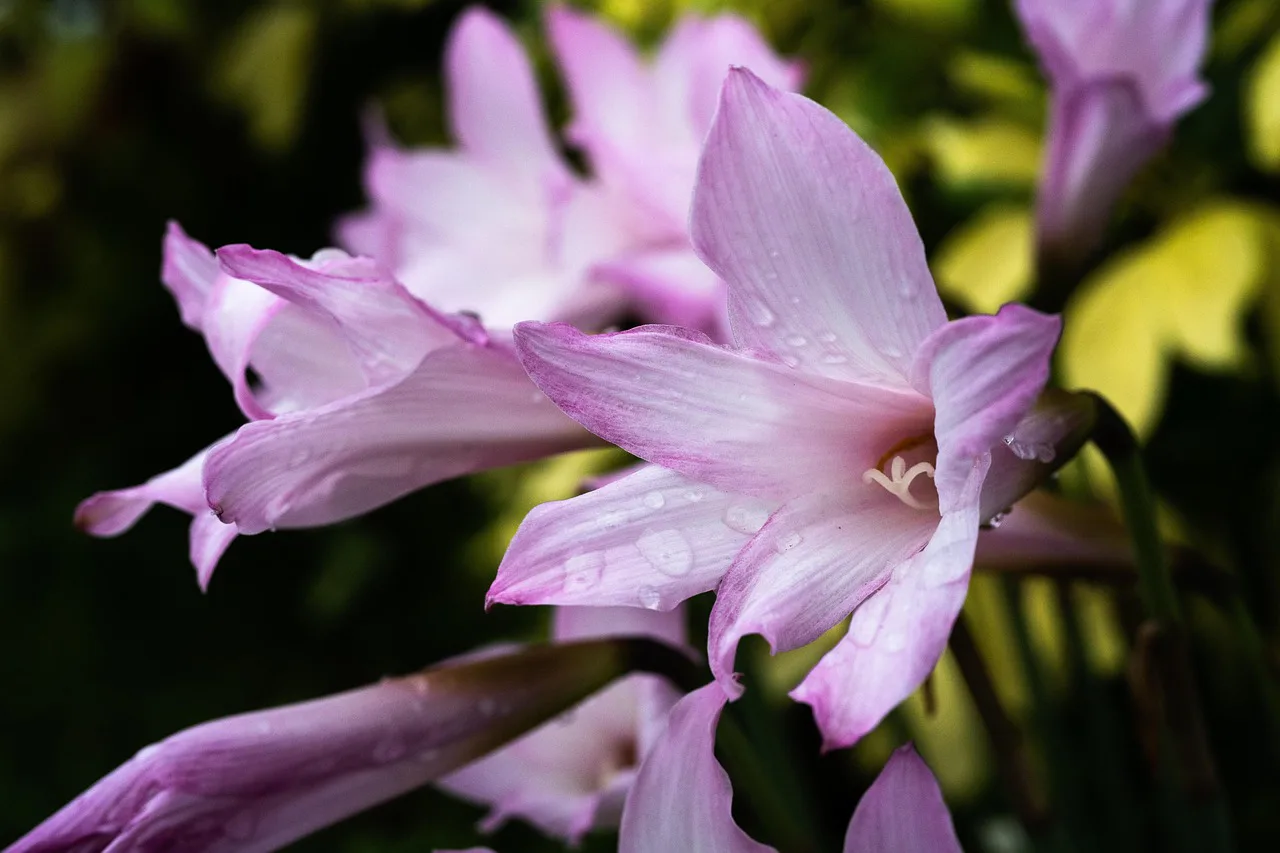
Lilies grow best in loose, nutritious, well-drained soil. Clay soils are undesirable for these plants: they retain water, the lily roots receive less air, and the bulbs get sick more often. If the soil on the site is dense, it should be diluted with sand, compost, rotted humus, or leaf soil. However, fresh manure cannot be applied under lilies: it provokes fungal diseases and can damage the bulbs.
Before planting, the soil is dug up, removing weeds and roots of perennial plants. Compost and complex mineral fertilizer for flowering crops can be added to the planting area. The main task is to create conditions for the bulb where water does not stagnate and there are enough nutrients for the start of growth.
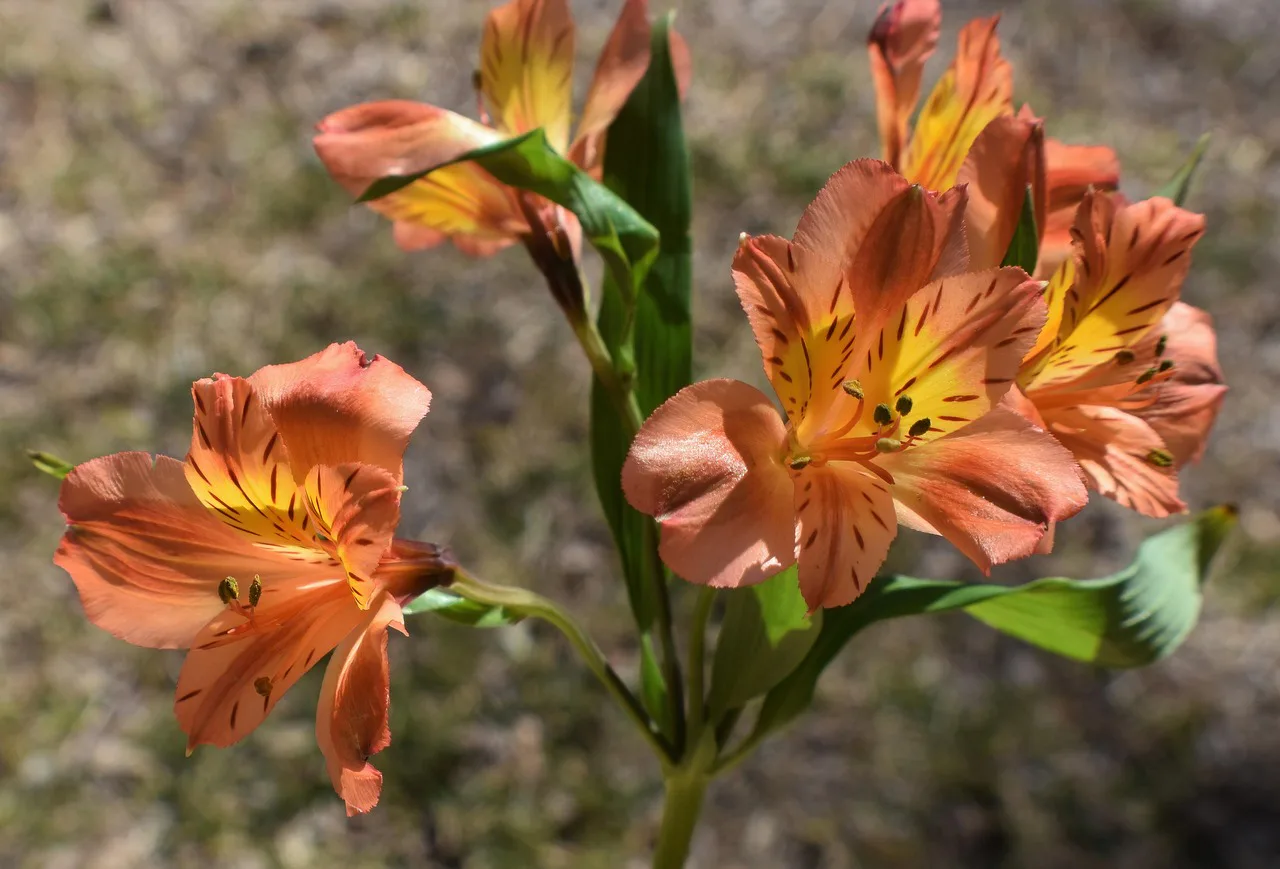
In addition, gardeners who want to plant lilies and get abundant flowering from them should pay attention to soil acidity. It depends on the group of lilies. Most Asiatic and LA-hybrids grow well in neutral or slightly acidic soils. Oriental lilies often feel better in a slightly acidic environment. Trumpet lilies do not like excessive acidity, so for them the soil is sometimes deoxidized with dolomite flour or wood ash. Before introducing such substances, it is advisable to at least approximately know the acidity of the site.
How to properly water lilies in a garden plot
Lilies require moderate but regular watering. They need the most moisture in spring during active growth, during the period of bud formation and during flowering. After flowering ends, watering is gradually reduced, but not stopped immediately, because the bulb is still accumulating nutrients for the next season.
It is better to water lilies at the root, avoiding water getting on the leaves and buds. Moisture on the leaves, especially in cool weather, increases the risk of fungal diseases. The optimal time for watering is morning or evening. In hot weather, surface moistening is not enough: water must penetrate the root zone.
After watering, the soil around the flowers should be carefully loosened to prevent crust formation. Since lily roots can be located close to the surface, loosening should be shallow. Mulching works well: a layer of compost, bark, mowed grass, or peat helps retain moisture, suppresses weeds, and protects the roots from overheating.
What can you feed lilies with
Lilies are fed several times per season. In spring, when sprouts appear, plants need nutrients to build green mass. During this period, a complex mineral fertilizer with a moderate nitrogen content can be used. Excess nitrogen is undesirable: stems may grow succulent but weak, and the plant becomes more vulnerable to diseases.
The second feeding is carried out during the budding period. At this time, lilies need phosphorus and potassium, which promote the formation of large flowers and strengthen the plant. Complex fertilizers for flowering crops are suitable. After flowering, it is also useful to feed lilies with a potassium-phosphorus fertilizer so that the bulb ripens better and prepares for winter.

Organic matter is used carefully. Well-rotted compost can be applied as part of soil preparation or as a light mulch. Fresh manure, concentrated infusions, and excessive doses of fertilizers are best not used.
Pruning and shaping lilies: how to do it
Lilies do not require complex shaping. Their stems grow vertically, and the inflorescences please the eye even in their natural state, without human intervention.
However, tall varieties, especially in open windy areas, are best tied to a support. This will help avoid breaking stems during rain or strong wind.
After the lilies have bloomed, it is worth removing wilted flowers or seed pods. This procedure helps the plant not to waste energy on seed formation. At the same time, leaves and stems cannot be cut off immediately after flowering, because through its above-ground part, the bulb continues to receive nutrients. If the stem is cut too early, lilies may not bloom the following year.

Complete pruning of plants is carried out in autumn, when the stems turn yellow and begin to dry out. They are cut at a height of approximately 10–15 cm from the ground. It is better to remove the cut residues from the site, especially if they show traces of fungus and other diseases of ornamental flowers. For these reasons, it is also not worth leaving diseased leaves in the flower bed, as they can become a source of infection for the next season.
Diseases and pests of lilies: what they are and how to counteract them
The most common problems with lilies are related to fungal diseases. Gray mold appears as brown spots on leaves and buds, especially in wet, cool weather. Fusarium and various types of rot affect the bulbs, causing the plant to weaken, turn yellow, or not sprout at all. The main causes are waterlogging, poor drainage, dense planting, and infected planting material.
For prevention, bulbs are inspected before planting. Damaged, soft, or rotten specimens are best not planted. Suspicious areas can be removed, and the bulbs treated with a fungicide according to the instructions. It is also important not to thicken the plantings, not to water over the leaves, and not to leave plant debris in the flower bed.
Among the pests that can bother lilies are aphids, thrips, slugs, larvae of soil pests, and the lily beetle. Aphids are dangerous not only because they suck out juices, but also because they can carry viral diseases. Viral infections manifest as leaf mosaic, flower deformation, and growth suppression. Such plants are difficult to cure, so severely affected specimens are best removed.
The lily beetle is easily recognized by its bright red color. It and its larvae eat leaves and buds. In small plantings, beetles can be collected by hand. If there are many pests, insecticides approved for ornamental crops are used. Against slugs, removing excess vegetation, loosening the soil, traps, and special preparations help.
How to prepare lilies for winter
Preparing lilies for winter depends on the species, variety, and climate of the region. Most Asiatic hybrids winter well in open ground. Oriental lilies and some heat-loving varieties may require better shelter or planting in areas where water does not stagnate in winter. The main danger for lilies in winter is not only frost, but also waterlogging of the bulbs.
After the stems turn yellow, the lily stems are cut, and the area is cleared of plant debris. The soil can be mulched with dry peat, compost, leaves, or coniferous litter. A layer of mulch protects the bulbs from sharp temperature fluctuations. In regions with harsh winters, spruce branches or other breathable material can be added on top. It is better not to use polyethylene for covering: moisture accumulates under it and the bulbs may begin to rot.
If autumn is very rainy, valuable varieties are sometimes covered in a way to protect the plantings from excessive moisture. However, this should not completely block air access to the bulbs. In spring, such covers are removed gradually, when the risk of severe frosts has passed. It is not worth delaying this, as sprouts under cover may stretch out and weaken.
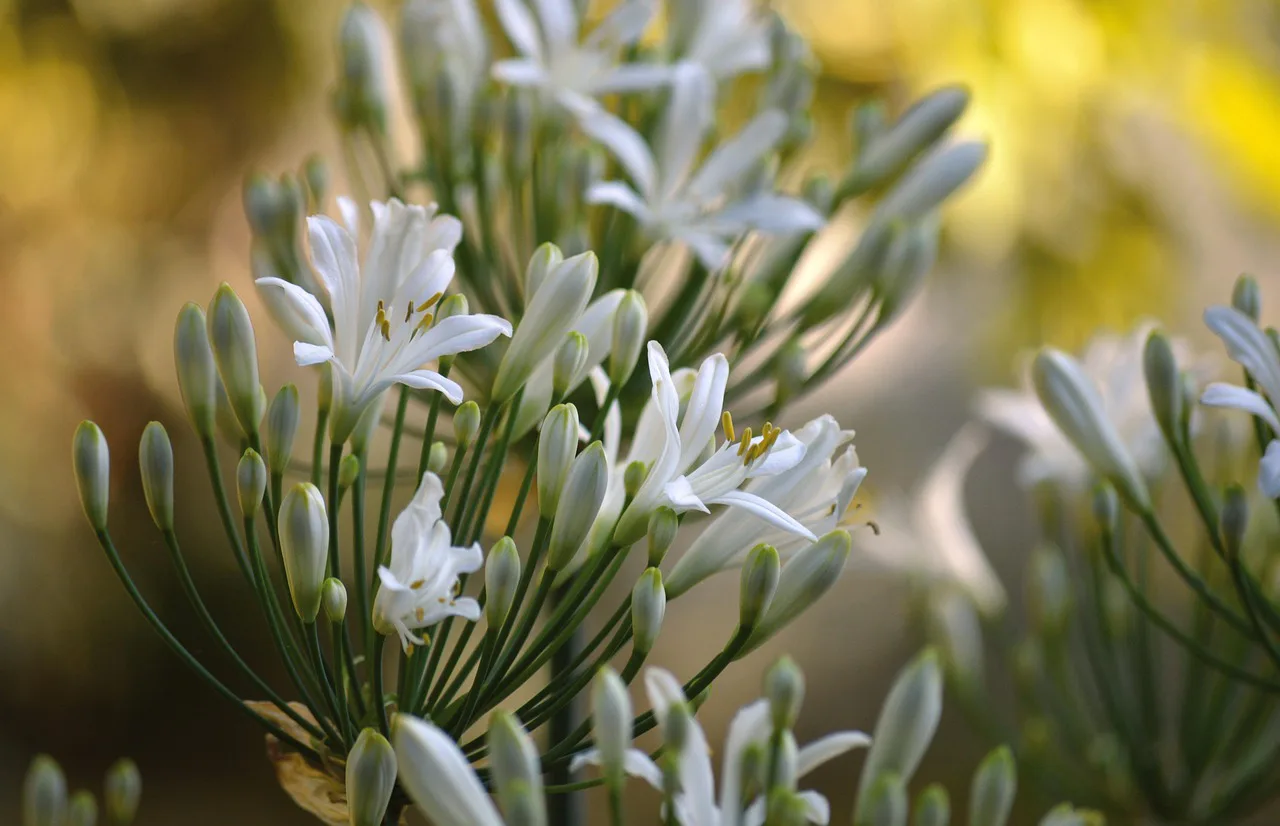
In addition, it is worth remembering that lilies need a sunny location, loose soil, drainage, watering without waterlogging, several balanced feedings, and timely removal of diseased residues for life and flowering. In this case, they will reward with abundant flowering that can be enjoyed all summer.