









How the "Flamingo" missile is created - Fire Point showed production features
Kyiv • UNN
Fire Point showcased the production of the Ukrainian cruise missile "Flamingo". Co-founder of the company Denys Shtilerman spoke about the features of its design, production scale, combat use, and changes in tactics that increased the effectiveness of strikes.

Ukrainian company Fire Point has showcased the production of the "Flamingo" cruise missile, which is already being used for strikes on Russian territory. Co-founder and chief designer of the company, Denis Shtilerman, in an interview spoke about the design features of the "Flamingo", the possibilities for scaling production, and explained how changes in tactical application have increased its effectiveness, reports UNN.
A tour of one of the company's production sites was conducted by journalist and author of the Pressing project Serhiy Peichev. He stated that the production of Ukrainian missiles is not concentrated in one place; the "Flamingo" is created at dozens of separate sites, each manufacturing individual units and components. This principle allows for ensuring production continuity even if a specific location is hit.

One of the features of the "Flamingo" is its design. The missile's nose cone is made of a radome composite material – a combination of fiberglass and a special resin. This is why it has a characteristic dark color. Behind the nose cone is the guidance system, the details of which are not disclosed for security reasons.
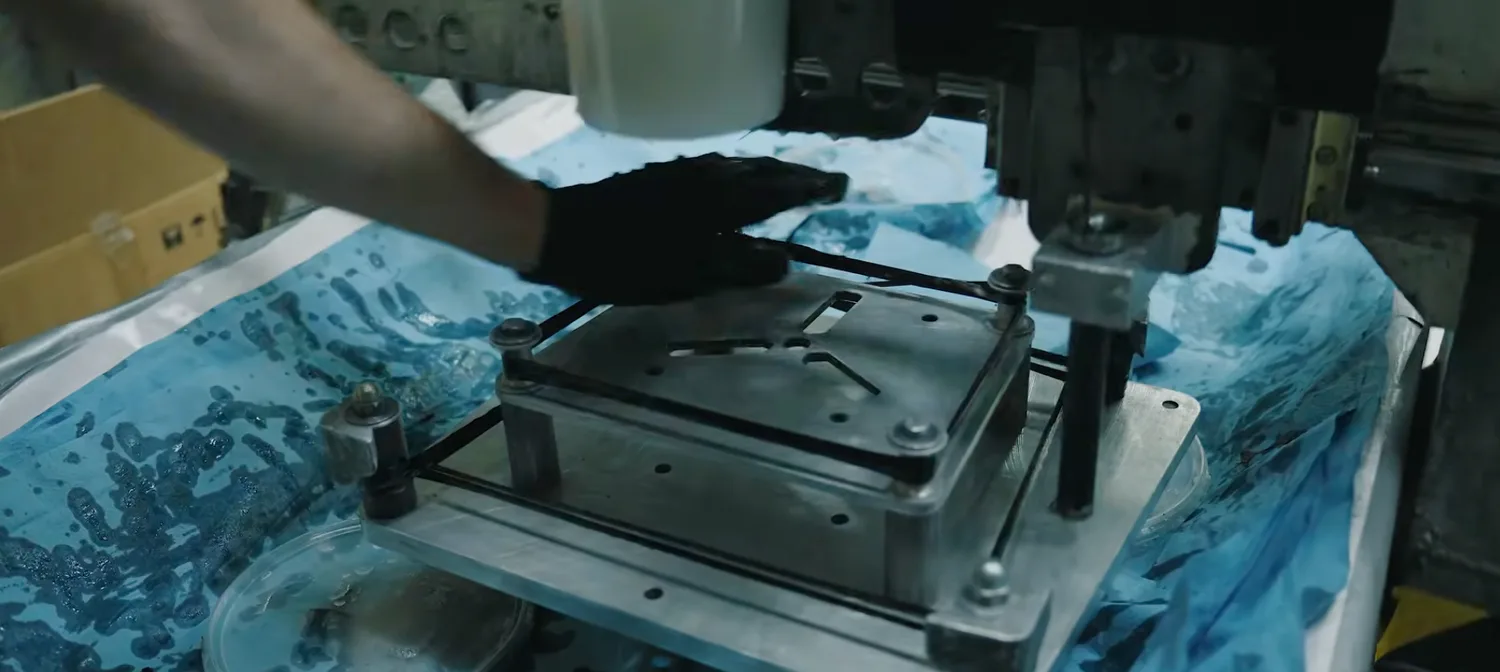
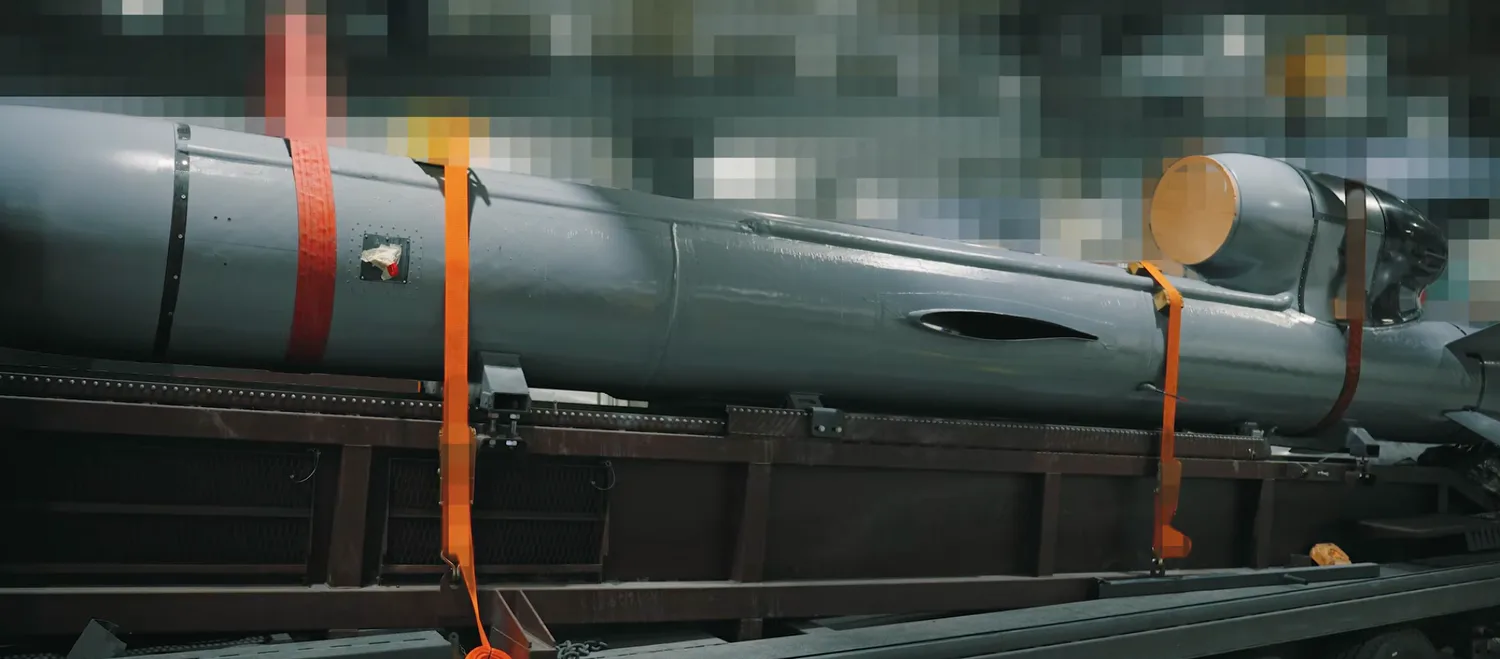
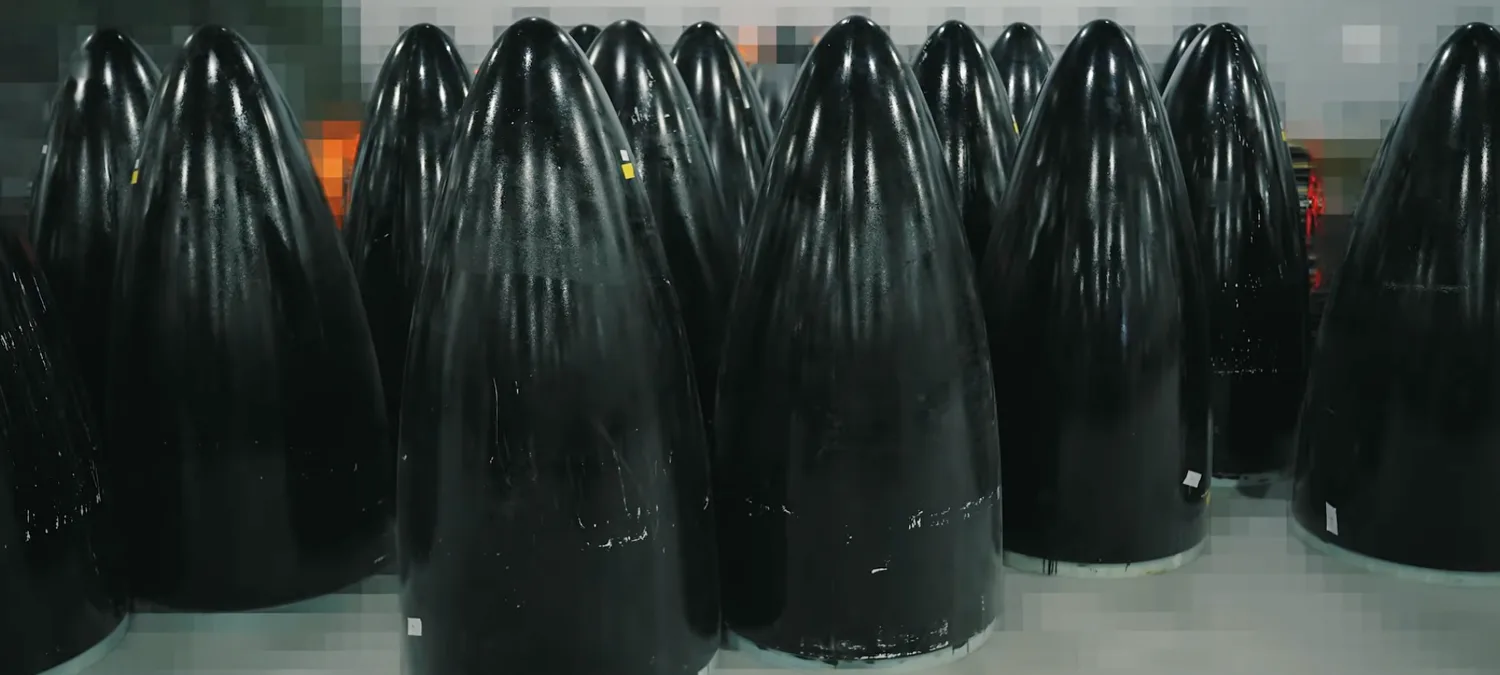
The missile's body is also manufactured using a technology atypical for classic missiles. Instead of a steel structure, carbon fiber is used, which is automatically wound at different angles depending on the future loads. After this, the body undergoes heat treatment in special ovens, where the material acquires the necessary strength.
As explained at Fire Point, it is this design that has made the "Flamingo" relatively simple to produce. Its manufacture does not require hundreds of tons of metal or complex production of steel bodies, which makes it possible to scale up missile output more quickly.
And this, according to Denys Shtilerman, is the key advantage of the "Flamingo" – its simplicity, which allows scaling up production if the necessary components are available. In addition, he noted that the company's production capabilities significantly exceed current output volumes.
We produce as much as we are ordered. You were at the production facility, you saw it today. We can produce as much as needed. There is a certain bottleneck… we underestimated the complexity of European and American bureaucracy regarding engine exports. But we are gradually resolving this now. Several hundred "Flamingos" per month are possible if engines are available. This is a very simple missile.
According to the chief designer of Fire Point, after refining the tactics for using the "Flamingo," the missile has become significantly more effective in hitting targets. At the same time, the company does not disclose details of its combat use or the number of missiles launched, commenting only on information that has already been officially released.
Serhiy Peichev noted that the production processes shown in the interview are only a small part of what was filmed. Most of the critically important production elements remained off-camera for security reasons.
Let us remind you
On the night of June 27, Ukrainian long-range FP-5 "Flamingo" missiles successfully struck the "Titan-Barricades" enterprise in Volgograd – one of the key plants of the Russian military-industrial complex, which manufactures artillery systems, self-propelled launchers for the "Iskander-M," "Topol-M," and "Yars" systems, as well as other special military equipment. Subsequently, the strike on the enterprise was officially confirmed by the President of Ukraine, Volodymyr Zelenskyy, and the General Staff of the Armed Forces of Ukraine, reporting a hit and a fire on the plant's territory.