









German cuisine: history, traditions, and dishes that have become symbols of the country
Kyiv • UNN
German cuisine combines hearty meat dishes, hundreds of types of bread, and unique regional recipes. The menu is based on pork, sausages, and thick soups.

Germany is known not only for its rich history, architecture, and culture, but also for its distinctive cuisine, which has been shaped over centuries. The national dishes of Germans reflect the people's way of life, their economic traditions, and the natural conditions of the country's various regions. Today, German cuisine is considered one of the most diverse in Europe, and many of its dishes have long become gastronomic symbols of the state. UNN will tell you more about the history of German cuisine and the national dishes of Germany.
Details
Hearty meat dishes, dozens of types of sausages, crispy bread, aromatic pastries, and world-famous beer—all of these are an integral part of Germany's culinary culture. At the same time, each region of the country has its own gastronomic characteristics, which make German cuisine extremely diverse and interesting to explore.
History of German Cuisine
The history of German cuisine is closely linked to the development of the country's regions and the lifestyle of its population. For many centuries, the basis of the German diet consisted of products that could be grown or produced locally. That is why meat, cereals, vegetables, and dairy products occupied an important place in the diet. Traditionally, German cuisine was formed as simple, nutritious, and practical. People were engaged in agriculture and animal husbandry, so pork, beef, poultry, fish, cabbage, potatoes, and various flour products often appeared on the tables. Over time, recipes were refined, but the main principle remained unchanged—food should be filling and nutritious.
Regional characteristics played an important role in the development of the cuisine. For example, Bavaria became famous for its meat dishes, sausages, and beer culture. The northern lands, located near the sea, enriched the national cuisine with fish dishes, while in the central regions, various soups, bread, and pastries gained popularity.
Throughout the centuries, Germans perfected food preparation technologies. Methods of smoking, salting, and fermenting became particularly popular, as they allowed products to be preserved for a long time. This is why sauerkraut became one of the most famous symbols of German cuisine.
Features of German Cuisine
The main feature of German cuisine is the abundance of meat dishes. Pork remains especially popular, used for preparing roasts, schnitzels, sausages, and other traditional dishes. In many restaurants, well-roasted pork is considered one of the main menu items.
Another characteristic feature is the German love for hearty food. Traditional dishes often contain significant amounts of meat, potatoes, flour products, and other nutritious ingredients. This is particularly noticeable in Bavaria, where local cuisine is known for its large portions and rich flavor. German cuisine is not among the spicy cuisines of the world. Spices and seasonings are used moderately, which allows the natural taste of the main products to be preserved. That is why most dishes have a simple but distinct flavor.
Bread also occupies a special place in the food culture. In Germany, there are about 600 varieties of bread, which differ in composition, preparation method, and purpose. Bread is served with almost all main dishes and is also used to make numerous sandwiches.
Beer culture deserves separate attention. Beer is one of the country's most popular drinks and an integral part of many national holidays and festivals. Bavaria is especially famous for its variety of beer types, where the famous Oktoberfest festival takes place every year.
National Dishes of Germany and Their Features
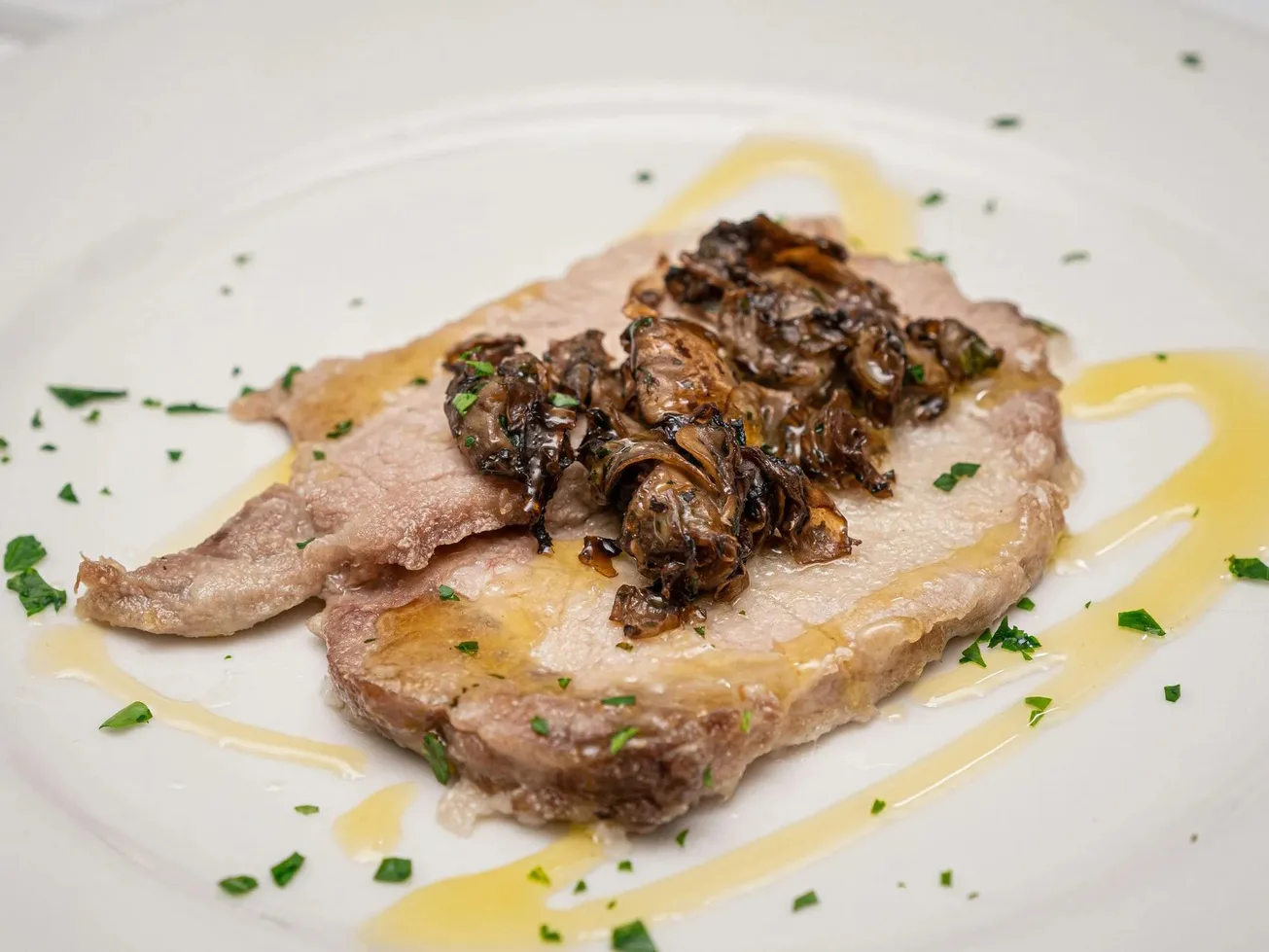
Pork with a side dish. Pork is the basis of many traditional dishes. Most often it is served well-roasted, with dumplings or potatoes used as a side dish.
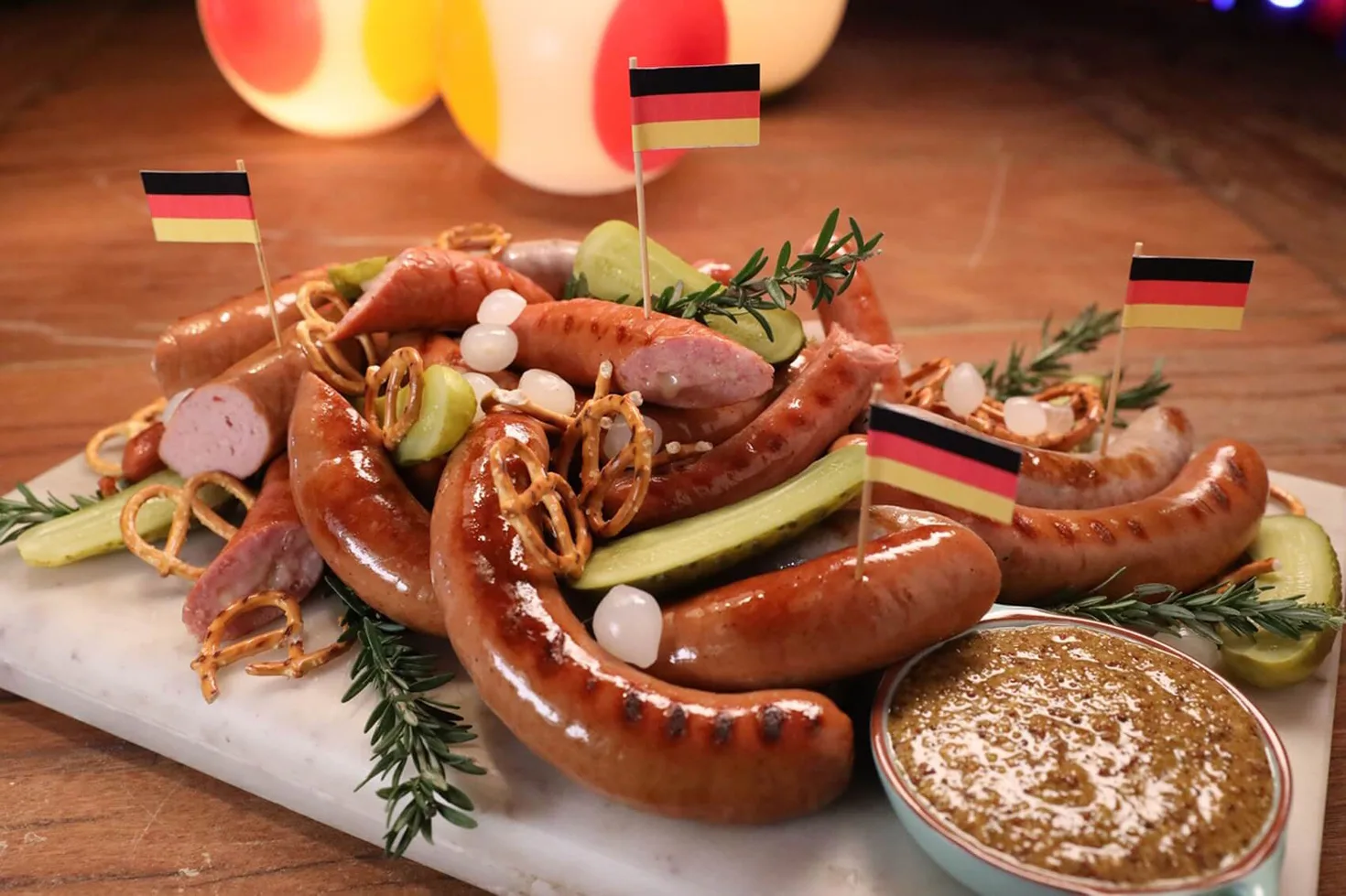
Sausages and franks are the most famous gastronomic symbols of German cuisine. Different regions have their own recipes. In Berlin, fried sausage with curry sauce is popular, while in Bavaria, white sausage with sweet mustard is a favorite.
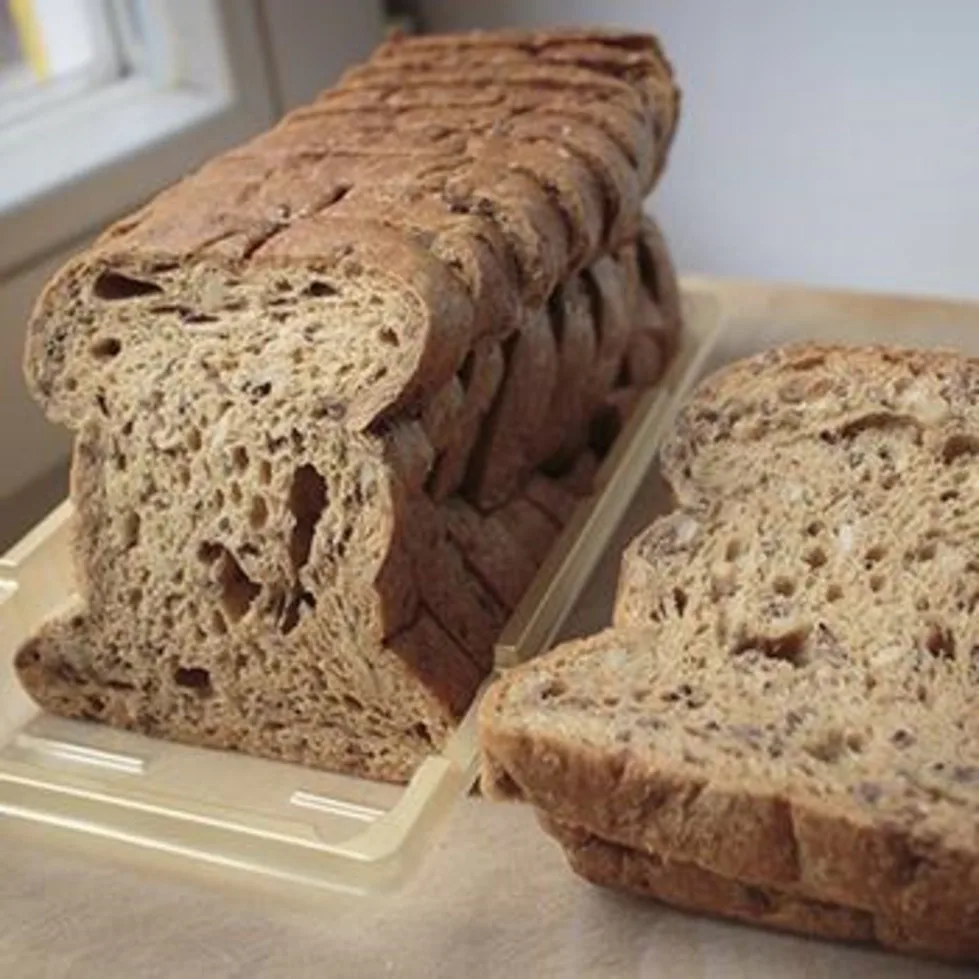
Bread. Hundreds of types of bread are baked in Germany. It is an important part of the daily diet and is used to prepare traditional sandwiches.

Roasted chicken. Once considered a festive dish, today it is a popular snack to go with beer. It is especially common to see it during the Oktoberfest festival.

Steckerlfisch—fish grilled whole on a skewer over a grill. It is considered one of the favorite dishes of Germans and is often served with bread and beer.
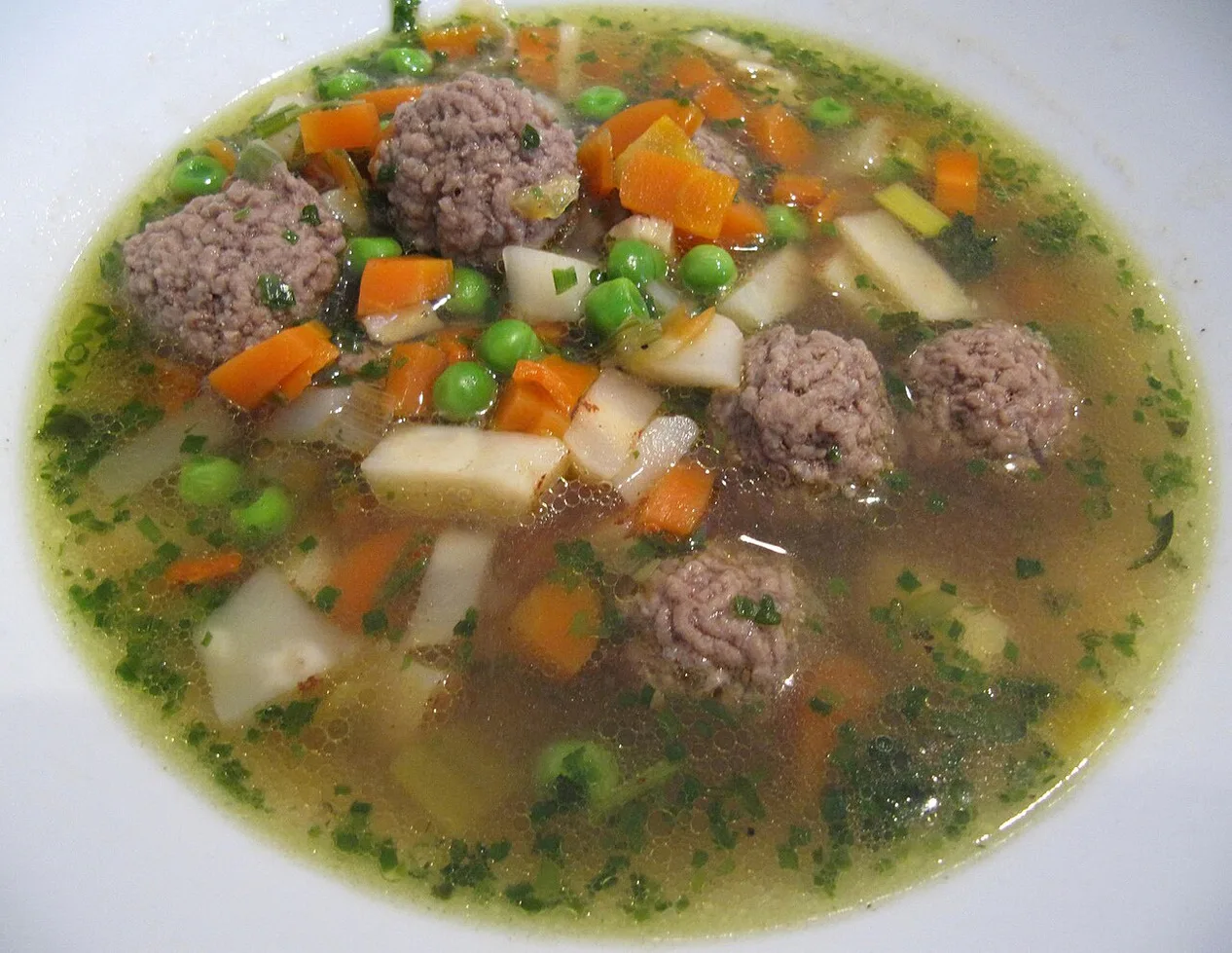
Eintopf. A thick soup made of meat and vegetables, cooked in a pot in the oven. It is distinguished by a rich taste and the aroma of spices.
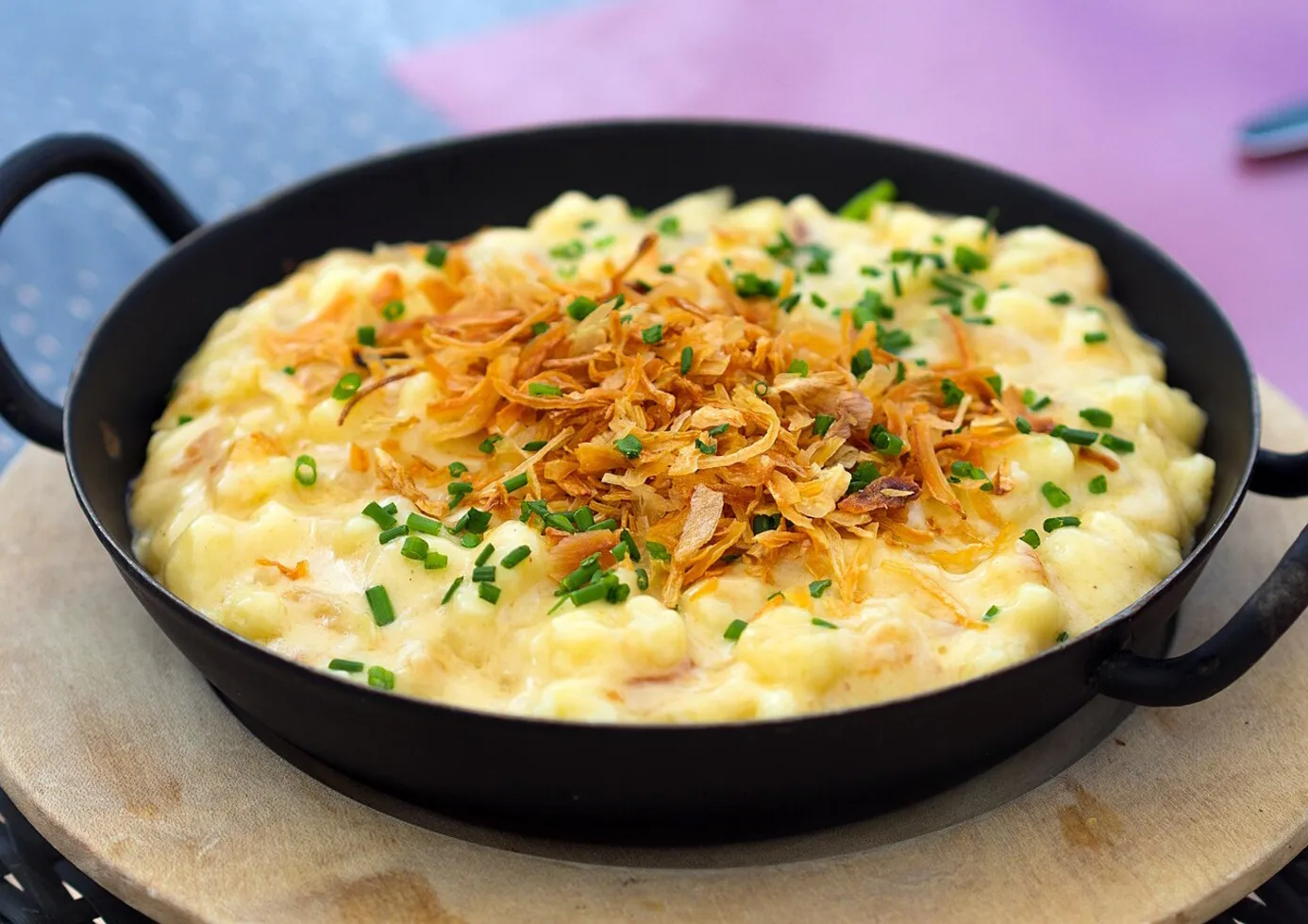
Käsespätzle. A traditional meatless dish consisting of egg noodles and grated cheese. Sometimes fried onions are added to it.

Pretzel. A soft pastry in the shape of a knot with a characteristic crust. It is often served with butter and is a popular snack.

Nuremberg gingerbread (Lebkuchen), which is especially popular on the eve of Christmas. They are distinguished by various shapes and colored icing.
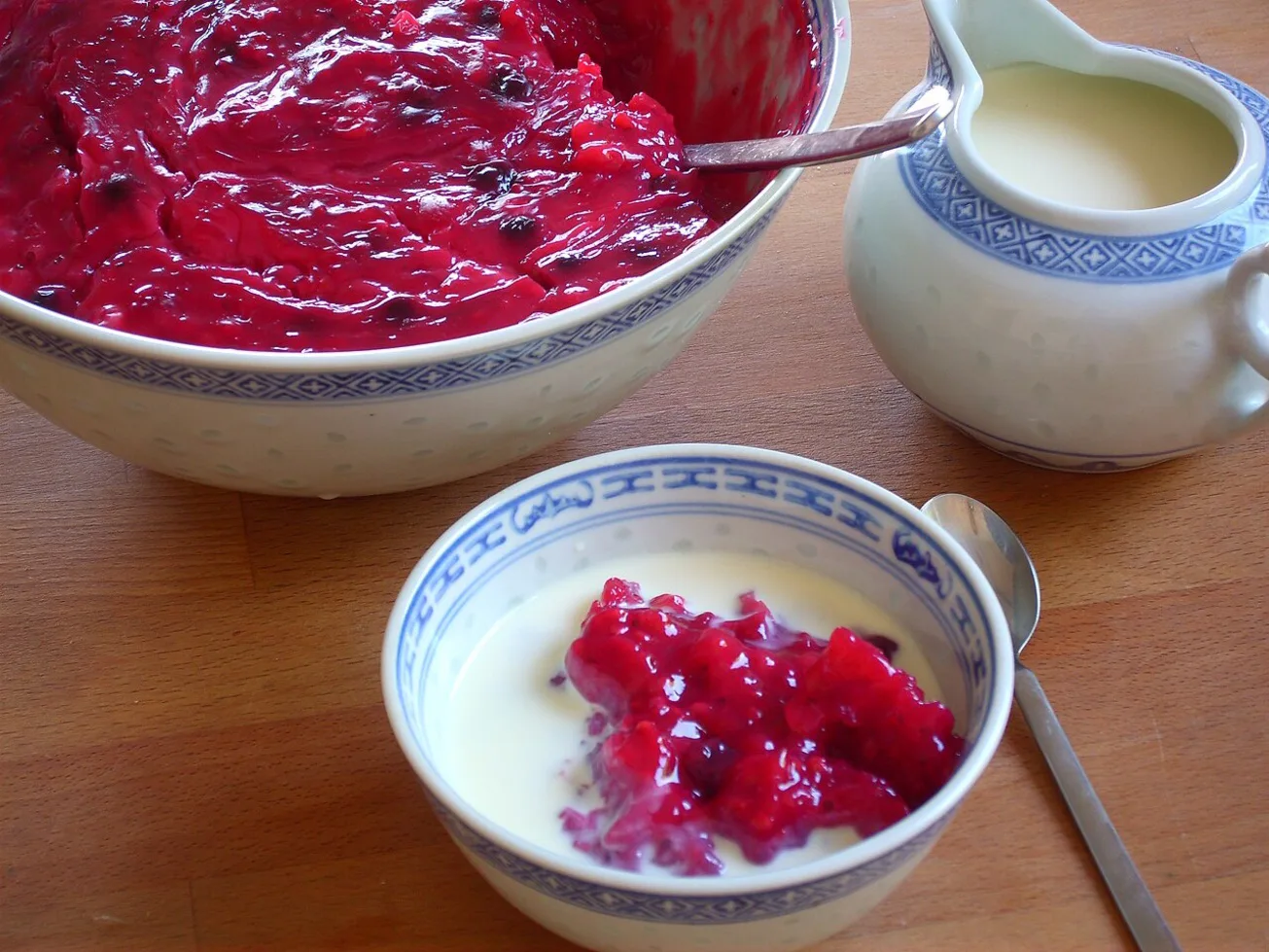
Rote Grütze—a dessert made from a mixture of red berries: cherries, raspberries, strawberries, and others. It is usually served with whipped cream or vanilla ice cream.
History and Characteristics of French Cuisine15.06.26, 14:54 • 51713 views