









History and Characteristics of French Cuisine
Kyiv • UNN
French cuisine combines the high art of cooking with regional traditions. The foundation of its dishes consists of fresh vegetables, sauces, cheeses, and exquisite wines.

France has long been associated not only with fashion, art, and romance, but also with a unique food culture. It is here that food is perceived not as a mere necessity, but as a part of national identity and a true art form. For centuries, French cuisine has shaped the gastronomic traditions of many countries around the world, and its recipes, techniques, and even culinary terminology have become an integral part of global cooking. UNN will tell you more about the history and intricacies of French cuisine.
History of French Cuisine
French cuisine has come a long way before becoming a symbol of gastronomic excellence. In its early stages, it was influenced by Italian culinary traditions, but later it began to dictate gastronomic fashion in Europe itself. French chefs refined recipes, cooking techniques, and serving rules, gradually turning cooking into a distinct art form. It was in France that the concept of haute cuisine emerged—high-end cooking that was initially available primarily at royal courts and among the aristocracy. In the 18th century, this concept began to develop actively and became an example for many countries around the world. The French have always treated cooking with special respect, and prominent chefs were often compared to poets or artists. It is no coincidence that many famous French figures published their own cookbooks and popularized national recipes. Over time, French cuisine became one of the main symbols of the country. Today, its influence is felt in almost every corner of the world.
Regions of France and Their Gastronomic Characteristics
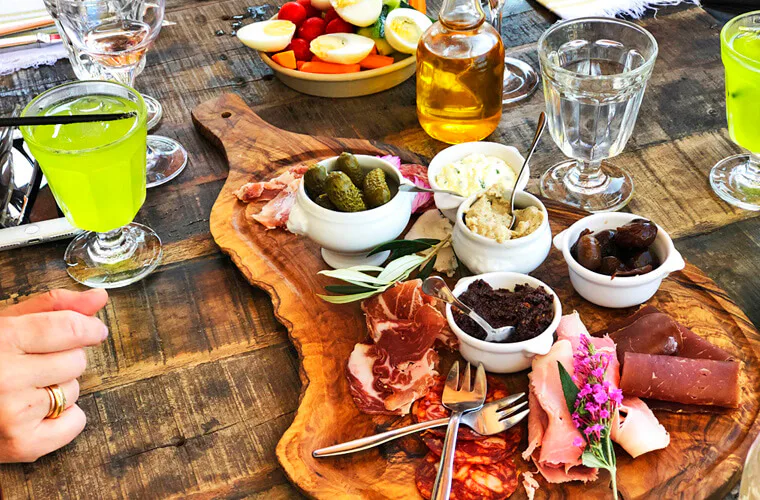
French cuisine is not homogeneous. Each region of the country has its own traditions, recipes, and culinary preferences. That is why the cuisine of France is conventionally divided into regional, common, and haute cuisine. In the southern provinces, dishes are often characterized by a spicier taste and the active use of spices, wine, garlic, and onions. Coastal areas are characterized by the extensive use of fish and seafood. On the tables of residents in such regions, one can often see crabs, shrimp, lobsters, langoustines, and various types of fish. Alsatian cuisine, on the contrary, is famous for dishes made of pork and cabbage. It is the regional characteristics that have made French cuisine extremely diverse. What is considered a traditional home-cooked dish in one city may be perceived as a regional delicacy in another; thanks to this combination of local traditions, French gastronomy still maintains its originality.
Secrets of French Cuisine
The main principle of French cuisine is considered to be the use of high-quality and fresh products. French chefs strive to preserve the natural flavor of each ingredient even after heat treatment. Vegetables and herbs occupy a special place in national gastronomy. Potatoes, beans, various types of cabbage, onions, spinach, eggplants, tomatoes, celery, and salads are actively used for cooking. Aromatic herbs play an equally important role, with thyme, rosemary, tarragon, chervil, and parsley often becoming mandatory ingredients in many recipes. One of the most famous culinary traditions is the use of the so-called bouquet garni—a small bundle of herbs added to dishes during cooking and removed before serving. The French also pay significant attention to the culture of food consumption. For them, not only the taste of the dish is important, but also the atmosphere at the table, conversation, and proper presentation. That is why the French gastronomic meal was included in the UNESCO Intangible Cultural Heritage list in 2010.
Sauces, Cheeses, and Dishes That Made France Famous
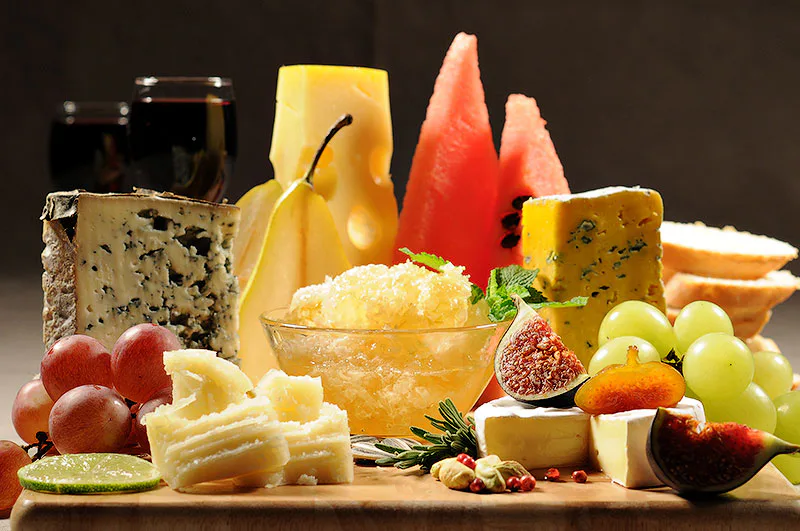
One of the most recognizable features of French cuisine is the vast number of sauces. They often give dishes their characteristic taste and completeness. Many famous sauces were named after their creators, historical figures, or specific locations. Sauces have become such an important part of French gastronomy that they are often called the country's true culinary calling card.
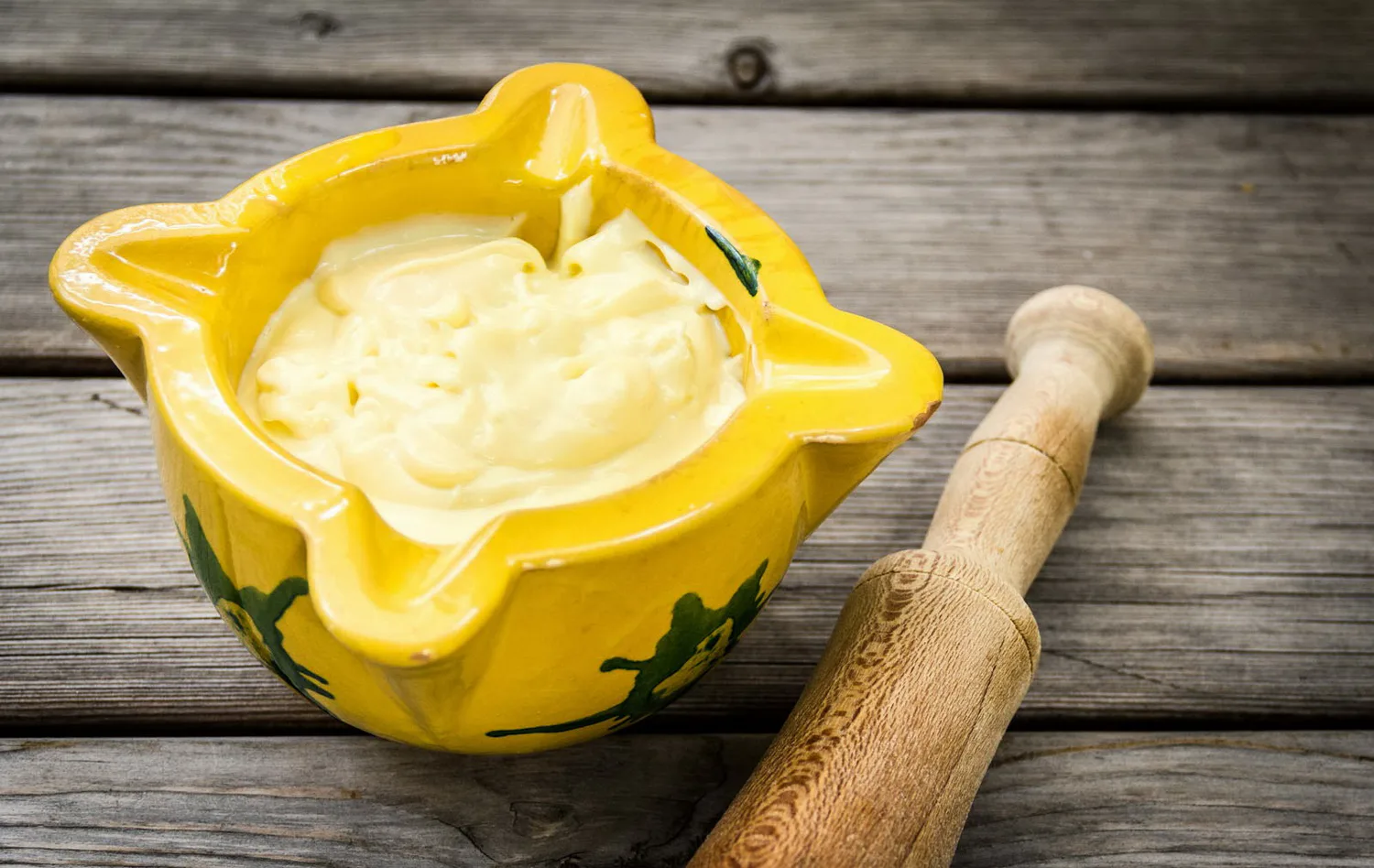
French cheeses are no less famous. France produces about five hundred varieties of cheese, among which Roquefort, Camembert, Gruyère, and others are particularly popular. Cheeses are traditionally served after the main courses before dessert. Among the most famous dishes of French cuisine are onion soup, bouillabaisse, omelets, cheese soufflés, and various pâtés. French gastronomy is also impossible without pastries and desserts. Croissants, crème brûlée, clafoutis, charlotte, and Tarte Tatin are popular all over the world.
Wine as an Integral Part of French Culture
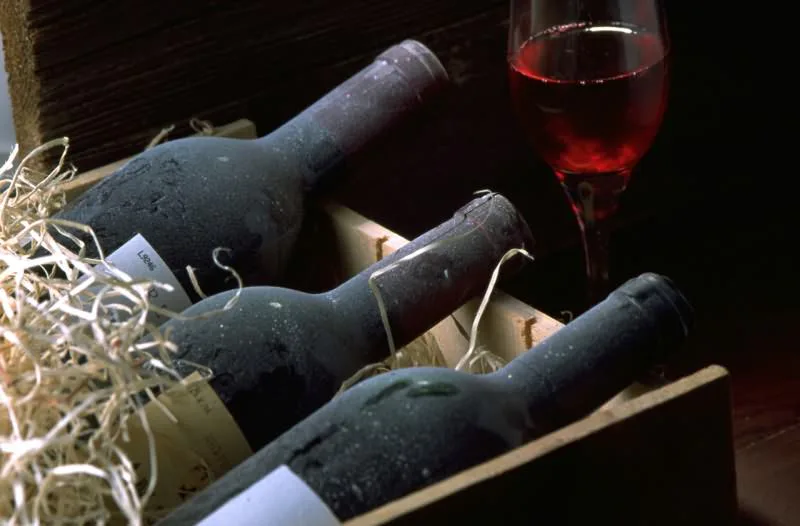
It is impossible to talk about French cuisine without mentioning drinks. France is the birthplace of many world-famous alcoholic beverages, including cognac and champagne. Wine occupies a special place, as it is not only served at the table but also actively used in the cooking process. Wine is added to marinades, broths, fish, and meat dishes. During prolonged heating, the alcohol evaporates, leaving only the aroma and flavor nuances. Both white and red wines can be used for different types of dishes. In some regions, finished dishes are even drizzled with cognac, calvados, or armagnac and set on fire before serving to provide a special aroma. At the same time, the French value more than just alcoholic beverages. Coffee, fruit juices, and mineral water are popular in the country. It is the harmonious combination of food and drink that is considered one of the main components of French gastronomic culture.
Interesting Facts About French Cuisine
1. France has the largest number of national cuisines—22—and each province has its own gastronomic characteristics.
2. Smelly and yet the most expensive mushrooms in the world—truffles—grow in France. There is no official price in the market for their purchase and sale; it is determined by auction.
3. France is one of the leaders in cheese production. The famous cheesemaker André Simon mentioned 839 varieties of cheese in his book "The Art of Cheese."
4. In France, a large number of holidays are dedicated to food, for example, the Chestnut Festival, Cider Festival, Spice Festival, Lemon Festival, and Fish Festival.
5. France ranks second after Spain in terms of vineyard area. More than 8 million bottles of French wine are produced there every year.
Georgian cuisine and its main secrets of popularity04.06.26, 19:24 • 61399 views