










Alcohol imported into Ukraine under the guise of diplomatic cargo – scheme worth over 4 million UAH uncovered
Kyiv • UNN
Six individuals imported elite alcohol under the guise of diplomatic cargo worth 4 million UAH. Five suspects were ordered to pay bail of one million UAH each.

Law enforcement officers have exposed a group of individuals who organized the importation of premium alcohol into Ukraine under the guise of diplomatic cargo without paying taxes. According to the investigation, products from well-known brands were subsequently sold on the domestic market, and the total value of the illegally imported alcohol exceeded 4 million hryvnias. This was reported by the Office of the Prosecutor General, according to UNN.
Details
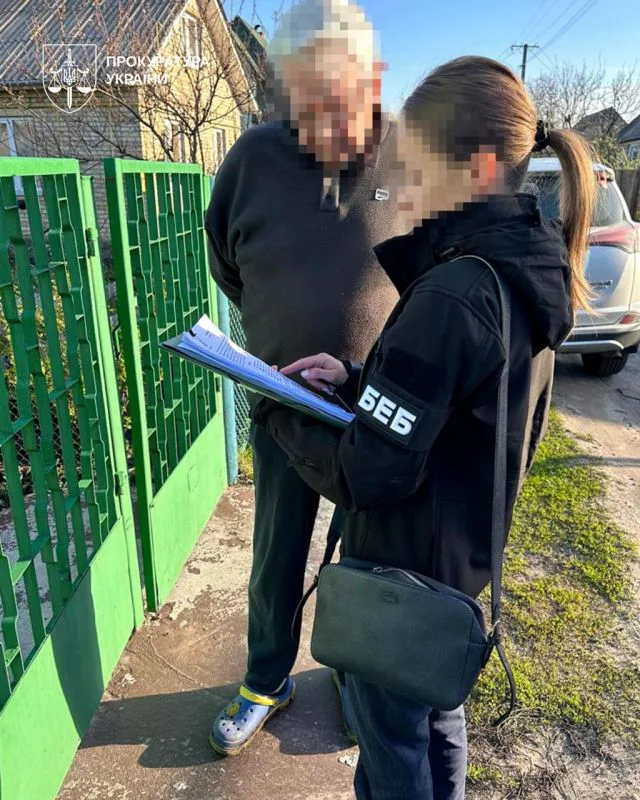
According to the investigation, six individuals were involved in the scheme. They have been notified of suspicion regarding the large-scale smuggling of excisable goods and the illegal storage, transportation, and sale of alcoholic beverages.
The investigation established that the suspects utilized connections within foreign diplomatic missions in Ukraine. Due to this, the shipments were documented as intended for the official use of diplomatic missions, which allowed them to avoid taxation and customs duties.
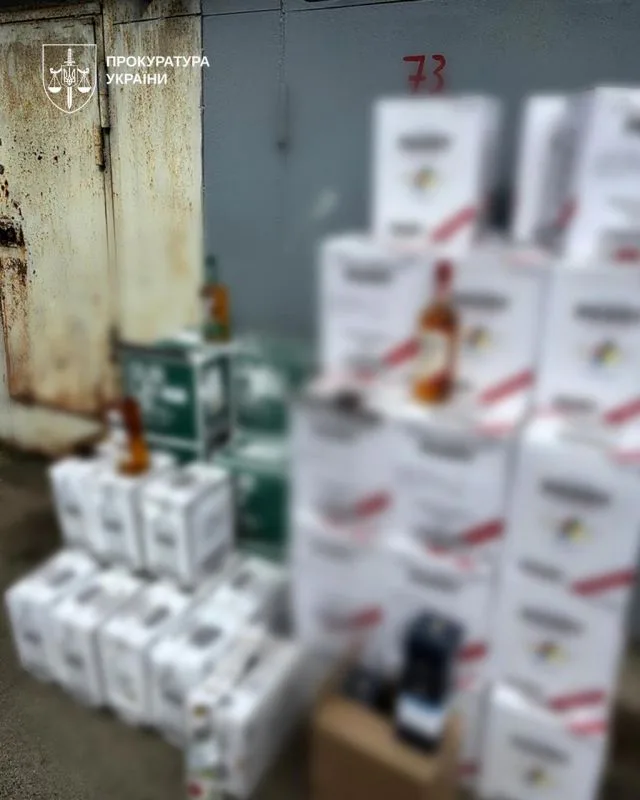
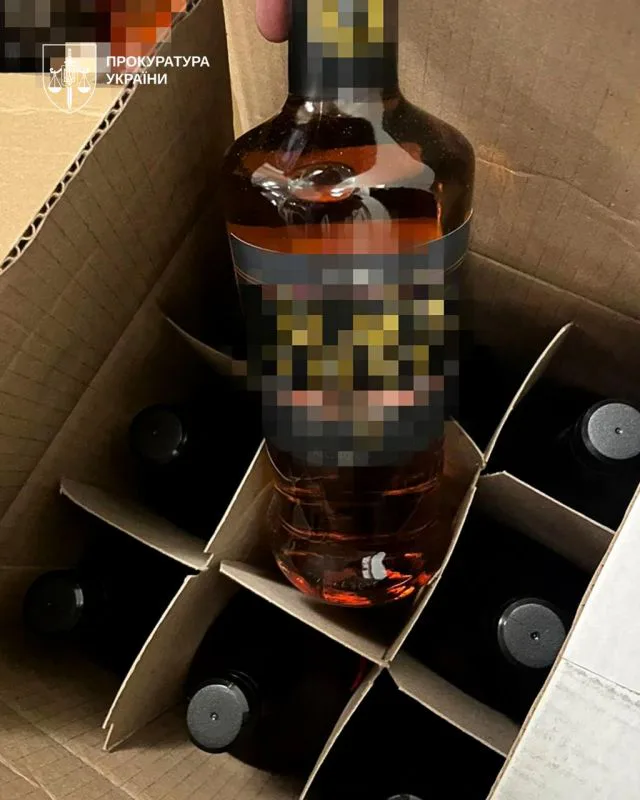
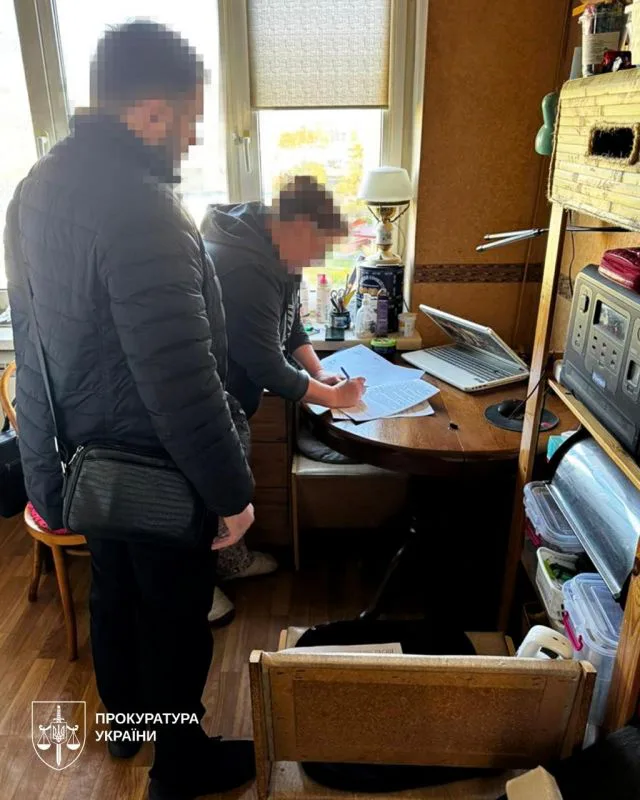

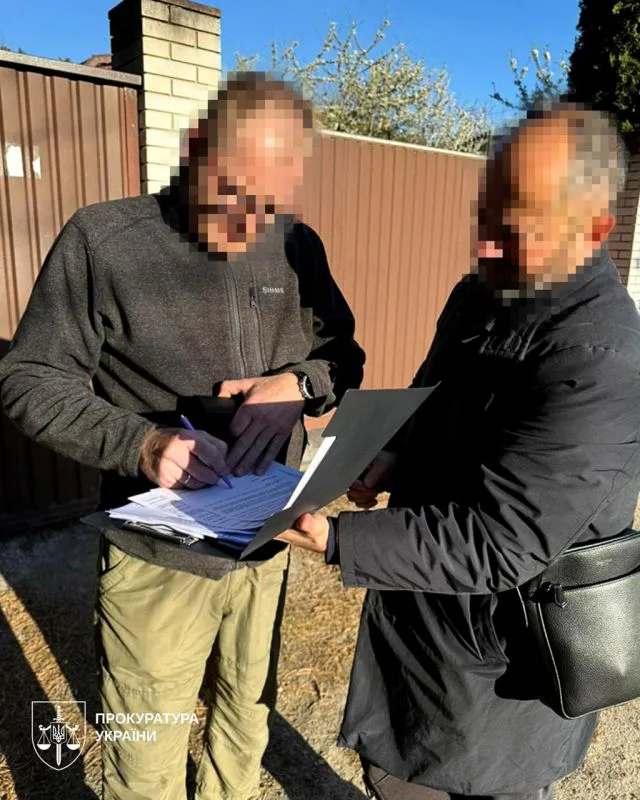
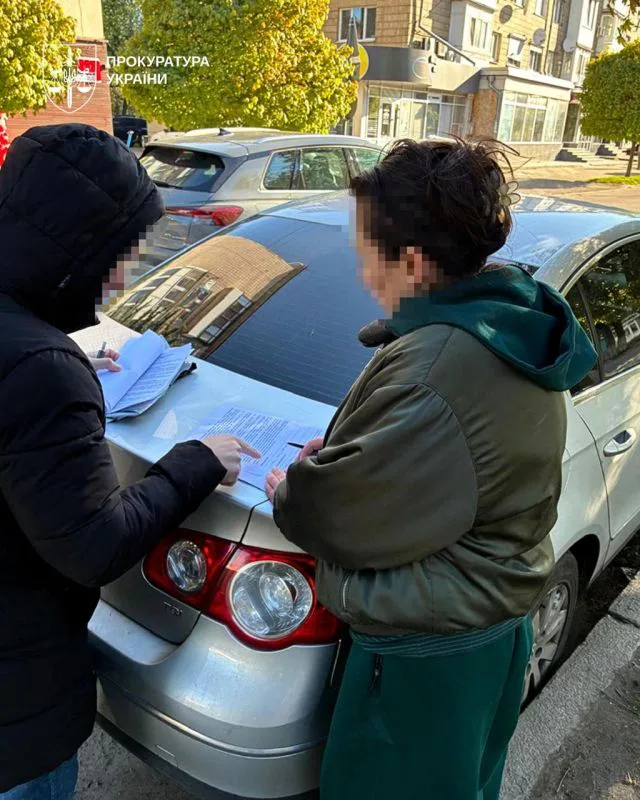
After completing customs clearance, the alcohol was removed from warehouses, distributed among garages and storage facilities, and then sold to end consumers.
The Office of the Prosecutor General notes that such a transfer of diplomatic goods for sale contradicts Ukrainian legislation.
During the investigative actions, law enforcement officers seized the alcoholic products, which have already been placed under arrest
The court also ordered a preventive measure for five suspects in the form of bail—nearly 1 million hryvnias each.
The pre-trial investigation is being conducted by detectives of the Bureau of Economic Security of Ukraine.
As a reminder
In Kyiv, suspicion was notified to the co-owner of a Luhansk enterprise who, after the full-scale invasion, re-registered the business under Russian law and continued operations in the temporarily occupied territory, generating profits.