










International Day for the Elimination of Violence against Women: what you need to know
Kyiv • UNN
According to statistics, in 2024, the number of domestic violence reports increased by 80% compared to previous years. Experts attribute this to the consequences of the war and post-traumatic stress disorder.

Since 1999, the whole world has been celebrating the International Day for the Elimination of Violence against Women. Read more about how the statistics of violence in Ukraine have changed in recent years, the causes of this violence, and the legal consequences in the UNN material.
Details
Every year on November 25, the International Day for the Elimination of Violence against Women is celebrated worldwide. This day is an opportunity to highlight one of the biggest problems of modern society. According to the World Health Organization, approximately one in three women worldwide is a victim of physical and/or sexual violence. This problem is also relevant for Ukraine, where violence against women remains a serious social and legal issue.
Statistics
According to statistics, since the beginning of the full-scale invasion, the situation regarding domestic violence in Ukraine has worsened compared to previous years. For example, in 2019, the number of applications submitted to the police was 141,814, of which 1,068 were open cases, and 759 reached court. In 2022, 244,381 applications were submitted to police departments, among which 1,498 were open, and 1,249 reached court. If we talk about 2024, as of October, the number of applications "surpassed" previous years by 80%. But even despite the increase in the number of applications, the percentage of them reaching court has significantly decreased. In 2022 and 2023, this indicator was about 83%, now it is only 64%, which is the lowest indicator in the last five years. Also, it should be noted that such data are not accurate, since not all victims dare to contact the relevant authorities for help.
Unfortunately, it must be stated that the full-scale Russian aggression is not the least reason for the increase in the number of appeals from victims of violence, according to experts. In particular, this refers, for example, to post-traumatic stress disorder, which is characterized by sharp surges of uncontrolled aggression. However, the Ministry of Internal Affairs assures that it is working on the issue of integrating veterans into civilian society by introducing a psychological rehabilitation mechanism.
UNN spoke with representatives of the "Breaking the Silence" project, which is being implemented in Lviv region by the "Zaporuka" charitable foundation with partners.
Types of domestic violence
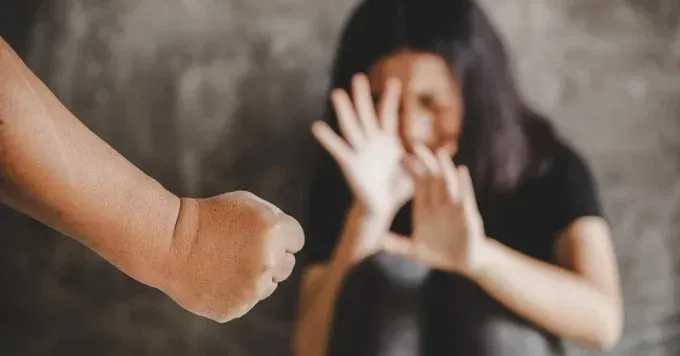
When it comes to domestic violence, it is important to remember that it has different forms and types. The most mentioned is physical violence, and this is not just hitting or pushing; it is any manifestation of physical aggression. This can also include threats of physical violence, which can cause feelings of fear and insecurity.
No act of violence can be justified. But, unfortunately, domestic violence remains a painful reality for many Ukrainian women.
According to the expert, economic violence is a significant problem. That is, when a woman is forbidden to work or study, and at the same time is forced to be financially dependent on her partner. In such cases, the abuser controls every penny spent and can deny access to the most necessary things. Such violence is dangerous because it deprives a woman of the ability to make her own decisions.
No less serious is sexual violence, when a partner forces a woman into sexual acts without her consent or uses blackmail to achieve his goals. There is also an increase in reproductive pressure on women, which has only intensified during the full-scale war.
Psychological violence has a destructive effect on a woman's well-being. This includes constant humiliation, insults, devaluation of a woman's achievements, control over her relationships with friends and loved ones. Psychological violence can also manifest through constant jealousy and interference in personal space. This type of violence often goes unnoticed, but it leads to serious emotional trauma and a feeling of isolation in a woman.
Causes of violence
Vira Varenytsia, a psychologist for the "Breaking the Silence" project, noted that there are many causes of domestic violence, but the most common are the following:
- Addictions
This can be both alcohol and drug addiction. In such states, control over one's own emotions and actions weakens, and a person is more susceptible to aggressive impulses and loses the ability to soberly assess their actions.
- Psychological and mental disorders
Very often, emotional instability/immaturity of one of the partners causes aggression in relationships.
- Social stereotypes
Often, ideas about "patriarchy" or the idea that one partner has power over the other contribute to violence.
Growing up in a family where violence was the norm can influence the adoption of violent behavior patterns.
- Constant financial and domestic difficulties
They lead to conflicts that often escalate into aggression.
To leave a relationship where violence is present, the expert first recommends recognizing/identifying that it is indeed violence and that it does not stop on its own.
Often, abusers promise to "change" or say that they will not do it again. Unfortunately, such promises are rarely kept. Therefore, realizing this can help one dare to leave such relationships.
An important stage is also the awareness of one's own value and true needs, the understanding that one's "self" deserves respect, safety, and support. A victim of violence must recognize that she has the right to a life free of pain and fear.
The psychologist noted that the support and help of relatives, friends, and acquaintances are useful for maintaining psychological well-being. In the absence of this, one can contact law enforcement agencies, as well as crisis centers/rooms, where various types of assistance can be obtained - from psychological, medical, and legal to material.
In addition, one should not avoid working with a specialist (psychologist/psychotherapist) to process this traumatic experience. This is a kind of path to healing and restoring mental and emotional health.
Leaving such relationships is a complex process that requires courage, strength, and support. It is different for everyone, as there is no single, magical algorithm. However, it is important to remember that each of us has the right to safety and respect, and a life without violence is entirely possible.
How to choose a specialist to process the experience gained in such relationships?
Choosing a specialist is very important, because the support of a qualified psychologist/psychotherapist can help cope with these difficult circumstances. Therefore, Vira Varenytsia recommends referring to the following factors:
1. Education and certification. It is important that the psychologist/psychotherapist has the appropriate education and certificates confirming their competence.
2. Experience with similar problems. Find out if the specialist has experience working specifically with victims of domestic violence or traumatic experiences.
3. Comfort and trust. During the first meeting, pay attention to whether you feel comfortable with this person. It is important that you can openly talk about your feelings and be confident in confidentiality.
4. Reviews and recommendations. Sometimes it is useful to read reviews from other clients or get recommendations from acquaintances who have had a positive experience.
Never be ashamed to seek support and help, it is a very important step for your health and safety. If you or someone you know needs help, do not delay.
Legal aspects
UNN spoke with Larisa Velichko, Advisor and Lawyer at GRACERS law firm, who outlined the main steps for victims of domestic violence who want to leave their abuser.
First of all, it is worth assessing the situation and making an immediate decision. For example, if you understand that there is a threat to life, you must immediately call the police at 102 and, upon the arrival of police officers, state the reasons for your appeal in writing. If possible, the expert recommends leaving the dangerous place. Here it is worth thinking in advance about safe places and the fastest ways to get as far away from danger as possible.
In addition, many cities have centers for victims of domestic violence. They usually offer temporary housing, psychological and legal assistance.
An important point is documenting the consequences of violence. This can be photos/videos of bodily injuries, elements of phone conversations/correspondence. The presence of evidence increases the likelihood of success in court. Contacting a doctor for a medical examination, documenting the results of the victim's medical examination, and obtaining an official conclusion about bodily injuries, their nature and degree, can also be important evidence in the event of a court case.
If you find yourself in such a situation, do not forget that you are not to blame, the abuser is not you. This is a difficulty that you will definitely cope with, you will become stronger, the main thing is not to lose faith in yourself.

System for protecting victims of domestic violence in Ukraine
In Ukraine, the system for protecting victims of domestic violence is ensured by a number of key laws and legal norms that help determine the mechanism of protection, support, and assistance to victims.
One of the most important aspects of the system for protecting victims of violence is the Law of Ukraine "On Preventing and Combating Domestic Violence", adopted in 2017. According to the law, law enforcement agencies have the right to issue an urgent restraining order - a legal measure aimed at protecting victims of domestic violence. It is issued by a court and imposes restrictions on the abuser's actions to ensure the safety of the victim. The mechanism of the restraining order was introduced in Ukraine as part of the Law "On Preventing and Combating Domestic Violence" and is an important tool for protection.
This order can be issued by a court for a period of 1 to 6 months and prohibits the aggressor from approaching the victim, living with her, contacting her, etc. In addition, it can be issued by the police immediately after the appeal. In general, a restraining order is an effective way to ensure the victim's safety in the short term. In most cases, it allows avoiding repeated cases of violence, as it limits the aggressor's physical access to the victim. However, for the long-term safety of the victim, psychological and social support is also important, as well as the possibility of bringing the aggressor to criminal responsibility in case of violations.
The Law "On Preventing and Combating Domestic Violence" also provides for the implementation of special programs for persons who commit violence, which include correctional and rehabilitation measures. This helps not only to protect the victim but also to work with the abuser to prevent repeated violence.
This law created new effective mechanisms for protecting victims and improved the situation with legal and social assistance. Legislative changes increased the accessibility of legal support and helped many victims receive real protection, although the system needs further development and resources to ensure equal access in all regions of the country.
Domestic violence in Ukraine is also criminalized. Article 126-1 of the Criminal Code of Ukraine provides for criminal liability for domestic violence that causes physical or psychological suffering. Punishment may include community service, arrest, or restriction of liberty.
In addition, if domestic violence leads to serious consequences, including injury or death, other articles of the Criminal Code apply, in particular Article 121 (intentional grievous bodily harm) and Article 115 (intentional murder).

In cases of less serious violations, administrative penalties provided for by the Code of Ukraine on Administrative Offenses may be applied to the offender. For example, Article 173-2 provides for administrative liability for committing domestic violence or failing to comply with an urgent restraining order, which may include fines, correctional labor, or administrative arrest.
In Ukraine, the issue of protecting victims of domestic violence is gradually becoming a subject of legal and public attention, but going to court is still a rare phenomenon. Victims of violence are simply afraid to publicize the case, to go to court, for many reasons. Here it is necessary to understand that the law is on your side; in recent years, the number of appeals has been growing due to the improvement of legislation, in particular with the adoption of the Law of Ukraine "On Preventing and Combating Domestic Violence" in 2017.
Statistics of victims' appeals to court
According to the Ministry of Internal Affairs of Ukraine, the number of officially registered cases of domestic violence annually exceeds tens of thousands. However, only a part of the victims apply to the court.
According to statistics for 2022-2023, about 15-20% of domestic violence victims who contacted the police continued the process and filed applications with the court to obtain long-term protective orders or to initiate criminal proceedings. This figure is slightly increasing due to campaigns to raise public awareness and access to legal aid.

The effectiveness of judicial protection is assessed by several criteria, including the speed of case consideration, the number of restraining orders issued, and the frequency of repeated appeals by the same victims. Approximately 30% of victims repeatedly contact law enforcement agencies or the court, which may indicate insufficient effectiveness or protection of judicial measures in the long term. This indicates that additional social and psychological support measures are needed to prevent repeated violence.
Hotlines for victims of domestic violence
Currently, several national hotlines for victims of domestic violence operate in our country, where anonymous support can be obtained without leaving personal information. Specialists on the lines provide psychological support, help develop a safety plan, and explain available legal mechanisms. For example:
- 1547 – "hotline" on combating human trafficking and domestic violence.
- 0 800 500 335 - National "hotline" for preventing domestic violence.
Such services can advise on how to safely get out of a dangerous situation or find shelter.
If a victim of violence finds that the aggressor has connections with the police or other state structures, and this creates obstacles to protecting her rights, it is important to act carefully and use various legal and organizational methods for protection.
The hotline for combating domestic violence (0 800 500 335 or short number 116 123) provides consultations and support, and can also advise on which organizations to contact for additional protection.
Human rights organizations - such as "La Strada-Ukraine", "Human Rights Information Center" and others - have experience working with similar cases and can provide legal support and protection.
How to choose the right specialist?
To find a good specialist for solving a legal problem, it is necessary to take into account several important criteria. For this, you can refer to the legal norms governing the professional activities of lawyers in Ukraine, as well as use general recommendations for choosing a specialist.
According to the current legislation of Ukraine, to find a professional lawyer or attorney, you can refer to the following sources:
- Bar associations and the Ukrainian Bar Association (UBA) – these are professional organizations that can recommend qualified lawyers or attorneys. Membership in these organizations is a sign of a high level of professionalism.
- Unified Register of Attorneys of Ukraine - according to the Law of Ukraine "On Advocacy and Bar Activities", attorneys are registered in a unified register. You can find an attorney through the official register, which guarantees their qualification.
- Legal consultations – law firms, online platforms, legal associations can provide services in various areas of law.
- Specialized forums and recommendations from other clients - the experience of other people who have already contacted specialists can help in choosing.
When choosing a specialist, it is worth paying attention to their qualifications and experience. This can be checked by the presence of a license and accreditation. It is also necessary to check whether the specialist has a higher legal education and experience in the required field of law. It is important to choose a specialist who specializes in the area of law in which you need help. Next, pay attention to the specialist's reputation. Study reviews and recommendations from previous clients. This can give an idea of the quality of the specialist's services, their ability to solve complex cases. Also, look for information about cases in which the lawyer or attorney was successful. You should be sure that the lawyer will maintain confidentiality and work in your best interests, and not put their own interests first. Ask for specific examples of cases similar to yours and how the lawyer or attorney resolved them. A good specialist will have no difficulty explaining the legal norms applicable to your situation and explaining how they may affect the outcome of the case. A professional lawyer should be able to develop a strategy for resolving the case and explain exactly how they will resolve it.