










Benefits and harms of peanuts: what you need to know before adding them to your diet
Kyiv • UNN
Peanuts are rich in protein and vitamins, but they are high in calories and a potent allergen. The optimal daily intake is up to 30 grams.

Peanuts are often called nuts, although from a botanical point of view, they belong to the legume family. In nutrition, it is an affordable product with high energy value, plant protein, fats, fiber, and micronutrients. It is added to cereals, salads, desserts, sauces, used for the production of peanut butter, and consumed as a snack. At the same time, peanuts are not a universally healthy product. They are high in calories, can contain a lot of salt or sugar in ready-made snacks, and for people with allergies, they are one of the most dangerous food allergens. Therefore, the benefits depend on the quantity, quality of the product, and the person's health status.
Everything about peanuts, their calorie content, benefits, and risks is explained by UNN.
How peanuts are beneficial for humans
Peanuts contain plant protein, fats, carbohydrates, dietary fiber, B vitamins, vitamin E, magnesium, phosphorus, potassium, zinc, iron, and other micronutrients. Protein is needed to support muscles and tissue repair, fiber promotes normal digestion, and fats help maintain a feeling of fullness longer.
The main part of the fats in peanuts consists of unsaturated fatty acids. They are considered more desirable for the diet than an excess of saturated fats from sausages, fast food, butter, or fatty meat. In moderate amounts, peanuts can be part of a diet aimed at supporting the cardiovascular system, but they do not replace a complete diet.
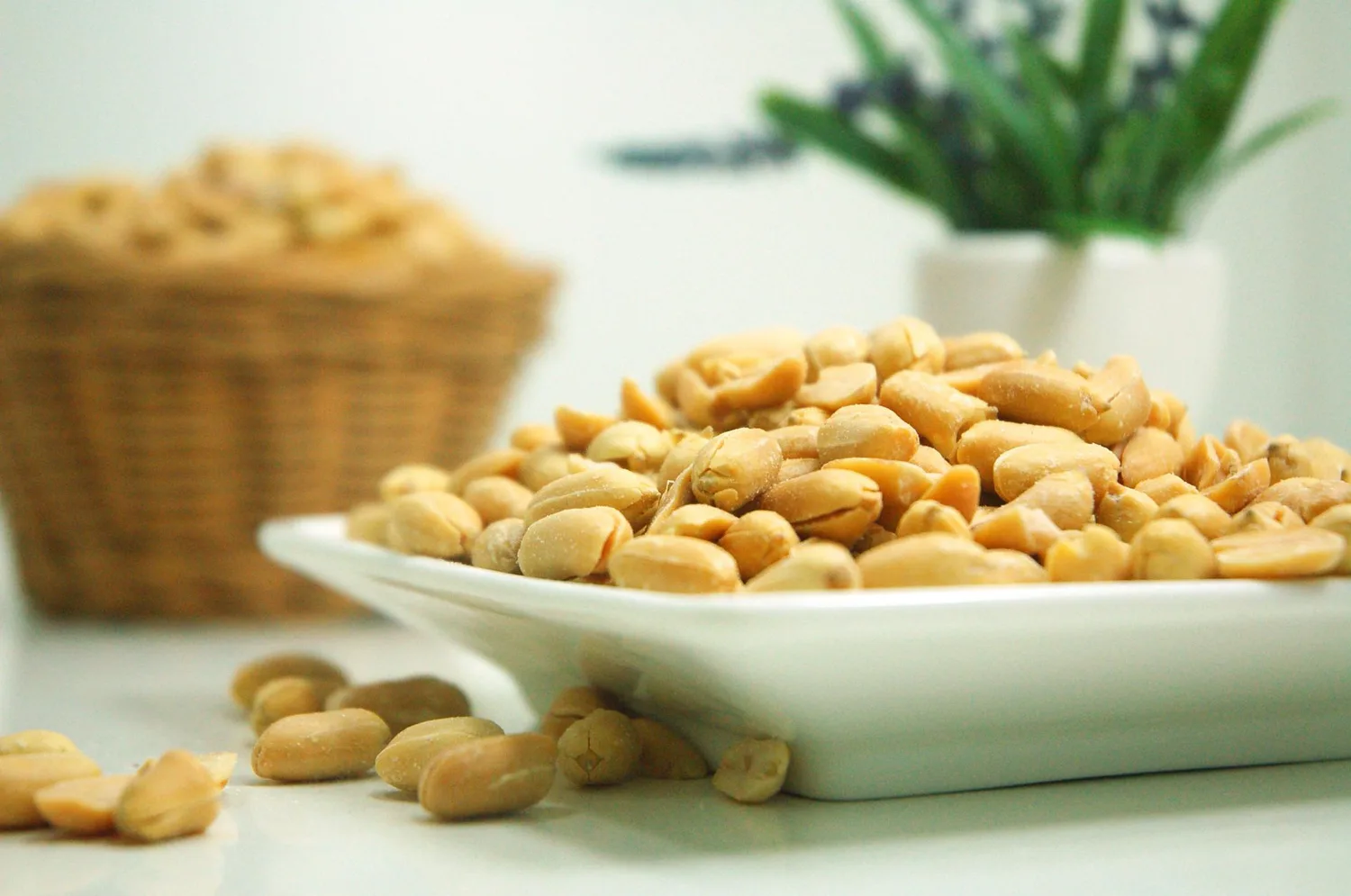
Another advantage of peanuts is satiety. A small portion can reduce the desire to constantly snack on sweets or pastries. This is useful for people trying to control their appetite. The best option is unsalted or lightly salted peanuts without glaze, sugar, flavorings, or excess oil.
Benefits of peanuts for women
For women, peanuts can be a source of nutrients important for skin, hair, the nervous system, and normal metabolism. B vitamins are involved in the functioning of the nervous system, magnesium is needed for muscles and normal energy metabolism, and vitamin E performs an antioxidant function.
Peanuts can be a convenient snack for women who work a lot, eat irregularly, or do not always have the opportunity to prepare a full lunch or dinner.
Women who control their weight should take into account the calorie content of the product. Peanuts do not need to be completely excluded from the diet, but it is better to determine the portion in advance. The optimal option for most people can be about 20–30 grams per day, if there are no allergies or other contraindications.
During pregnancy, breastfeeding, in the presence of chronic diseases or food allergies, it is better to coordinate the diet with a doctor.
Benefits of peanuts for men
For men, peanuts are primarily interesting as a source of plant protein, magnesium, zinc, and energy. They are useful in the diet of people who have physical activity, play sports, or need a higher-calorie diet. Protein and fats make peanuts a nutritious snack that is convenient to take with you.
Zinc and magnesium are important for normal metabolism, muscle function, and general well-being. However, peanuts are not a special product "for male power" and have no proven effect on hormones. Therefore, information about the effect of peanuts on male potency is more of a promotional nature than scientifically confirmed.
In addition, it is worth remembering that men with high blood pressure or a tendency to edema should choose unsalted peanuts. Salty snacks can significantly increase sodium intake, especially if the diet already includes sauces, chips, or semi-finished products.
What is the calorie content of peanuts
Peanuts belong to high-calorie products. 100 grams of raw peanuts contain an average of about 560 - 570 kcal. In roasted peanuts, the calorie content may be similar or slightly higher, depending on the processing method, addition of oil, salt, sugar, or glaze.
Approximately a small portion - 28-30 grams of peanuts - contains about 160 - 180 kcal. This is not much if the portion is truly small. But 100 grams is already the calorie content of a full meal for many people. That is why it is better not to eat peanuts directly from a large package. It is more practical to pour a small amount into a plate or container.
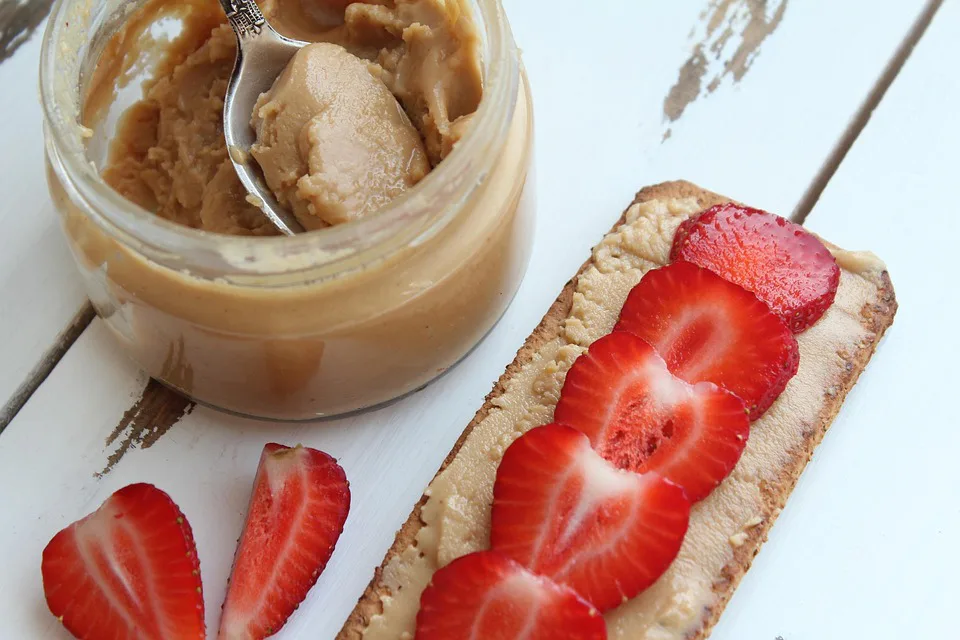
The calorie content of peanut butter is also high. In addition to the peanuts themselves, the composition may include sugar, salt, palm, or other vegetable oil. Therefore, before buying, you should look at the label. The simplest composition is peanuts and, if necessary, a small amount of salt. If the butter contains a lot of sugar and added fats, it is no longer so much a healthy product as an ordinary dessert promoted by the manufacturer.

Can you eat peanuts on a diet
Peanuts can be eaten on a diet if a person does not have an allergy and takes into account the total calorie content of the diet. They do not interfere with weight loss by themselves. What interferes is an excess of calories, which is easy to get if you eat peanuts in large portions or choose sweet and salty options.
During weight loss, peanuts can be useful as a replacement for less nutritious snacks. For example, a small portion of peanuts with fruit or yogurt can provide more satiety than a cookie or a sweet bar. They can also be added to salads, cereals, or vegetable dishes to make the meal more nutritious.
At the same time, peanuts should not be used as the main product of a diet. The diet should include vegetables, fruits, grains, legumes, dairy products or their alternatives, eggs, meat, fish, or other sources of protein. If a person is losing weight but constantly feels hungry, tired, or has breakdowns, the problem may not be in the peanuts, but in a diet plan that is too strict.
Who should not eat peanuts
First and foremost, peanuts should not be eaten by people with a confirmed allergy to them. The reaction can manifest as a rash, itching, swelling of the lips or throat, abdominal pain, nausea, vomiting, runny nose, cough, difficulty breathing, or a sharp deterioration in well-being. In severe cases, anaphylaxis is possible - a life-threatening condition that requires emergency medical assistance.
Caution is needed for people who already have other food allergies, bronchial asthma, atopic dermatitis, or cases of severe allergic reactions in the past.
People with diseases of the gastrointestinal tract, pancreas, liver, or gallbladder should discuss the consumption of peanuts with a doctor, especially during exacerbations. After all, due to the high fat content, the product can be "heavy" for digestion. Caution is also needed with therapeutic diets where the doctor limits high-calorie or fatty foods.
A separate risk is storage conditions. Peanuts should not smell of mold, taste bitter in the mouth, or have traces of moisture. It is better not to eat a spoiled product. You should buy peanuts in verified places and store them in a cool, dry place in a closed package.
Reminder
Recently, scientists found a built-in weapon against peanut allergies. Studies have shown that many tiny microbes common in both the human mouth and gut are capable of breaking down several dangerous proteins known to cause allergies to this product.