










When and how to prune raspberries for winter: tips
Kyiv • UNN
Proper pruning of raspberries in autumn, 2-3 weeks before frosts, ensures better adaptation to winter and increases yields. Removing diseased, damaged, and two-year-old shoots promotes light and air penetration, preventing diseases and pests.

Proper pruning of raspberries in autumn is a key element of care, as the plant adapts better, grows faster in spring, and produces many flower stalks, writes UNN.
Why pruning raspberries is the key to a good harvest
Raspberries are pruned not only for aesthetic reasons. This creates immunity and prolongs the life of the plant, because regular pruning promotes better penetration of light and air to each shoot. This is especially important for raspberries, as good ventilation helps to avoid many infections and pests. Pruning allows the plant to focus on fruitfulness, rather than on trying to support old shoots that would still fall off in winter. Thanks to this, the harvest becomes larger, and most importantly - it becomes of higher quality.
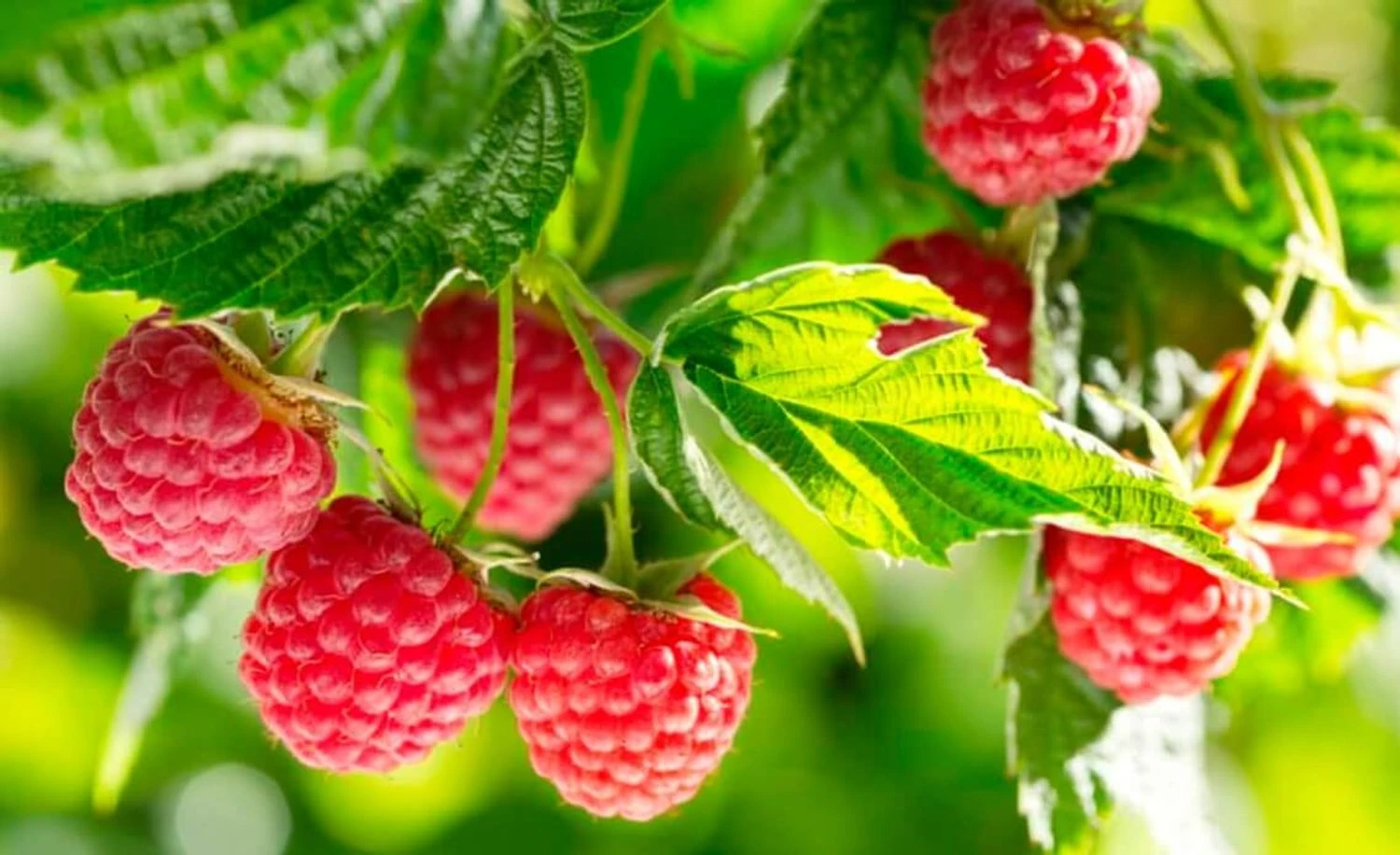
Optimal time for pruning raspberries in autumn
The main goal of pruning raspberries in autumn is to prepare them for winter, so that the bush survives the cold with minimal loss of characteristics. Raspberries, namely diseased and damaged shoots, should be pruned 2-3 weeks before frosts. During this time, the cuts will dry out and heal, so that frost will not be able to penetrate the tissues and will not cause the shoots to rot. Just a few weeks before frosts, raspberries go into a dormant state, and early treatment helps the plant accumulate more nutrients.
How to prune raspberries correctly
It is necessary to prune not only damaged and old shoots, but also two-year-old branches that bore fruit this year, usually they are brown. Moreover, they need to be cut out completely, without a stump, because after two years the life cycle of such shoots ends, there is no point in leaving them. On the contrary, if they are left, they will begin to dry out and rot, creating favorable conditions for infections and pests, which as a result can lead to the rotting of the entire bush. All pruned branches must be burned to destroy pests that hibernate in them.
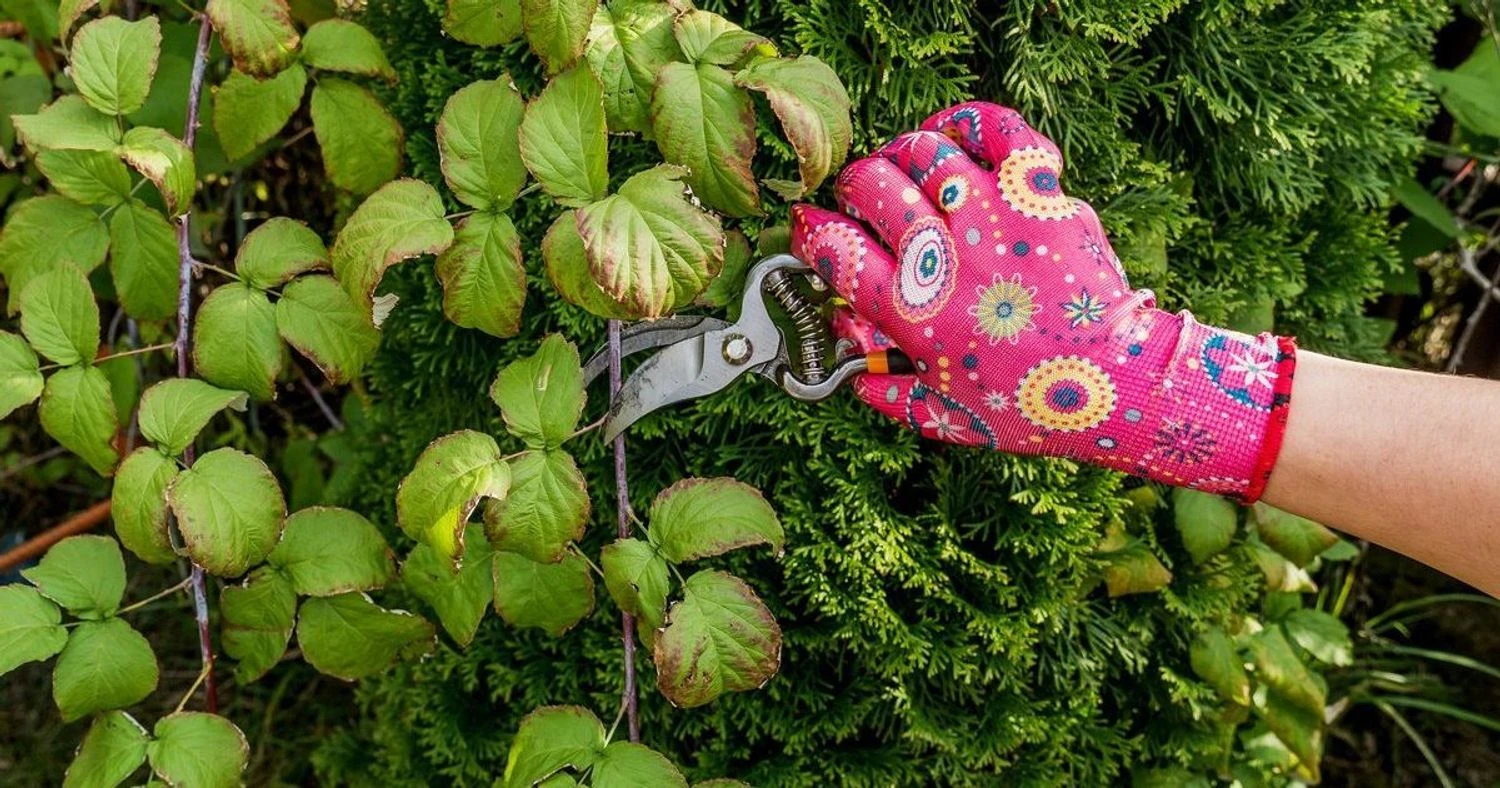
The distance between raspberry bushes should be at least 60 cm. If they have grown strongly, excess side shoots are cut out. If the frosts in your area are more than -35°C, the raspberries should be tied and bent to the ground, and then attached. After the snow cover appears, the bushes are hilled with snow.
Proper pruning improves the absorption of sunlight and nutrients, which will help increase the harvest and improve the quality of the fruits.