









"Ukraine for every child": what forms of family upbringing exist and how many children need it
Kyiv • UNN
The Sheremet couple took two brothers and a sister under their guardianship, creating a real family for them. How to take a child into a family? In Ukraine, in addition to adoption, there are several other options.

In Ukraine, the all-Ukrainian information campaign "Ukraine for Every Child" is underway, the purpose of which is to inform citizens about various forms of family upbringing in Ukraine, UNN writes about this.
Details
As of today, over 15,000 Ukrainian orphans and children deprived of parental care are registered for adoption. However, the problem is that most adoption candidates want to take children under 6 years old and without siblings into their families, while over 90% of children in institutions are older.
Also, according to the National Social Service, in the period from February 24, 2022, to January 1, 2024, 1786 children were left without parental care due to the military invasion (death, parents' death, lack of contact with parents). Of the 1786 children, 1188 children were granted the status of an orphan or a child deprived of parental care.
Ways to take a child into a family
In Ukraine, there is a platform "Ukraine for Every Child", where in one place you can get a step-by-step algorithm of actions to take a child into your family, learn about adoption, family forms of upbringing and patronage, find the right expert, etc.
For those who want to take a child into a family, the platform's website has a section "Care Line", where you can get initial consultation. Thus, everyone will be provided with answers to legal questions, and there is also an opportunity to receive consultation from social workers, and support from a psychologist-consultant.
So there are several ways to take a child into a family. In particular, in Ukraine, in addition to adoption, such forms of family upbringing as guardianship/custody, foster family, family-type children's home, and also the service of patronage over a child are provided. We offer to learn more about them.
Adoption - it's a family for a child forever
An adopted child becomes part of a new family with the rights of a born child, with equal rights and responsibilities as biological children.
The family environment is the very place that creates a child's sense of security, trust, and love. This is the only form of upbringing that guarantees a child stable and constant family support.
Foster family
This is a family that has taken in 1 to 4 children for upbringing. Here, children receive warmth, support, and have the opportunity to grow and develop in safety and love. The state allocates funds for the maintenance of children.
Family-type children's home
A large foster family or family-type children's home is a family that raises children who have been left without parental care. Such a family can take in 5 to 10 orphans, children deprived of parental care.
Patronage
A foster family provides the child with the necessary care and creates safe conditions for their development at a time when their biological family cannot fulfill its duties due to various reasons (illness, difficult life circumstances, loss of housing, etc.). In parallel with the child's stay in the foster family, social services work with their parents so that they can solve their problems and take the child back for upbringing.
Guardianship and custody
Guardianship/custody - raising children in the family of a guardian/custodian. This form is provided mainly for relatives, but also for those who have undergone special training. You become the legal representative of the child and are responsible for their life, health, physical and mental development. At the same time, the state provides financial support for the child's maintenance.
Guardianship is established over children under 14 years of age. Custody is established over children aged 14 to 18 years.
Every child in Ukraine should grow up in a safe and caring family, have opportunities for full and harmonious development.
Guardianship or custody in Ukraine is one of the most common forms of family upbringing. Over 45,000 children are raised in the families of guardians and custodians. This is 3 out of 4 orphans and children deprived of parental care.
UNN offers to read the story of the Sheremet family from Dnipropetrovsk region, who opened their home to three children.
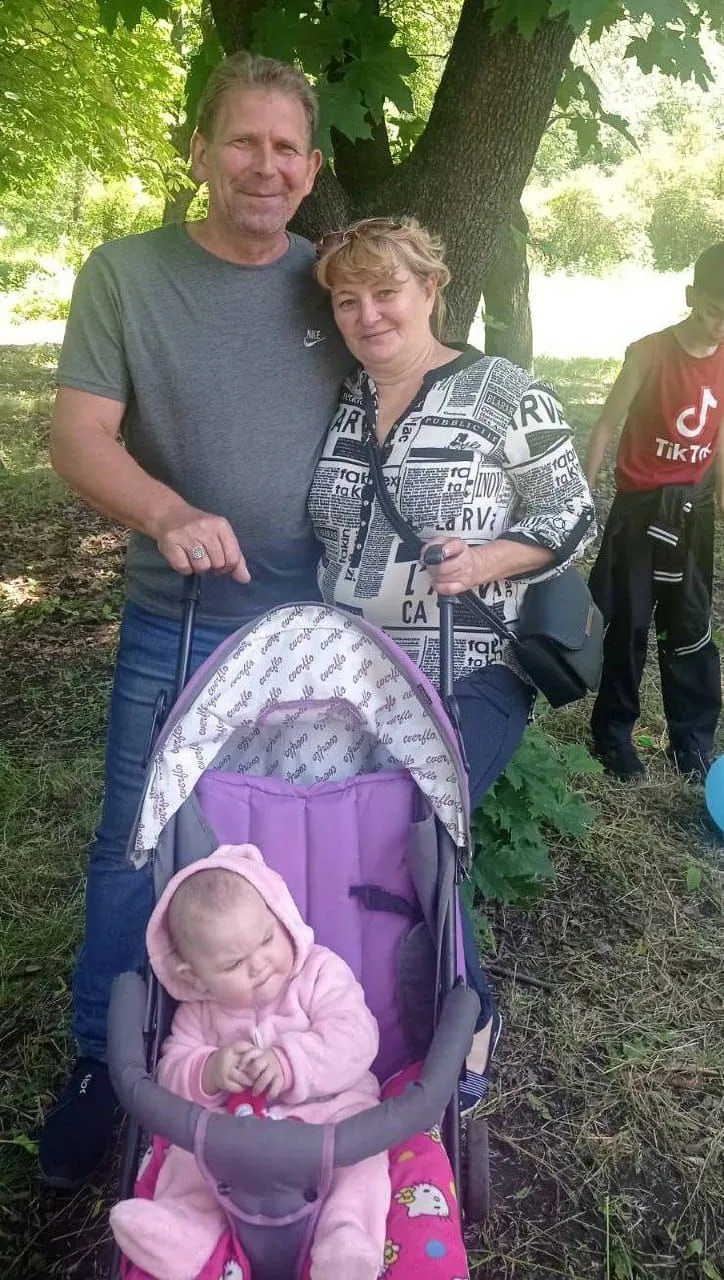
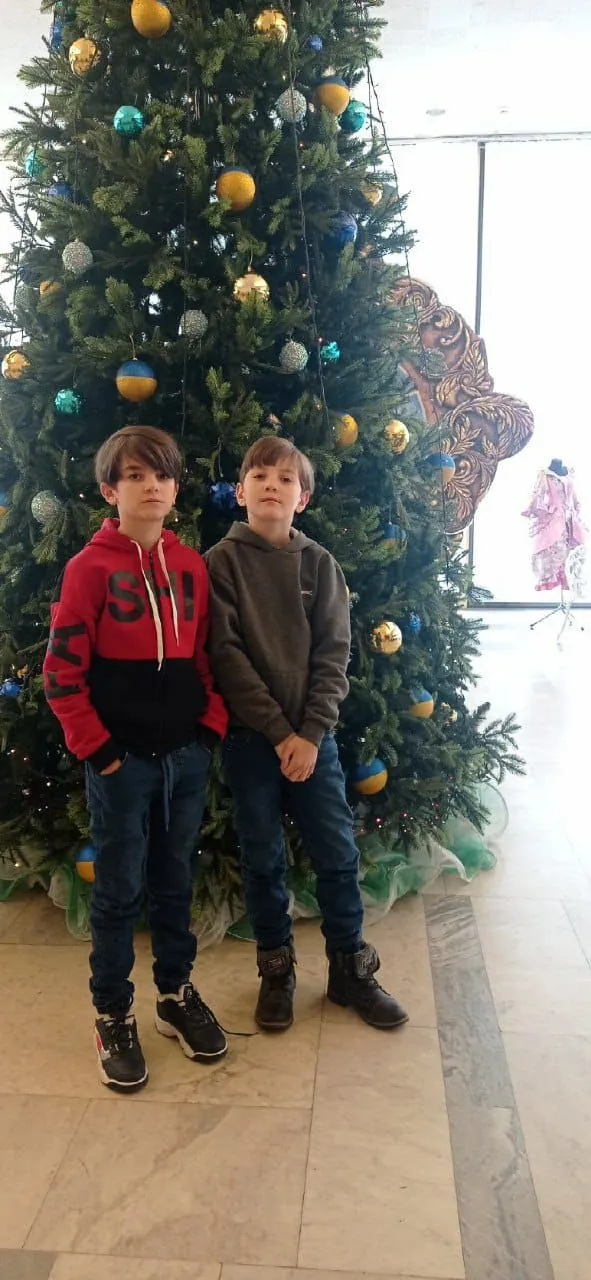
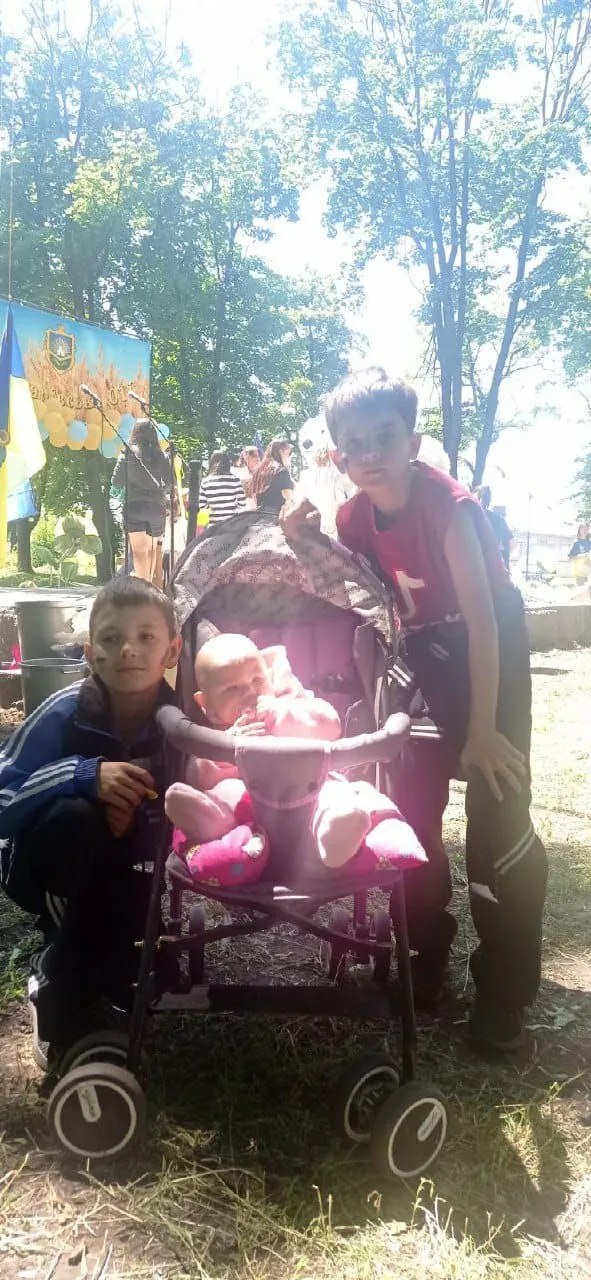
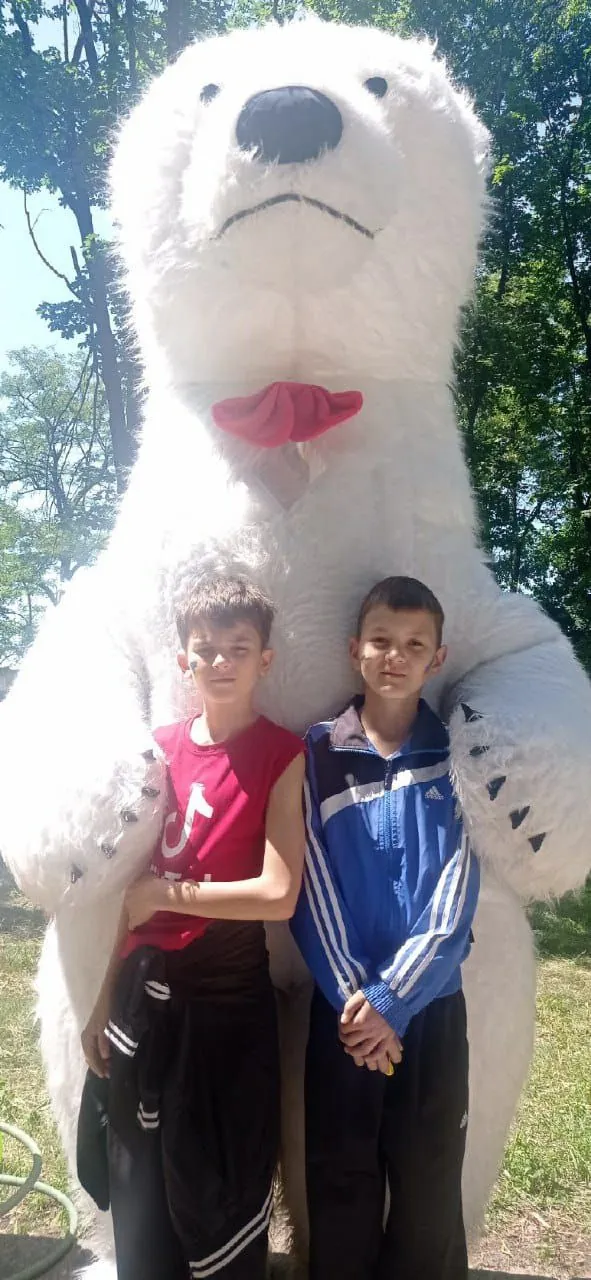
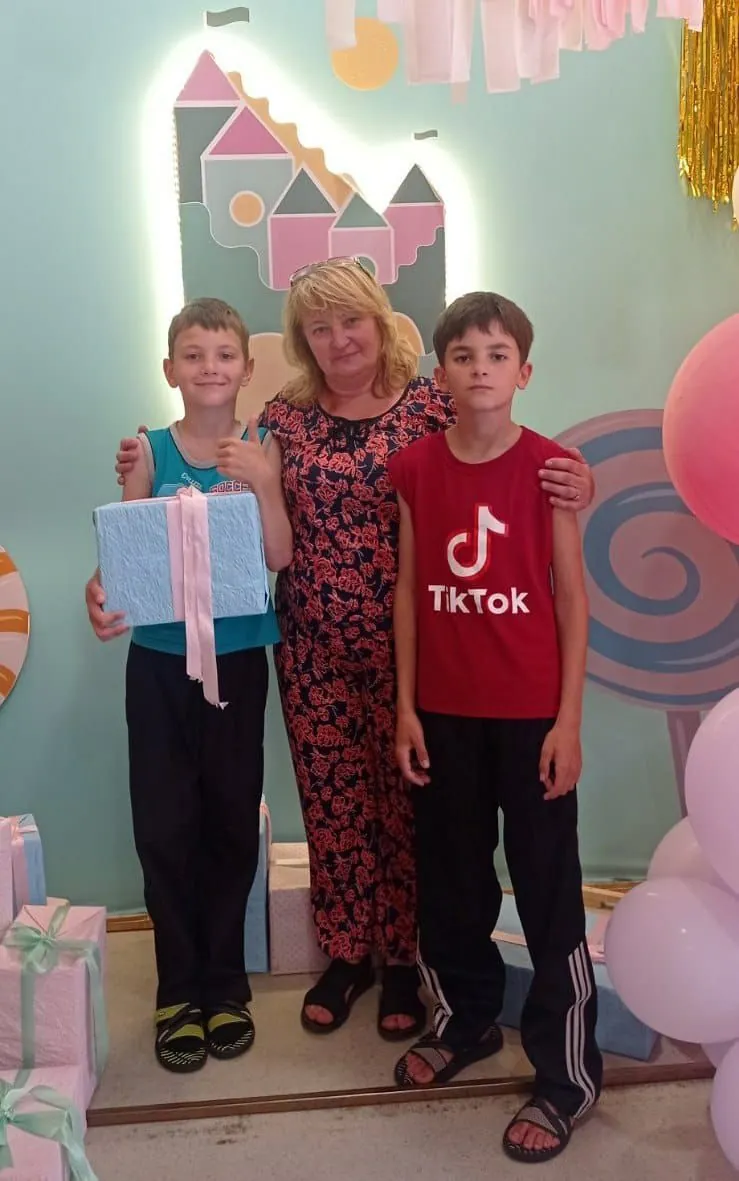
The Sheremet family took in three unrelated children, two brothers and a sister: 11-year-old Arseniy, 13-year-old Yelysei, and little Adel. The girl turned two on August 10. And in general, it's already the second year that the children have been living in this family.
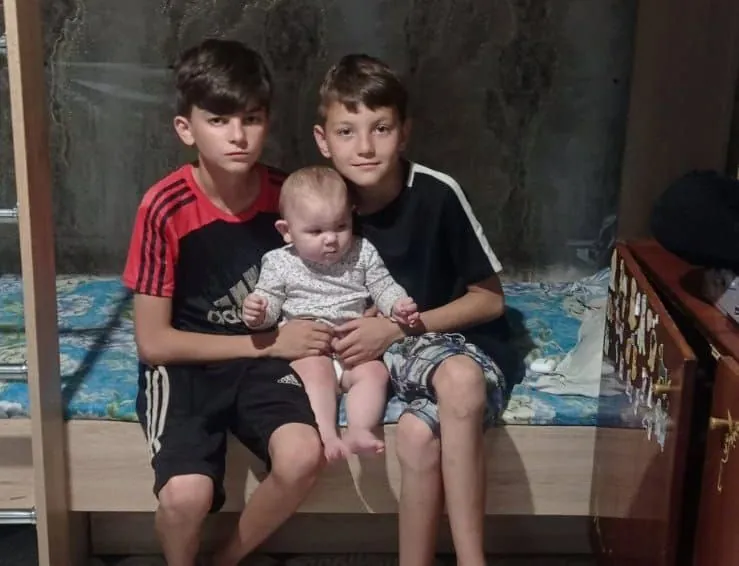
Why guardianship
Ihor Viktorovych Sheremet worked on the railway for a long time, retired early, the man admits that the decision regarding guardianship was made jointly, by the whole family. Together with his wife, they called their daughter, talked to their grandson. The daughter said: don't worry, we will all support the children together.
I think with a cool head, deliberately. My wife Natalia is an emotional person. I confess, she cannot imagine her life without children. This is her calling. At one time she worked both in school and in the hospital, where help was needed. We knew about the situation with Arseniy and Yelysei. We wanted to take these boys under guardianship. We constantly consulted with the children's services. One day we asked what would happen to their sister Adelka. We were explained that due to her health peculiarities, she could be sent to a special boarding school. We did not want this and decided - we are taking three under guardianship
The Sheremets submitted an application and a package of necessary documents, after which a decision was made to establish guardianship. Of course, before that there was special training and consultations with psychologists. The husband and wife were explained the difference between guardianship and custody. In particular, they take care of a child who has not reached 14 years of age. And they take care of a child aged 14 to 18 years. But both a guardian and a custodian are legal representatives of the child's interests. They are responsible for their life, health, physical and mental development. In general, all bureaucratic issues were resolved for the Sheremets in a few months.
The boys grew up very early. During the time they have been with us, everything has changed: behavior, worldview, attitude to everyday life. We try to prepare children for adult life. We talk about various life situations. They don't wear rose-colored glasses. For example, from the very beginning we started a financial notebook where we keep the family budget. Together with the children, we make purchases so that they understand how and what the family lives on. This is how their financial literacy is formed. Even two-year-old Adel has become more open. Previously, the girl was like a hedgehog. Now she is a completely different child
She says that Yelysei is already worried about his sister's future, whether she will stay in their family when he and his brother enter adulthood. Of course, the Sheremets explain everything to the boys, but at the same time they are glad that the children realize their responsibility for the fate of a loved one.
Everything, as in a normal family
The boys are active, as they should be at their age. And the guardians support them, give advice, and of course raise them. Everything is like in a normal family. There are also reasons for pride. Mr. Ihor and Mrs. Natalia can talk about this for hours. Yelysei is one of the best students in the class. He has diplomas and commendations. He loves to study very much. Arseniy has culinary abilities. The boy is a good host. Natalia cooks in the kitchen, and he helps nearby.
The children live in a spacious house, outside there are swings and a swimming pool. One of the rooms is decorated with balloons. This is for a birthday, says Mrs. Natalia. We have a tradition: hanging balloons, organizing tea parties with goodies, and of course no holiday is complete without gifts.
The boys go to school, attend clubs, they have friends. Unfortunately, there is not such a choice of clubs in the village as in the city, but they still find something they like. For example, I am a fisherman, and the boys also fell in love with this activity. Therefore, at the first opportunity, we all go to the reservoir together
However, these are not all family traditions. Every morning in the Sheremet family begins with physical exercise. Everyone does it together, both children and adults.
My wife and I show that there is a better life than sitting for hours on the phone. Also, when problematic issues arise, we all sit down at a round table, discuss, and look for solutions. Adult life is not a walk in the park. There will be trials and difficulties. But strong people solve problems, so you need to develop physically and temper your character. We teach children such life science
They felt support everywhere
After almost two years of guardianship experience, the family admits: they have never regretted their decision. And no matter how difficult it was to raise children, they found support everywhere.
The children's service has become our main advisor. We have developed a special type of relationship. We are not afraid of visits from specialists from the service, and the service treats us and our work with respect. Sometimes they call, sometimes they drop by. We have nothing to hide, so the doors are always open
And in the village, the decision was met with understanding. The head of Bozhodarivka village immediately offered to buy a house at the expense of the community, but the family already had comfortable living conditions. The children were also given bunk beds, and as for food, there is no question at all.
When you take such a step and take responsibility for children, do not expect everything to be easy. This happens in every area. But I feel a lot of help throughout all stages. Support does not end when the children enter your home. It continues. And I would also advise guardians to be able to maintain balance, unload, so that there is no burnout. This way you can help more children
The Sheremets do not plan for the future, but as long as they have health, they plan to continue supporting children who find themselves in difficult life circumstances.
You can learn more about family forms of upbringing on the website "Ukraine for Every Child".