










Aviation industry warns of threat of destruction: new interpretation of leasing creates risks for Ukrainian carriers
Kyiv • UNN
State authorities equate aircraft leasing to royalties, threatening airlines with bankruptcy. Industry representatives urge resolving the dispute within the legal framework, rather than through criminal proceedings.

Representatives of the Ukrainian aviation industry stated that civil aviation is under threat of destruction due to the actions of state regulatory bodies. According to them, the new interpretation of taxation of aircraft leasing operations from non-residents of Ukraine as royalties, criminal proceedings, and attempts to impose additional taxes for seven years could finally finish off companies that survived the closure of the sky and relocation abroad due to the full-scale war, writes UNN.
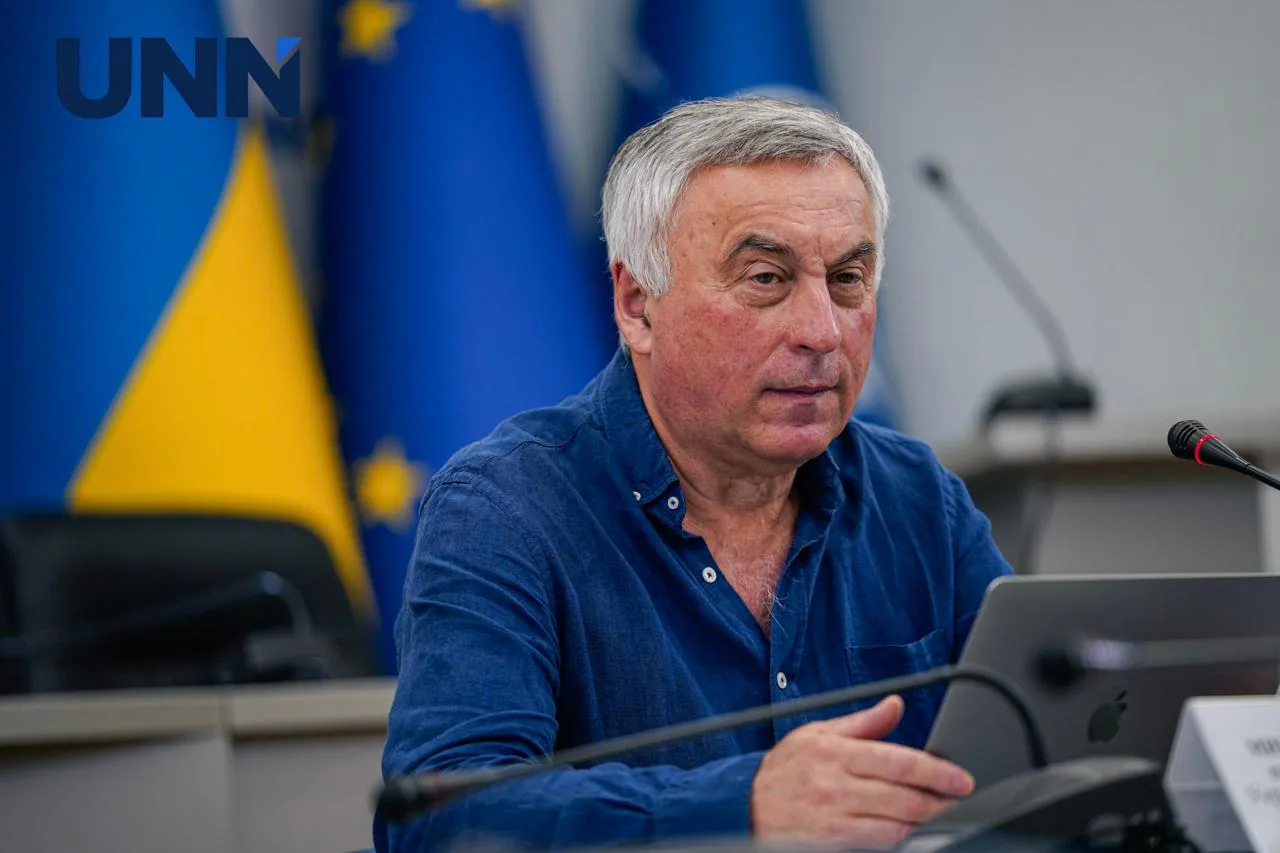
"In Ukraine, civil aviation withstood 2 years of COVID shocks, the war began, an even stronger blow, but nevertheless, Ukrainian airlines are surviving. And now there is a high probability that they will not survive," said during a round table the executive director of the Public Union "Ukrainian Air Transport Association" Mykola Shcherbyna.
According to him, additional fiscal pressure on airlines due to attempts to tax leasing operations from non-residents of Ukraine as royalties jeopardizes the financial capacity of airlines.
"And there is another peculiarity here: in Europe, according to the directive, an airline license for air transportation is issued, and it must have financial capacity," Shcherbyna noted.
The head of the Ukrainian Air Transport Association, Mykhailo Pinkevych, emphasized that the problem faced by Ukrainian airlines that lease aircraft abroad has long gone beyond a tax dispute and turned into a national security issue. According to him, legal uncertainty arose not due to changes in legislation, but due to a new approach by regulatory bodies that began to equate ordinary leasing payments to royalties.
It is about the fact that the State Tax Service in 2024, despite the absence of changes to tax legislation, published an article in which it proposed to tax operations of leasing air transport from non-residents of Ukraine as royalties. Tax officials believe that Ukrainian airlines should pay tax for the use of intellectual property.
The STS believes that from 2017 to 2023, companies that use transport leasing, in particular renting aircraft and railway cars, from non-residents, paid UAH 13.1 million in income in the form of leasing and at the same time did not pay 15% royalties in Ukraine. At the same time, the tax service decided to interpret international conventions on the avoidance of double taxation in its own way, stating that it believes that companies rented not transport, but equipment.
Guided by this approach, the Bureau of Economic Security opened a number of criminal proceedings against airlines. Investigators believe that at least 5 airlines, including MAU, "Aviation Company Constanta", "Urga", N3Operations, and "Skyline" should have paid an additional 15% royalties to the Ukrainian budget for renting aircraft and helicopters.
The executive director of the Public Union "Ukrainian Air Transport Association" Mykola Shcherbyna recalled that airlines have been using leasing for decades and previously there were no questions about the taxation of these operations.
"My opinion is that in any case, the Ministry of Finance and the tax service should have, first of all, explained that there are such and such agreements - you need to act this way, there are such and such agreements - you need to act that way. I do not want to say that companies do not have qualified people, but in any case, an approach to aircraft leasing had already been developed over the years of independence. And there were no problems. And it is not seven years, it is much more. And then suddenly it turned out that there is a problem," he noted.
Tax assessment must be legal
"I would like to emphasize that airlines do not deny the obligation to pay legally defined taxes. However, tax disputes should be resolved in the legal field, not in a criminal-repressive manner. Tax obligations must be determined in accordance with the law, a specific international treaty, and the actual content of operations, and not through a change in administrative approach or criminal-legal pressure on airlines and taxpayers," Pinkevych emphasized.
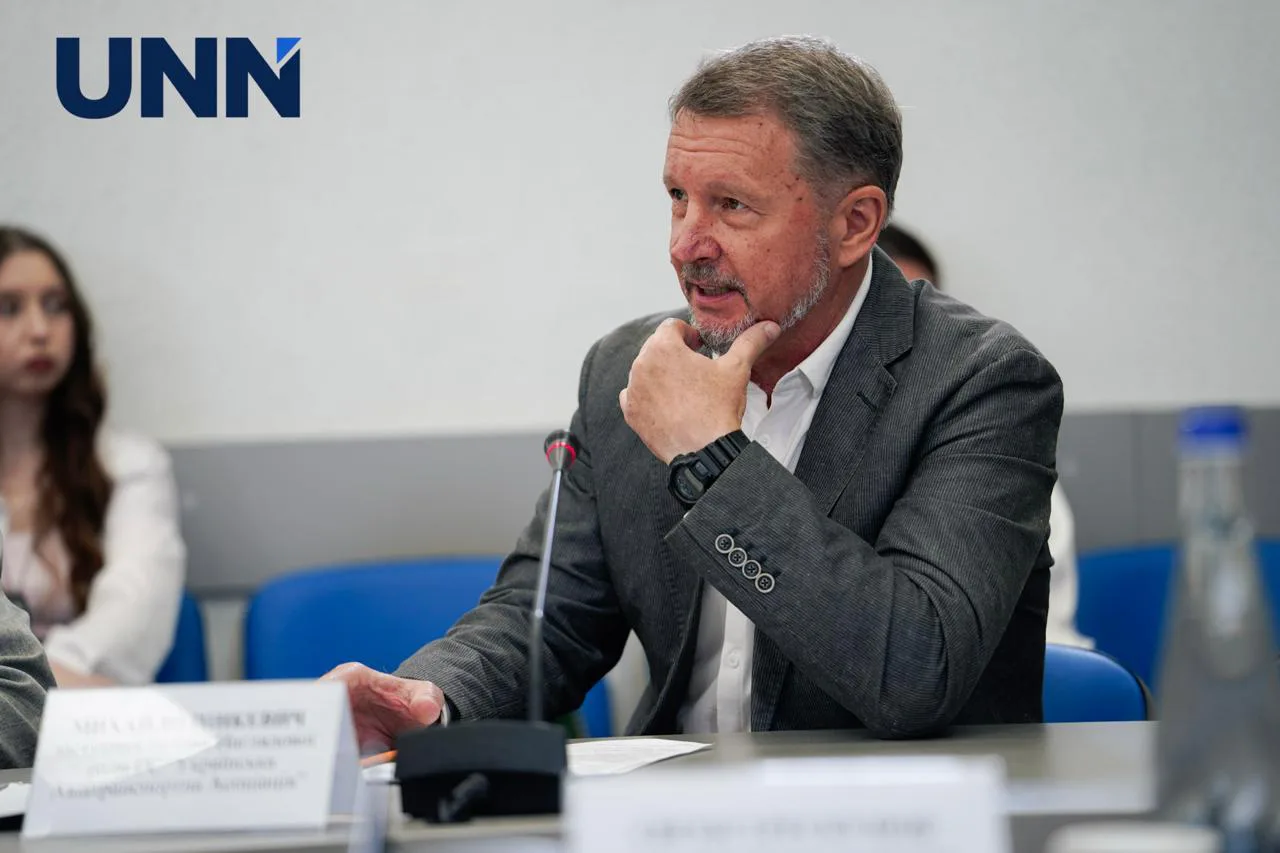
Pinkevych emphasized that even after the closure of Ukrainian airspace, airlines managed to maintain their presence on the international market, carry out UN humanitarian missions, and push Russian operators out of some international contracts. At the same time, according to him, the current practice threatens not only business but also the future of the entire industry after the war.
"The problem has become systemic, affecting the operations of most Ukrainian airlines and creating a real threat to the existence of civil aviation as an industry in Ukraine. I want to emphasize that the legal uncertainty in this area is created not by the law, but by the position of regulatory authorities, who are trying to artificially expand the meaning of the concept of royalties and extend it to ordinary lease payments for the operational use of aircraft. Our position, the airline's position, is that an aircraft is a means of transport, not an object of intellectual or industrial property," Pinkevych stressed.
According to him, this approach complies with the current legislation of Ukraine, including the Ukrainian classification of goods for foreign economic activity and the practice of customs authorities, which, when clearing aircraft through customs, classified them precisely as means of transport, not as equipment.
"Of particular concern is that the BEB investigators, without waiting for a final court decision on the disputed legal issues, have opened a number of criminal proceedings against airlines and officials, interpreting leasing as royalties. In our opinion, aircraft leasing is not royalties," Pinkevych added.
Threat of airline bankruptcy
In turn, the head of the legal committee of the Aerospace Association of Ukraine, Ruslan Melnychenko, reported that the majority of Ukrainian civil airlines that continue to operate under closed skies have appealed to the association. According to him, they all report the same problem – attempts to additionally assess the repatriation tax, based on the assumption that aircraft leasing is supposedly royalties.
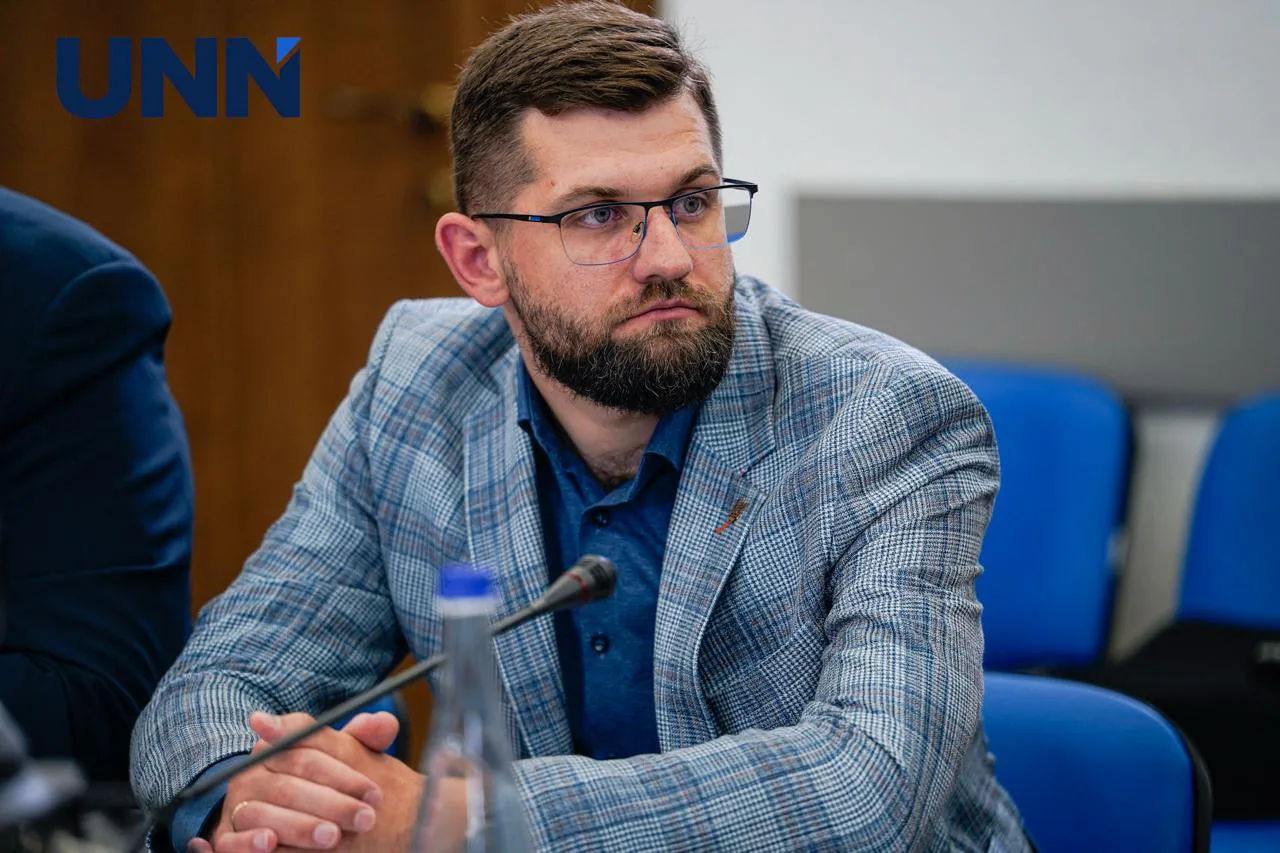
"We communicate with financiers, tax officials, lawyers of the 'Big Four', in Ukraine and abroad; in no country in the world does anyone call aircraft leasing royalties, in no country in the world," Melnychenko emphasized.
Separately, he drew attention to the fact that regulatory authorities are trying to apply the new approach retroactively and additionally assess additional taxes for the last seven years. According to him, with an average profitability of the aviation business at 7–10%, such a financial burden would mean the guaranteed bankruptcy of most Ukrainian carriers.
"If we collect these taxes, the companies will all be guaranteed bankrupt, all companies on the market will be guaranteed bankrupt," he stressed.
At the same time, representatives of the aviation market emphasize that the aviation business does not require tax benefits or a special regime. The industry's only requirement is legal certainty and uniform application of the law.
What the relevant committee of the Council thinks
The Deputy Chairman of the Committee of the Verkhovna Rada of Ukraine on Transport and Infrastructure, Volodymyr Kreydenko, admitted that the combination of tax disputes with criminal proceedings is the most concerning. In his opinion, if companies openly declared transactions, and the dispute arose solely due to different interpretations of the law, it should be resolved by tax authorities and the court, not by law enforcement officers.
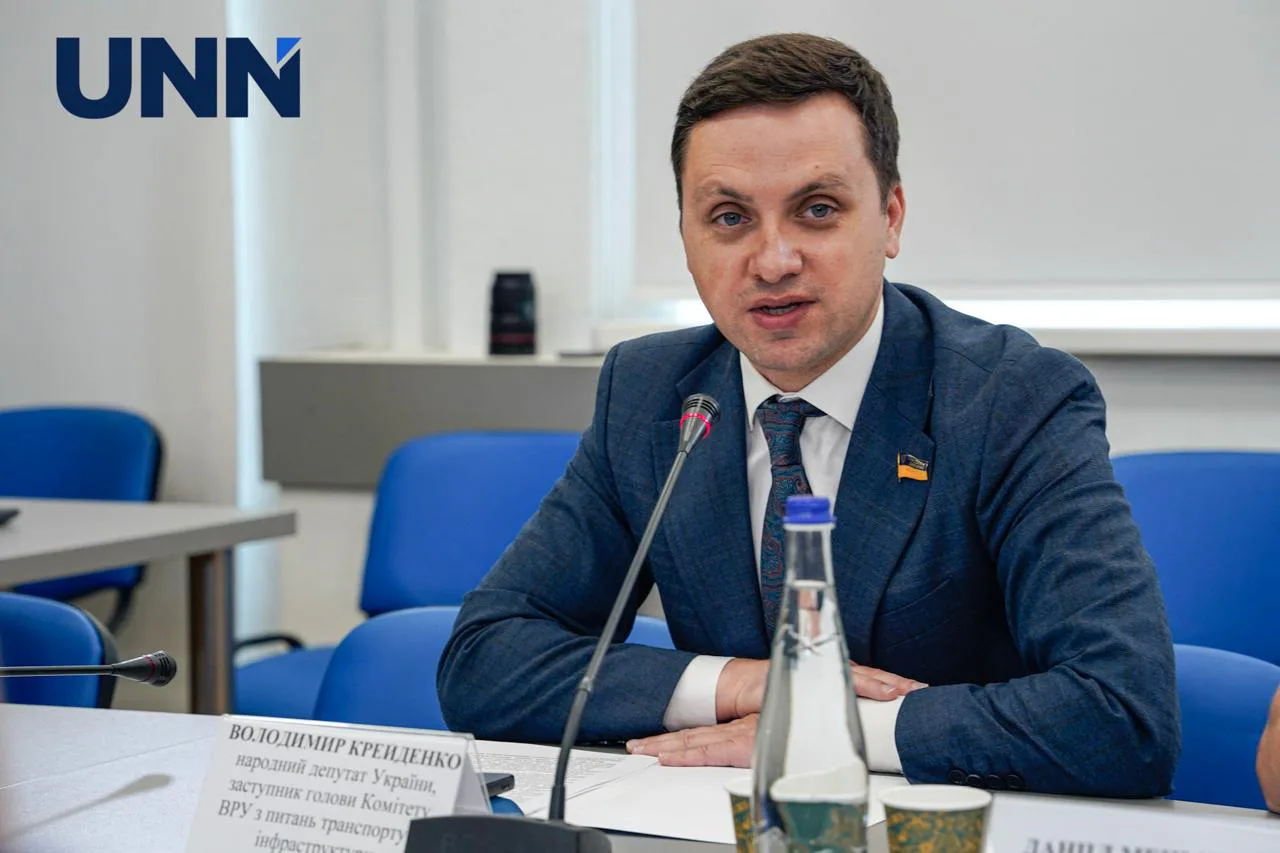
"The greatest concern is that the tax dispute is accompanied by criminal proceedings against the airline and its officials. This is also a lot of pressure, especially during martial law. We see that this is definitely unacceptable and does not allow the industry to develop. The state must, of course, respond to such cases if a company hides income, forges documents, or uses fictitious contracts. But if the transaction was open, declared, payments were made through banks, and the dispute arose due to different interpretations of the law, then it should first be resolved by the tax authorities and the court. A tax dispute should not automatically turn into criminal prosecution," the people's deputy emphasized.
According to Kraydenko, the practice of changing the rules retroactively is particularly dangerous, when companies are presented with multi-million dollar claims for operations that have been carried out without any objections from the state for many years. In his opinion, this could have long-term consequences for the country – airlines may cease operations in Ukraine and permanently relocate their activities abroad.
Participants of the round table called on the Cabinet of Ministers, the Ministry of Finance, the State Tax Service, and the Bureau of Economic Security to urgently develop a unified official position on the taxation of lease payments for aircraft, based on Ukrainian legislation and international law. In their view, without this, Ukraine risks losing a high-tech industry that, even during the full-scale war, continues to operate, fulfill international contracts, and pay taxes to the state budget.