









Chinese scientists have announced the most effective way to destroy the Doomsday asteroid
Kyiv • UNN
Chinese researchers have determined that the best way to prevent an asteroid from colliding with Earth is to detonate a nuclear device inside the celestial body. Methods similar to NASA's DART mission are ineffective for large asteroids.

Chinese researchers have reported that they have identified the most effective way to prevent a large asteroid from colliding with Earth. To do this, it is proposed to bury a nuclear device inside the celestial body and carry out a large explosion. This is reported by Independent, according to UNN.
Details
Chinese scientists note that the results of the study could become an important basis for creating a system to protect Earth from catastrophic asteroid collisions. According to their findings, the most effective method is to place a nuclear device inside the asteroid with subsequent detonation to prevent its potentially catastrophic collision with Earth.
"Asteroids pose a serious threat to human civilization, causing catastrophic environmental changes and mass extinctions in the past.
In recent years, astronomers have regularly recorded asteroids ranging in size from tens to hundreds of meters in diameter, which often make close flybys past Earth," the publication writes.
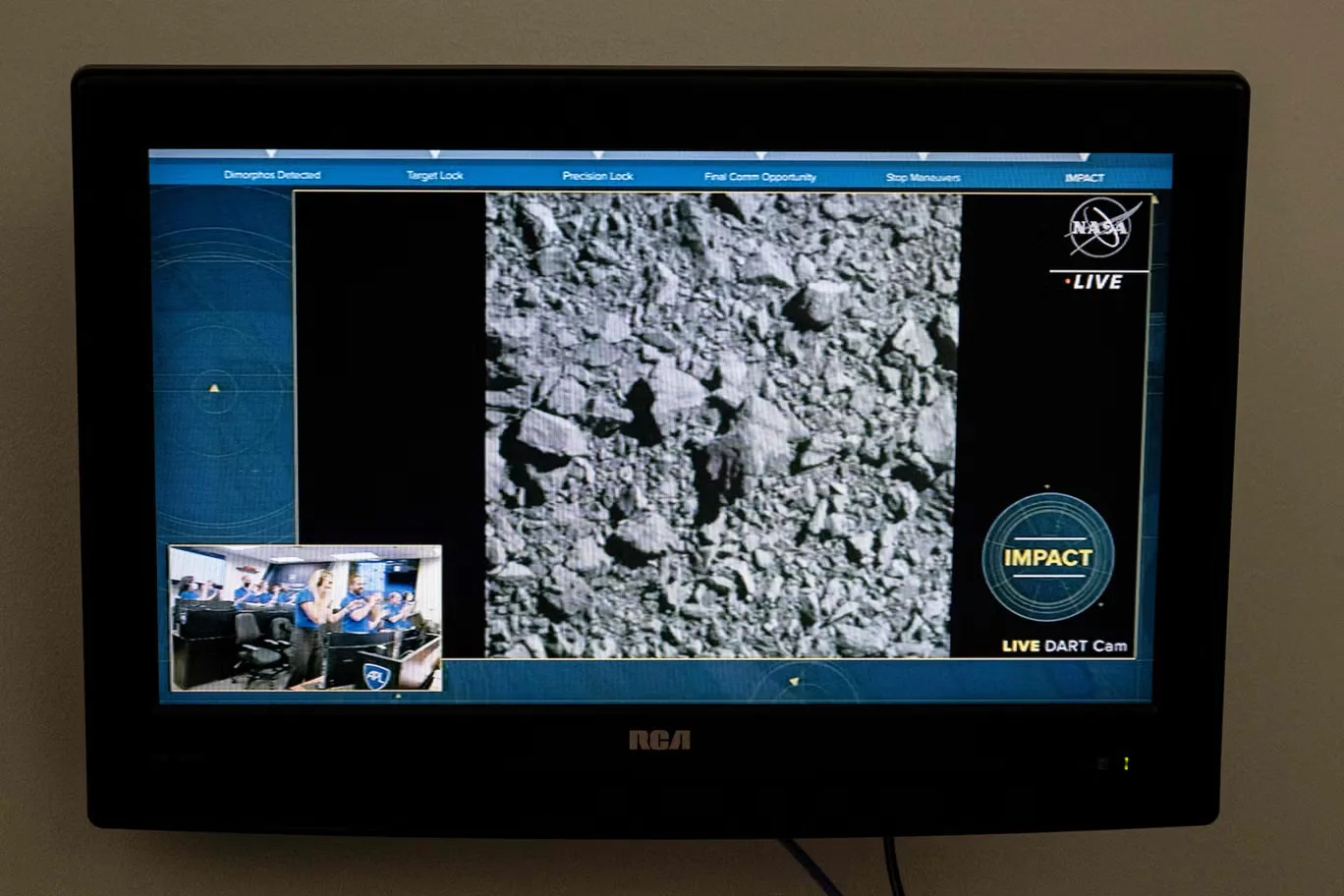
In addition, a significant number of large asteroids near our planet still remain undetected, while warning times for potential collisions often range from a few days to weeks. According to researchers, for large asteroids hundreds of meters wide, methods similar to those tested by NASA's Dart mission in 2021-22 cannot achieve effective deflection in short timeframes.
Recall
The near-Earth asteroid 2000 YV137, with a diameter of 730–750 meters, will fly past Earth on August 9 at a safe distance of 5.02 million km. There is no risk of collision, although the object is classified as potentially hazardous.