









Ukrainian ministers shared stories of their first vyshyvankas and the secrets of their origins
Kyiv • UNN
The Ministry of Culture collected stories from government officials about their first embroidered shirts. Ministers spoke about family heirlooms, gifts from dissidents, and wedding traditions.

For Vyshyvanka Day, the Ministry of Culture of Ukraine has collected personal stories from government officials about their first vyshyvankas—items that for many became symbols of family, memory, and Ukrainian identity since childhood, reports UNN.
Oksen Lisovyi, Minister of Education and Science of Ukraine
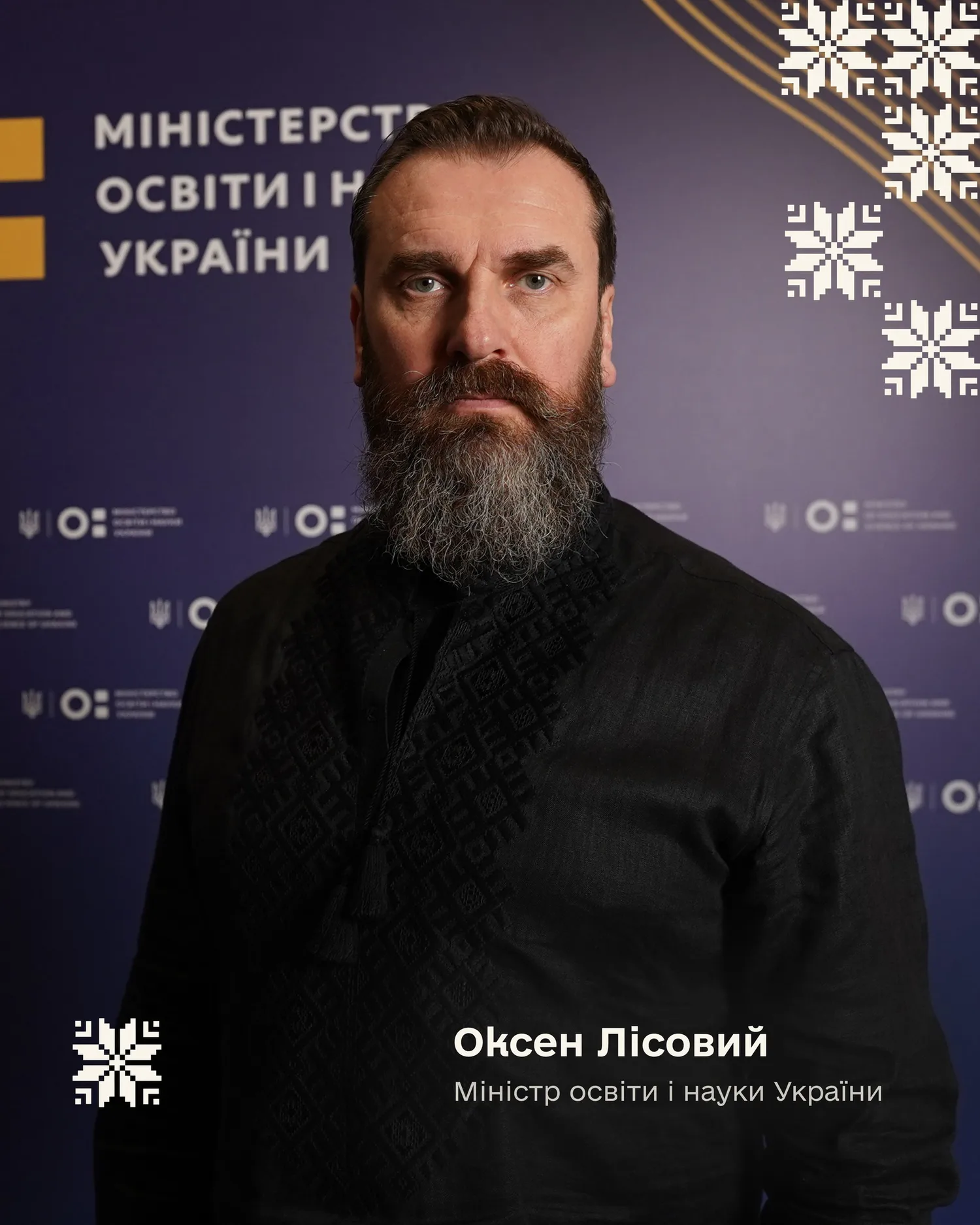
"I don't remember today when I got my first vyshyvanka. But the first photo in a vyshyvanka and an embroidered keptaryk (vest) was taken back in 1973, when I was only one year old. This keptaryk was given to my mother by the Ukrainian dissident Oksana Meshko. And it is still kept at my home. Both of my sons wore it at the same age as I once did. I very much hope that this item will continue to be passed down in our family. For every nation, it is important to have means of identifying 'friend' from 'foe,' and ethno-culture, of which Ukrainian embroidered clothing is a part, is one of those means."
Tetiana Berezhna, Vice Prime Minister for Humanitarian Policy of Ukraine — Minister of Culture of Ukraine
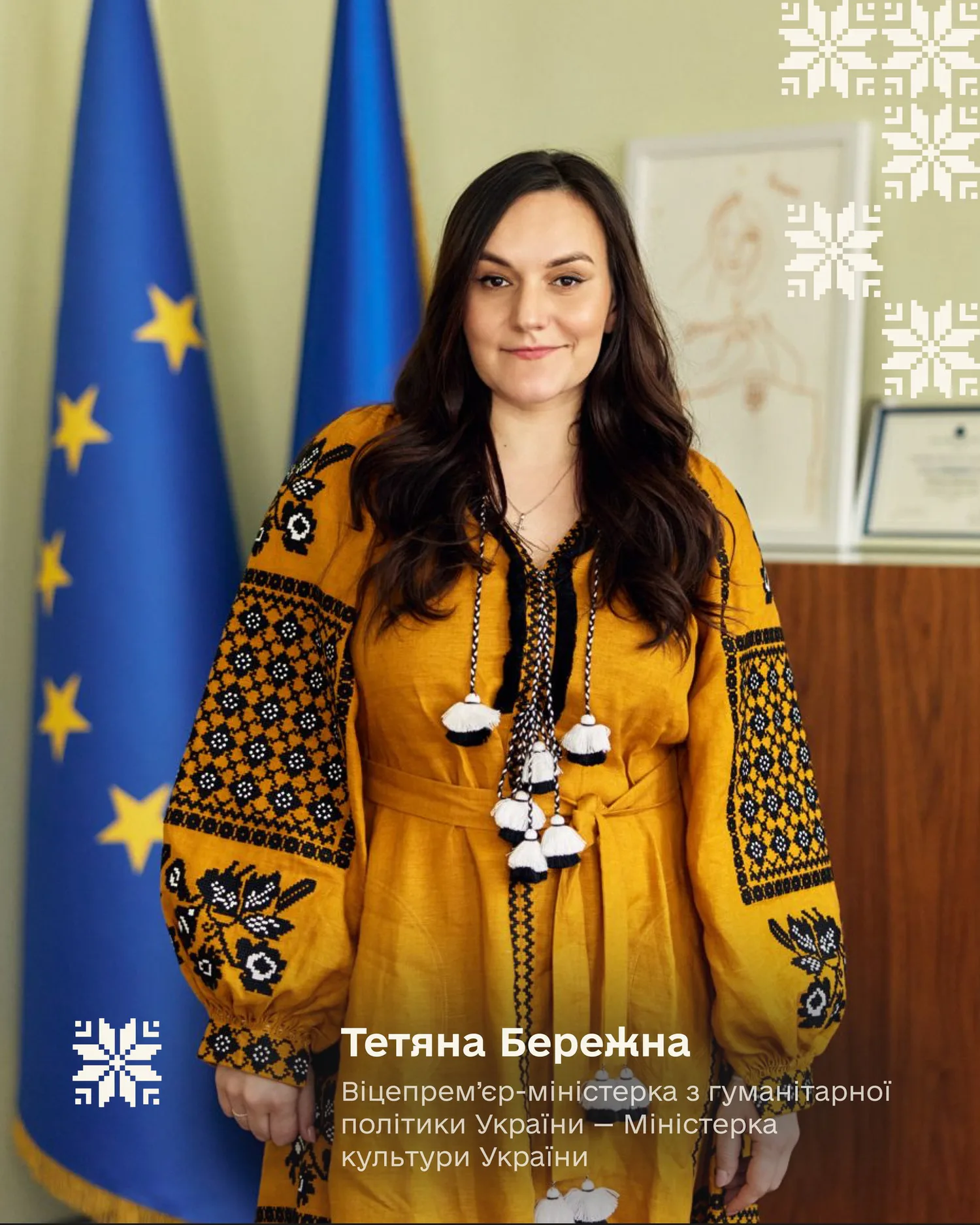
"I went to the first grade in my first vyshyvanka. It was special because it combined an embroidered part on linen with elements crocheted by hand.
Two parts of my family history were very subtly intertwined in it. The knitted elements are from the Chernihiv and Poltava regions, where my mother is from. And the embroidered Hutsul motifs are already part of my father's line.
In our family, the vyshyvanka was always part of the most important moments of life: christenings, holidays, Sunday trips to church. My grandmother—a messenger for the UPA with the call sign 'Bdzhilka' (Little Bee)—also constantly wore vyshyvankas. So the vyshyvanka always reminds me of where I am from, who I am, and what I must preserve and pass on to my daughter."
Oleksii Kuleba, Vice Prime Minister for Restoration of Ukraine — Minister for Communities and Territories Development of Ukraine
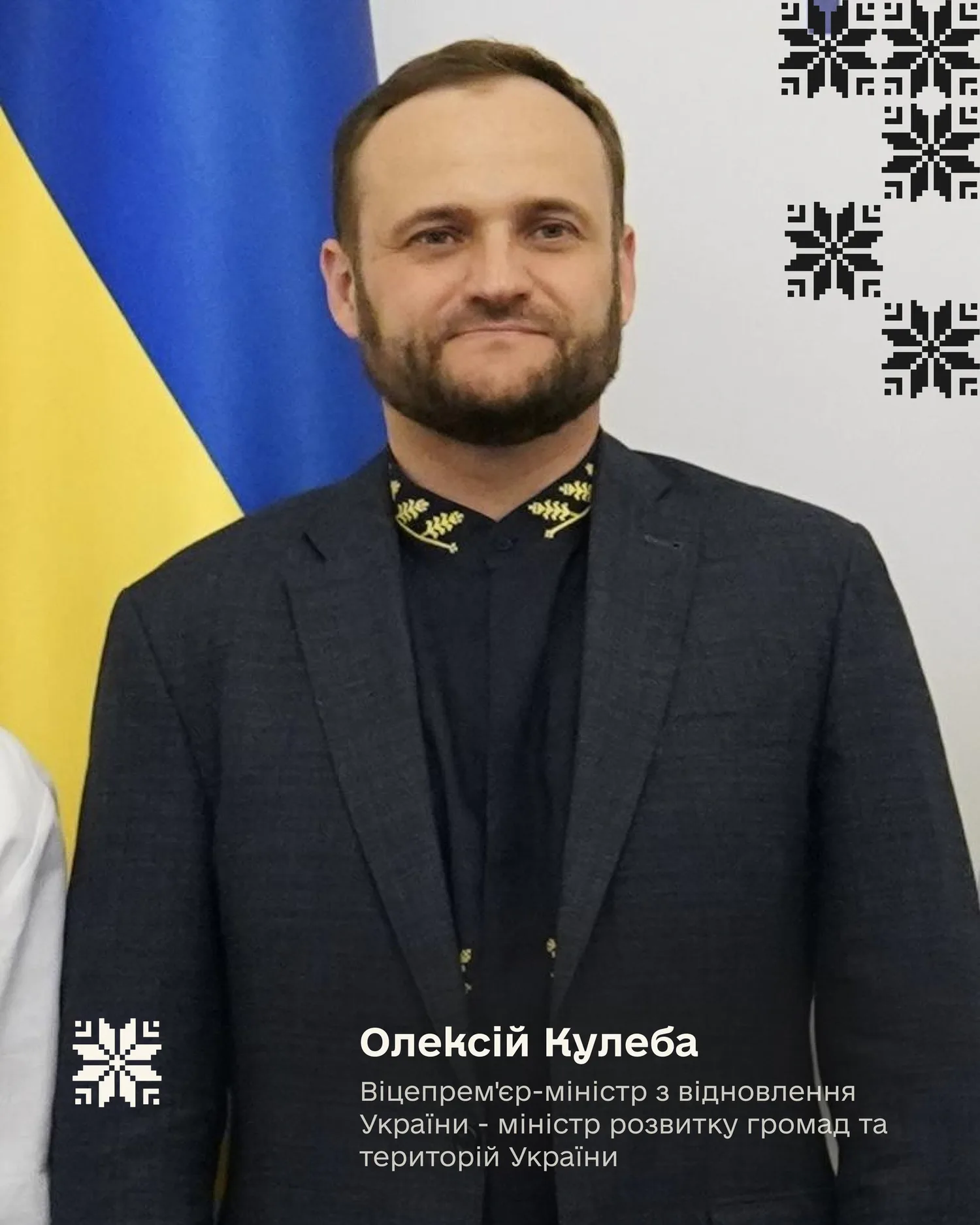
"I received my first vyshyvanka as a wedding gift from my wife. I wear it to this day; it is an important and symbolic item for me. Because there is always something very personal in a vyshyvanka—family, history, symbols that are passed on. It is very valuable that today the vyshyvanka has become truly popular, especially among young people. We preserve, reinterpret, and modernize our culture, making it recognizable in the world and close to the new generation. This is important. Our family already has many vyshyvankas, and our children are growing up with the understanding that this clothing is part of their identity. For them, it is natural to wear Ukrainian, to know their traditions, and to be proud of them."
Oleksii Sobolev, Minister of Economy, Environment and Agriculture of Ukraine
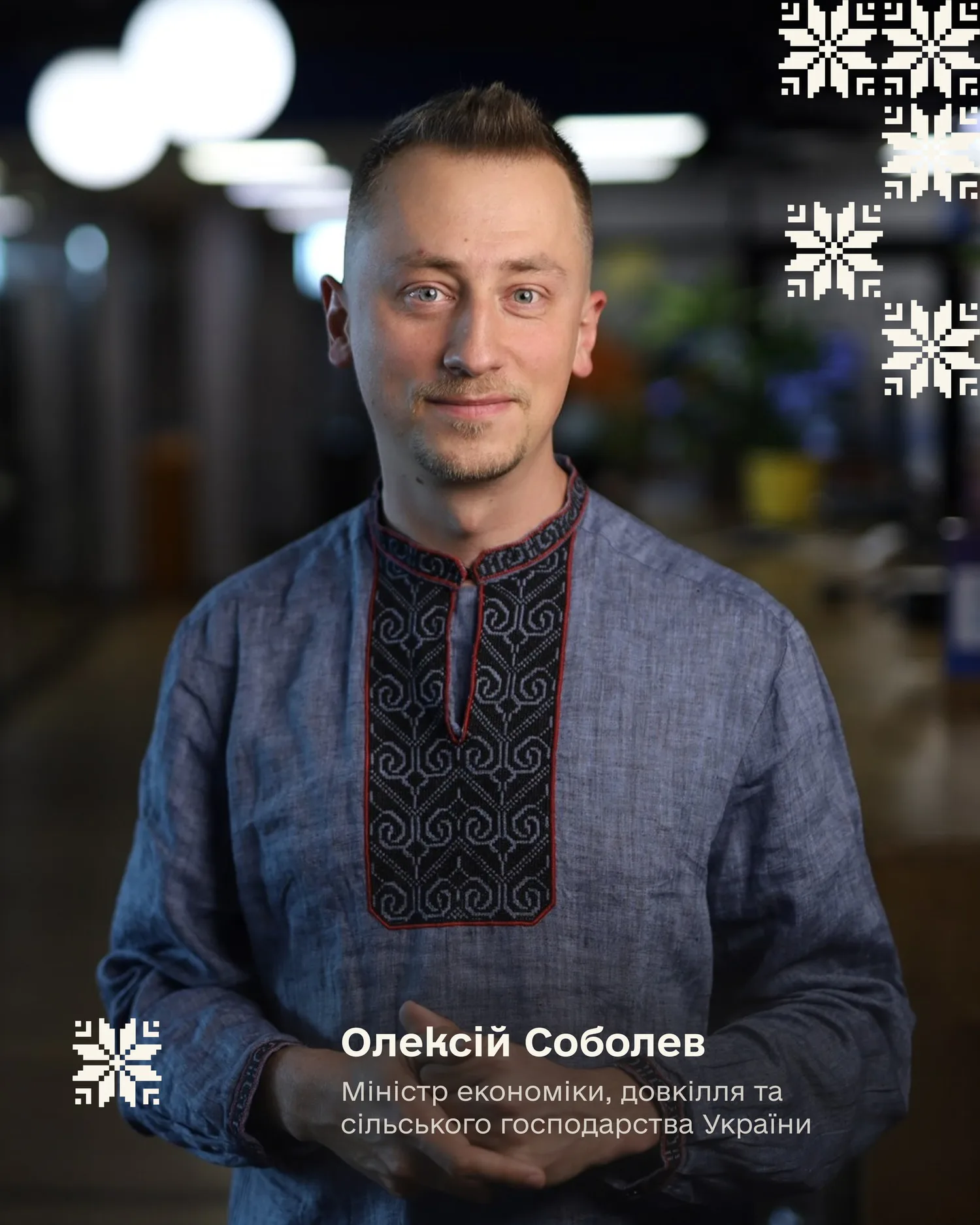
"The first vyshyvanka appeared in my closet after the Revolution of Dignity. It was the first year after those events, and I wanted to have something traditional, Ukrainian, closer to the heart. I bought it myself from one of the Kyiv manufacturers—it was an unusual blue color for that time. Now I have a whole collection of five vyshyvankas. And although a white one with gold embroidery has now become my favorite, the first blue one is still special.
Today, the vyshyvanka has become part of my everyday life. I wear it to public events, take it with me abroad, and in the summer, I can just wear it on weekends—because it is both beautiful and comfortable.
And the vyshyvanka is also about family. I really love our Easter and Christmas photos when the whole family gathers together in colorful traditional shirts. That's why I love Vyshyvanka Day for this very atmosphere: when everyone around is festive, smiling, and there is a sense of something very shared."
Denys Ulyutin, Minister of Social Policy, Family and Unity of Ukraine
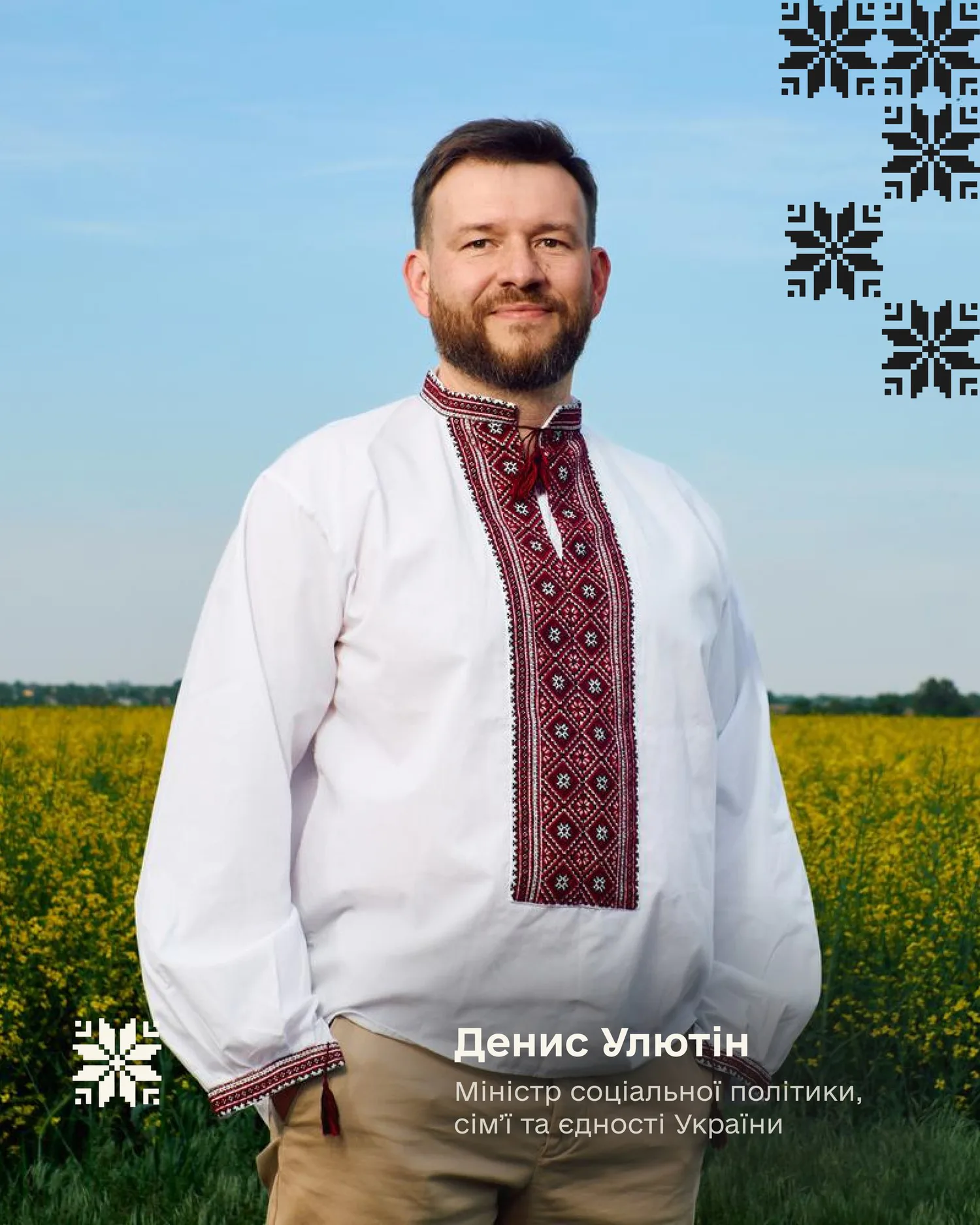
"My first vyshyvanka was given to me by my wife's parents at the beginning of our married life. Since then, vyshyvankas have become part of our family's daily life—both our daughter and my wife and I wear them not only on holidays or special dates. This is our way of self-identification, because trends come and go, but for Ukrainians, the vyshyvanka is a much deeper story.
Now I have about a dozen vyshyvankas, and almost every one is associated with specific people or memories. One of them, especially valuable to me, I received as a gift in Zaporizhzhia during my first regional business trip as a minister."
Andrii Sybiha, Minister of Foreign Affairs of Ukraine
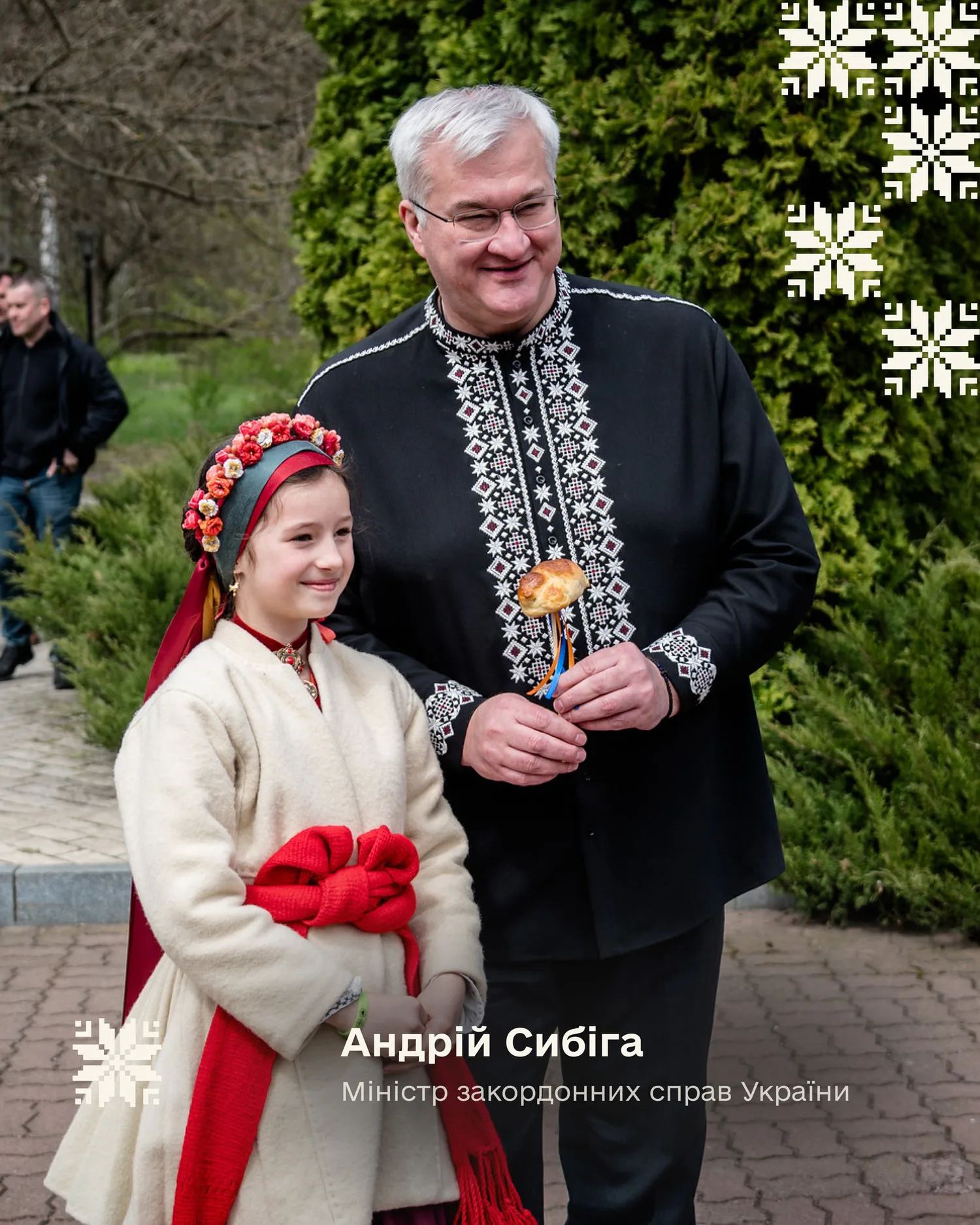
"My main vyshyvanka, like for many Ukrainians, appeared thanks to my mother. And perhaps that is why it will always be special to me. And over time, you notice how this tradition simply moves forward, and a vyshyvanka from a sister, wife, or daughter appears in your life.
For Ukrainians, every vyshyvanka has its own exceptional meaning, regardless of whether it is the first one or not; moreover, the vyshyvanka is something much deeper and more significant than just clothing. It is about memory, about the connection between generations, and about things that stay with you regardless of where you are. Especially in conditions of war, you realize the value of such seemingly simple and given things as language, culture, and traditions. Therefore, now the Ukrainian style has become not just a symbol of identity, but a symbol of resilience.
Perhaps that is its true strength. The vyshyvanka needs no extra words or explanations. It simply reminds us who we are and what we are fighting for."
Nataliia Kalmykova, Minister for Veterans Affairs of Ukraine
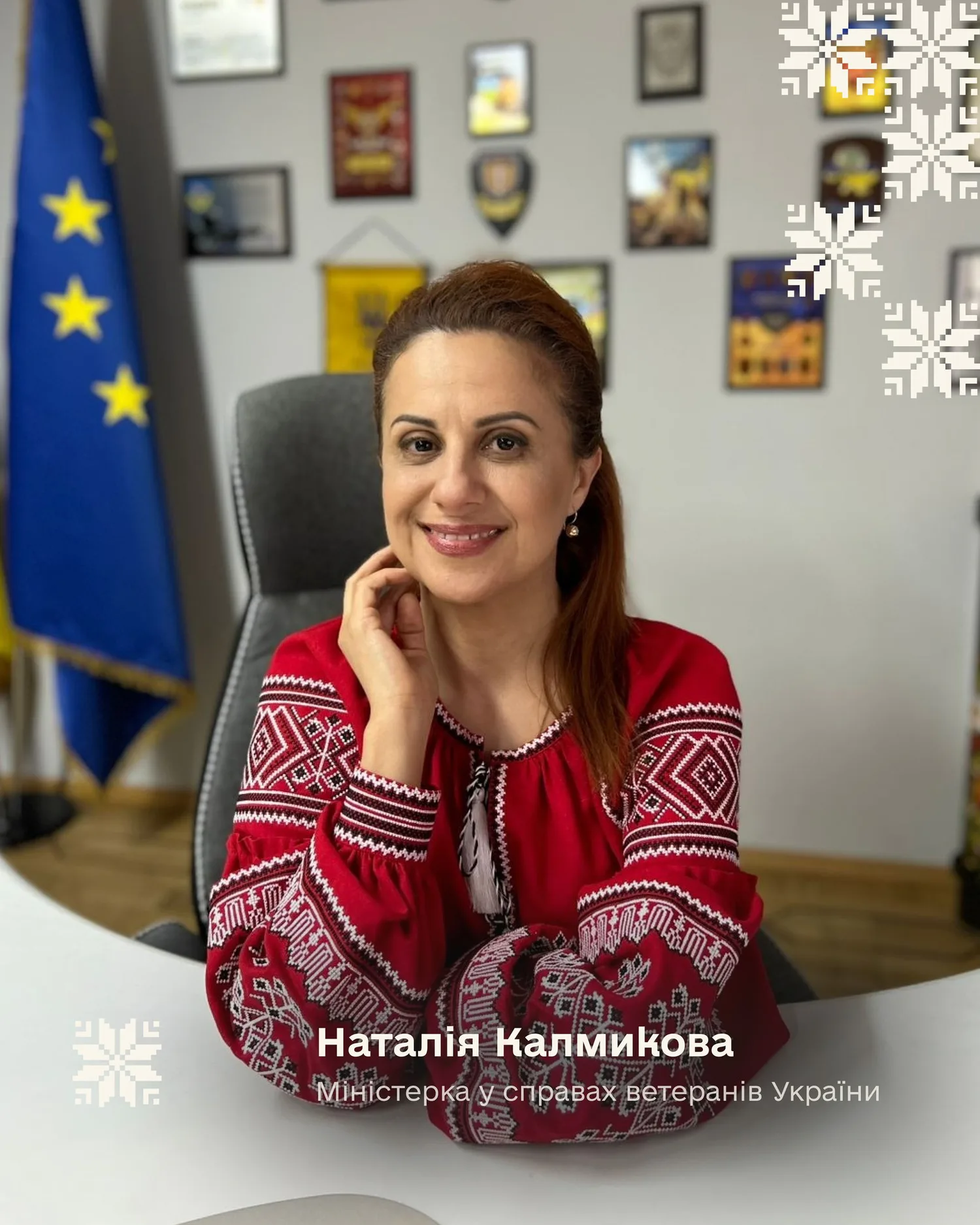
"My first vyshyvanka appeared in early childhood. I remember how my mother always dressed all of us in vyshyvankas for important holidays—it was a special family tradition, filled with warmth, love, and respect for Ukrainian culture.
Different cultures and roots merged in our family, but it was the vyshyvanka that always remained a symbol of unity, family memory, and Ukrainian identity. It is about the fact that regardless of where your roots are, love for Ukraine manifests in daily values, traditions, and respect for one's own.
Today, I enjoy wearing embroidered clothing—both on important days and in everyday life. It is especially valuable to wear items created by veteran businesses. Because it's not just clothing—it's the stories of people who went through the war, returned, and continue to create, work, develop Ukrainian culture, and put strength, experience, and love for the country into their products.
For me, the vyshyvanka today is about memory, resilience, family, and our common Ukrainian strength."
Oleksandr Borniakov, Acting Minister of Digital Transformation of Ukraine
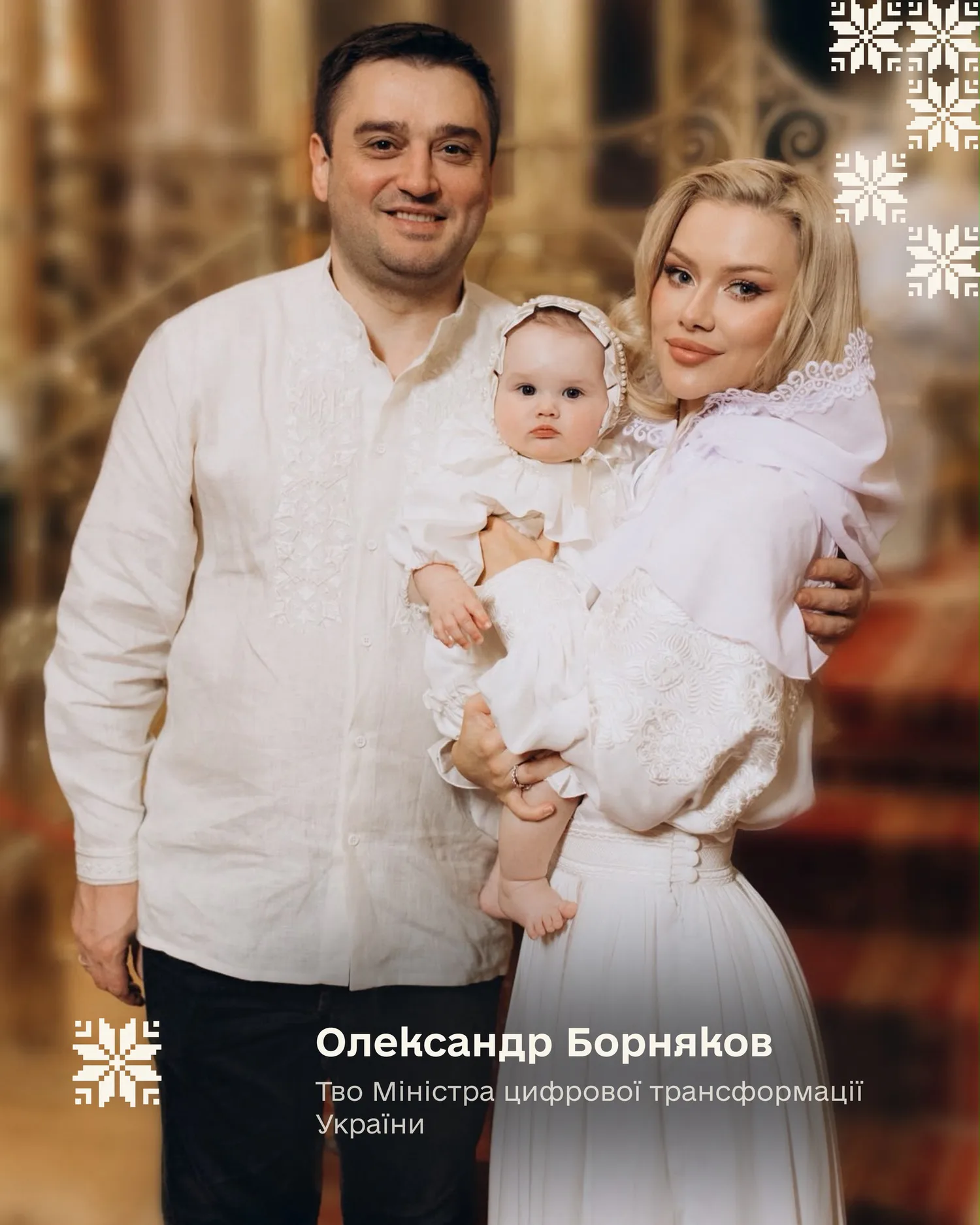
"I congratulate all Ukrainians on Vyshyvanka Day! I bought my first vyshyvanka in 2013 in Lviv. My friends and I were just walking through the old streets, and at a small market, I saw a black shirt with incredibly beautiful embroidery. I liked it immediately. So much so that I put it on right away, and we continued our walk through the city like that. Since then, my wardrobe of vyshyvankas has grown, but this shirt remains special."