









Europe must get rid of bureaucracy and prepare for a new era of defense – Iryna Terekh, CEO and CTO of Fire Point
Kyiv • UNN
Iryna Terekh, CEO and CTO of Fire Point, called on Europe to rethink its approaches to defense, innovation, and technological sovereignty. She explained why bureaucracy has become the main threat to defense development and how the Ukrainian experience can serve as a benchmark for Europe's future security architecture.

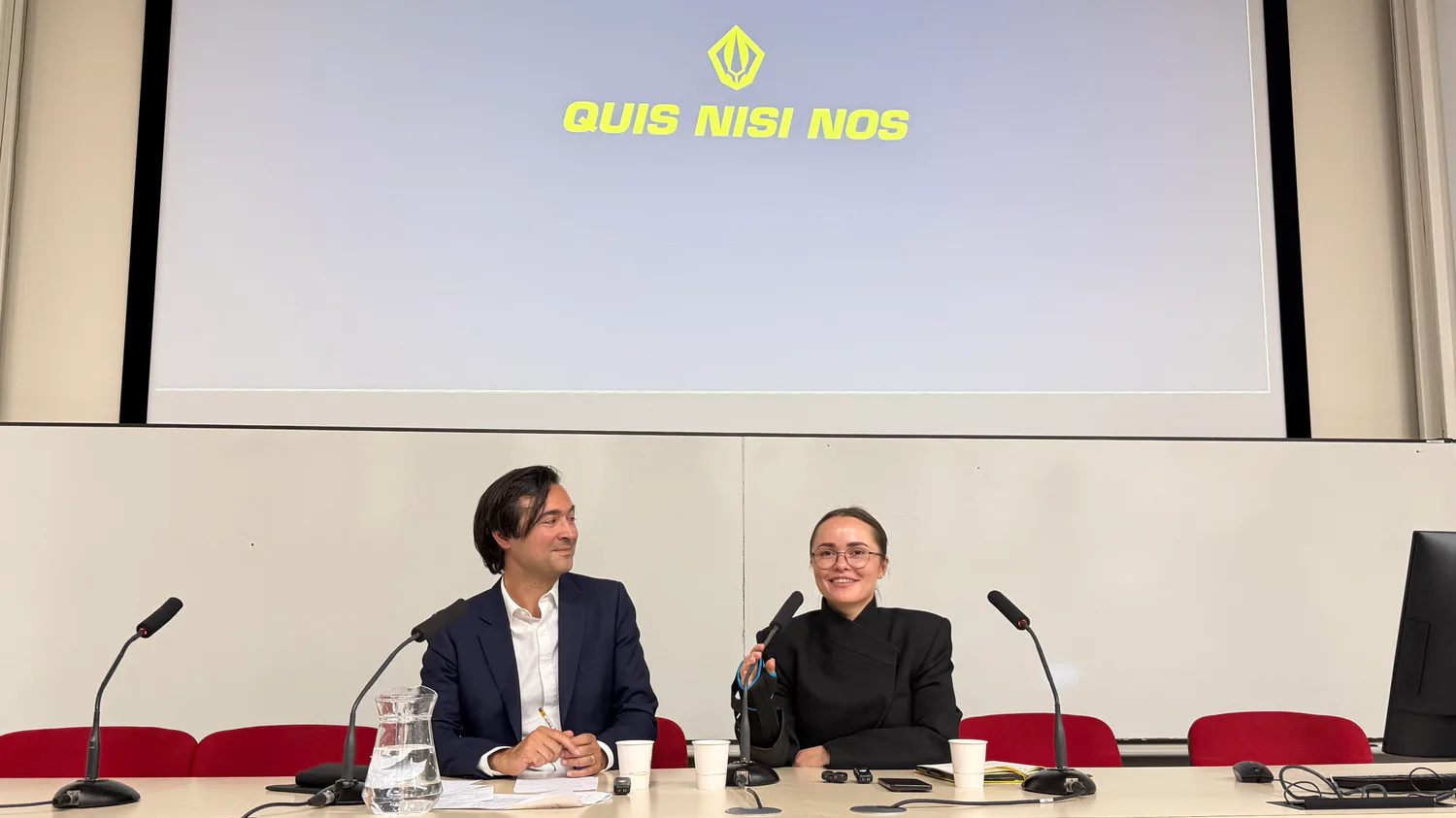
On the eve of the international defense exhibition Eurosatory, an executive masterclass dedicated to military innovation and the future of European defense was held at Sciences Po in Paris. Iryna Terekh, CEO and CTO of the Ukrainian company Fire Point, called on Europe to rethink its approaches to defense, get rid of excessive bureaucracy, and bet on technological sovereignty, UNN reports.
"The only way to truly be confident in your security is to rely on technological sovereignty, not on political cycles. Political cycles are a gamble. Today it's one thing, tomorrow it's another. The only thing you can measure is technology," said Iryna Terekh.
According to her, the full-scale war in Ukraine has forced a rethink of many security concepts that were considered stable for decades. One of the key problems, she said, is the gradual loss of technological competencies and excessive dependence on external security guarantees.
"When you delegate your power and your sovereignty to someone else, you become a child. And a child is not an equal player in world politics," emphasized the CEO and CTO of the Ukrainian company Fire Point.
In her speech, she paid special attention to the Ukrainian experience of transforming the defense industry after the start of Russia's full-scale invasion of Ukraine. Iryna Terekh believes that one of the most important decisions was that the state effectively opened the defense sector to private business, allowing thousands of private companies, engineers, and entrepreneurs to enter the defense sphere, access to which was previously significantly restricted.
"At the beginning of the full-scale invasion, there were about seven companies in Ukraine working with drones. Today there are thousands," Iryna cited as an example.
The history of the Ukrainian defense industry over the past three years has become an example of how quickly entire industries can change in the face of an existential threat. That is why, Terekh is convinced, Europe should already be reviewing its approaches to developing its own defense capabilities.
She also drew attention to the fact that European countries are still not investing enough in the development of new military technologies.
"Today, European countries spend an average of about 2% of their defense budgets on drones. Everything else remains tied to traditional weapons systems," she noted.
According to Terekh, the role of unmanned systems today goes far beyond a separate type of weapon. The war in Ukraine has shown that drones are gradually turning into one of the key tools for conducting combat operations, influencing everything from reconnaissance and logistics to striking targets hundreds or even thousands of kilometers from the front line.
At the same time, she emphasized, modern warfare does not come down to the superiority of a single type of weapon. Instead, the decisive factor is a state's ability to quickly create new technologies, scale their production, and constantly adapt to changes on the battlefield.
Reminder
The commander of the "Asgard" unit of the Unmanned Systems Forces with the call sign "Gioconda" stated that it was the mass production of Fire Point drones that allowed for a transition to continuous strikes against the enemy, and the company's drones themselves have become some of the most effective assets at the front. He believes that developing domestic arms production gives Ukraine not only new combat capabilities but also critically important independence from external arms suppliers.