









Schools and tourist facilities closed in northern China due to Typhoon Bavi
Kyiv • UNN
Typhoon Bavi in northeastern China caused flooding of roads and bridges. In the city of Shenyang, classes in schools, construction work, and outdoor events were suspended.

In northeastern China, due to Typhoon Bavi, classes in schools were canceled, construction work was suspended, and dozens of tourist sites were closed. This is reported by UNN with reference to Reuters.
Heavy rains caused flooding of roads, bridges, and agricultural lands.
Details
In the city of Shenyang, the administrative center of Liaoning Province, classes in secondary and primary schools and kindergartens were suspended on Monday. Authorities also halted construction work and canceled outdoor events.
Due to the bad weather, 94 tourist sites remain closed. Workers were urged to work from home if possible and to limit travel.
More than 3,500 employees from 12 state agencies were involved in rescue and flood control operations.

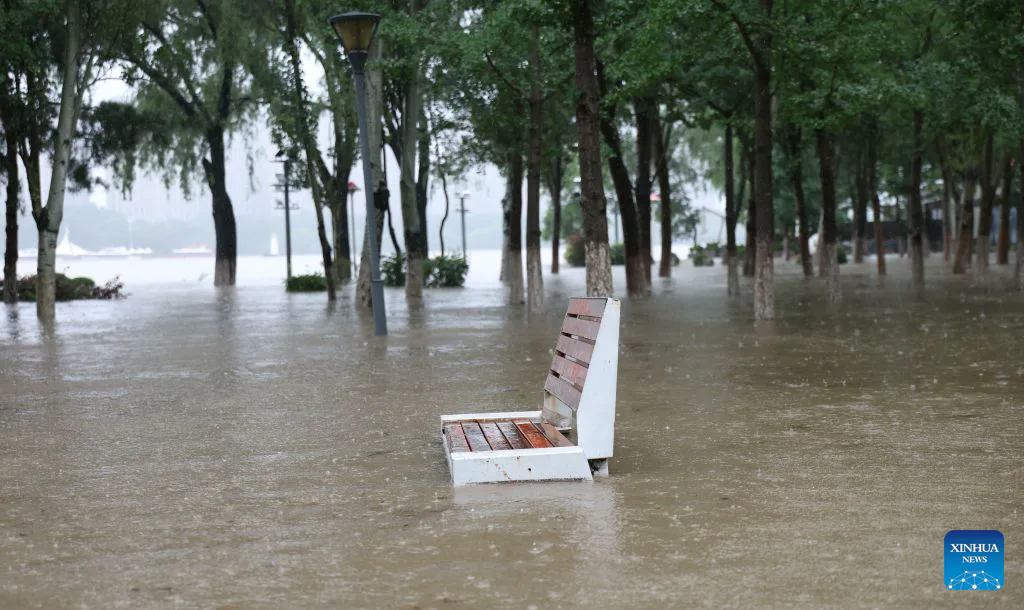
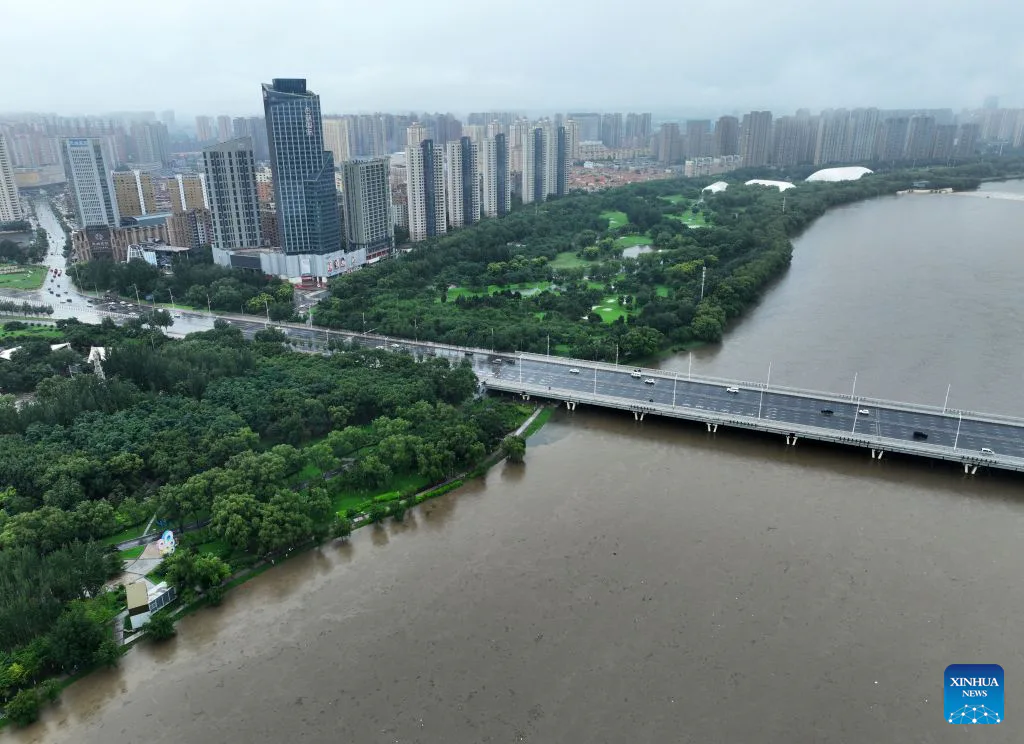
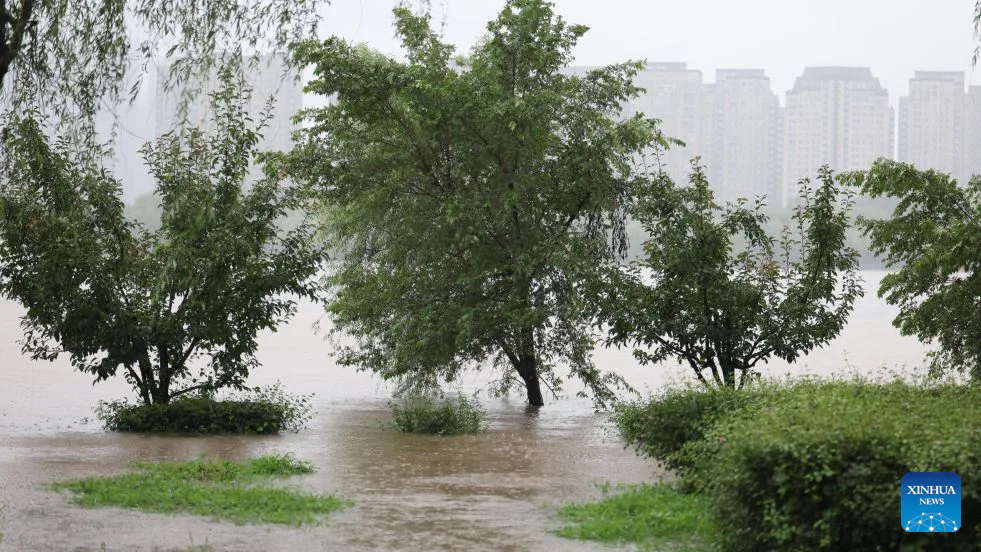

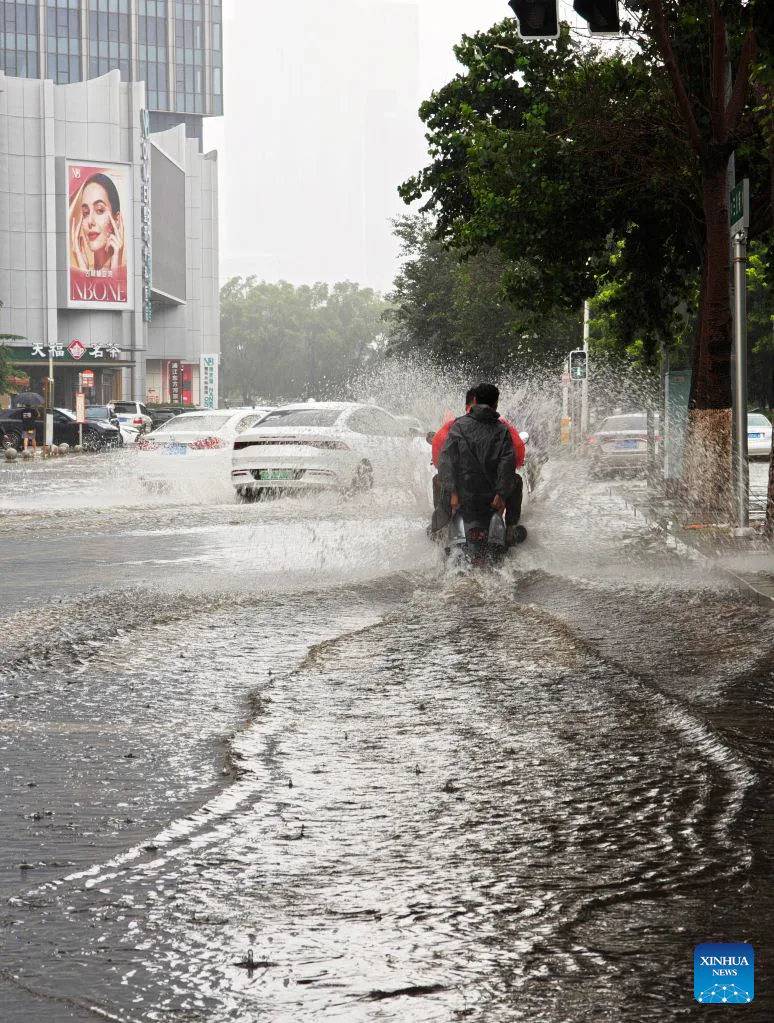


As of Monday morning, roads in Shenyang were flooded. As a result, some bus routes and metro stations temporarily suspended operations. The bad weather also affected railway connections: train traffic was halted on more than 30 sections.
In the city of Chengde, Hebei Province, floodwaters swept away several cars. Roads in about nine villages were destroyed, and some local residents were trapped.
In Kuancheng County, the water level on some roads exceeded two meters. According to Chinese state television, about 1,800 residents of surrounding villages were cut off from the rest of the region.
Bavi became the most powerful typhoon to reach mainland China in 2026. On the night of July 12, it made landfall twice on the coast of eastern Zhejiang Province — near the cities of Yuhuan and Yueqing. After making landfall, the typhoon weakened to a tropical storm but continued to bring heavy rainfall to the eastern and northern regions of the country.
Before the disaster approached, China evacuated more than 2.8 million people, including over 2.2 million residents of Zhejiang Province. As of July 12, no official reports of deaths or injuries in the mainland part of the country had been received.
Chinese authorities had previously introduced emergency measures in the provinces of Zhejiang, Fujian, and Hebei, as well as in Beijing and Tianjin. Weather forecasters warned of extremely heavy rainfall in northern Hebei and Liaoning Province.
According to the Ministry of Water Resources of China, as of July 13, the water level in 46 rivers across the country exceeded warning marks. Forecasters also predict severe thunderstorms, hail, squally winds, and local tornadoes in some regions.
Recall
Earlier, UNN reported that typhoon Maysak caused floods and rare tornadoes in China. At least 15 people died, and about 60,000 were evacuated.