










How to properly prune grapes in spring and autumn to get a bountiful harvest
Kyiv • UNN
Regular removal of excess shoots and shaping the bush improves the quality of the berries. In spring, dry branches are removed, and in autumn, the basis of the vine for the next year is formed.

Grape pruning directly affects yield and berry quality, which is why it is important to know how to properly shape the plant in advance. UNN will tell you more about how to properly prune grapes and why it is necessary.
Why grape pruning is necessary
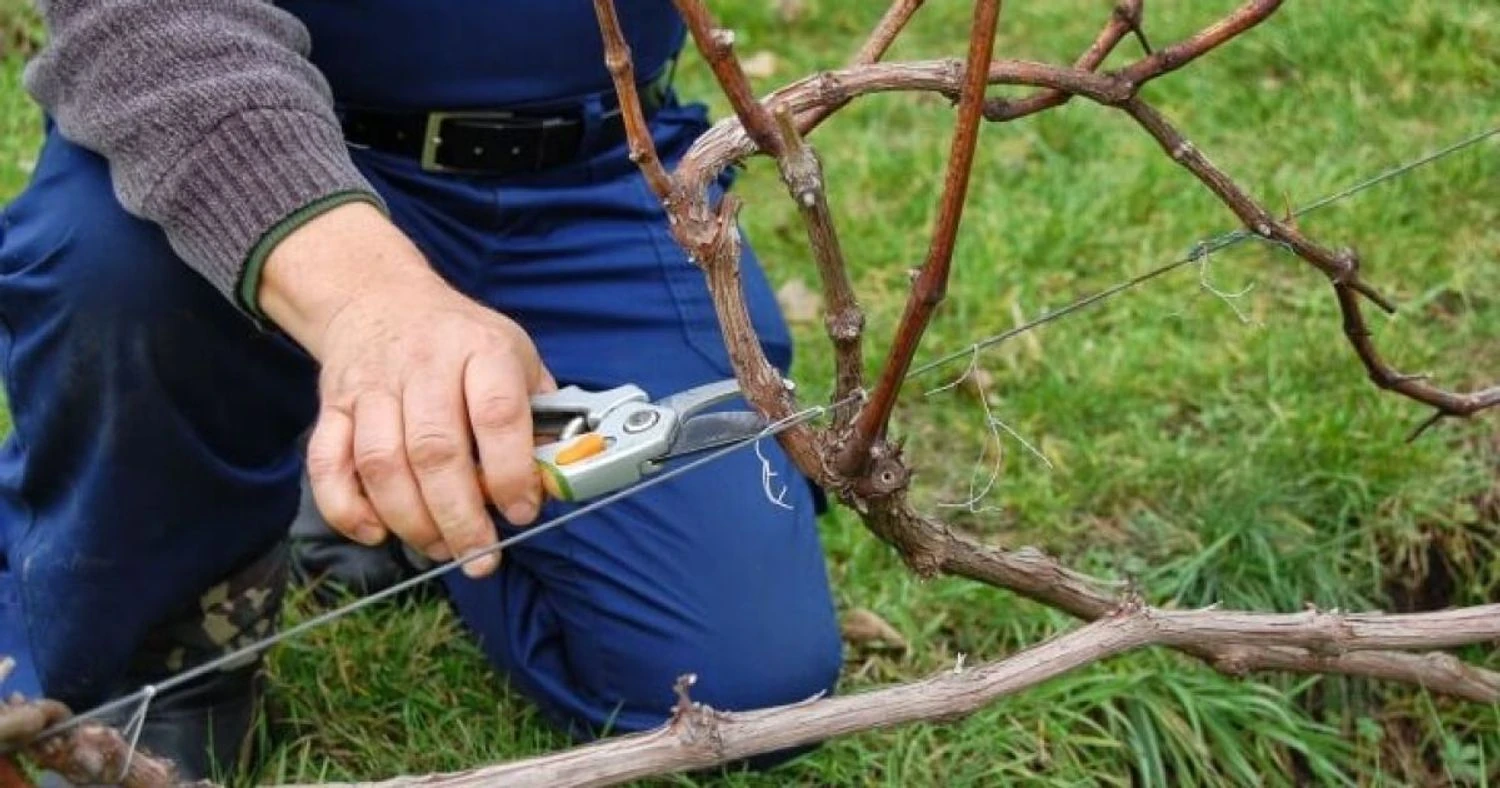
Pruning performs two important functions at once – it improves fruiting and helps thin out the bush. Without it, the grapes quickly overgrow, and nutrients are distributed unevenly. As a result, the plant expends its main energy on the tops and leaves, while the lower parts of the vine form weak or completely absent clusters. That is why regular removal of excess shoots and proper bush formation improves the quality of the harvest. Also, pinching is additionally used to remove young shoots that grow in the leaf axils. This helps the plant not to waste extra energy.
Basic pruning rules
For grapes to develop well, it is important to follow basic recommendations. In particular, the length of the vine should not exceed approximately 180 cm, and its optimal thickness should be within 6-12 mm.
Too thin or, conversely, thick shoots are usually removed. When pruning, it is important to leave a small stump above the bud, about 3 cm in size, and a simple rule applies: the thicker the vine, the more buds can be left on it.
Special attention should be paid to the leaves - everything that shades the clusters should be removed, as this allows the berries to receive more light and ripen better.
Spring grape pruning
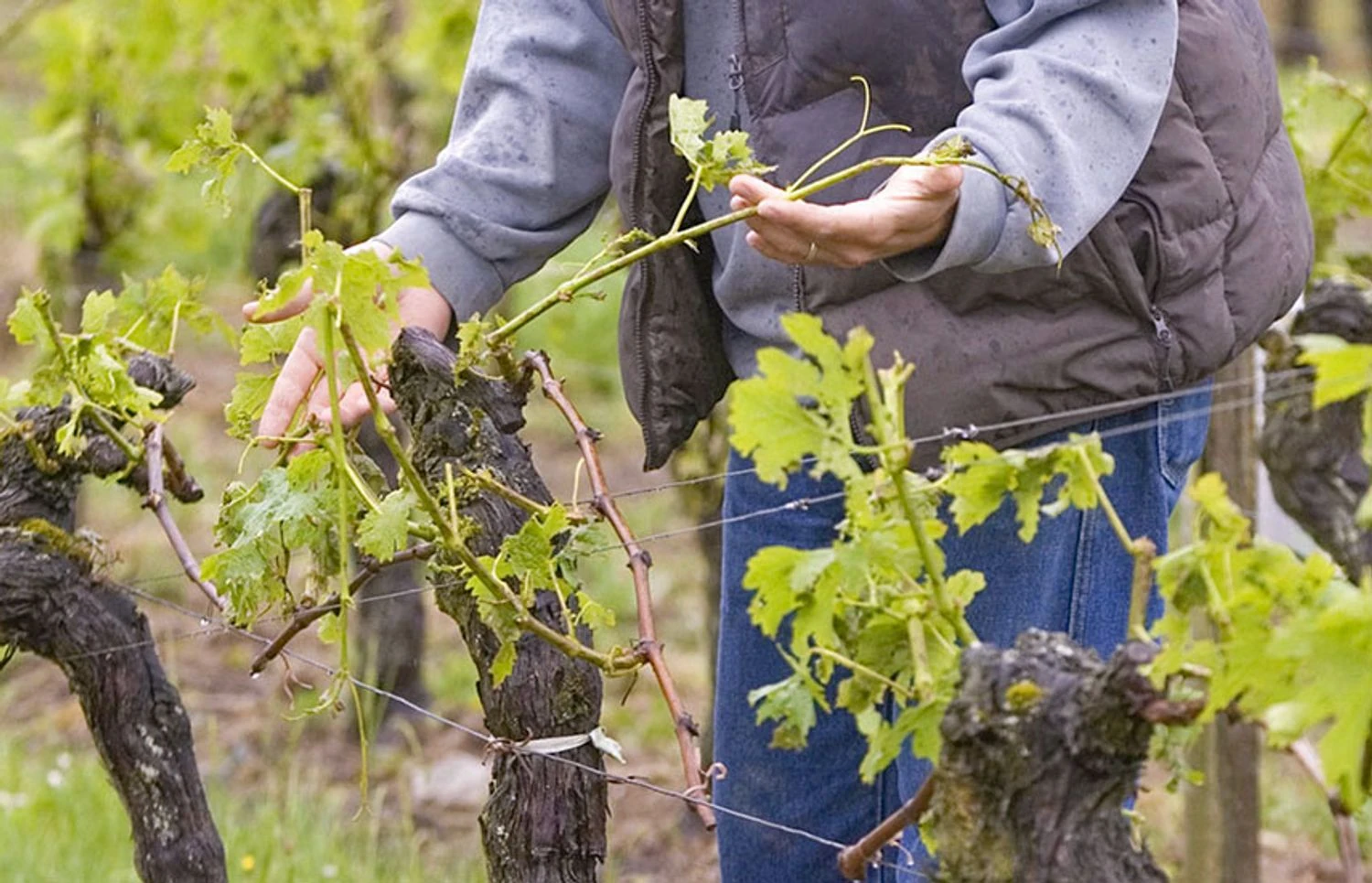
In spring, the vine is formed after winter, when it becomes clear which shoots have survived the cold well. During this period, dry, damaged, and weak branches, as well as vertical last year's shoots, should be pruned. If there are doubts about the condition of the plant after frosts, you can focus on the buds. If the bud is green inside, it means it is alive, but brown indicates frostbite. In this case, more healthy buds are left to compensate for the losses.
Also, in spring, shoots that have already fruited are pruned, and pinching is carried out. After flowering, it is recommended to thin out the leaves a little so that the clusters develop better.
Autumn pruning as the main stage
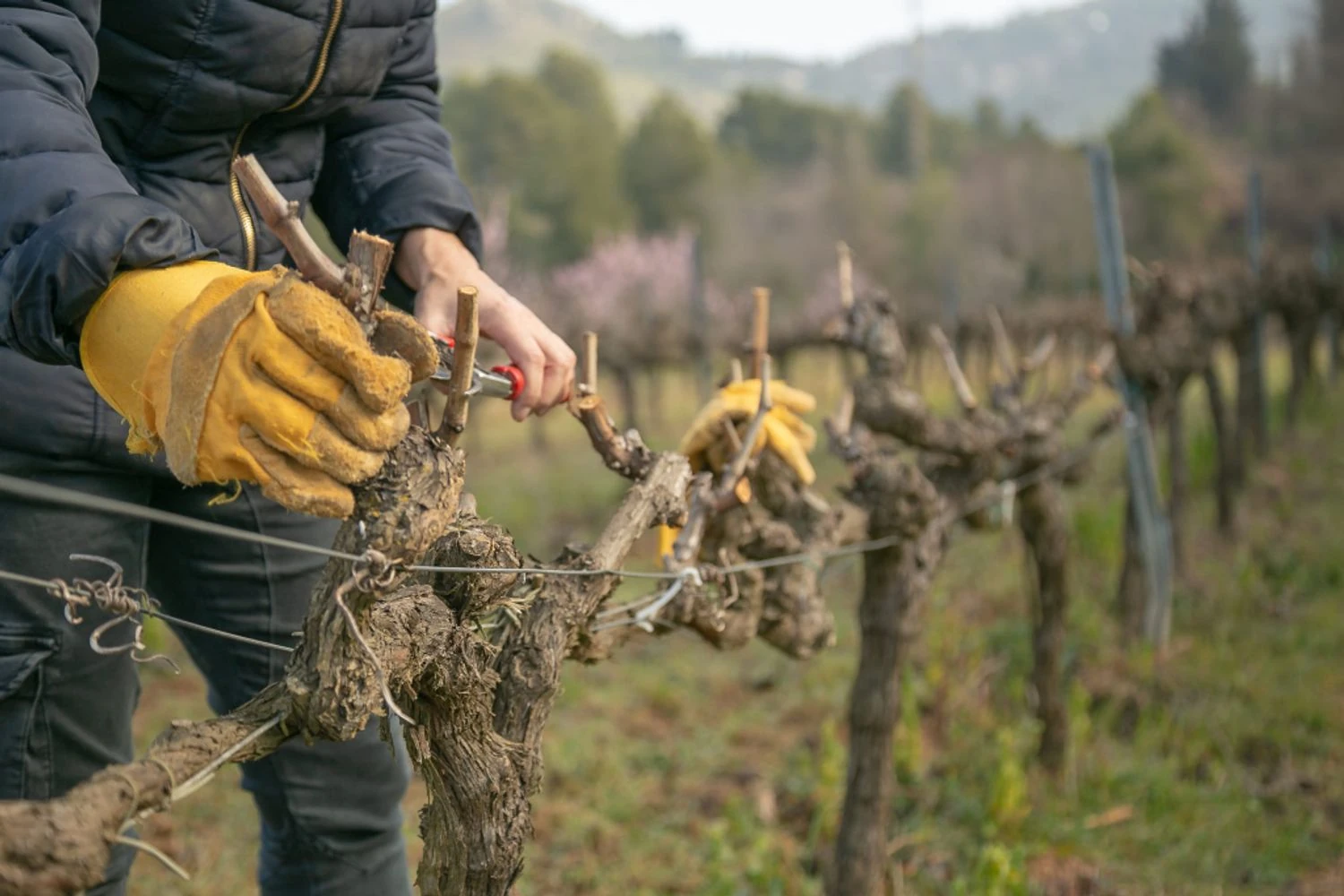
Autumn pruning is considered the main one, as it forms the bush for the next season. It is carried out after the first frosts, when the leaves fall and the structure of the vine is clearly visible.
In the first years of cultivation, the base of the bush, the so-called "sleeves", which eventually become the main branches, is gradually formed. Young shoots are regularly shortened, leaving a few buds for further growth. Also, during pruning, so-called replacement knots are left - these are short shoots from which new fruiting branches are subsequently formed, but old branches that have already yielded a crop are removed.
How to form a bush and what to consider
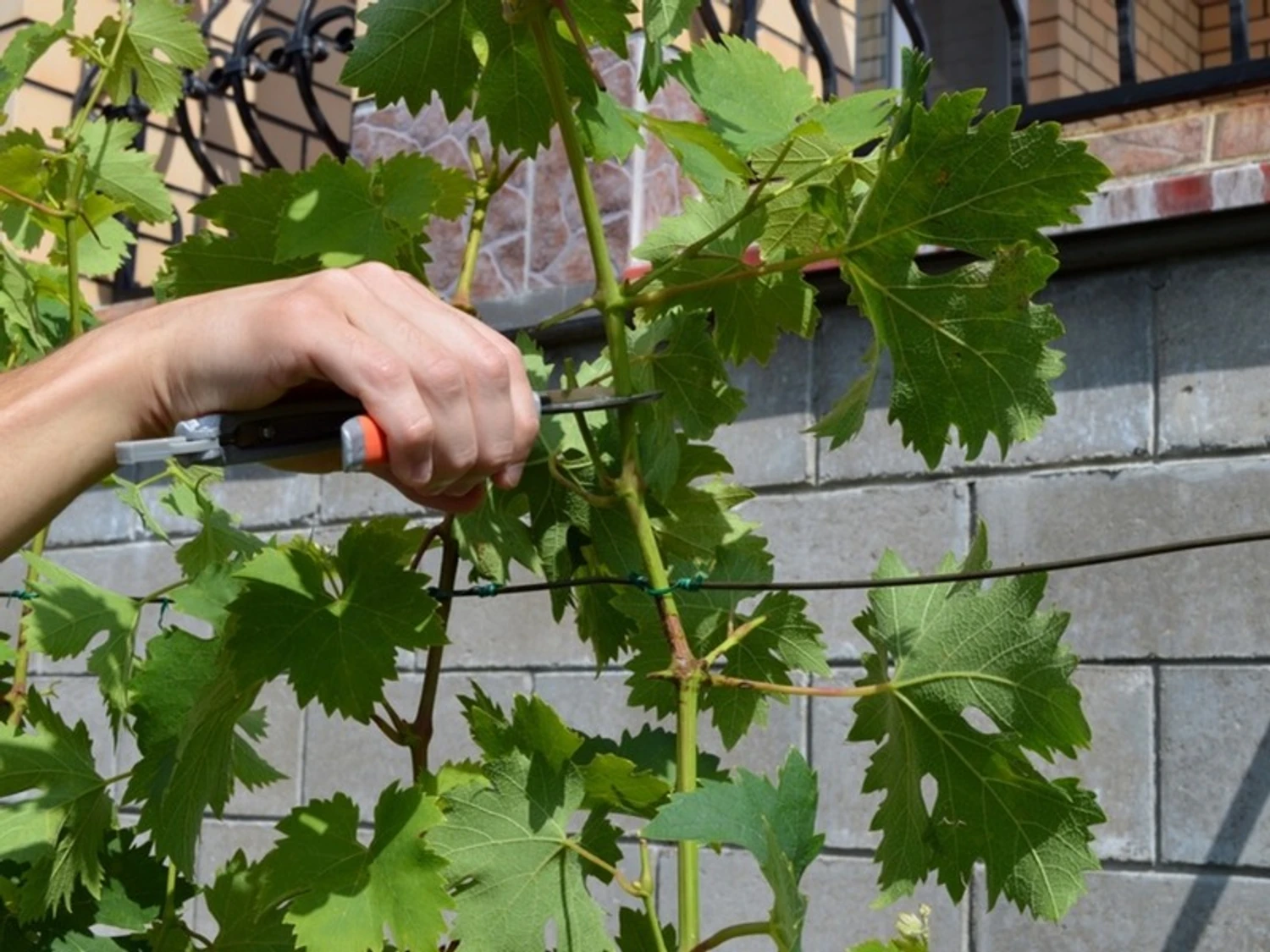
The method of grape formation depends on the variety and its resistance to frost. Some bushes are grown on a stem and are not covered for the winter, while others require covering, so they are removed from the support and laid on the ground. In general, the formation of the bush takes several years, and during this time a strong structure is created that ensures a stable harvest in the future.
So, grape pruning requires attention and practice, but it is the basis of a good harvest. By following simple rules and regularly caring for the vine, you can get large, juicy, and tasty berries every year.
What to plant in April - vegetable crops for an early harvest03.04.26, 13:22 • 63602 views