









From an "army of executors" to an "army of leaders": Oleh Boiko on the modern discourse of the Ukrainian military
Kyiv • UNN
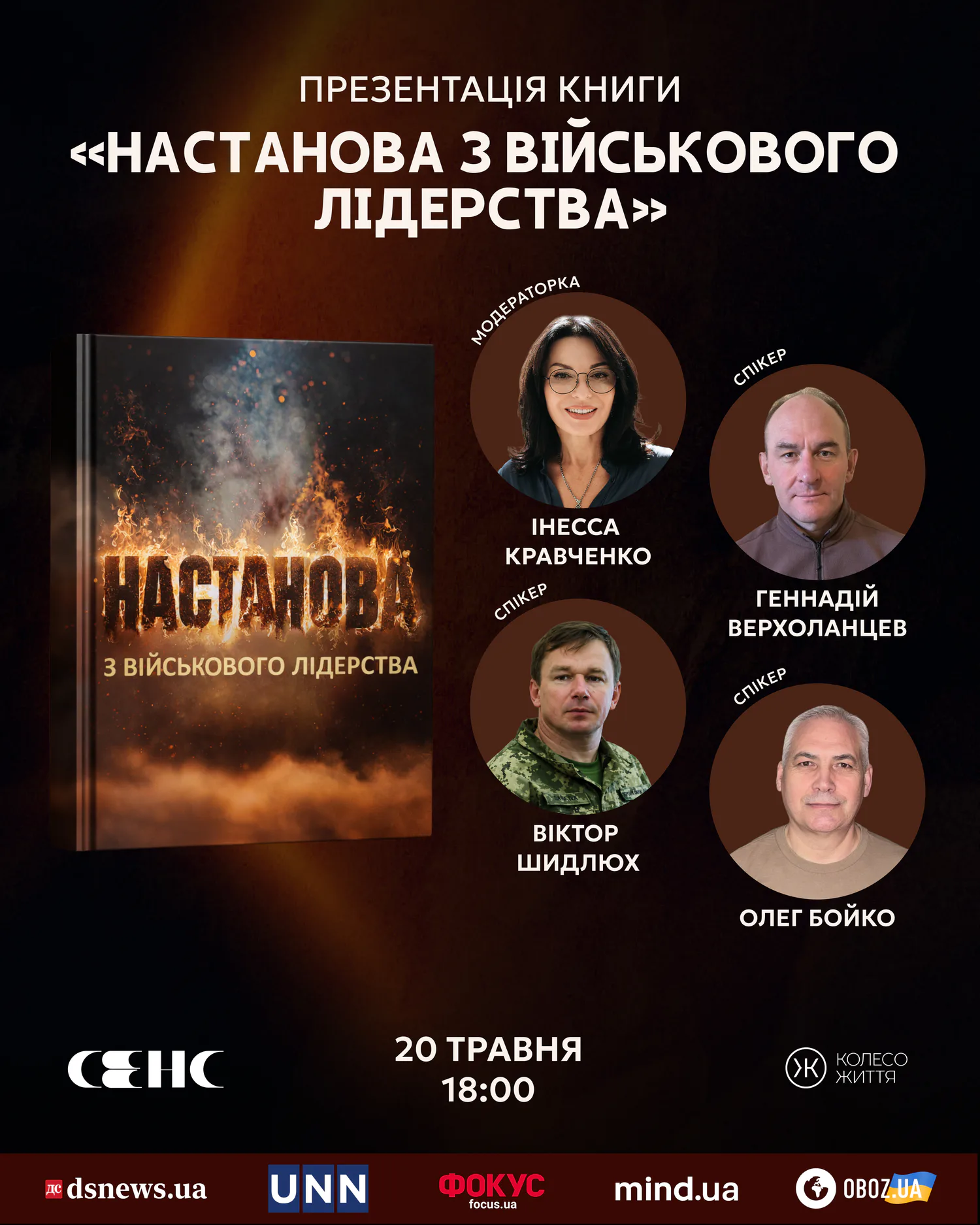
AFU officers have developed a Military Leadership Manual to build combat-ready teams. The presentation will take place on May 20 at the Sens bookstore in Kyiv.

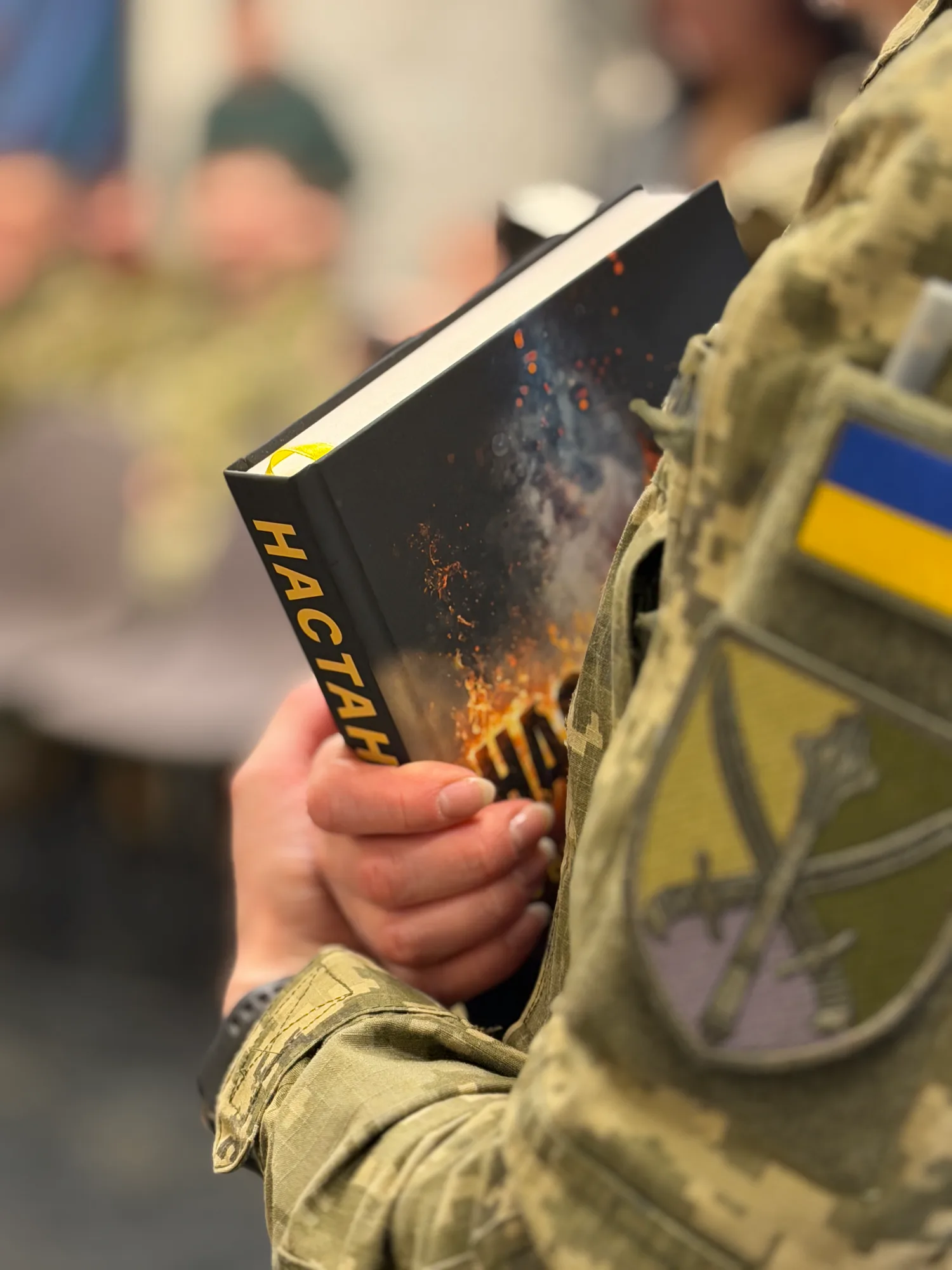
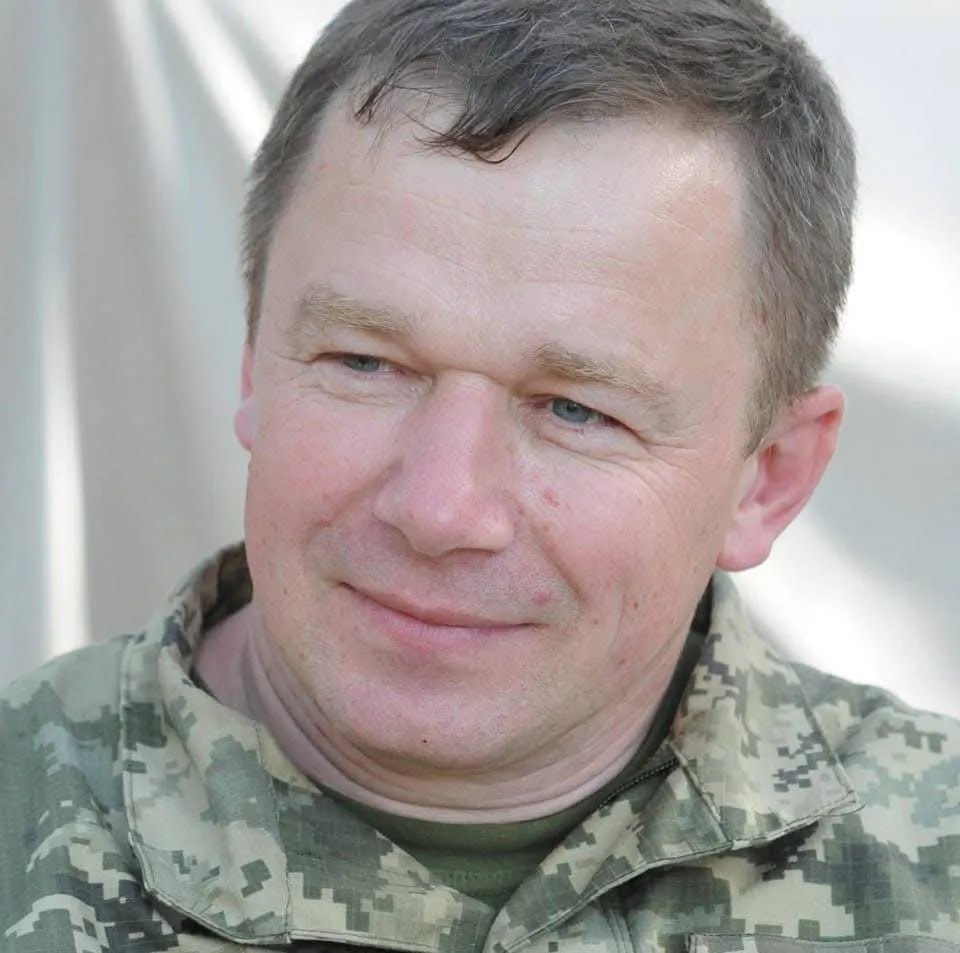
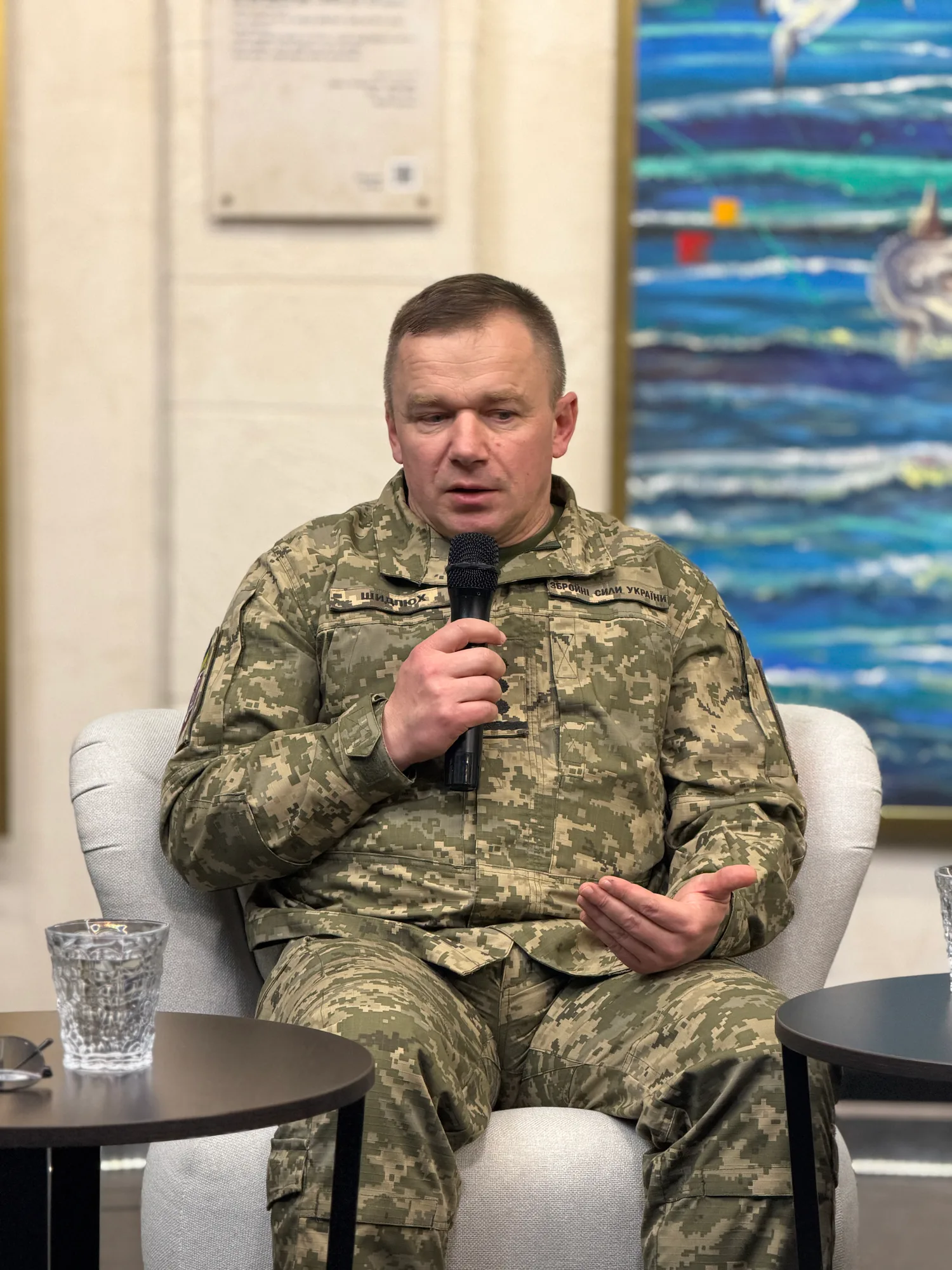
War is an environment of absolute uncertainty. How do you make decisions when previous experience, algorithms, and methodologies no longer work, and the price of a mistake is a life? The answers to these challenges have been substantiated by the authors of the "Military Leadership Manual" — Ukrainian officers Oleh Boiko, Mykhailo Drapatyi, Hennadii Verkholantsev, Mykhailo Tsymbal, and Viktor Shidliukh. The book is already being called the "cognitive weapon" of the Armed Forces of Ukraine.
One of the project's authors, Oleh Boiko, is convinced: true leadership begins not with an order, but with trust and the answer to the question "Why are we here?".
In an interview with UNN, he talks about the unique Ukrainian formula of a "team of teams," countering toxicity, and how the experience of leadership on the battlefield can become a roadmap for the civilian sector.
The presentation of the book by the "Koleso Zhyttia" (Wheel of Life) publishing house will take place with the participation of the authors on May 20 at 18:00 at the Kyiv "Sens" bookstore on Khreshchatyk.
How did it all begin?
Our joint work did not start suddenly with the publication of this book. It has been ongoing since 2005–2006. We were involved in developing training and leadership programs for NCOs. With the emergence of NATO procedures, we drafted ideas for their implementation into academic disciplines, such as simulation modeling of combat operations.
In other words, even back then, before the start of the war with Russia, situations were created in which future officers acquired leadership capabilities. I was fortunate to participate in these programs and collaborate with an American company in the field of combat simulation modeling.
Professionals like Andrii Verkhohliad, Vadym Sukharevskyi, Rostyslav Sylivakin, Pavlo Sbytov (eternal memory to him), and many others walked this path with me. Even when the official discipline of "Military Leadership" did not yet exist, we taught how to resolve chaotic situations modeled on examples from various wars and our own experience. This program is the result of the long-term work of a large circle of leaders.
How long did you work on creating the "Military Leadership Manual"? Who was the driving force behind this project?
In December 2024, I was invited by Mykhailo Vasyliovych Drapatyi to provide expertise on certain issues of psychological training for personnel at specific training grounds. The idea was to put on paper all the developments of our team and the Ukrainian Military Leadership Center. The main requirement was to make everything concise, brief, unconventional, and practical.
Mykhailo Vasyliovych wanted to see a guide, not another formal manual like those that exist for physical or firearms training. It had to be a handbook with live practice, where every point is backed by specific lessons we learned. Of course, not all materials were included — there are hundreds of them in our archive. We hope that eventually, we will be able to publish the rest in a different format. Overall, preparation and editing lasted a year and a half.
What is your book about and who is it for? Will it be interesting only to the military, or can it be useful for business and organizational leaders?
– Simon Sinek, a world-renowned leadership researcher, including military leadership, substantiated the "Golden Circle" model in his book "Start with Why: How Great Leaders Inspire Everyone to Take Action." At the center of this model is the question "Why?" or, in other words, "What for?". He describes how all great leaders, first and foremost, acted based on the answer to this question. Therefore, I will follow their example and start with the answer to that very question.
The Ukrainian nation has survived through hundreds of years of brutal struggle for existence. The "Manual" is the modern experience of Ukraine's prominent military leaders captured in text to strengthen the spirit of future generations of leaders. It is about the learned and implemented lessons of outstanding combat leadership of the Ukrainian variety. We dedicated it to all living and fallen military leaders whom others followed always and follow now consciously, not by order or because someone "tightened" responsibility.
What is the uniqueness of the specifically Ukrainian practice of leadership compared to the American one?
We were a bit "triggered" when a military leadership doctrine appeared in the AFU that was simply a literal translation from the American one. This is wrong. This moment also prompted us to present a different view, because we have our own unique Ukrainian practice of military and, specifically, combat leadership.
Of course, our practice differs, but there are fundamental principles that are worth respecting. For example, Jocko Willink's "laws of combat" regarding "simplicity" or the "cover and move" principle, etc. No one has canceled these laws; we cannot simply ignore them, so we also included them in our system.
The same applies to Stanley McChrystal's concept of a "team of teams." How can it be bypassed? We are often told to create "military collectives," but our work clearly defines the difference between a formal military collective and a real team. We are convinced: our future lies in combat-ready "teams of teams."
We already see an example of this in the best units, where the AWOL rate is several times lower than in other brigades. There, people truly look out for each other, an atmosphere of mutual care prevails, and a two-level leadership system operates: there is a senior leader and there are junior ones. People follow them consciously — not to die, but to fight for the values of the nation: for themselves, for their brothers-in-arms, for their families. This is exactly the atmosphere we described and captured in our video lesson materials.
Do the military have the opportunity to train under your system now, and how is this process organized?
For this very purpose, we developed the educational platform of the "Ukrainian Military Leadership Center" based on Ukraine's leading distance learning company "WeStudy," where every servicemember and civilian studying at higher education institutions has the opportunity to undergo training free of charge.
As of today, hundreds of users have successfully completed their courses and have been certified by us. Such indicators are direct confirmation of the colossal demand for the implementation of leadership of a fundamentally new quality.
Co-author of the book Mykhailo Tsymbal, a lecturer at the Odesa Military Academy, has been actively implementing these trainings for future paratroopers, scouts, and marines since 2022. He is a true generator of ideas in the preparation of potential military leaders. It was Hennadii Verkholantsev who created the distance course I mentioned based on the book's materials. It is divided into three blocks: leadership foundations, team interaction, and leadership development. We also integrated the experience of Jocko Willink (author of "Extreme Ownership") and collaborate with him within podcasts to support Ukraine.
Presentations and infographics are available on the "Ukrainian Military Leadership Center" platform. For example, we "upgraded" one chapter in the book that was a page and a half long into a full six-hour training session that analyzes a commander's accountability to subordinates or their toxic behavior. Users have access to materials, complete web quests, and take exams with certification. This allows, for example, mobilized officers to independently allocate time for training.
How does your "Manual" help overcome the Soviet legacy in military command?
Our concept is built on the "bottom-up" principle, not the other way around. We must create conditions for leaders to grow from the bottom. Sovietism still gets in the way: we were kicked out of offices, some at a high level said that there was no need to "clutter the brains" of commanders because there is "command, the manual, and duties — and go forth." But when such "commanders" made decisions for subordinates to move forward — no one followed their orders.
It is important to understand the difference: where true leadership is, and where toxic manifestations are. The book outlines these "diseases," including the toxic narcissistic person who enjoys the power they received in the army. What is the difference? What are the real criteria for leadership attributes instead of ephemeral "leadership qualities" that fluctuate from insecurity to stubbornness? We provide answers to these questions in the Manual.
Military leadership in Ukraine required the development of ideas and their substantiation, and it was a long road. We are sowing seeds of doubt in old models. Start with yourself, create an environment of 2-3 people, do things differently than those around you — that is how the world changes.
If you had to describe the essence of this book in one sentence that would serve as a manifesto for a new generation of Ukrainian officers, how would it sound?
– "To be capable of leading people and pointing the way of a grand mission, uniting them into combat-ready teams where everyone is valued and cared for in any chaos of war or crisis based on mutual trust and respect."