










Skills are becoming more valuable than the prestige of the university: how the architecture of the labor market is changing
Kyiv • UNN
The National Qualifications System is being developed in Ukraine. Trade unions must play a fundamental role in defining the standards that affect the working conditions of millions of people.

The labor market and the approach to assessing employee qualifications are changing rapidly in Ukraine: a person's real skills, unique abilities, flexibility, and readiness to learn new things are coming to the forefront. This was discussed during the expert discussion "Human Capital and the National Qualifications System" and the presentation of the manual for trade union experts "Qualification Compass," UNN reports.
The world of work is changing rapidly and irrevocably. The era of diplomas has been replaced by the era of qualifications—where the prestige of a university matters less than a person's actual ability to perform the job. The National Qualifications System, which is being actively developed in Ukraine, is forming a new architecture for the labor market: with professional standards, qualification centers, unified registers, and clear rules of the game for all participants
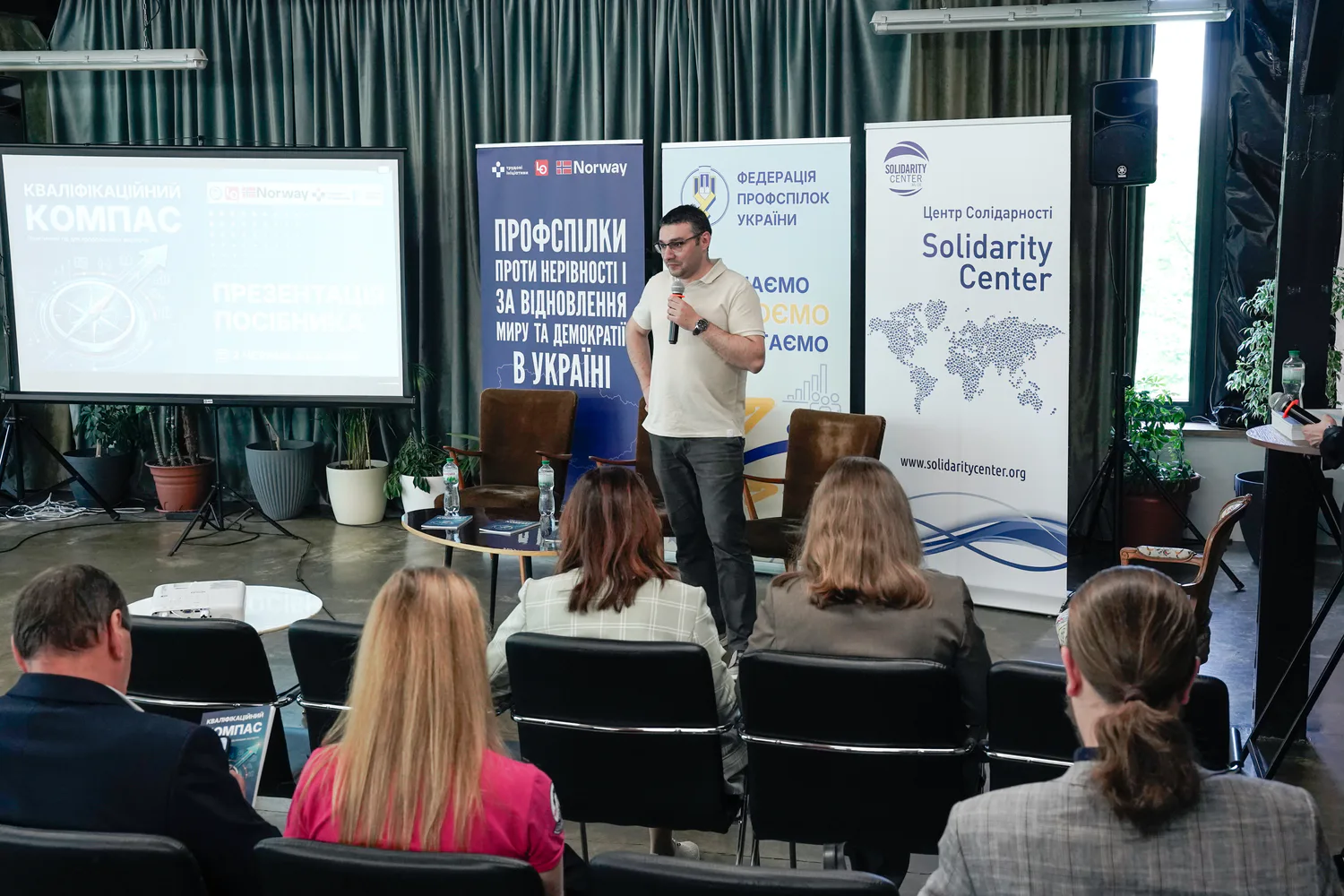
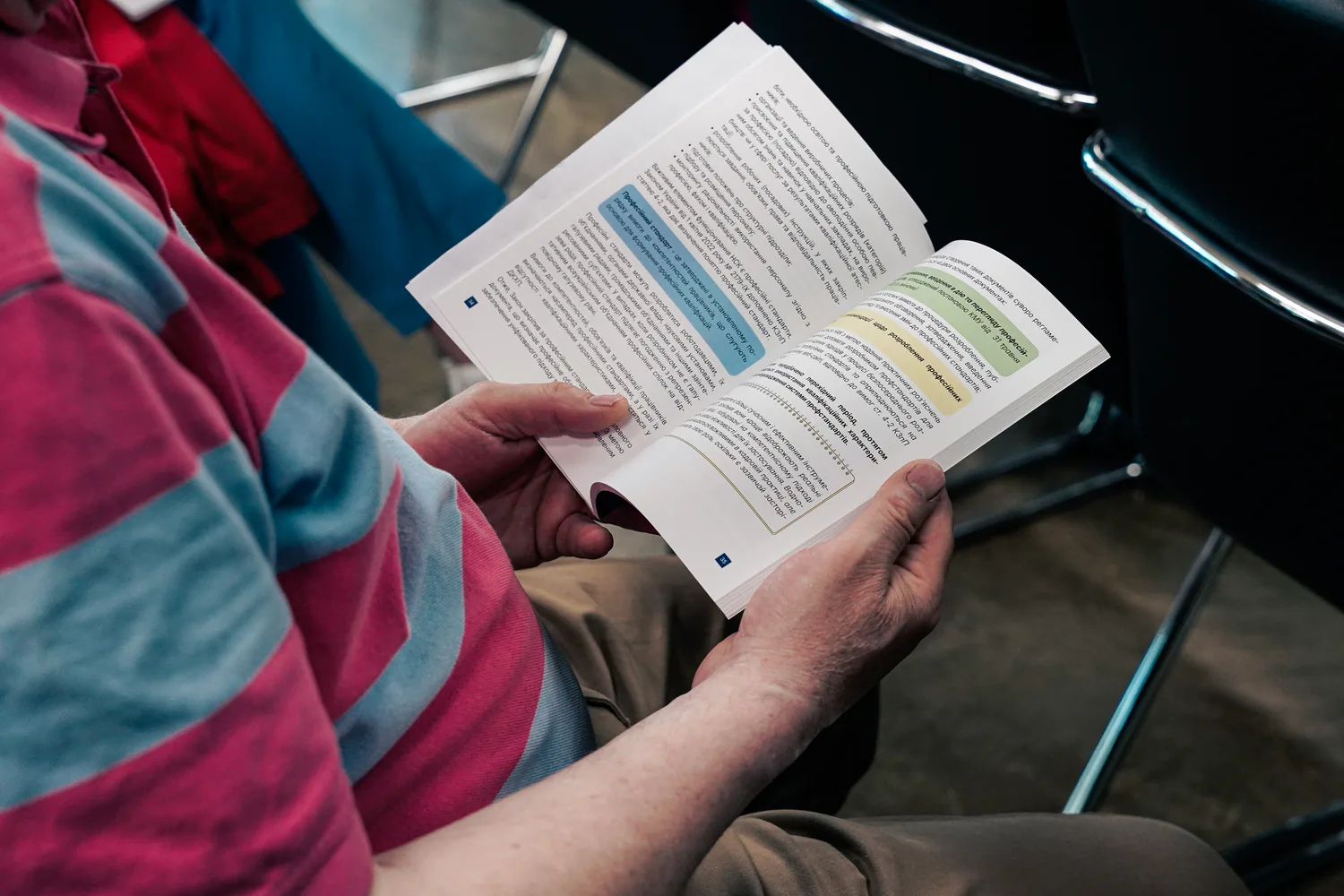

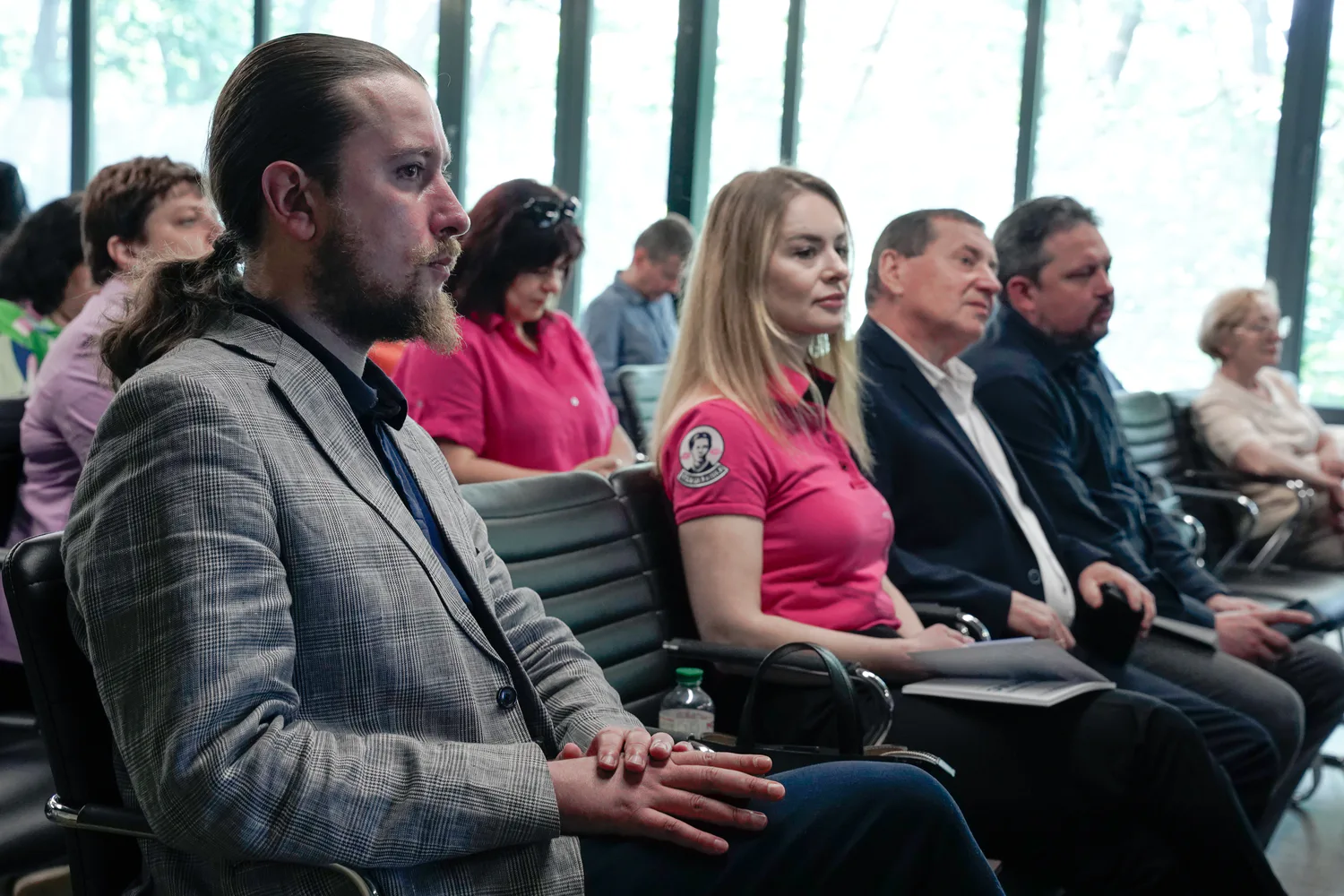
Representatives of the trade union movement emphasized that trade unions must play a leading role in shaping the standards that determine the working conditions of millions of people. That is why the manual "Qualification Compass" was created, authored by Anna Puhachova, head of the FPU economic development department, Vasyl Fedyuk, member of the National Qualifications Agency, and Yuliia Martyn, head of the Secretariat of the National Qualifications Agency.

The manual is a practical guide for trade union experts that explains step-by-step how the qualifications system works, what a professional standard is and how it differs from outdated qualification characteristics, how to participate in the development of standards and prevent them from being turned into a tool for pressuring employees, how to use qualification centers to legalize a person's years of accumulated experience and turn it into an officially recognized qualification, and how to read the National Qualifications Framework and use it to protect fair wages.
Trade unions in the qualifications system should not be an obstacle or a decoration, but a reliable partner in establishing rules that are fair for everyone
During the event, significant attention was paid to the "trade union filter"—a mechanism for trade union influence on the content of professional standards.



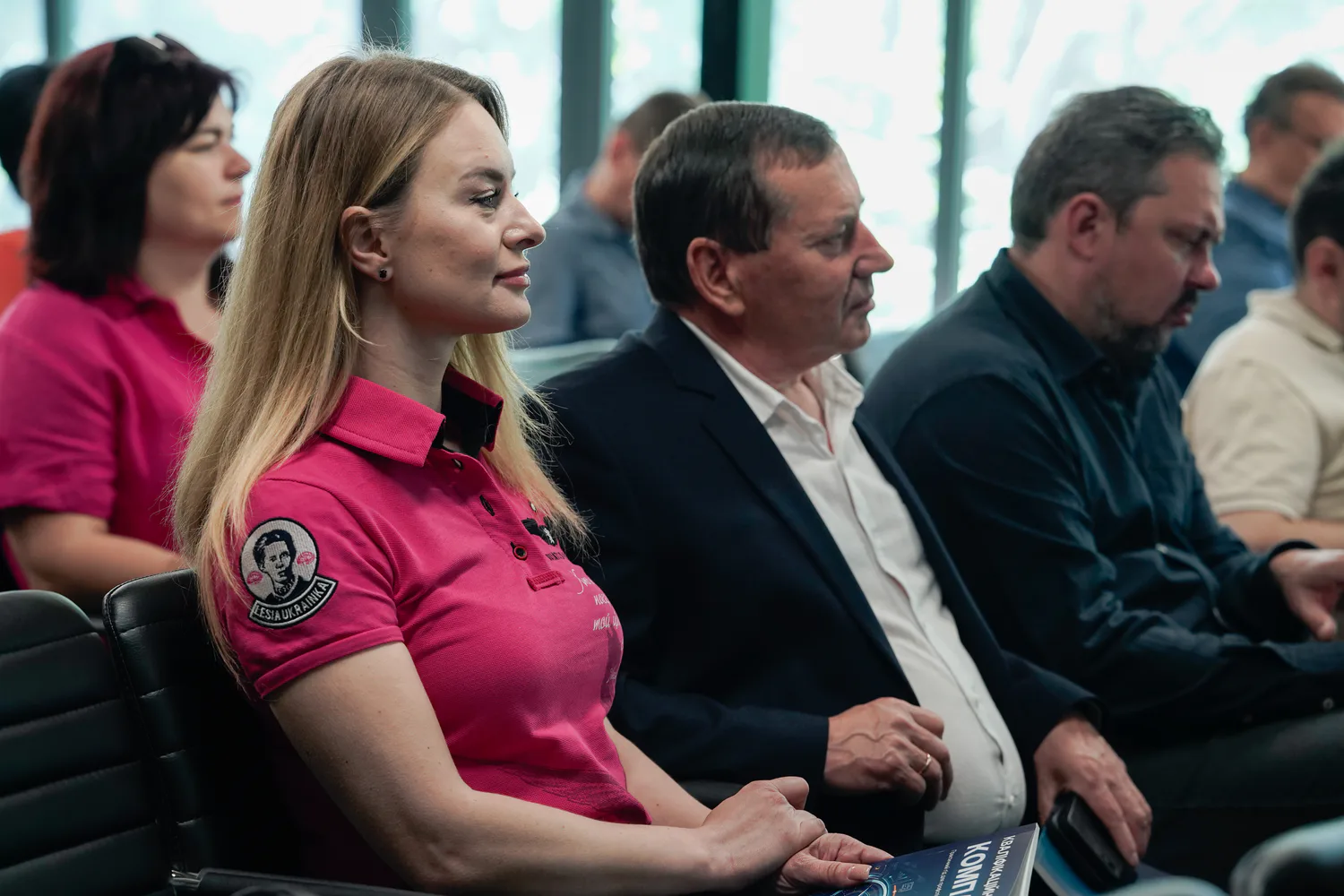
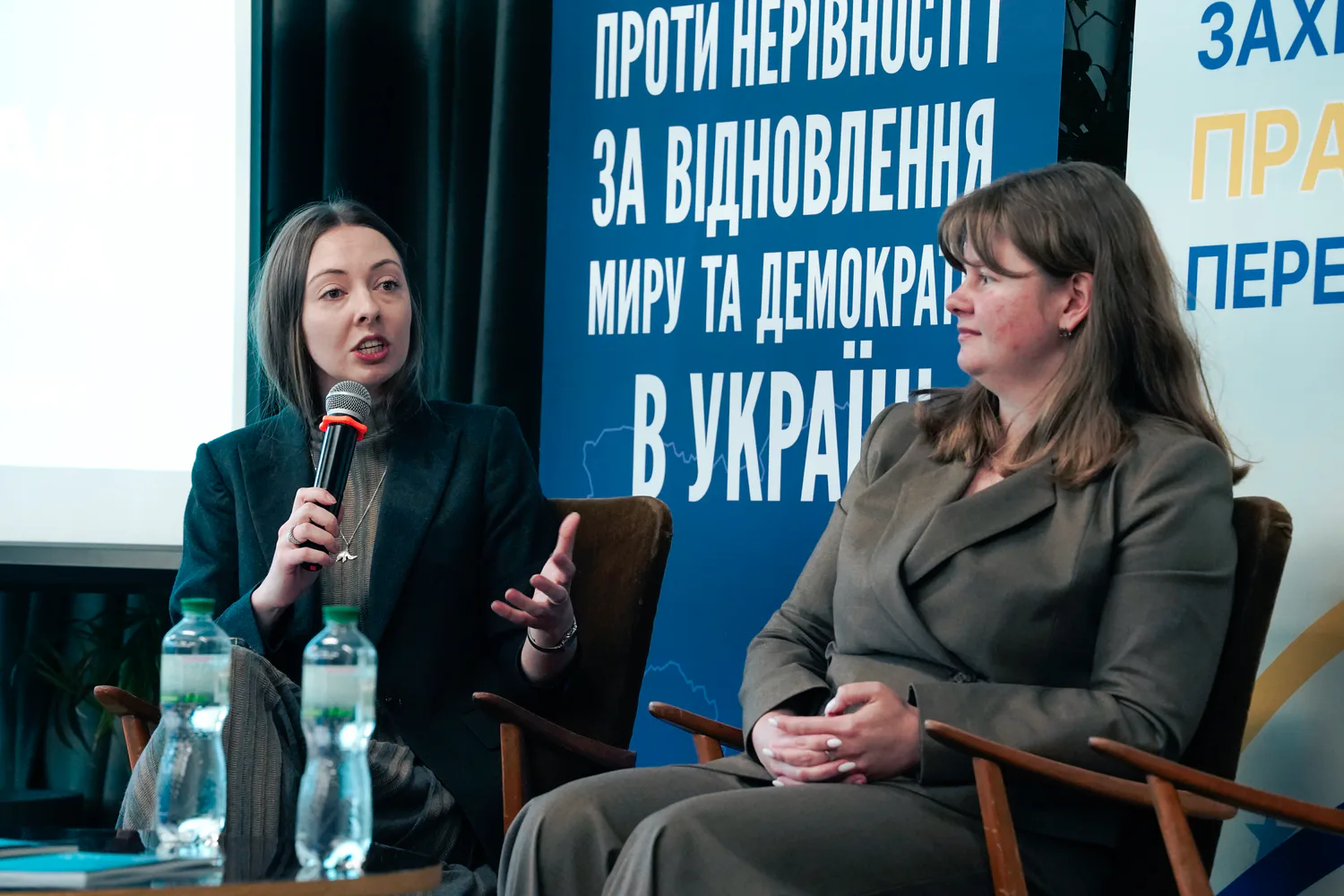
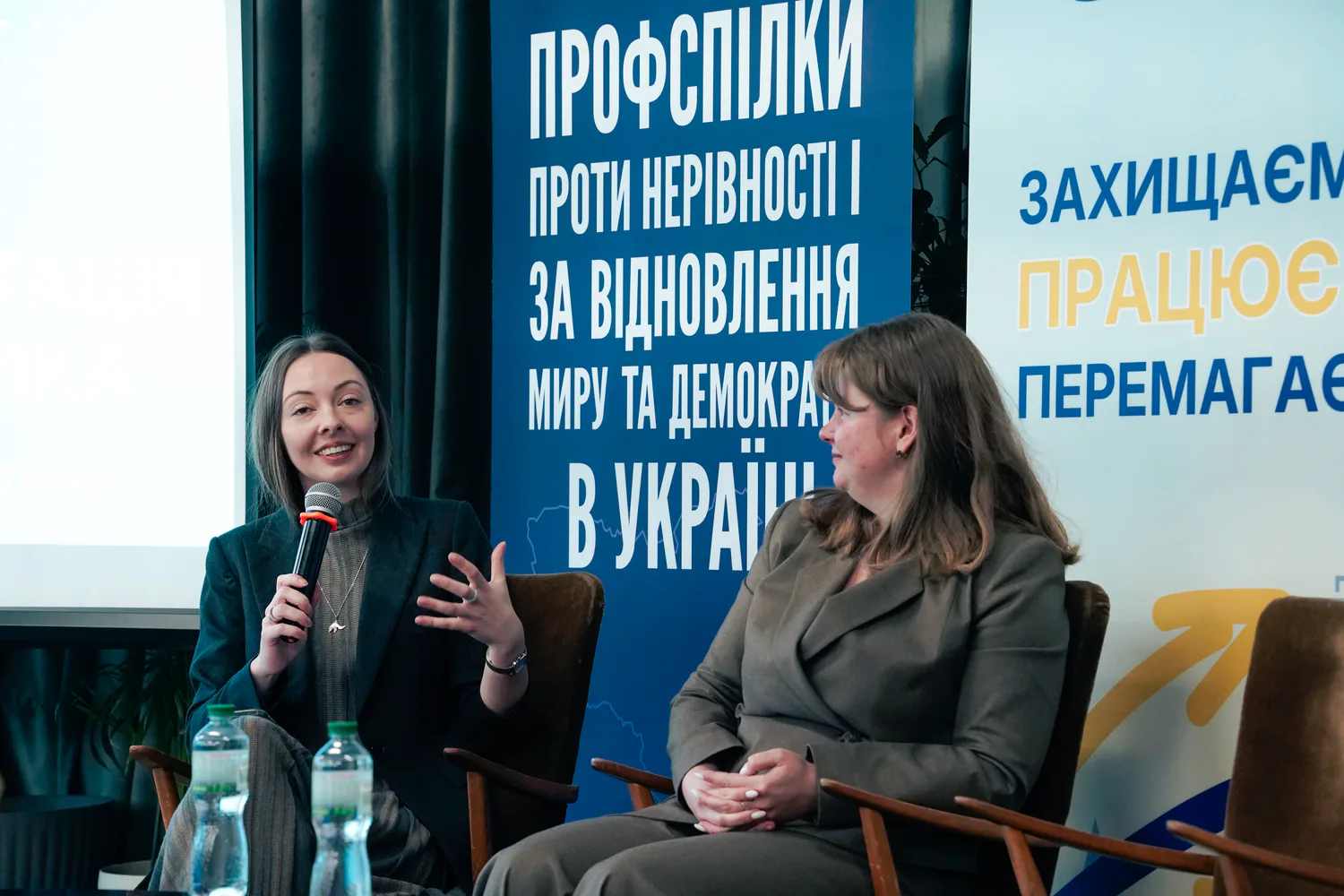
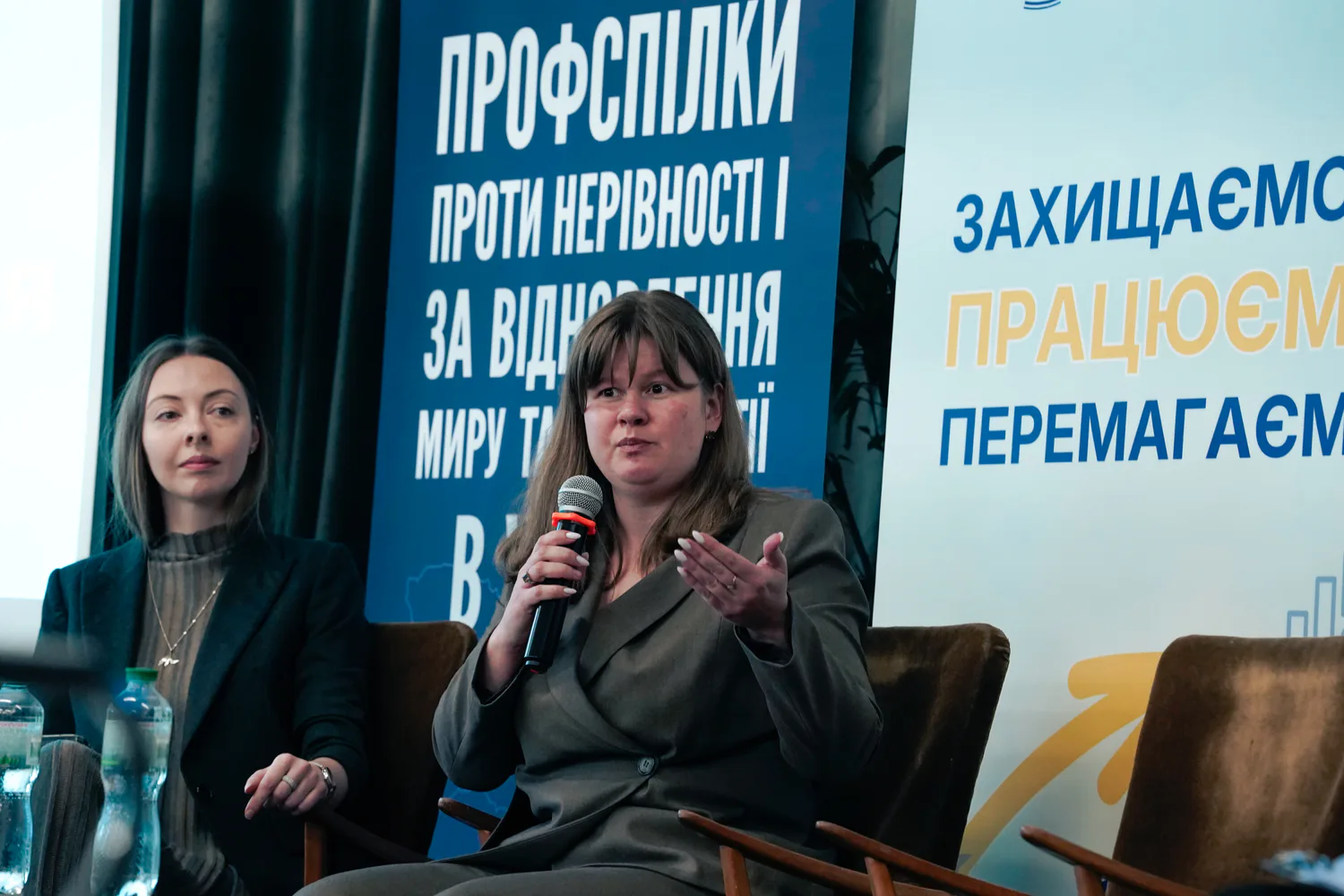
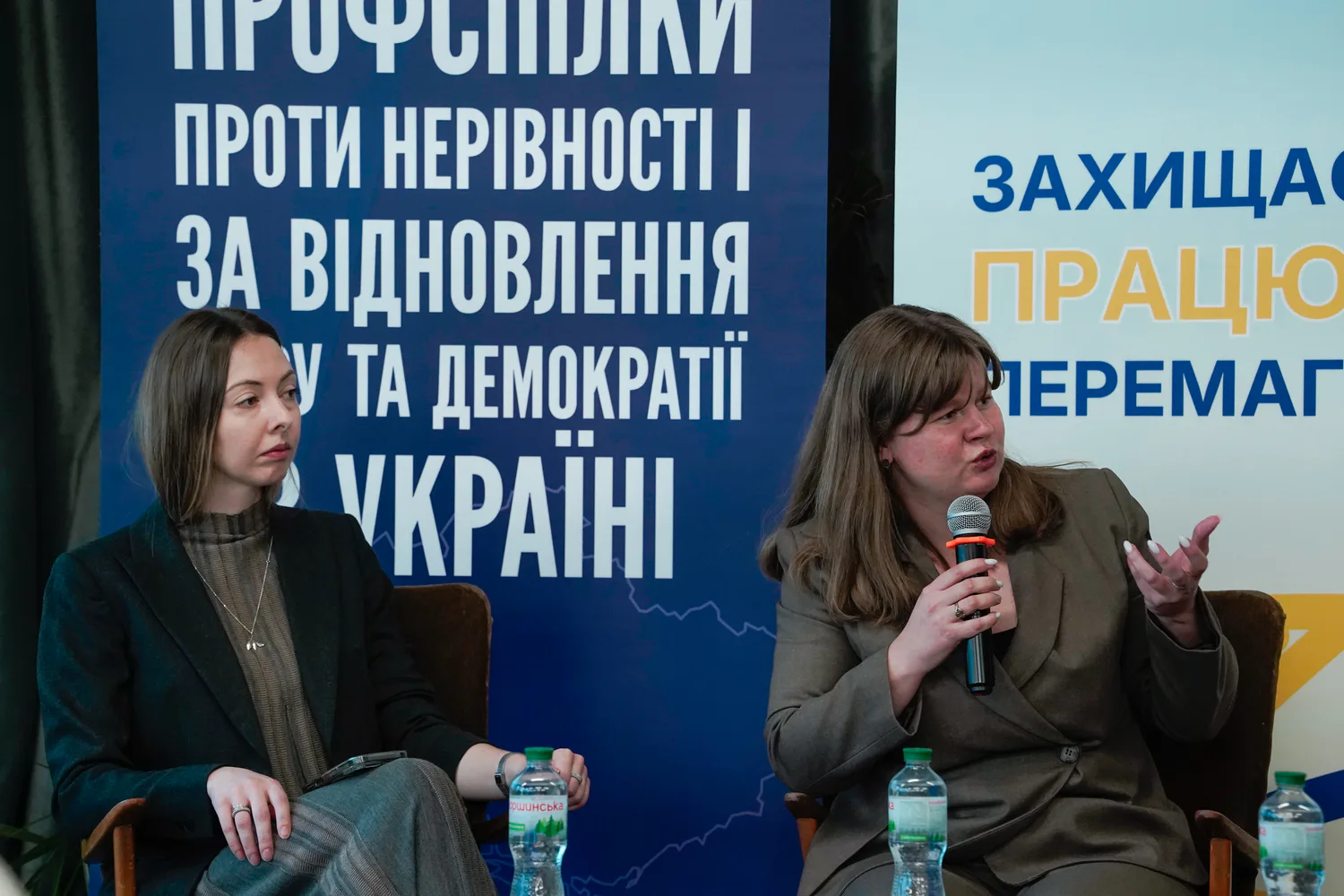
The presentation was logically followed by the expert panel discussion "Human Capital and the National Qualifications System." Participants focused on today's most acute challenges: an unprecedented labor shortage, the demographic crisis, and bridging the gap between educational offerings and the real needs of business. Attention was paid to the recognition of foreign qualifications, which, according to Iryna Novak, a representative of the Institute of Demography and Quality of Life Research of the National Academy of Sciences of Ukraine, should play a role in the return of citizens from abroad. Discussion participants also spoke about the challenges facing businesses, in particular, the readiness to invest in retraining employees and the search for workers with micro-qualifications. An important challenge faced by employers during the war was the ability to quickly revise professional standards and deploy qualification centers under the conditions of critical wartime needs.
Let us add
FPU Chairman Serhiy Byzov previously outlined ambitious goals – to cover 10 million workers with the trade union movement by 2030. He emphasized that the key task will be the transformation of the trade union movement and its conversion into a full-fledged social partner of the state – a partner whose voice is heard and taken into account, and without whom decisions affecting workers' rights are not made.