










Retrospective reinterpretation: airlines are charged additional taxes for aircraft leasing over the past 7 years
Kyiv • UNN
Ukrainian airlines are forced to pay additional taxes for aircraft leasing over the past seven years due to a new interpretation of taxation. The Bureau of Economic Security has opened criminal proceedings against a number of carriers.

Ukrainian airlines are trying to force payment of additional charges for aircraft lease over the past seven years due to a new interpretation of taxation of leasing operations. According to lawyers, this is the approach currently used in criminal proceedings of the Bureau of Economic Security against a number of air carriers, writes UNN.
Head of the Legal Department of the Aerospace Association of Ukraine Ruslan Melnychenko noted that the problem arose only in 2024, when individual analysts of the State Tax Service began to interpret aircraft not as vehicles but as equipment. This, according to him, became the basis for attempts to equate leasing payments to royalties and demand payment of tax on non-resident income.
In the entire history of Ukraine's independence, there have been no changes in legislation. So what changed? 2024, war – what changed? And nothing changed
It is about the fact that the State Tax Service in 2024, despite the absence of changes to tax legislation, published an article in which it proposed to tax leasing operations of air transport from non-residents of Ukraine as royalties. Tax officials believe that Ukrainian airlines should pay tax for the use of intellectual property.
The State Tax Service believes that from 2017 to 2023, companies that use transport leasing, in particular lease aircraft and railway cars, in favor of non-residents, paid UAH 13.1 million in income in the form of leasing and at the same time did not pay 15% royalties in Ukraine. At the same time, the tax service decided to interpret international double taxation avoidance conventions in its own way, stating that it believes that companies leased not transport but equipment.
Guided by this approach, the Bureau of Economic Security opened a number of criminal proceedings against airlines. Investigators believe that at least five airlines, including MAU, "Avia Company Constanta", "Urga", N3Operations and "Skyline", should have paid an additional 15% royalties to the Ukrainian budget for the lease of aircraft and helicopters.
According to Melnychenko, airlines do not dispute the need to pay taxes and do not ask for any benefits. Instead, they demand only legal certainty and uniform application of the law.

Particular concern, according to the lawyer, is caused by the fact that the BES and tax officials are trying to apply the new interpretation of legislation not only to transactions carried out after 2024, but also retroactively – for the last seven years.
The Tax Service claims to tax these transactions not for the future, but retroactively. For the last seven years, analysts have been drawing up so-called analytical conclusions that have no legal significance
Melnychenko claims that all these documents are essentially template-based: only the names of companies and amounts of leasing payments change, while the text, argumentation, and even errors remain the same.
In his opinion, if the demands for additional charges for seven years are implemented, most Ukrainian airlines will not be able to continue operating.
If we collect these taxes for the last seven years, the companies will all go bankrupt for sure
According to Melnychenko, the situation looks particularly paradoxical in conditions where civil aviation has been trying to survive for the fourth year under a closed sky. Airlines had to relocate aircraft abroad and lose a significant part of their infrastructure.
It is worth noting that the average profitability of airlines today is only 7–10%, while additional taxation of leasing payments can reach 10–15% depending on the jurisdiction of the lessor.
CEO of the law firm "Bolinsky and Team" Sviatoslav Bolinsky noted during a roundtable that state bodies are essentially trying to interpret legislation on their own, relying not on court decisions or legislative changes, but on internal analytical documents.
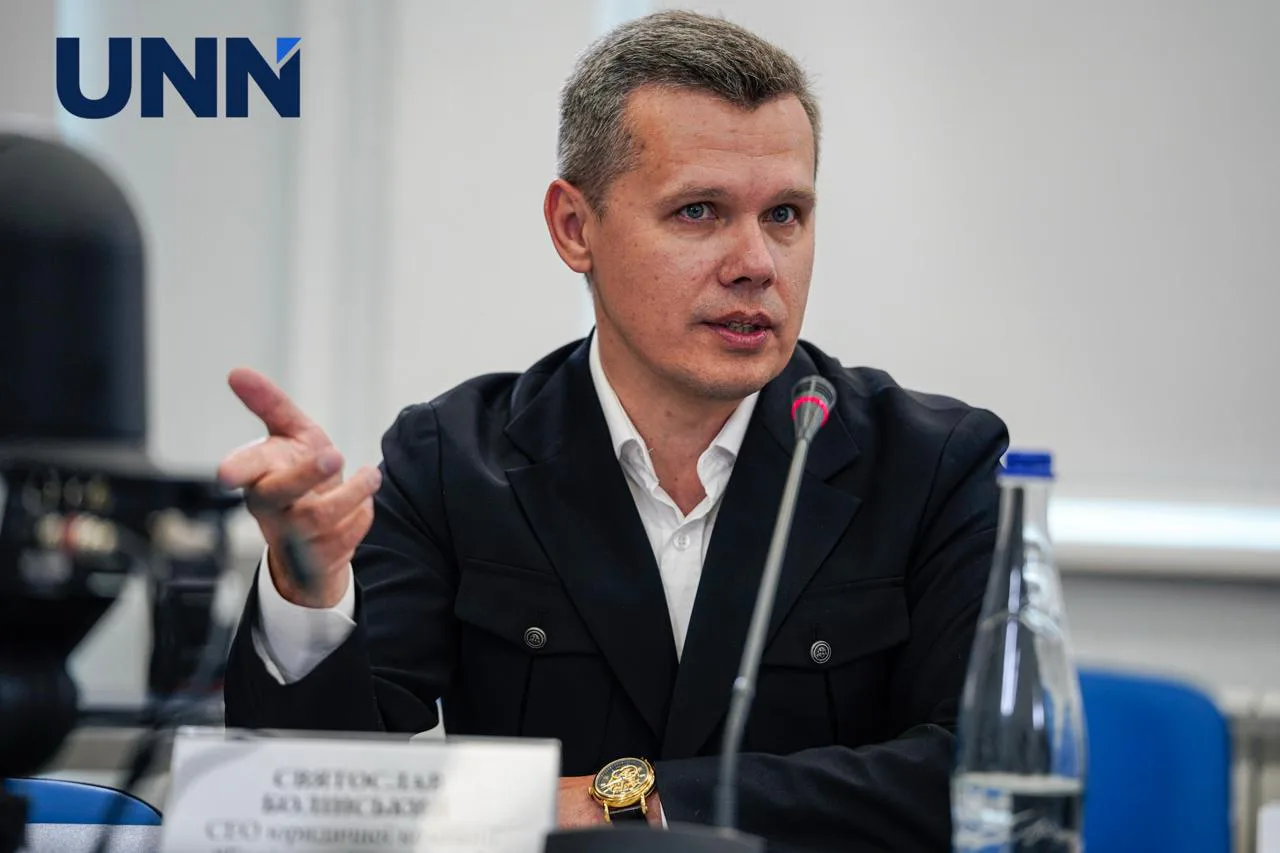
Some analytical memo from the tax service... We have a court that can interpret legal norms, and the legislator itself. The question is why the tax service does not seek interpretation through the established procedure
According to Bolinsky, even if certain leasing agreements could contain elements requiring additional analysis, this cannot be grounds for automatically applying the same approach to all leasing contracts without exception.
Perhaps some contracts did include royalties. That is a possible scenario. But we must examine each specific situation. It should not be implemented across all leasing agreements that exist in general
He also drew attention to the lack of accountability of state officials for unlawful decisions. According to Bolinsky, even if a court overturns illegal seizures or recognizes the actions of investigators or tax officials as unlawful, officials essentially bear no personal responsibility for the losses businesses suffer as a result of their actions or decisions.
The lawyer also called on lawmakers to consider introducing a mechanism of personal financial liability for officials for illegal decisions that lead to the blocking of enterprise operations, seizure of accounts, and breach of contracts.
It is obvious that the situation surrounding aviation leasing goes far beyond a tax dispute and raises questions about adherence to the fundamental principles of the rule of law. If state bodies begin to independently reinterpret the content of laws and international treaties, and then apply the new interpretation retroactively, this creates a dangerous precedent for all businesses. Only the legislator, who passes laws, and the court, which interprets them in specific disputes, can determine how legal norms should be applied. The Tax Service and the Bureau of Economic Security, as legal experts emphasize, are not empowered to change the content of legislation through internal analytical documents or use them as a basis for criminal prosecution.