










Orbán's Fidesz defeat in Hungary turned into a public celebration
Kyiv • UNN
Péter Magyar's opposition Tisza Party won 138 seats in the Hungarian parliament. Orbán conceded defeat amidst celebrations by opposition supporters in Budapest.

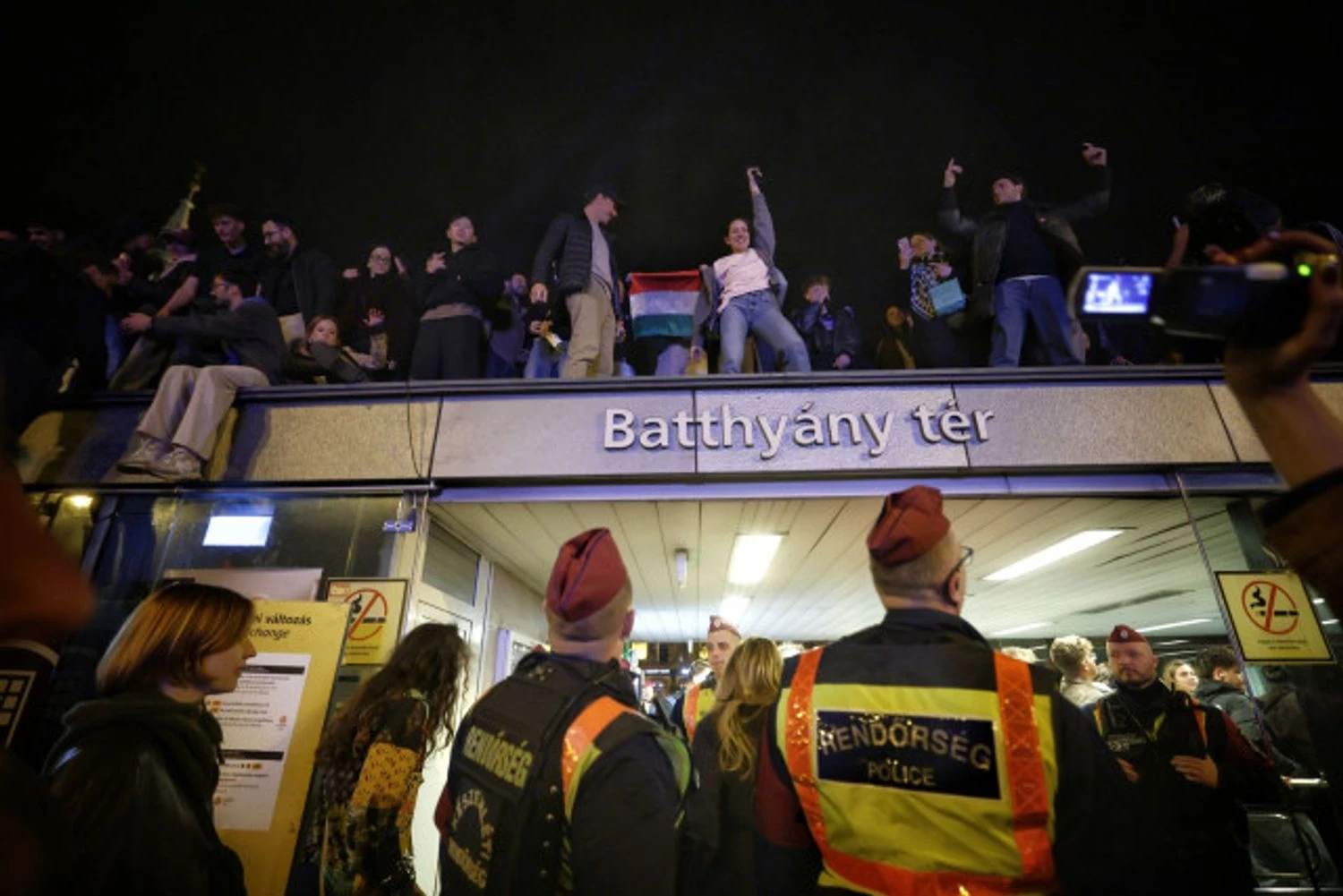
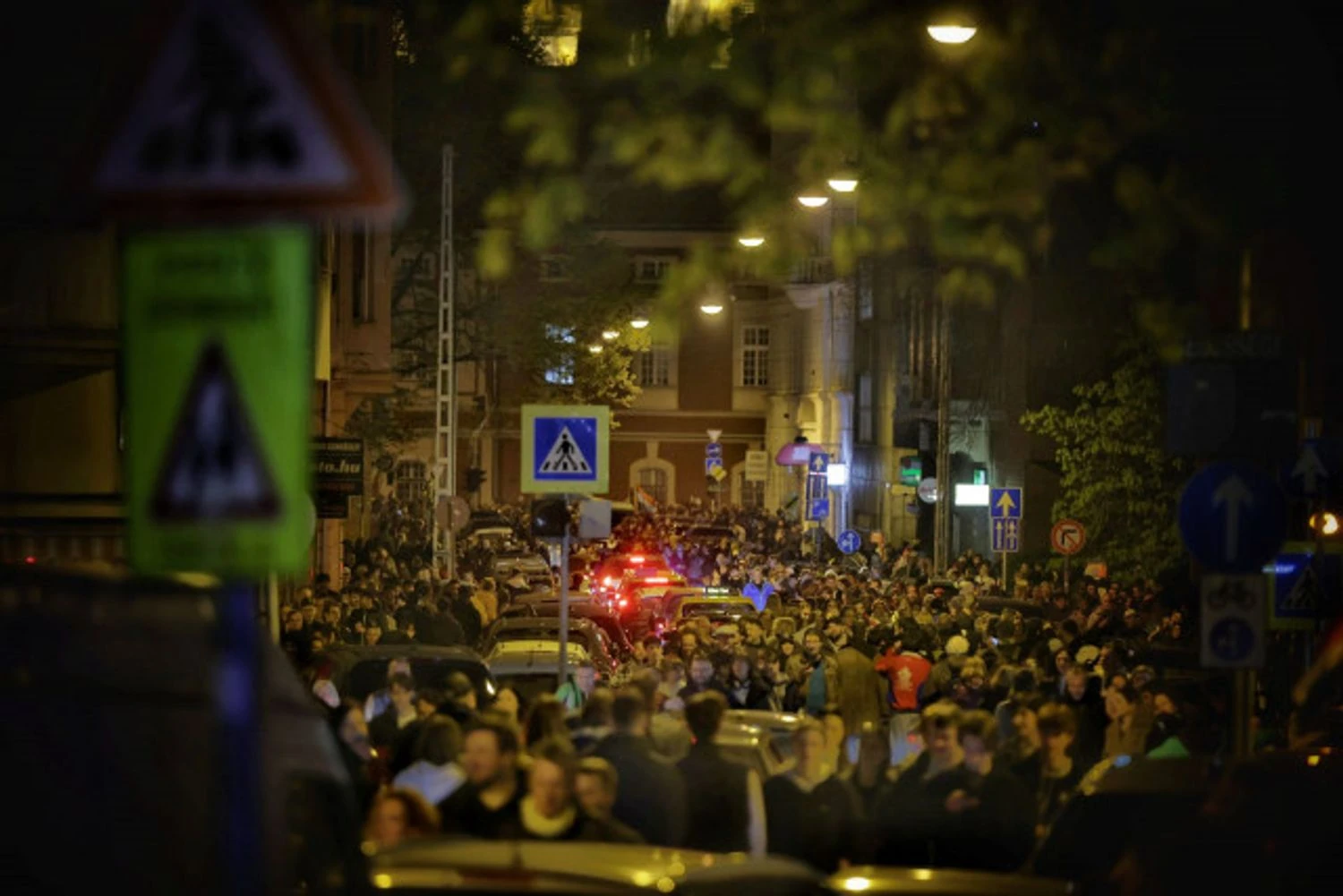
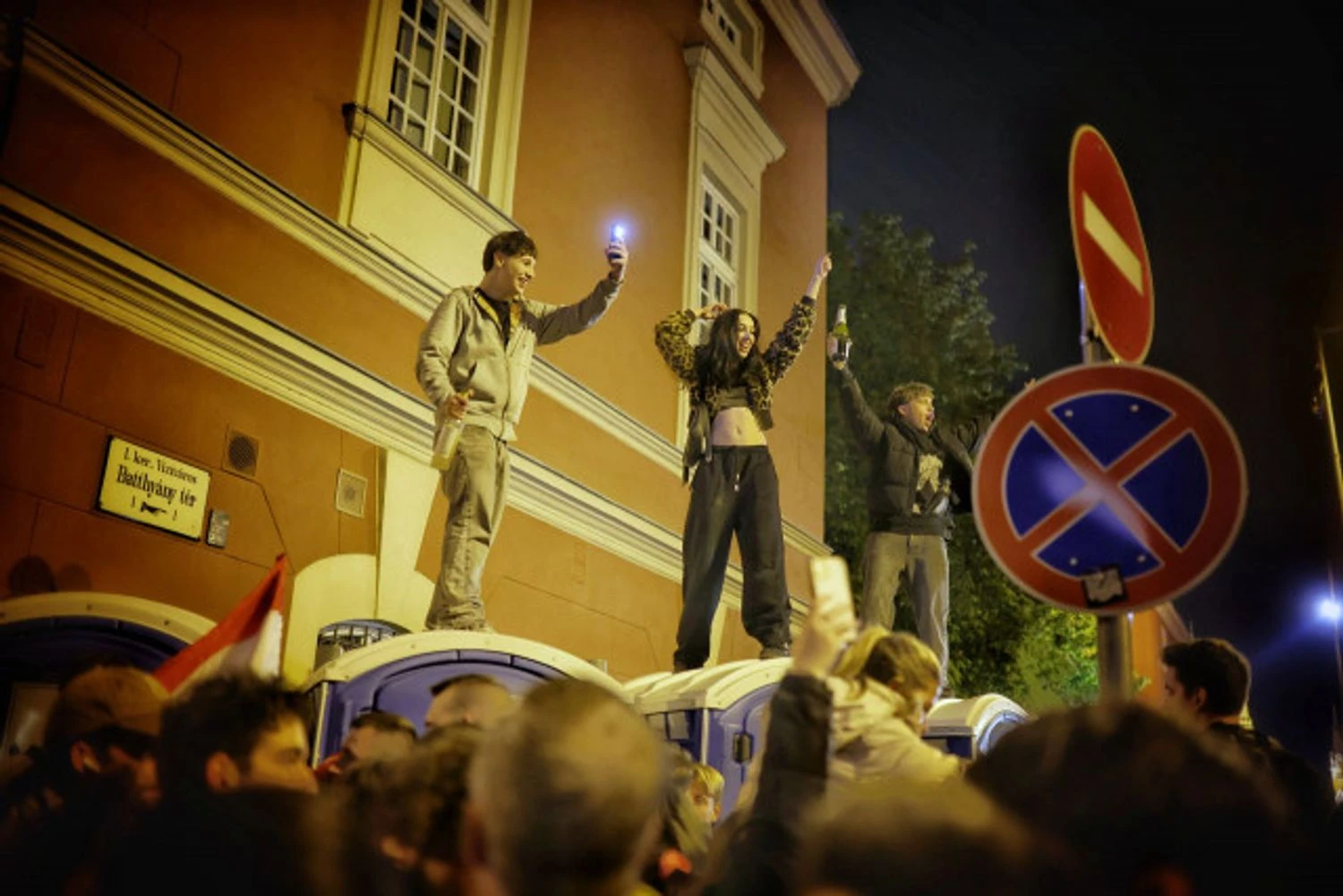
The defeat of "Fidesz", the party of Hungarian Prime Minister Viktor Orbán, who had been in power for 16 years, turned into a public celebration, 444.hu reports, writes UNN.
Details
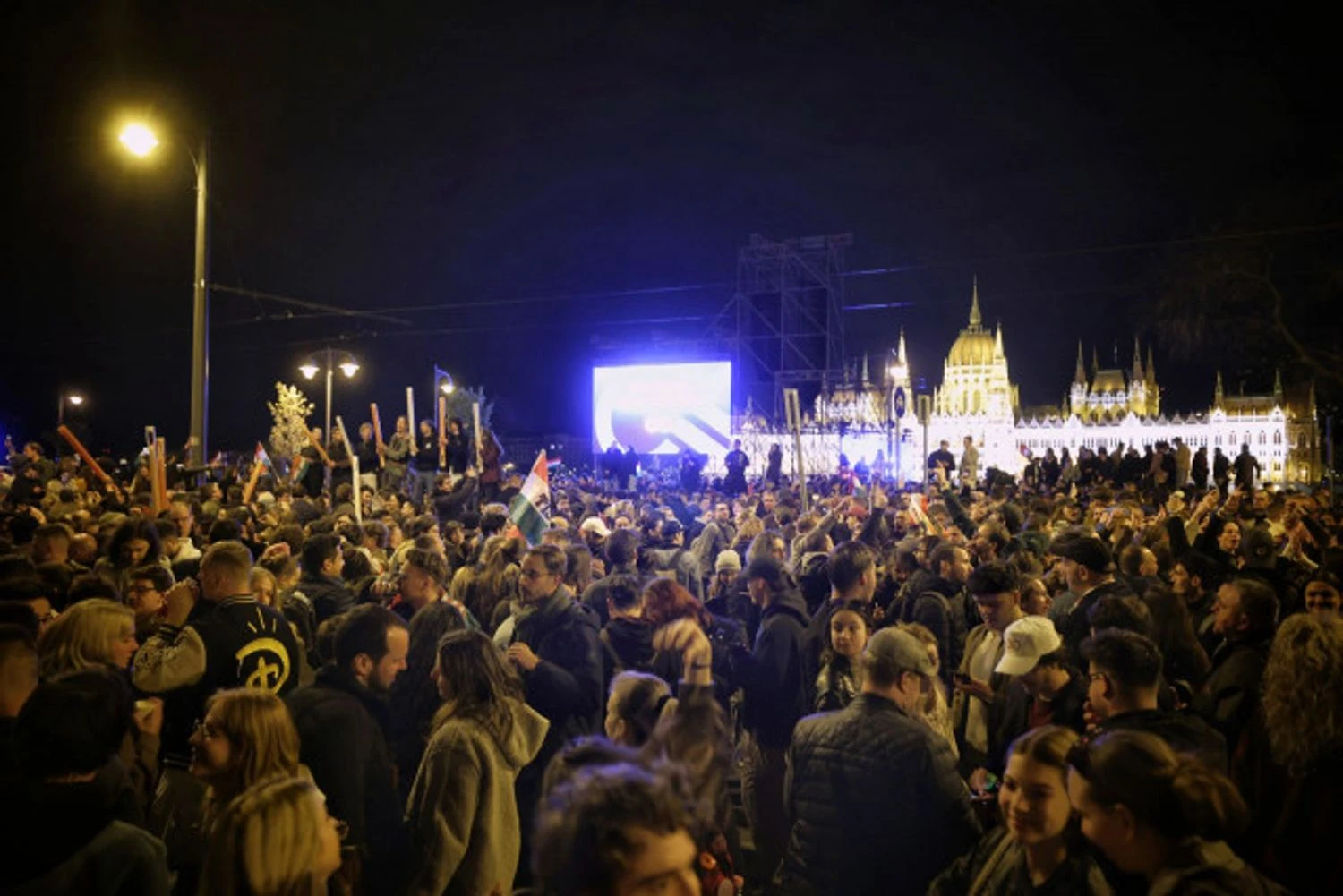
The announcement of the election results for "Tisza", the party of Orbán's opponent Péter Magyar, as the publication notes, turned into a grand celebration.

Addition
As Reuters notes, after 16 years in power, Orbán's Fidesz party gave way to Magyar's Tisza party, a blow to his allies in Russia and in the administration of US President Donald Trump.
His defeat secured Magyar a confident majority in Hungary's 199-seat parliament.
After almost all votes were counted, Tisza was expected to win 138 seats, which would be more than two-thirds of the votes needed for Magyar to overturn Orbán's constitutional reform and fight corruption.
"Together we have liberated Hungary, we have taken back our country," Magyar told tens of thousands of supporters who danced and triumphed by the Danube River in Budapest.
Record turnout underscored how many Hungarians viewed these elections as a turning point for their country, the publication writes.
Orbán was celebrated by conservatives across Europe and the US as the ideological mastermind of an "illiberal" model of democracy. But he lost popularity with voters at home who were tired of economic stagnation, international isolation, and oligarchs accumulating wealth.
"The election results are painful for us, but clear," Orbán said at the Fidesz party's campaign headquarters.
The end of Orbán's 16-year rule will have significant consequences not only for Hungary, but also for the European Union, Ukraine, and other countries, Reuters indicates.
Hungarian President Tamás Sulyok must convene a new parliament within 30 days of the elections.
The prime minister is elected by parliament with a simple majority. The President of Hungary submits a proposal for the prime minister's candidacy - usually the candidate from the winning party - and then parliament votes on this candidacy.
If parliament does not elect the proposed person, the president submits a new proposal within 15 days.
If parliament again fails to elect a new prime minister, the president can dissolve parliament and call new elections.
The new parliament is likely to convene in May - after the elections on April 3, 2022, it convened on May 2.