









What distinguishes Coca-Cola from Pepsi - composition, recipe, and "secret" ingredients of favorite drinks
Kyiv • UNN
An analysis of the drinks' composition revealed differences in sugar, caffeine, and acid content. Brands alter their recipes depending on the country and keep their flavor formulas secret.

Coca-Cola and Pepsi – favorite drinks of several generations – have remained two of the most famous soft drinks in the world for decades. However, discussions about what exactly distinguishes them do not subside. Fans of soda argue about taste, composition, recipe features, sugar content, caffeine, and aromatic components.
UNN decided to investigate what is known about the ingredients of both drinks, what differences are officially confirmed, and what still remains part of a marketing secret.
Legendary Coca-Cola and Pepsi: what the manufacturing companies officially reveal
Coca-Cola and Pepsi do not publish the full production formula of their signature drinks. A standard list of ingredients, nutritional value, caffeine content, and separate explanations that the exact recipe of the flavor part remains a trade secret are publicly available.
The manufacturer calls the formula a trade secret and states that it has protected it for over 130 years.
That is why the consumer can find information about the basic components, but does not see the full composition of the aromatic mixture, which is labeled as natural flavors or flavorings on the labels. This is the part of the recipe that brands do not detail. In the case of Coca-Cola, the company directly links secrecy to the protection of its signature taste.
In Pepsi, details about the taste of the drink are also not fully disclosed, although the main ingredients and nutritional indicators are available on the official product pages.
What is the composition of the American versions of Coca-Cola and Pepsi sodas?
For the US market, Coca-Cola Original officially indicates the following composition:
- carbonated water;
- high-fructose corn syrup;
- caramel coloring;
- phosphoric acid;
- natural flavors;
- caffeine.
On the Pepsi page for the US market, you can find the following list of ingredients:
- carbonated water;
- high-fructose corn syrup;
- caramel coloring;
- sugar;
- phosphoric acid;
- caffeine;
- citric acid;
- natural flavor.
Official nutritional values also differ.
A standard 12-ounce can of Coca-Cola contains 39 grams of sugar and 34 milligrams of caffeine. For the same volume of Pepsi, 41 grams of sugar and 38 milligrams of caffeine are officially indicated.
Differences between "Coke" and "Pepsi" at the recipe level
The most noticeable open difference between the American versions is that Pepsi separately lists citric acid, while Coca-Cola Original for the US does not include it in the published list of ingredients.
In addition, Pepsi's composition also simultaneously listed corn syrup and sugar. In Coca-Cola Original for the US, the official formula only lists high-fructose corn syrup as a sweetener. This is one of the reasons why Western materials about the taste of drinks often focus on sweetness and acidity.
Historical sources also indirectly confirm that the taste profile of the brands was not the same.
Britannica reminds that New Coke, which Coca-Cola launched in 1985, was created with the expectation of changing the brand's position in the market, and public discussions of that period separately mentioned Pepsi's sweeter profile. The very fact of New Coke's appearance shows that the company perceived the recipe and taste as a competitive tool, not as an immutable element.
Trump convinced Coca-Cola to switch to cane sugar in drinks
Why the composition data is not the same everywhere
Another reason for the confusion is that Coca-Cola and Pepsi do not have the same label in all countries where they are present.
Coca-Cola on its international pages states that the basic ingredients and production process are the same in different countries, but the taste may differ slightly. At the same time, local lists of ingredients and the type of sweetener really depend on the specific country.
To do this, it is enough to look at the British versions. Pepsi in the UK officially contains carbonated water, sugar, caramel coloring, phosphoric acid, flavorings with caffeine, as well as acesulfame K and sucralose. The British FAQ for Pepsi explicitly states that the reformulated version contains less sugar and is additionally sweetened with a mixture of acesulfame potassium and sucralose. Thus, "European" Pepsi is not identical to "American" Pepsi in composition.
In Coca-Cola, changes that depend on the area of sale are also visible.
The Coca-Cola US page separately presents Coca-Cola Mexico, where cane sugar is used instead of corn syrup. Pepsi has a similar separate product, Pepsi Made With Real Sugar, which lists carbonated water, sugar, caramel coloring, phosphoric acid, caffeine, and natural flavor. This version does not contain corn syrup, and citric acid is not listed in the official list.
Therefore, it is correct to speak not of one universal formula for each brand, but of a set of local variants with a common base.
"Secret" ingredients of Coca-Cola and what is known about them
The company itself supports the widespread theory of "secret" soda ingredients, calling the formula a trade secret and emphasizing that only The Coca-Cola Company knows exactly how the drink is made.
In Western media, the most famous version of the "solution" was proposed in This American Life in a 2011 article. It was dedicated to an old version of the recipe, related to a historical document.
The publication featured the so-called 7X mixture, which included alcohol, orange oil, lemon oil, nutmeg oil, coriander, neroli, and cinnamon. Citric acid, caffeine, sugar, water, lime juice, vanilla, and caramel were also mentioned.
In response, Coca-Cola told ABC News that outsiders had repeatedly tried to uncover the formula, but the published version was not "the one."
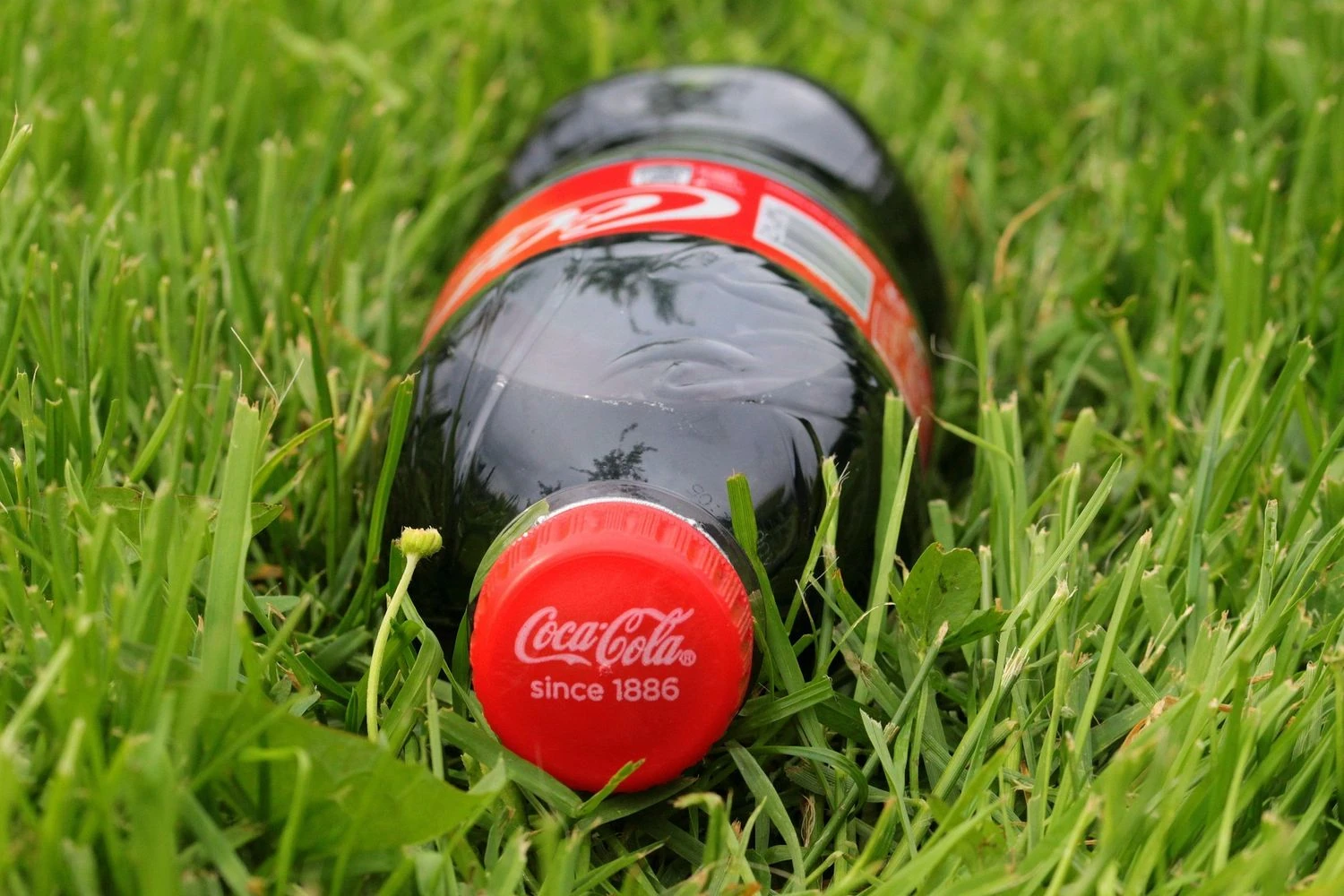
In addition, there is one component that is often mentioned separately because it goes beyond the usual household ideas about cola. The FDA database contains decocainized coca leaf extract, designated as a flavoring agent or adjuvant. On the packaging, it usually falls into the broader category of flavorings. However, the very fact of the existence of such an authorized flavor and aroma component in the federal database is one of the few documented stories that regularly appear in Western texts about Coca-Cola's "secret" ingredients.
What can be said about Pepsi's "secrets"?
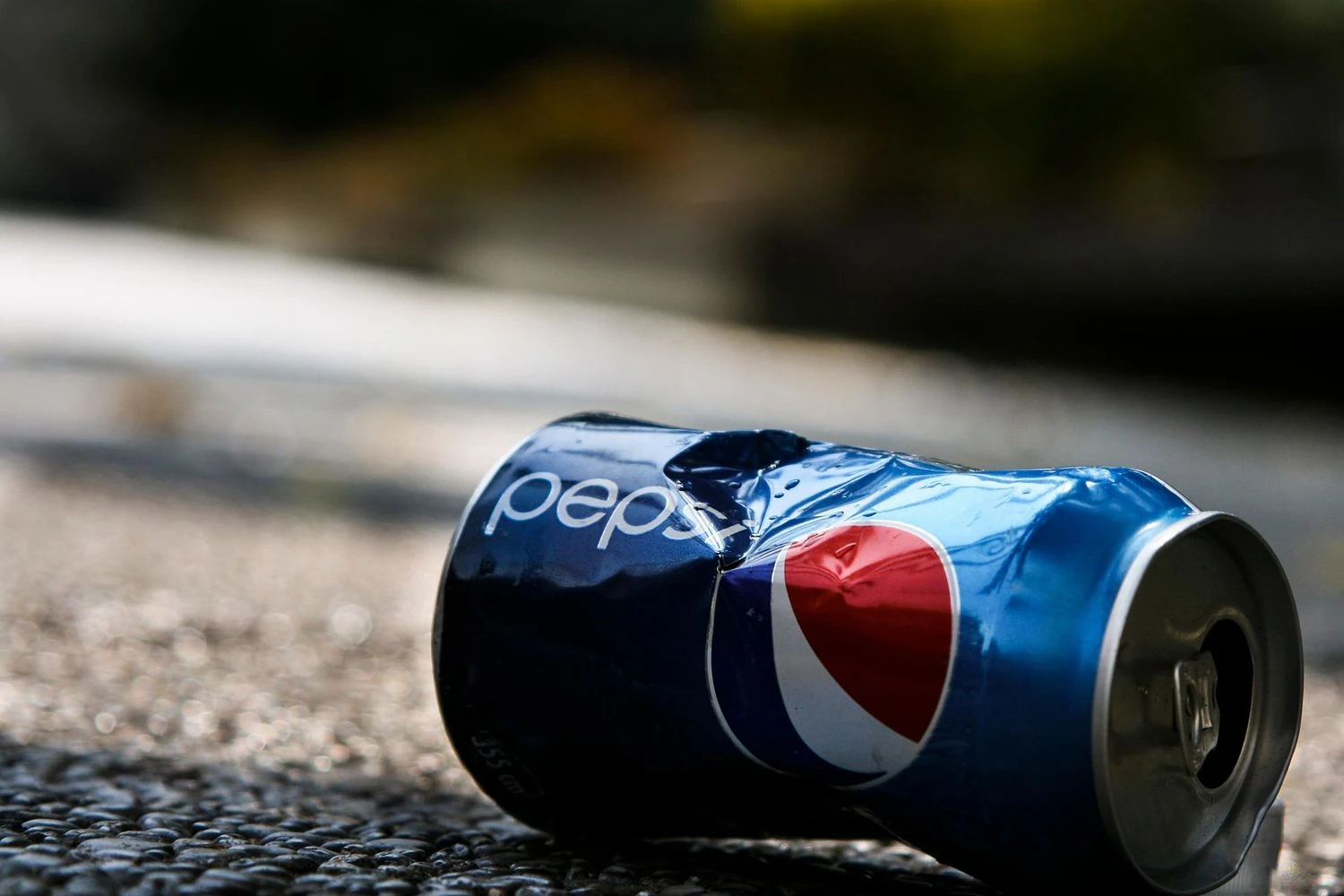
Pepsi's official US page shows the basic composition, sugar, caffeine, and calorie content, but does not decipher what exactly is included in natural flavor. In the "British" version, the company also limits itself to the category of flavorings. That is, the flavor part of Pepsi, like Coca-Cola, remains closed to the consumer in detail, although the set of main components is formally published.
In general, if we discard advertising formulas and myths from media and social networks, several confirmed facts about the favorite drinks of millions can be found in open sources:
- "American" Coca-Cola Original and Pepsi have different ingredient lists;
- both brands change their composition depending on the country and the specific product version;
- the story of 7X Flavor and decocainized coca leaf extract regularly "pops up" in the media, but only the second story has direct documentary support in the federal food database, while the first remains part of historical reconstructions and media versions.