









Pysanky and krashanky: what is the difference between Easter eggs
Kyiv • UNN
Krashanky are boiled edible eggs of one color for breakfast. Pysanky are painted amulets that are not eaten and are stored for years near icons.

Pysanky and krashanky are an integral symbol of Easter. Often these two concepts are confused, although they are both closely related to the traditions of the holiday, they have completely different purposes, different histories, and different creation techniques, - writes UNN
Krashanka as a dish
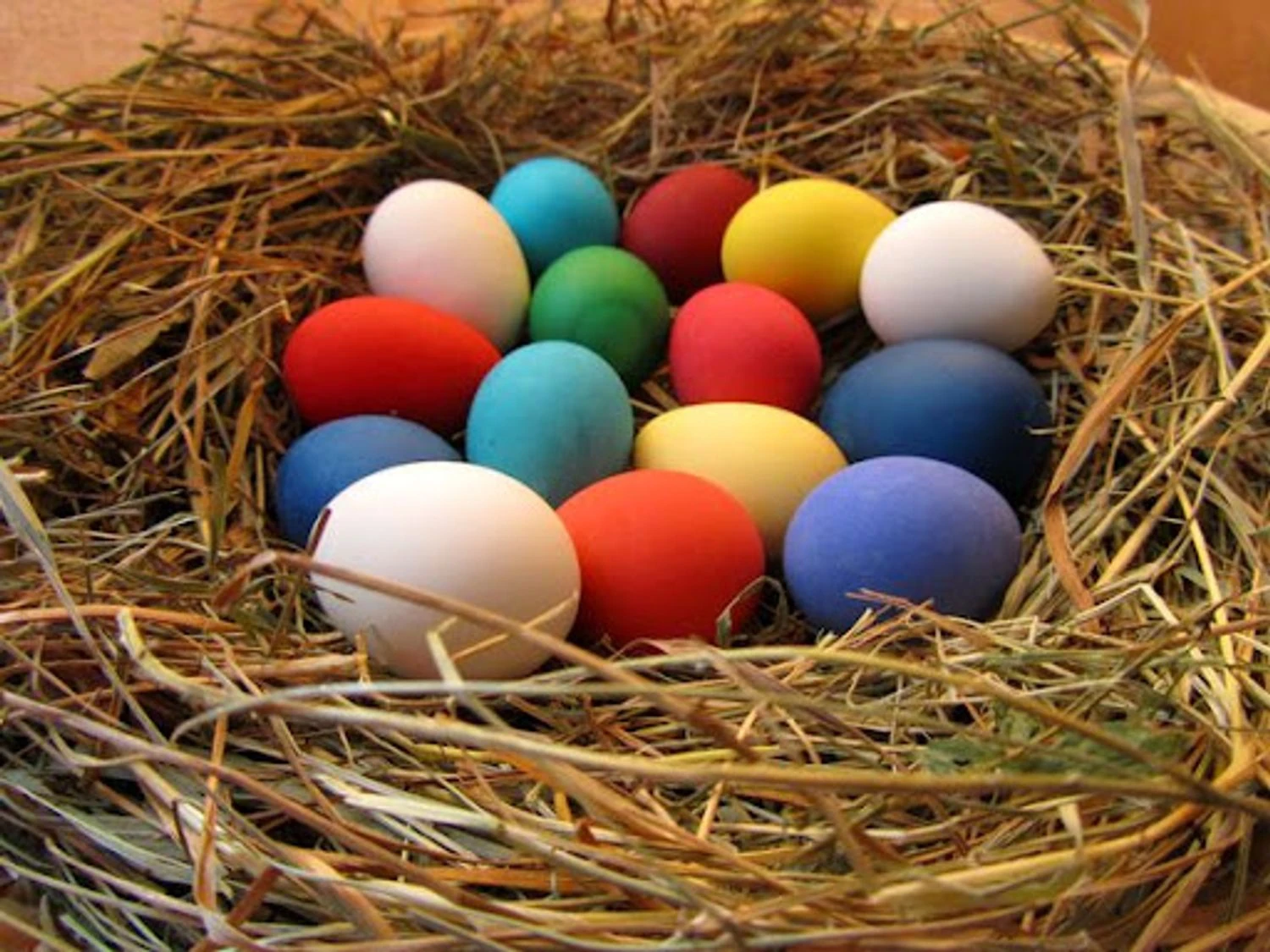
A krashanka is a hard-boiled egg dyed in one solid color. The name itself comes from the word "krasyty" (to dye). Traditionally, natural dyes are used for their creation: onion skins for a rich red-brown color, turmeric for yellow, nettle decoction for green, or beet juice for pink.
The main feature of a krashanka is that it is created specifically for consumption at the festive table. Ukrainians begin their Easter breakfast with consecrated krashanky, breaking their fast after Lent. They also compete with them – holding traditional battles, checking whose egg turns out to be stronger.
Pysanka as an amulet
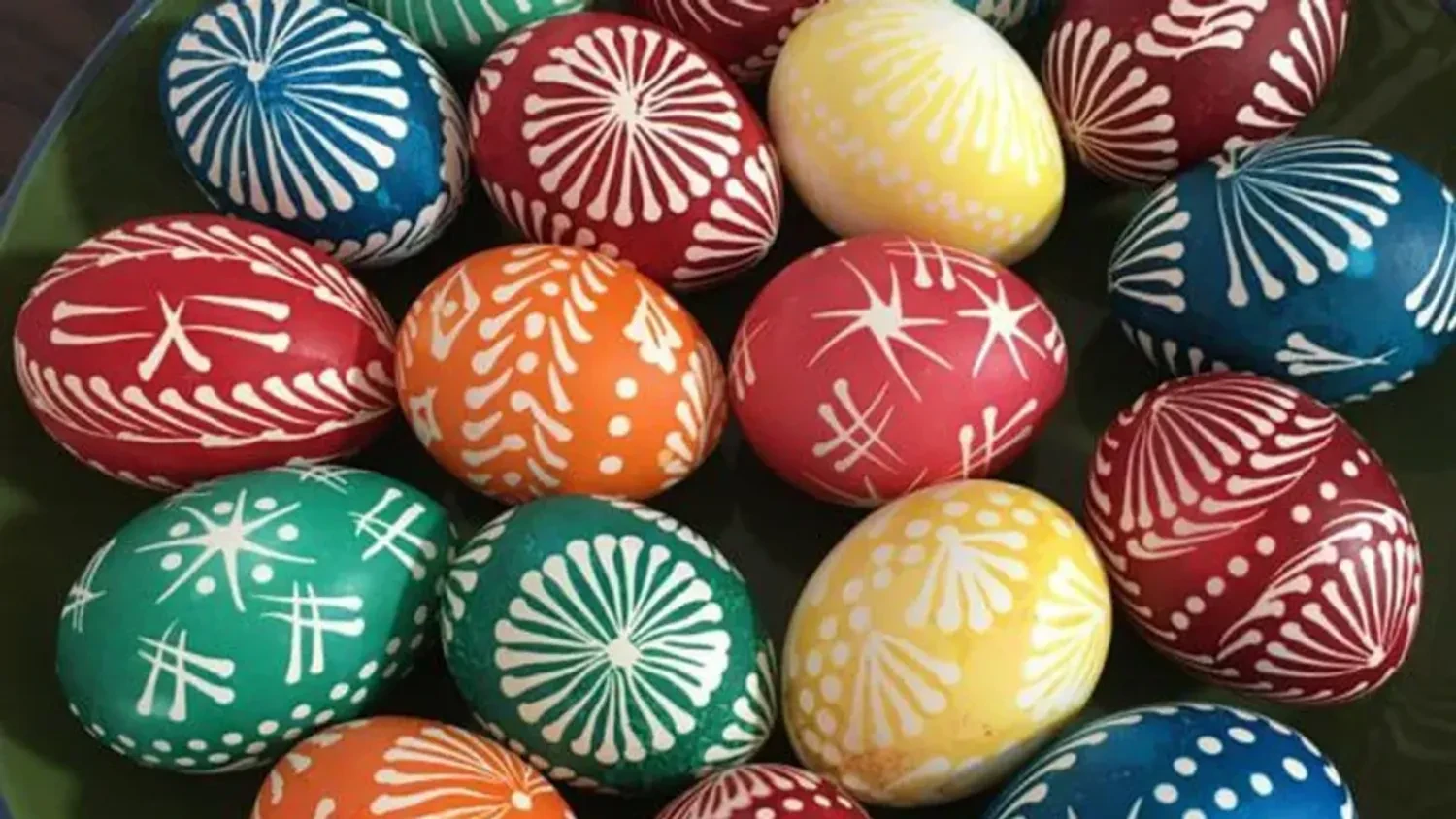
Unlike krashanky, a pysanka is an empty, blown-out egg covered with complex ornaments. The name comes from the word "pysaty" (to write). It is created using a special tool – a kistka, wax, and sequential dipping into various dyes. This is a complex technique of multi-layered wax painting. Pysanky are never boiled or eaten. They have long served as amulets.
Pysanky are given to relatives and friends as a sign of respect, love, and with wishes of good, and then stored for years in a place of honor in the home – near icons.
How to properly prepare for Easter - useful rules and tips29.03.26, 10:21 • 84055 views