










Canning season in Ukraine: what is preserved in July
Kyiv • UNN
In July, Ukrainians actively preserve cucumbers, zucchini, berries, and fruits. The State Service of Ukraine on Food Safety and Consumer Protection advises using only fresh products and following heat treatment.

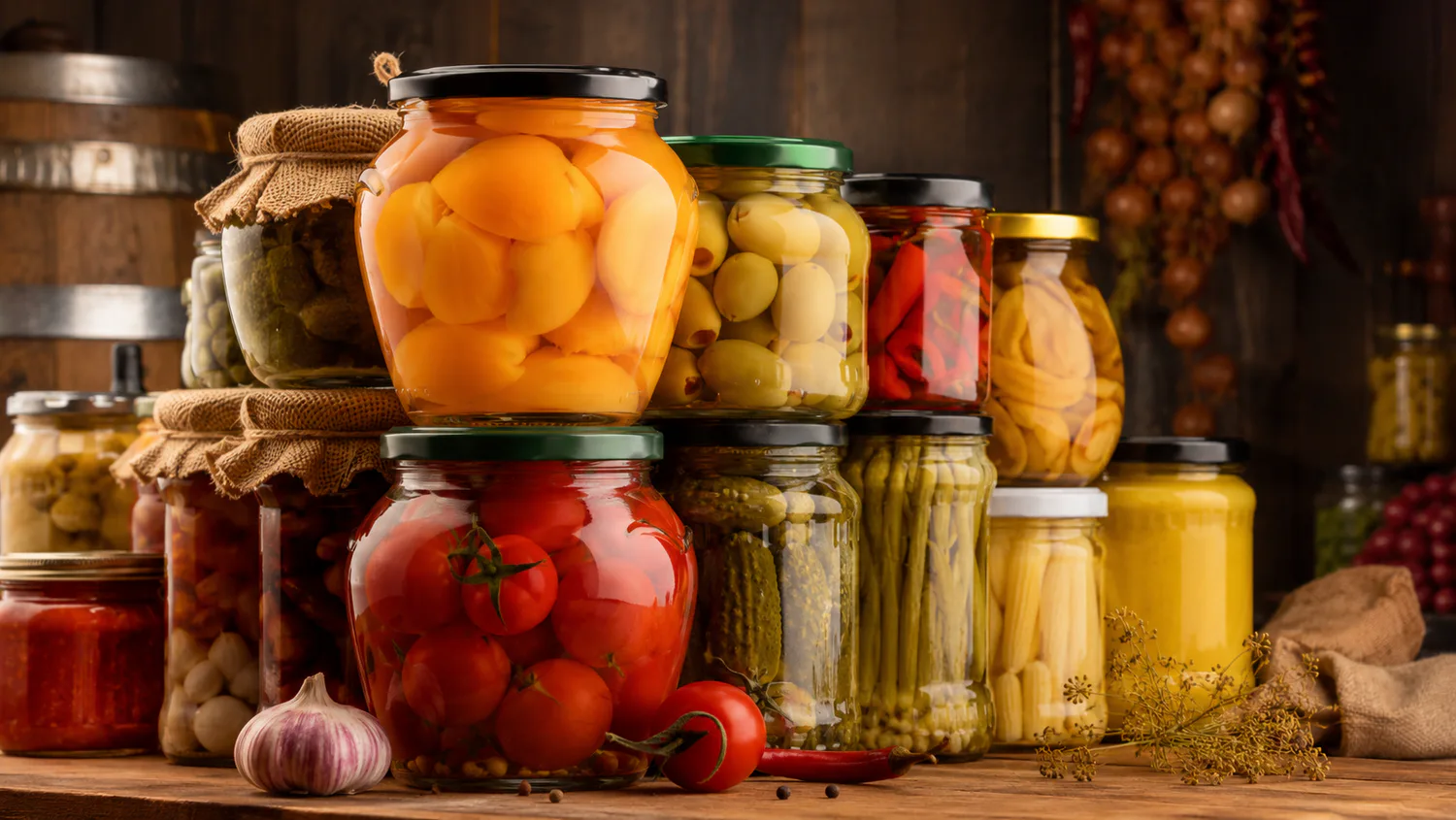
In July, Ukrainians begin actively harvesting fruits and vegetables or buying them to make preserves for the winter. They choose cucumbers, zucchini, berries, and fruits. Housewives pickle and salt vegetables, make jams, jellies, and compotes, and dry or freeze part of the harvest. UNN has gathered all the information on how to properly and deliciously preserve vegetables, fruits, and berries to enjoy them in winter.
When the preservation season starts in Ukraine
The first summer preparations usually begin in June, when strawberries, sweet cherries, sour cherries, raspberries, green peas, early cucumbers, and zucchini ripen. In July, the range of seasonal products expands, so this month becomes the start of mass preservation for many families. Ripening times depend on the region, weather, and plant variety.
It is better to prepare products in small batches, immediately after harvesting or purchasing. Overripe, bruised, or rotten fruits are not suitable for long-term storage. The State Service of Ukraine on Food Safety and Consumer Protection advises using only fresh products without signs of spoilage, thoroughly washing raw materials, and following heat treatment regimes.
What Ukrainians most often prepare this summer
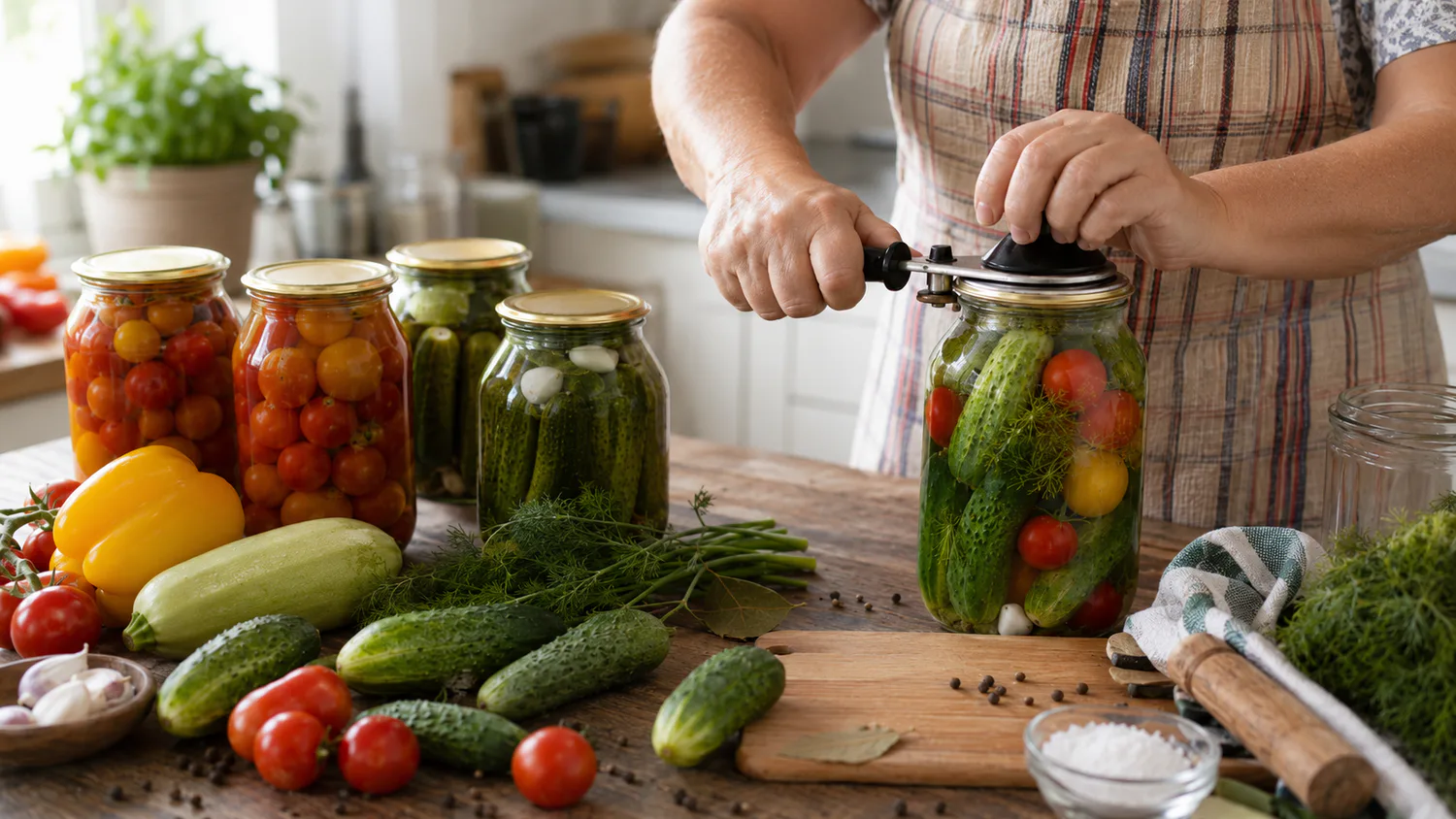
Cucumbers are the most popular vegetables for July preservation. They are pickled with vinegar, fermented, salted using hot or cold methods, and added to vegetable assortments. Young zucchini are used for making caviar, salads, spicy snacks, or are pickled in pieces.
The traditional July preservation set also includes green peas, green beans, broccoli, and herbs. At the end of the month, early tomatoes, sweet peppers, and eggplants become more abundant in the southern regions. They are used to make tomato juice, sauces, lecho, adjika, and vegetable salads. At the same time, the mass season for tomatoes, peppers, and eggplants in most regions falls in August.
Among berries in July, they prepare raspberries, black and red currants, gooseberries, sour cherries, and mulberries. Among fruits - apricots, early peaches, apples, and plums. They make jams, jellies, compotes, and fruit puree from them. Part of the harvest can be frozen: this method requires less time and allows you to do without a large amount of sugar, which is especially important for people with diabetes.
Main methods of preservation
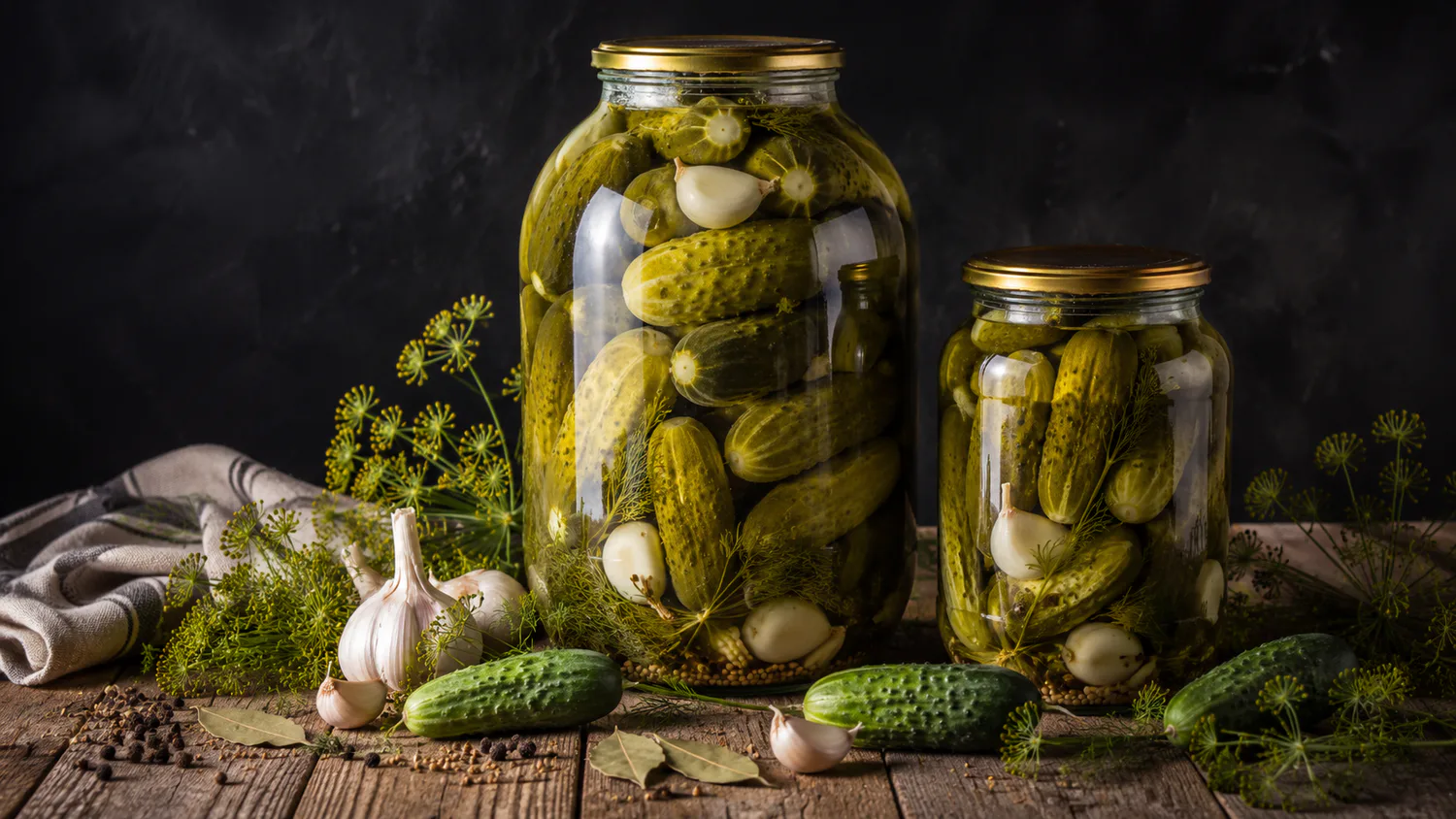
Pickling involves using an acidic marinade, most often with vinegar or citric acid.
Salting and fermentation are based on the action of salt and lactic acid fermentation. Vegetables must be completely submerged in brine, otherwise mold may form on the surface. After active fermentation is complete, such preparations are moved to the refrigerator or a cold cellar.
Jams, jellies, and confitures are preserved thanks to the combination of sugar, acid, and heating. For them, ripe but not spoiled berries and fruits are used. It is not advisable to significantly reduce the amount of sugar without a specially developed recipe: the product may ferment or become moldy.
For home preservation, it is necessary to use modern, proven recipes. Acidic and properly acidified products can be processed in boiling water. Low-acid vegetables without enough vinegar or other acid require pressure canning. Ordinary boiling does not destroy persistent bacterial spores that can cause botulism. When appropriate equipment is not available, it is safer to freeze the vegetables, pickle them using a proven recipe, or store them in the refrigerator.
Rules for sterilizing jars and safe storage
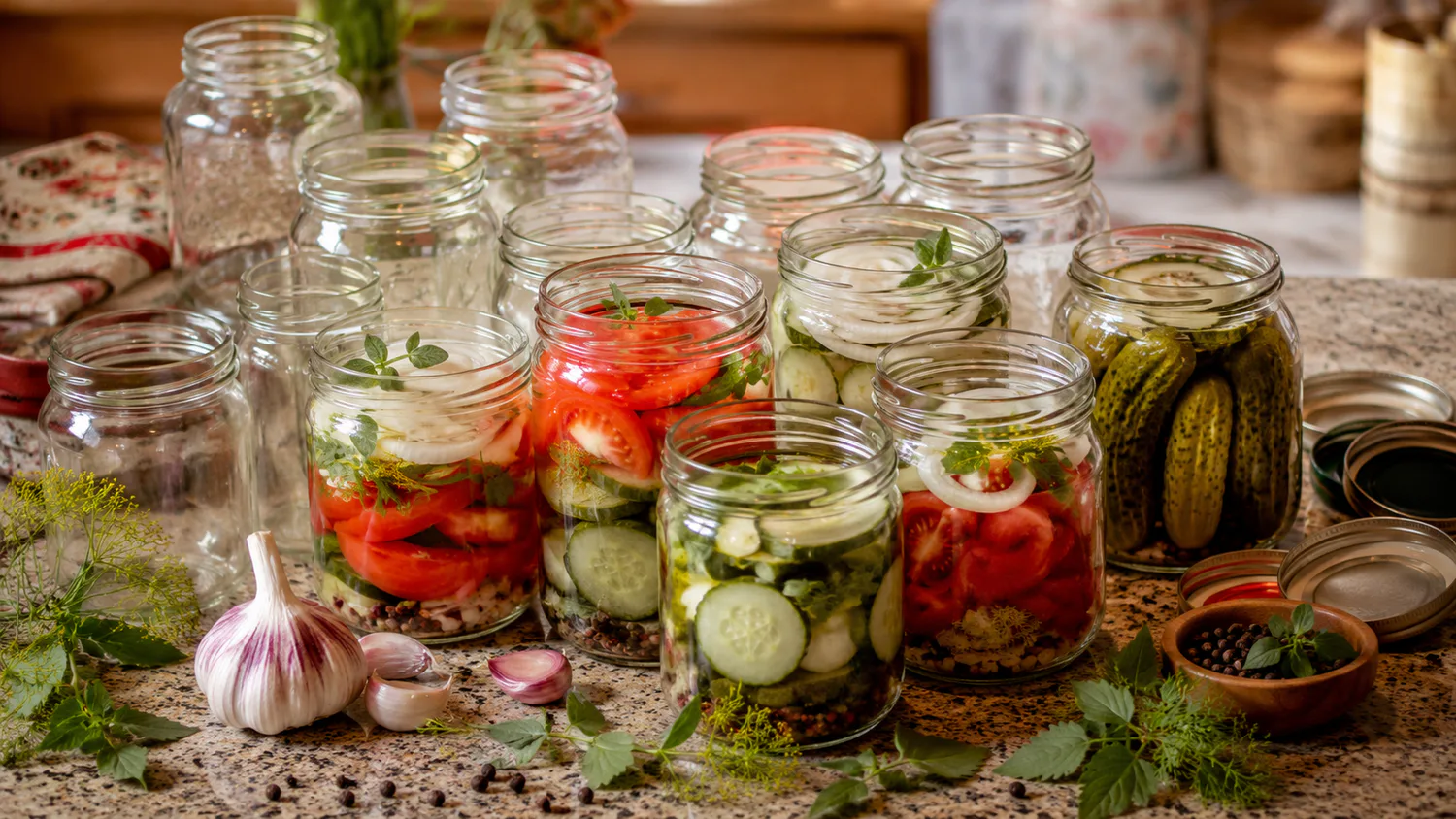
Before work, jars need to be inspected: the glass should have no cracks or chips, and lids should be free of rust, deformations, and damage. The containers are thoroughly washed with hot water, rinsed, and kept warm until filling to prevent the glass from cracking from the hot product.
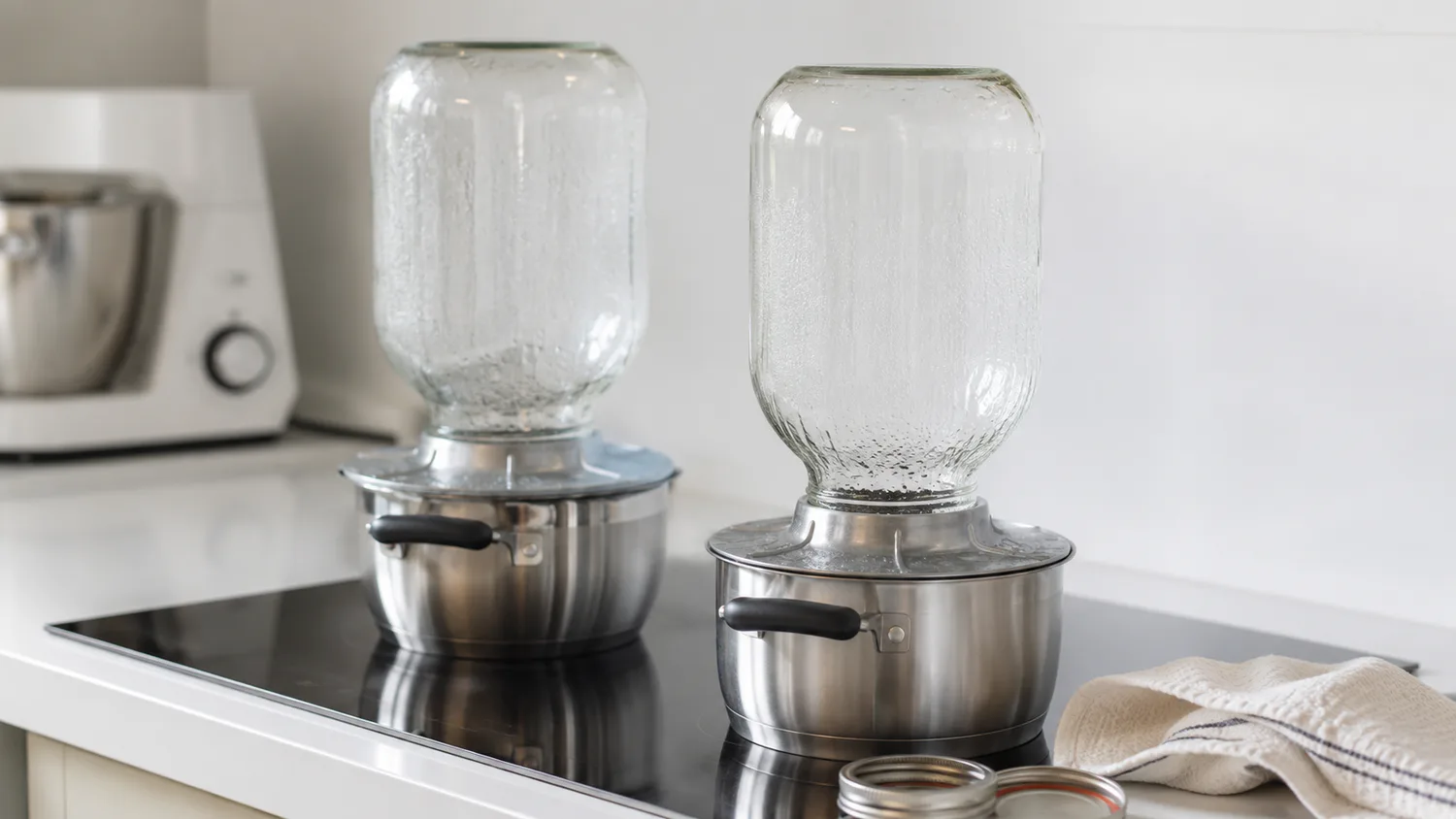
Empty jars that will be processed for less than 10 minutes after filling are recommended to be sterilized in boiling water for at least 10 minutes. If filled jars will undergo heat treatment for 10 minutes or longer, separate preliminary sterilization is not necessary, but the containers must still be clean.
After heat treatment, the jars are left to cool at room temperature for 12 to 24 hours. There is no need to tighten the hot lids further. After cooling, check the seal, wipe the jars, and mark them with the product name and date of preparation.
A bulging lid, leakage, foam, cloudiness, unnatural odor, or mold are reasons to discard the product. Such preserves should not be tasted, even in small amounts. Botulinum toxin does not always change the color, taste, or smell of food, so a normal-looking jar does not guarantee the safety of the product inside it.
Where and how to store preserves in winter
The best place for homemade preserves is a dry, dark, and cool pantry, cellar, or closed cabinet away from the stove, radiators, and sunlight. Jars should not freeze: freezing can cause the glass to crack and compromise the lid's seal.
In an apartment, preserves should be placed on the lower shelves in the coolest part of the home. It is advisable to use homemade preserves within a year. After opening, the jar should be kept in the refrigerator, and the product should only be removed with a clean spoon. Pickles and fermented vegetables that have not undergone sealed heat treatment should be stored in the refrigerator or a cold cellar from the start.
Reminder
Earlier, we offered our readers a selection of proven canning recipes that will easily adorn your winter table and bring a feeling of summer even on the coldest days.