










Which foods thin the blood and what to eat for thrombosis prevention
Kyiv • UNN
A diet consisting of vegetables, fatty fish, and berries helps strengthen blood vessels and prevent thrombosis. It is important to maintain proper hydration and avoid trans fats.

Thrombosis is a condition that can develop unnoticed but leads to serious changes in the body. In everyday life, people often say that certain foods "thin the blood." Medically, this is not an entirely accurate formulation, as food does not act like anticoagulants and cannot replace medications prescribed by a doctor. At the same time, diet affects the state of blood vessels, inflammation levels, water balance, body weight, cholesterol, and the overall risk of cardiovascular diseases.
UNN has looked into what to add to your diet to support the body and further strengthen blood vessels.
Why blood can become thicker
The risk of blood clot formation is influenced by blood composition and the state of blood vessels, blood flow speed, and the functioning of the coagulation system. Blood can become more viscous during dehydration, prolonged sitting or lying down, after surgeries, injuries, during inflammatory processes, and chronic diseases.
Age, excess weight, smoking, pregnancy and the postpartum period, taking estrogen-containing hormonal drugs, oncological diseases, hereditary predisposition, varicose veins, and previous cases of thrombosis are also of great importance.
A separate factor is the lack of movement. When a person sits for a long time, especially during travel, working at a computer, or after an illness, blood in the veins of the lower extremities moves more slowly. Therefore, thrombosis prevention, in addition to daily diet correction, also consists of taking breaks for walking, doing calf muscle exercises, and drinking enough water.
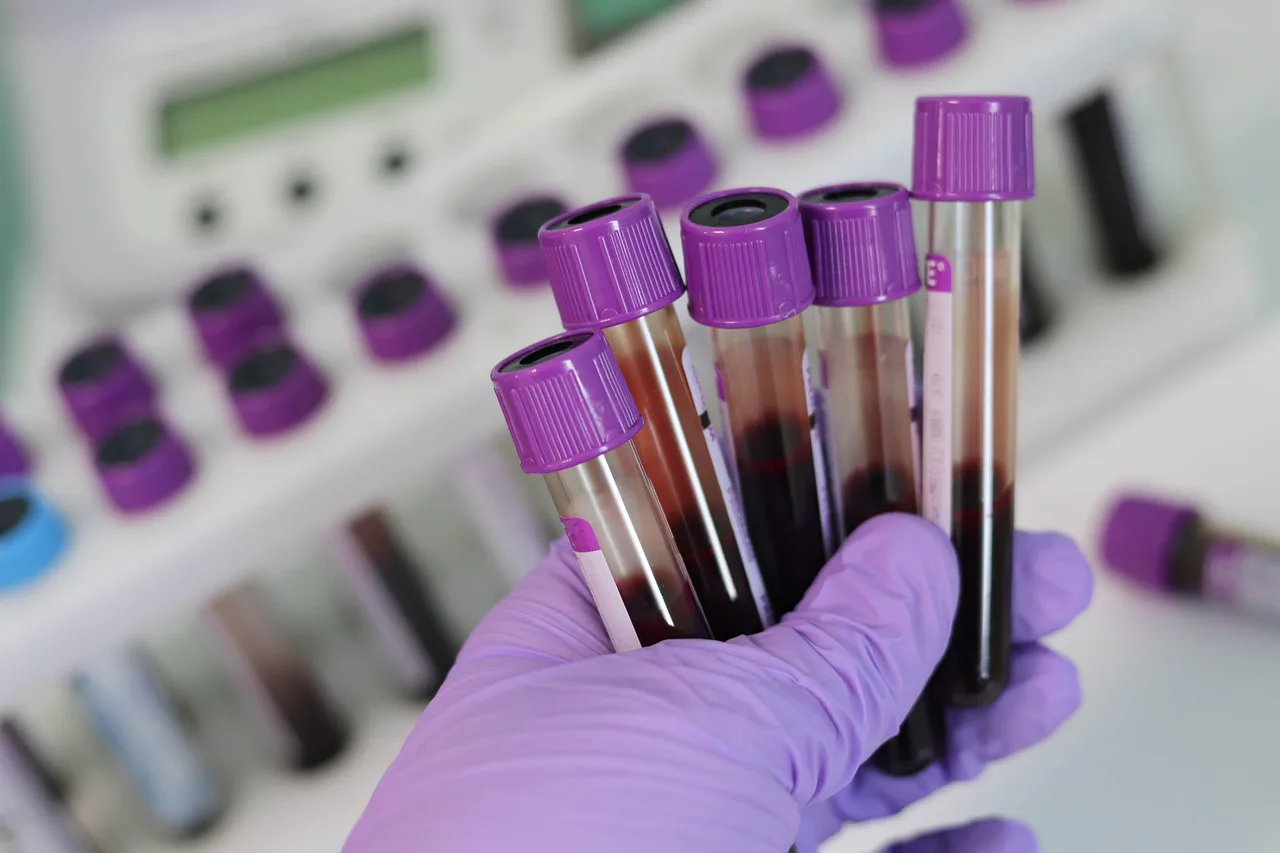
Which foods thin the blood naturally
Foods that help avoid blood clots include those that support vascular health, contain antioxidants, unsaturated fats, fiber, potassium, magnesium, and substances with a moderate effect on inflammatory processes.
This refers to:
- vegetables,
- fruits,
- berries,
- fatty sea fish,
- whole grain products,
- legumes,
- vegetable oils,
- nuts and seeds.
Doctors and nutritionists advise people who have problems with blood vessels and blood formation not to look for one "magic" product that will solve all health problems. Instead, it is better to focus on building a daily diet around simple rules:
- more plant-based food,
- less excess salt and sugar,
- avoiding trans fats,
- moderate consumption of processed meat.
Such a dietary model helps maintain normal weight, pressure, cholesterol levels, and the state of blood vessels.
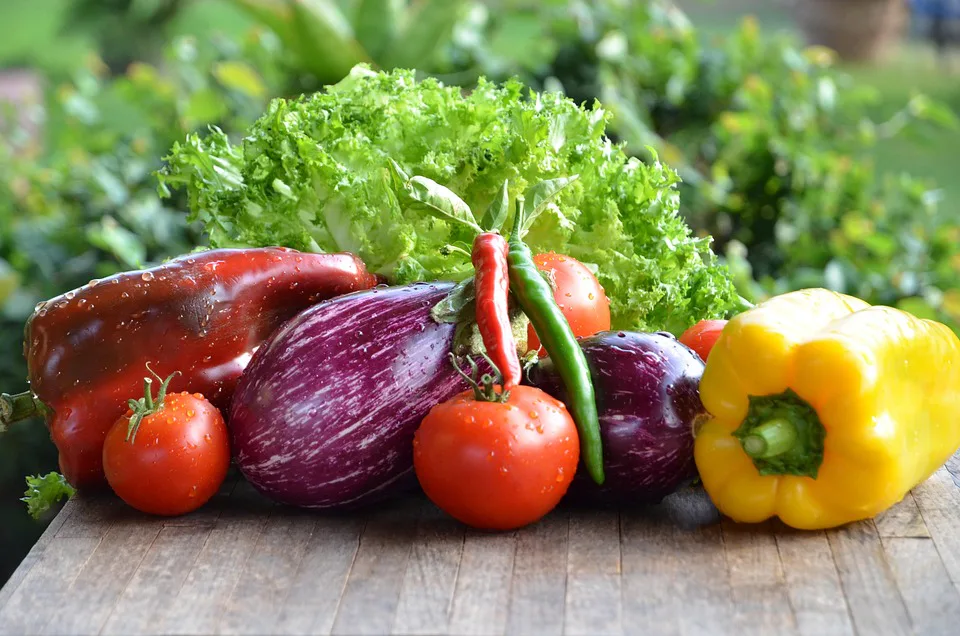
Which vegetables and fruits are beneficial for vascular health
Vegetables and fruits rich in fiber, vitamins, and polyphenols are beneficial for blood vessels. Tomatoes, bell peppers, carrots, beets, onions, cabbage, broccoli, greens, apples, citrus fruits, pomegranate, plums, and grapes should be added to the diet. They help reduce factors that impair the functioning of the cardiovascular system.
Special attention should be paid to berries: blueberries, currants, raspberries, strawberries, cranberries. They contain antioxidants that support the cells of the vascular wall. At the same time, cranberries and cranberry juice can interact with some blood-thinning medications, so people taking anticoagulants should not sharply increase their amount in the diet.
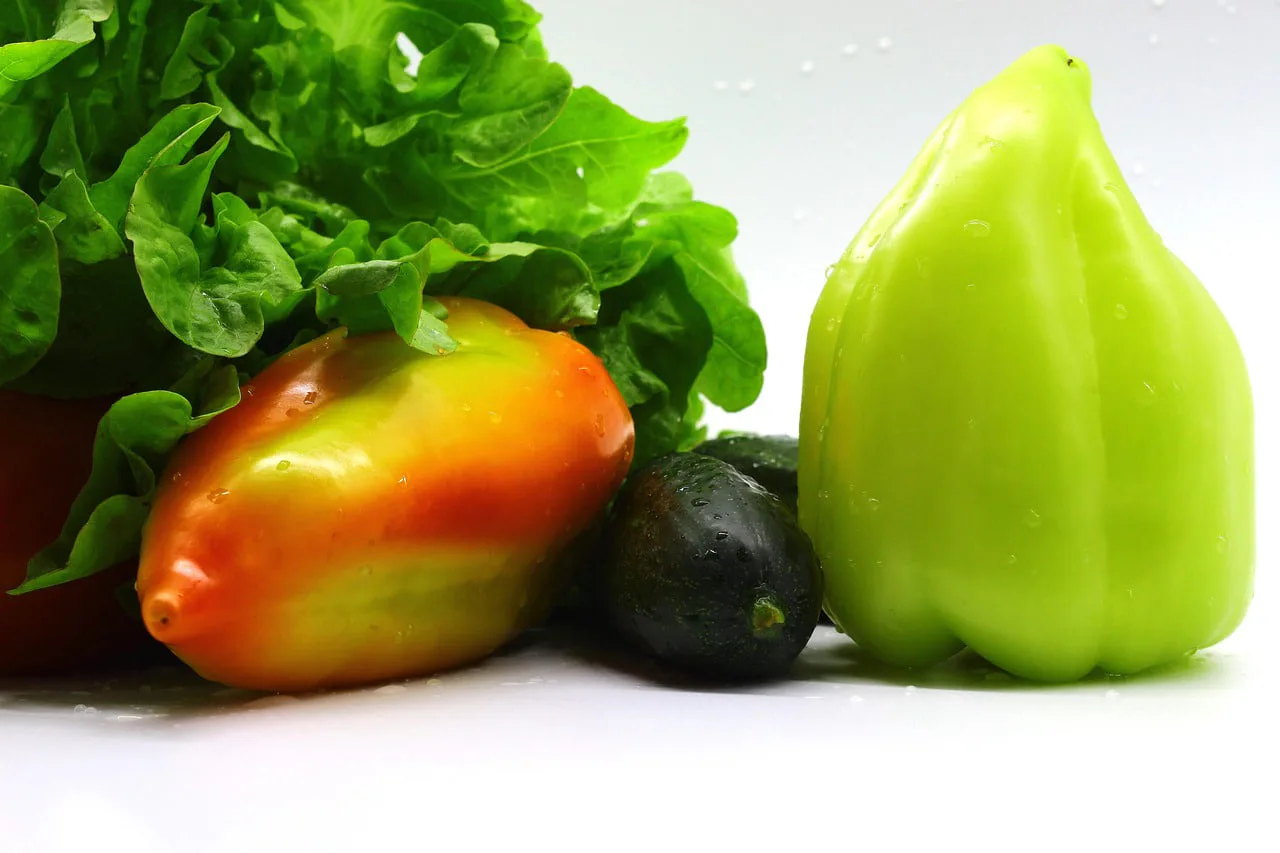
Green leafy vegetables — spinach, lettuce, parsley, broccoli — are beneficial for the body but contain a lot of vitamin K, which is involved in blood clotting.
However, people who take medications for the treatment and prevention of deep vein thrombosis and pulmonary embolism constantly or in courses should consult their attending physician before sharply changing their diet and introducing many greens into their daily intake. After all, a sharp change in eating habits can negatively affect the effectiveness of the drug.
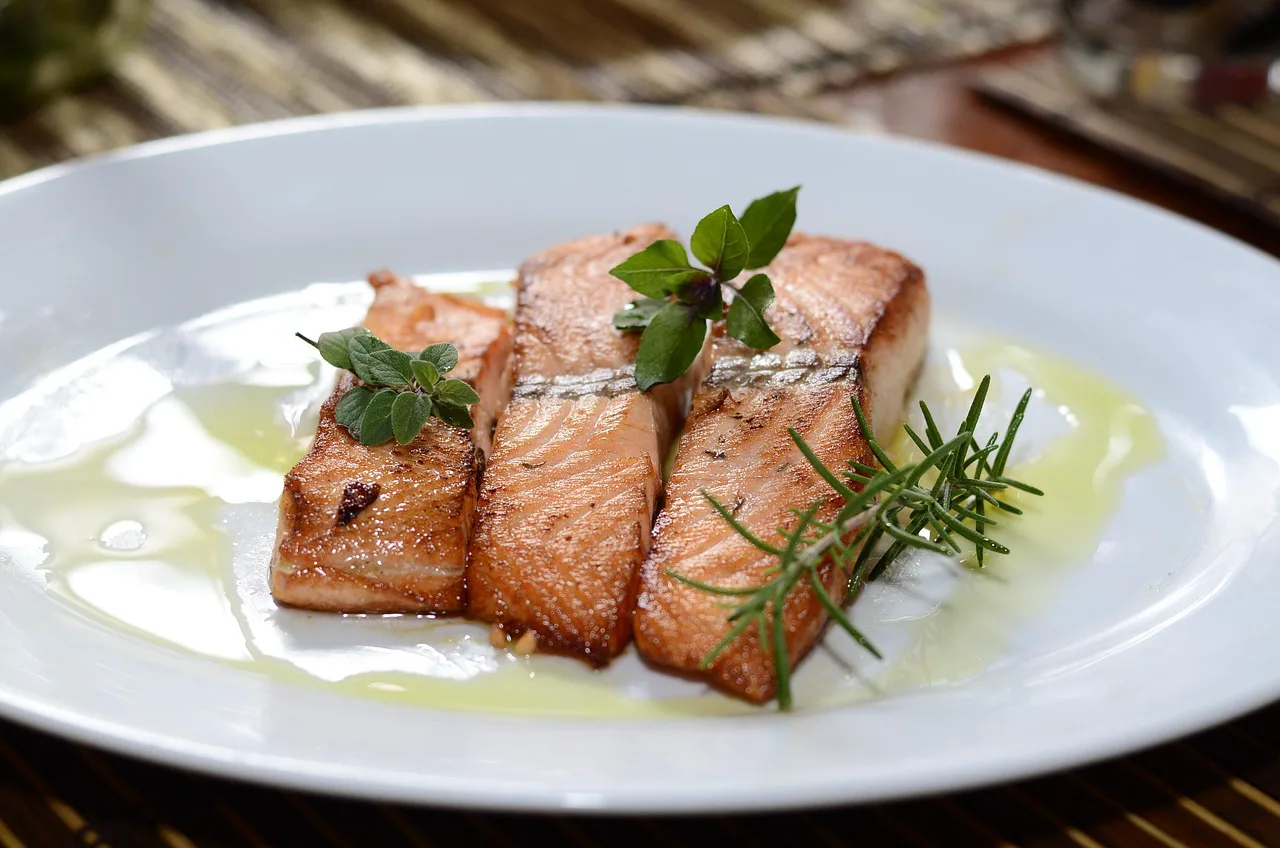
Fish, water, and omega-3 products: do they affect blood clot formation
Fatty sea fish is one of the important products for the cardiovascular system. These species include:
- mackerel;
- herring;
- sardines;
- salmon;
- trout;
- anchovies;
- tuna.
They contain omega-3 fatty acids, which are associated with benefits for the heart and blood vessels. In a healthy diet, it is recommended to eat fish about twice a week.
Omega-3 is also found in flax seeds, chia, walnuts, and rapeseed oil. However, plant sources contain a different type of omega-3, which the body converts less efficiently. Therefore, people who do not eat fish should discuss alternatives with a doctor or nutritionist, particularly algae-based products.
How water helps with blood clot formation
People who are prone to thrombosis or already suffer from this ailment also need to follow a hydration regimen. This helps maintain the normal state of the body as a whole and the blood vessels in particular. Fluid requirements depend on temperature, physical activity, diet, and the state of the kidneys and heart. In heat, during fever, diarrhea, or intense sweating, the risk of dehydration increases, so you need to drink regularly.

Which foods help prevent thrombosis
Foods that help control blood pressure, cholesterol levels, weight, and inflammation will be beneficial. These are vegetables, fruits, fish, legumes, whole grain cereals, low-fat dairy products, olive oil, seeds, and a moderate amount of nuts.
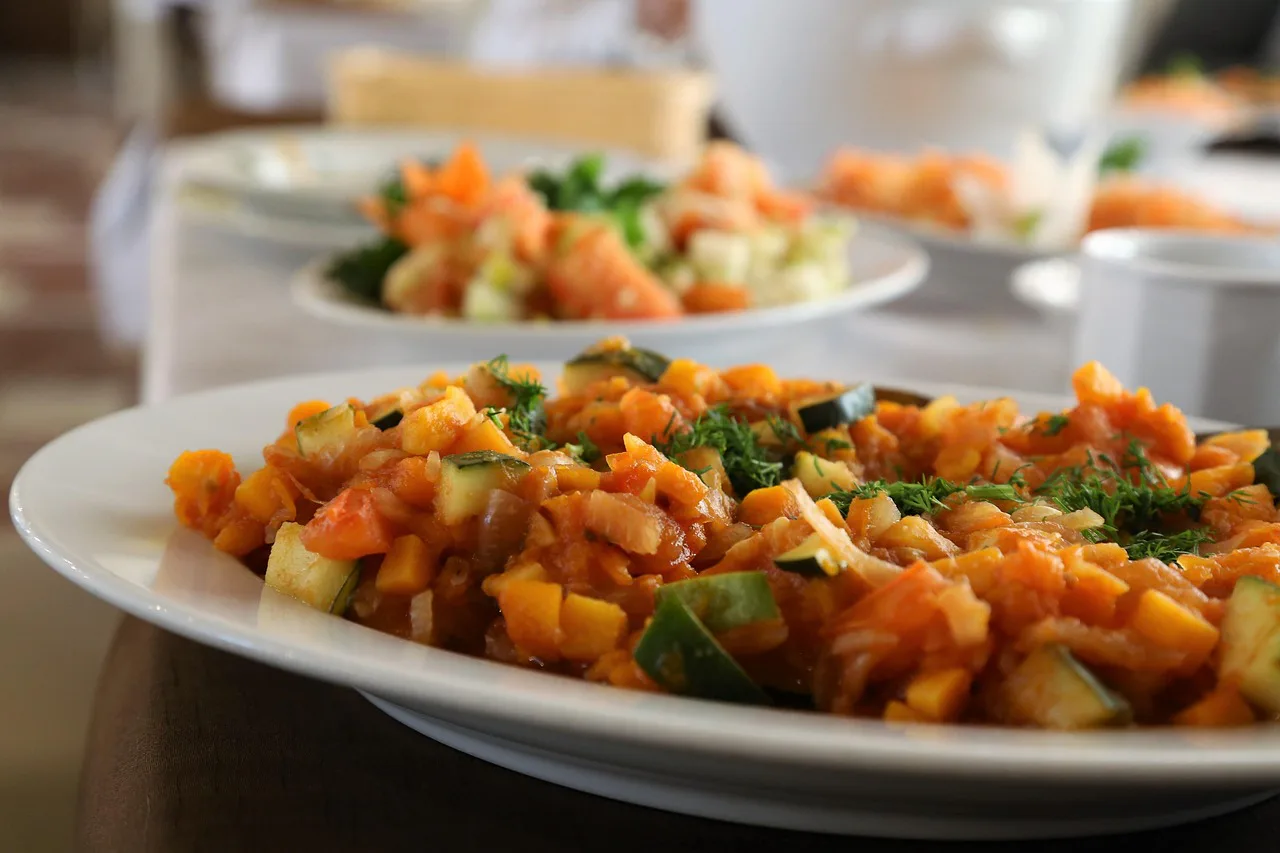
The diet should be built so that every main meal includes vegetables, a source of protein, and complex carbohydrates. This could be porridge with vegetables and fish, a salad with beans, lentil soup, stewed vegetables with chicken, or whole grain bread with low-fat cheese.
Garlic, ginger, and berries for blood thinning
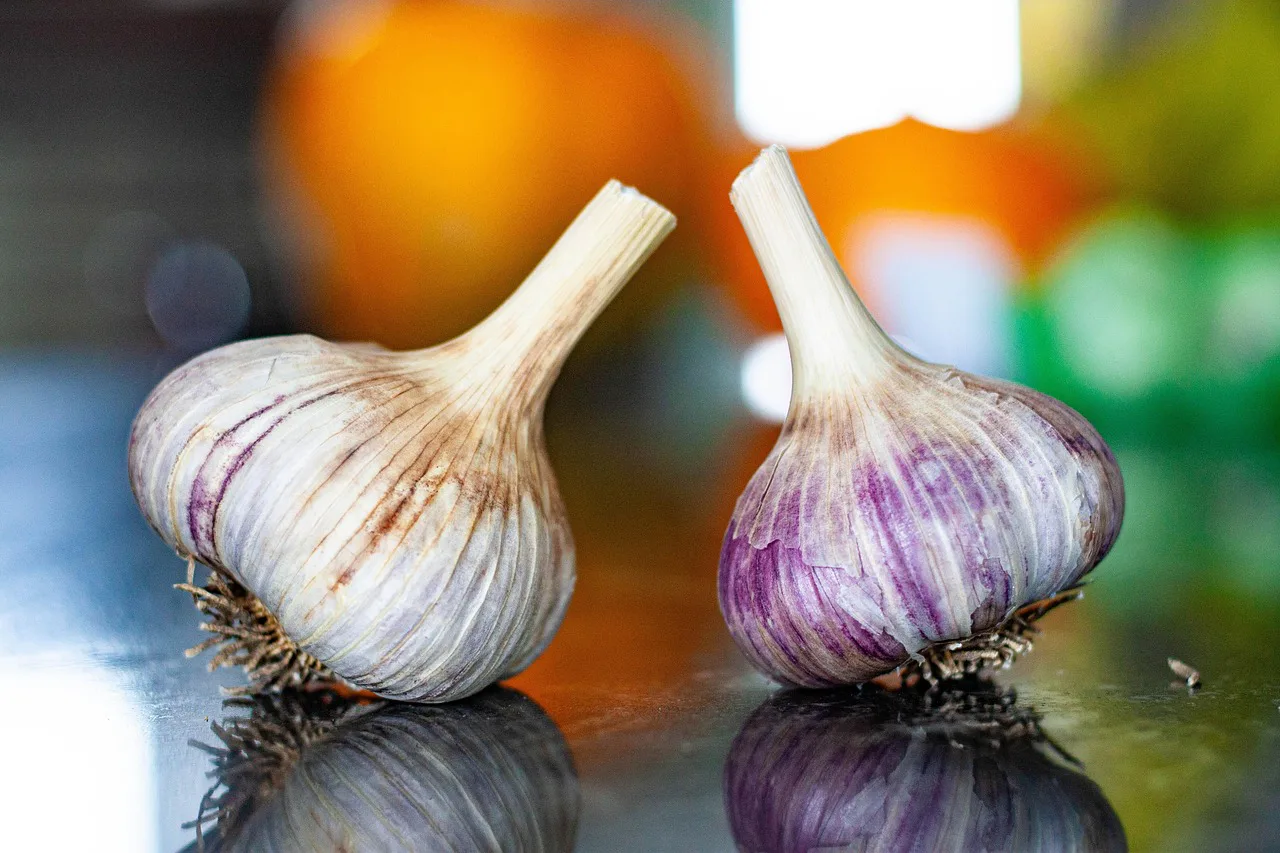
Nutritionists often mention garlic, ginger, and berries among products that can affect blood clotting. In moderate amounts, they can be part of a healthy diet. Garlic is added to dishes, ginger to tea or sauces, and berries to porridges, yogurt, or desserts without excess sugar.
However, the principle of moderation should be observed when consuming these products. Concentrated capsules of garlic, ginger, ginkgo, high doses of omega-3, or vitamin E can increase the risk of bleeding, especially if a person is already taking anticoagulants, antiplatelet agents, or aspirin.
Which foods should be limited in the diet for people with thrombosis
To prevent cardiovascular problems, it is worth limiting foods that contribute to weight gain, increased pressure, worsening of the lipid profile, and inflammation. This refers to sausages, hot dogs, bacon, smoked meats, fast food, industrial pastries, products with trans fats, excess sweets, sugary drinks, large amounts of salt, and alcohol.
Fatty red meat is better consumed in moderation, replacing it with fish, poultry, legumes, or low-fat dairy products. Alcohol should not be used as a remedy "for blood vessels": it can interact with medications, increase the risk of bleeding, and worsen the control of chronic diseases.

Who should change their diet cautiously
People who are already taking blood-thinning medications — warfarin, direct oral anticoagulants, antiplatelet agents, or aspirin as prescribed by a doctor — should be especially careful. They should not sharply change the amount of greens, cranberries, grapefruit, alcohol, dietary supplements, and herbal remedies without consulting a medical professional.
Doctor's advice is also needed for people who have already had or currently have thrombosis, atrial fibrillation, artificial heart valves, oncological diseases, severe liver or kidney diseases, pregnant women, people after surgeries, injuries, or prolonged immobilization. In these cases, nutrition can support health but does not replace medical prevention.
Medical help should be sought immediately if swelling, pain, redness, or a feeling of warmth appears in one leg, sudden shortness of breath, chest pain, coughing up blood, sudden weakness, or loss of consciousness occurs. These are dangerous conditions that cannot be treated at home.
ATTENTION! This material is for informational purposes only. If you are concerned about health problems, consult a doctor.