










Ukrainian polar explorers shared photos of fur seals, one of which is rare
Kyiv • UNN
Polar explorers showed a rare cream-colored fur seal. This coloration occurs in less than 1% of the population of these animals.

The National Antarctic Scientific Center has showcased fur seals with an unusual cream-colored coat and explained the cause behind it, reports UNN.
The other day we showed an Antarctic fur seal. Imagine: these animals come not only in the traditional gray-brown color but also in cream. It is these seals—both common and light-colored—that can be seen in the photo
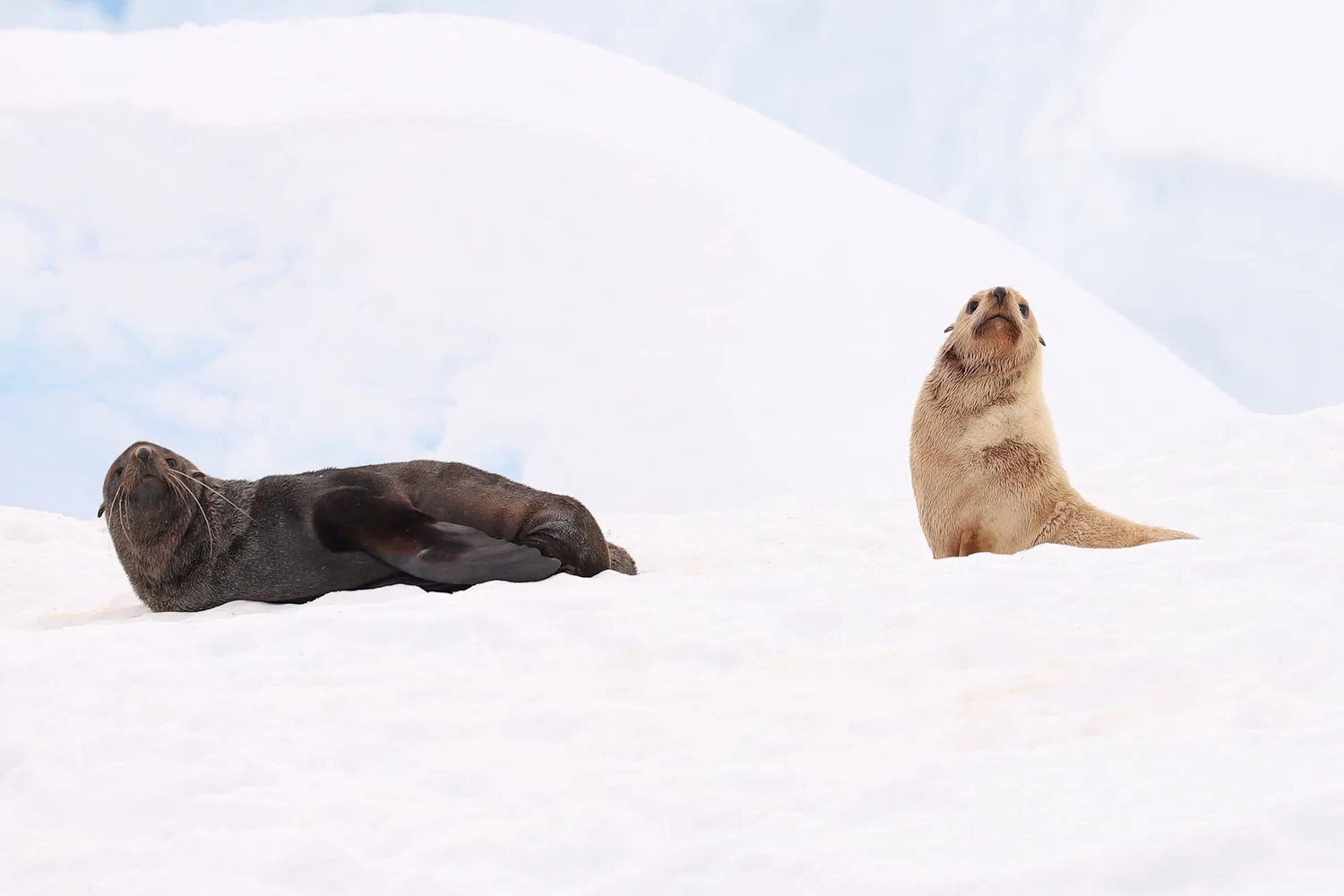
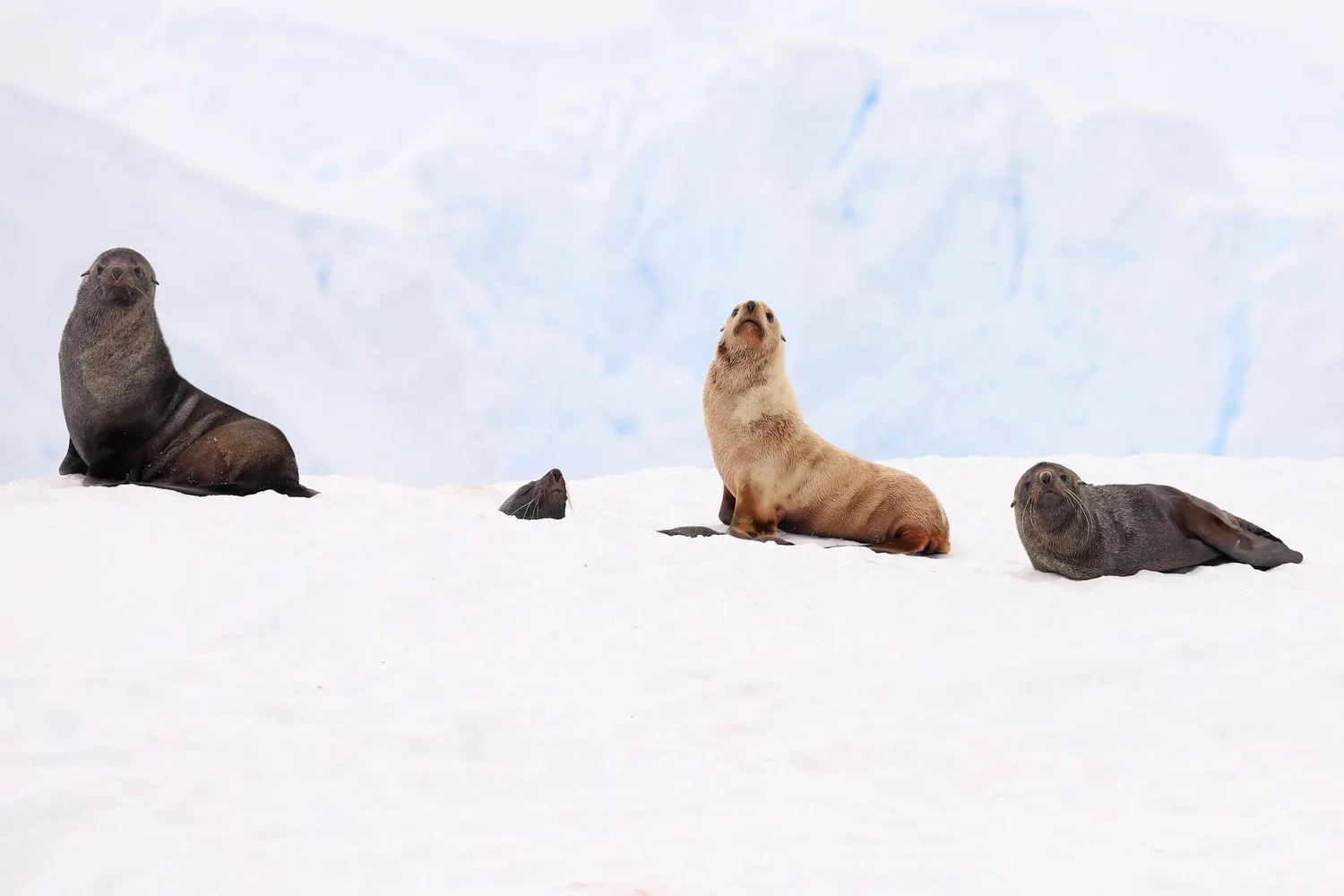
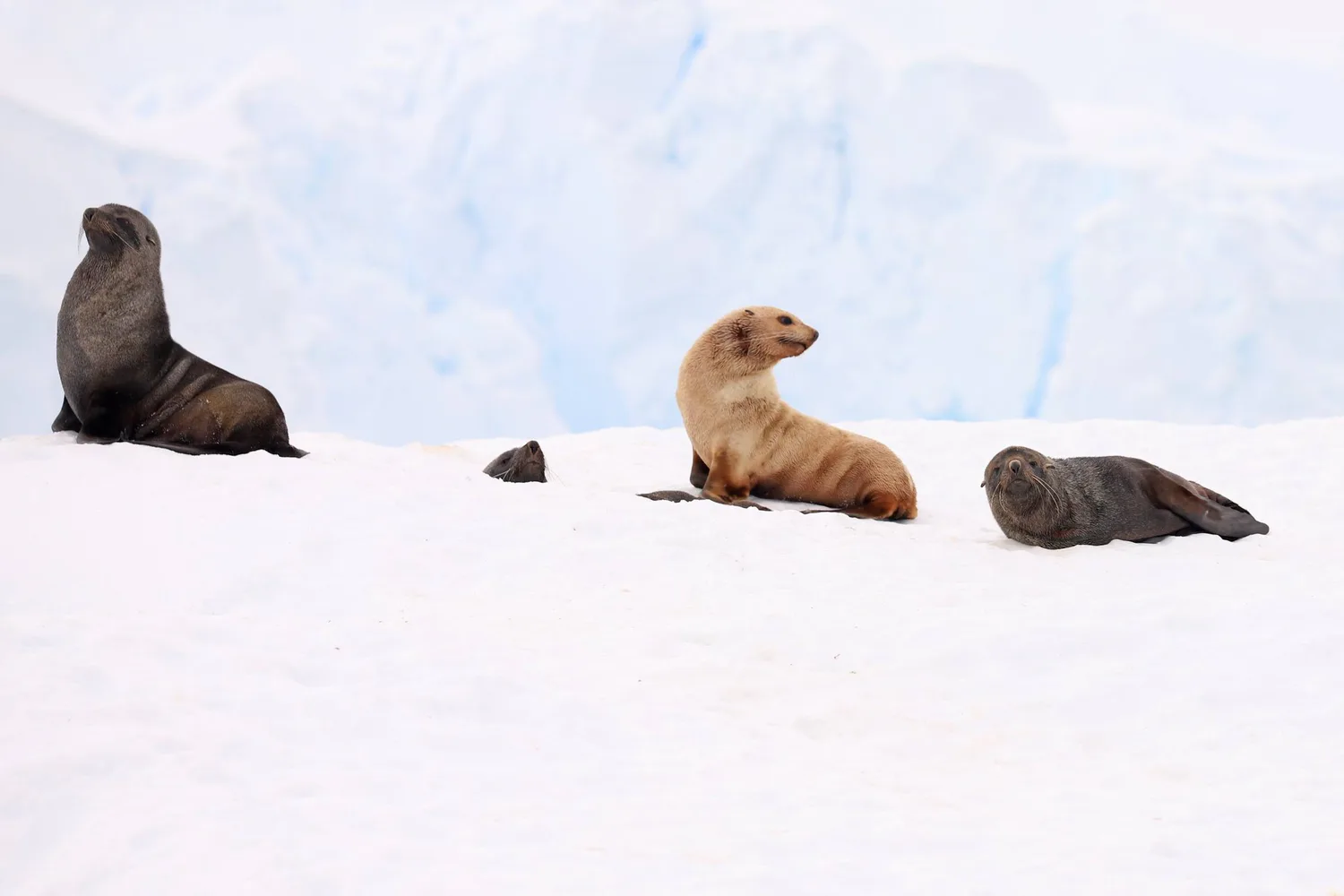
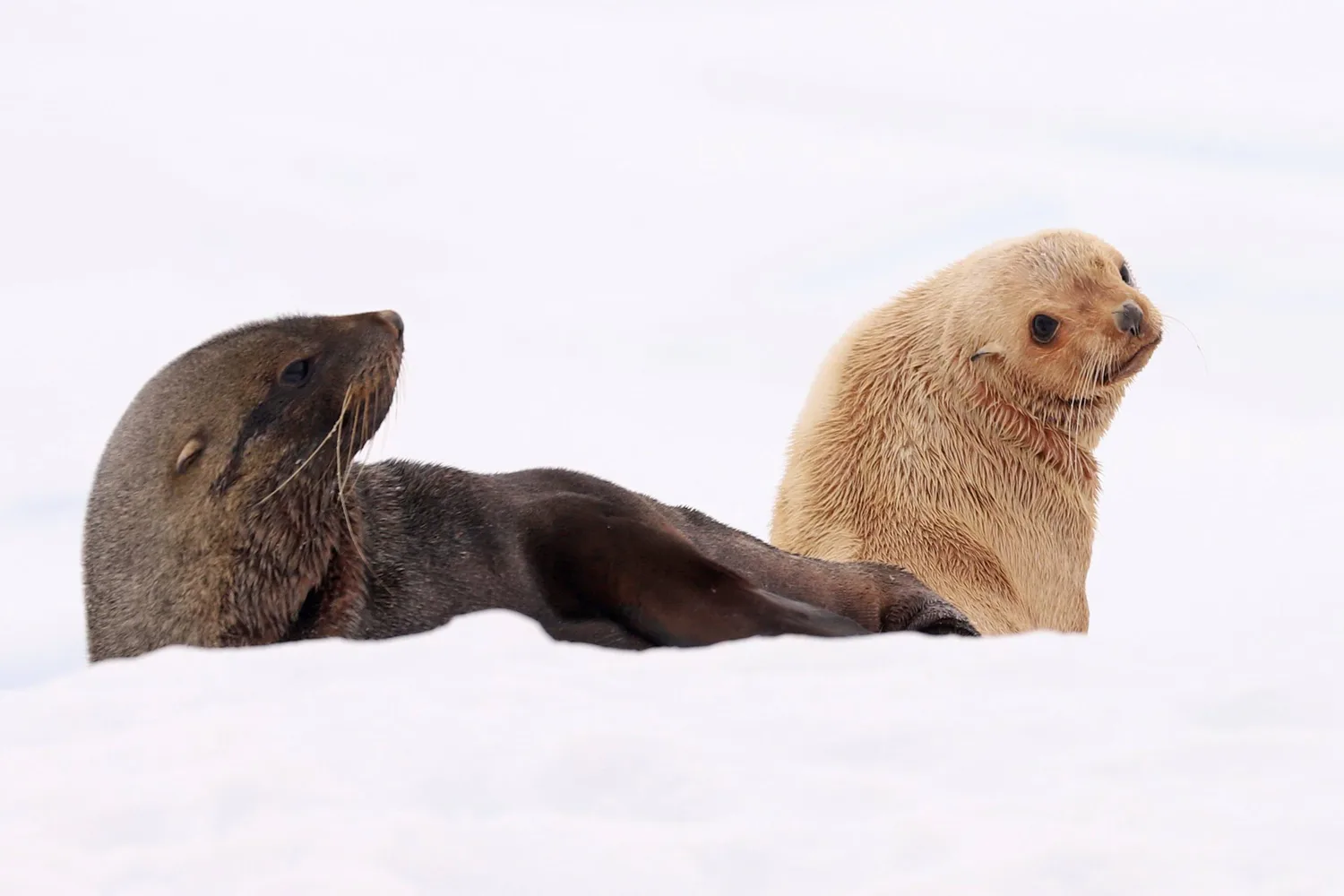
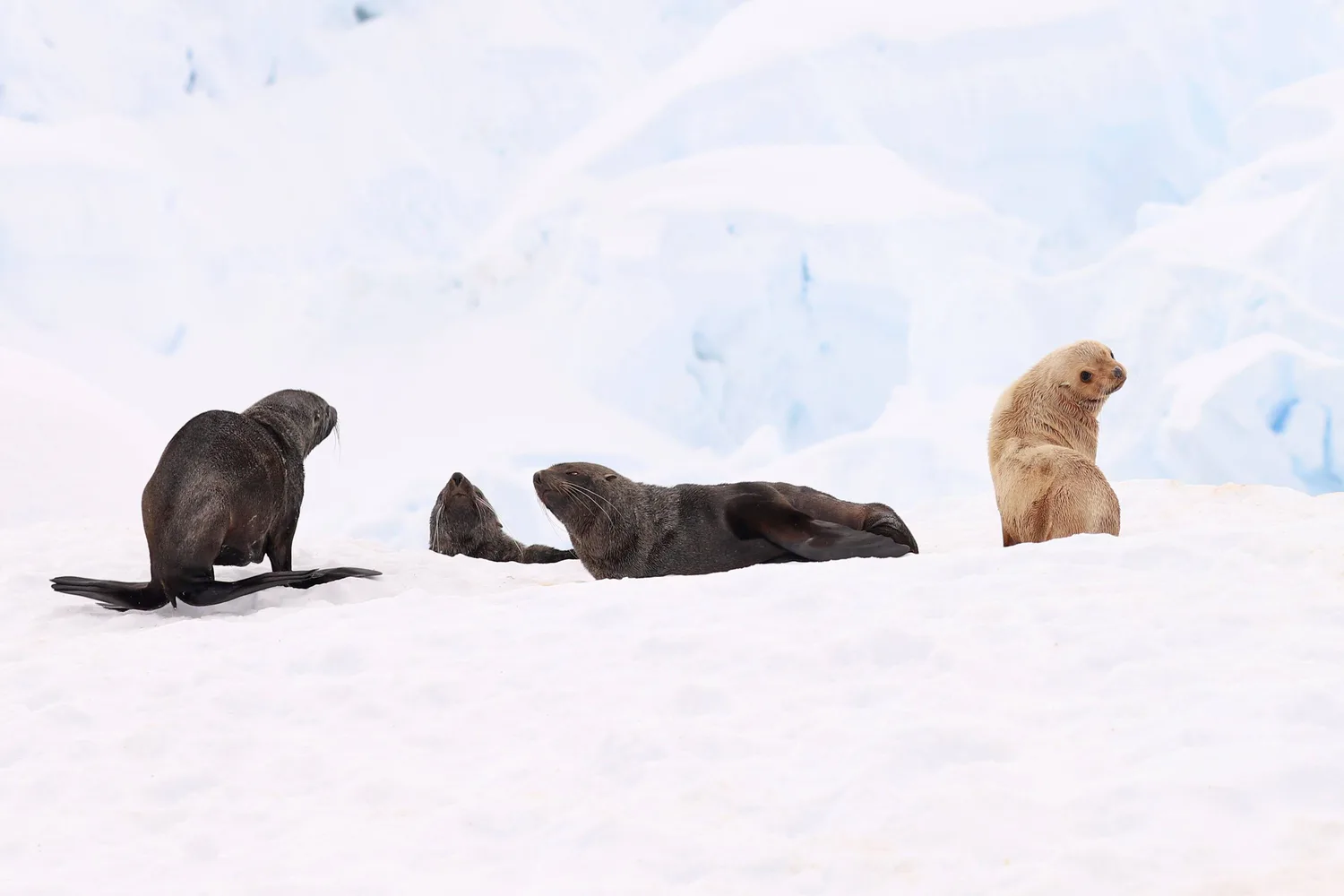
Scientists note that the cause of the atypical coloring is leucism—a form of hypopigmentation (i.e., loss of color) of the integument.
This condition often manifests as an almost complete or only partial absence of skin and fur pigmentation. At the same time, the animals retain normal coloration of the eyes and extremities.
Mutations in several genes can cause such an anomaly.
Leucism should not be confused with another form of hypopigmentation—albinism. In that state, the animal has not only light integument but also pink eyes, due to the absence of pigment in the cornea and the visibility of blood vessels. Various forms of hypopigmentation are found in Antarctic fur seals, but overall they occur very rarely (in less than 1% of the population)
The polar explorers also explained how the unusual coloring affects the lives of these pinnipeds in the Antarctic:
- cream-colored seals may be more visible to their prey (fish, krill, squid) and predators (leopard seals, killer whales). This can affect their hunting efficiency and survival rates;
- reduced pigmentation negatively affects heat absorption by the skin; however, a thick layer of blubber provides the seals with insulation from the cold;
- animals with leucism can survive to adulthood and participate in breeding.
Researching cases of hypopigmentation in Antarctic fur seals can provide a more complete understanding of the genetic diversity within their population and help better understand the adaptations of these marine mammals to environmental conditions