










How to care for apricots: watering, fertilizing, pruning and protection
Kyiv • UNN
Apricot requires sun, protection from wind and moderate watering. For planting, choose loose fertile soil and do not deepen the root neck.

Apricots are grown for their juicy fruits, which are eaten fresh, dried, frozen, and used for canning. It is a heat-loving stone fruit crop, but a properly selected variety and proper care make it possible to harvest in different regions of Ukraine. The tree needs sun, protection from cold wind, moderate watering, and timely pruning. Conversely, stagnant water, excess fertilizer, and a dense crown weaken the apricot and increase the risk of disease.
How to properly plant an apricot and care for it is explained by UNN.
When and where to plant apricots
In regions with cold winters, it is better to plant apricots in the spring, before the buds actively open. Over the summer, the seedling will have time to take root and prepare for frost. Autumn planting is more suitable for southern regions. It is carried out after leaf fall, but before steady cold weather sets in.
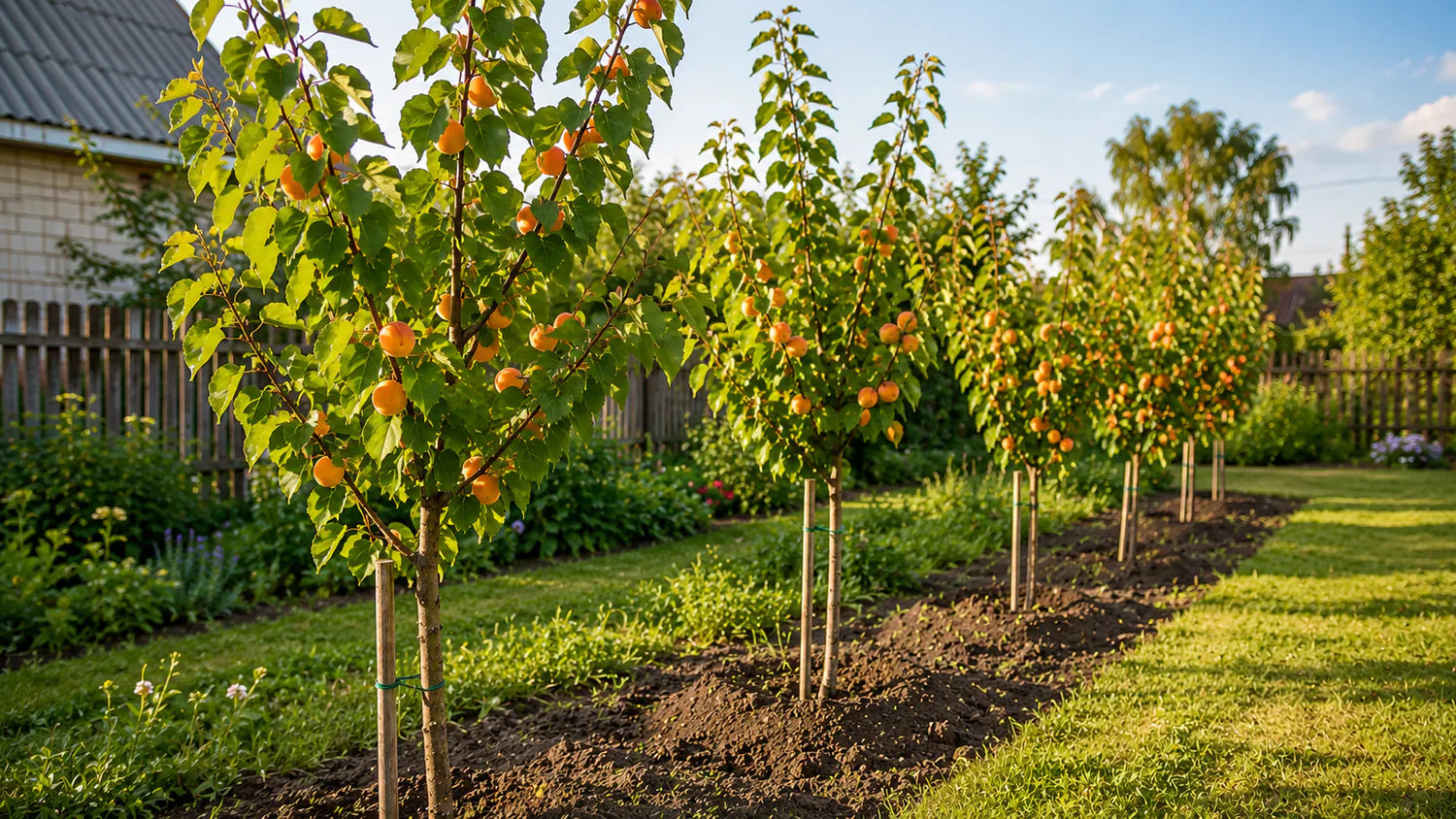
A sunny location is chosen for the tree, preferably on a small elevation or slope. Cold air accumulates in lowlands, so blossoms more often suffer from spring frosts. The site should be protected from strong winds but not shaded by buildings or other trees. About 4–5 meters are left between vigorous apricot trees.
The root collar of the seedling is not buried. After planting, the tree is watered abundantly, tied to a support, and the tree trunk circle is mulched. The mulch should not touch the trunk, otherwise the bark may rot.

What soil is suitable for apricots
Apricots grow best in loose, fertile, and well-drained soil. Light loams and sandy loams with a neutral or near-neutral reaction are optimal. Heavy clay areas, where water stands for a long time after rain, are dangerous for the roots and root collar.
Before planting, the soil is cleared of perennial weeds, loosened, and rotted compost is added. Fresh manure is not placed in the planting hole, as it can damage young roots. In waterlogged areas, it is better to plant the tree on a mound and take care of drainage in advance.
How to water apricots
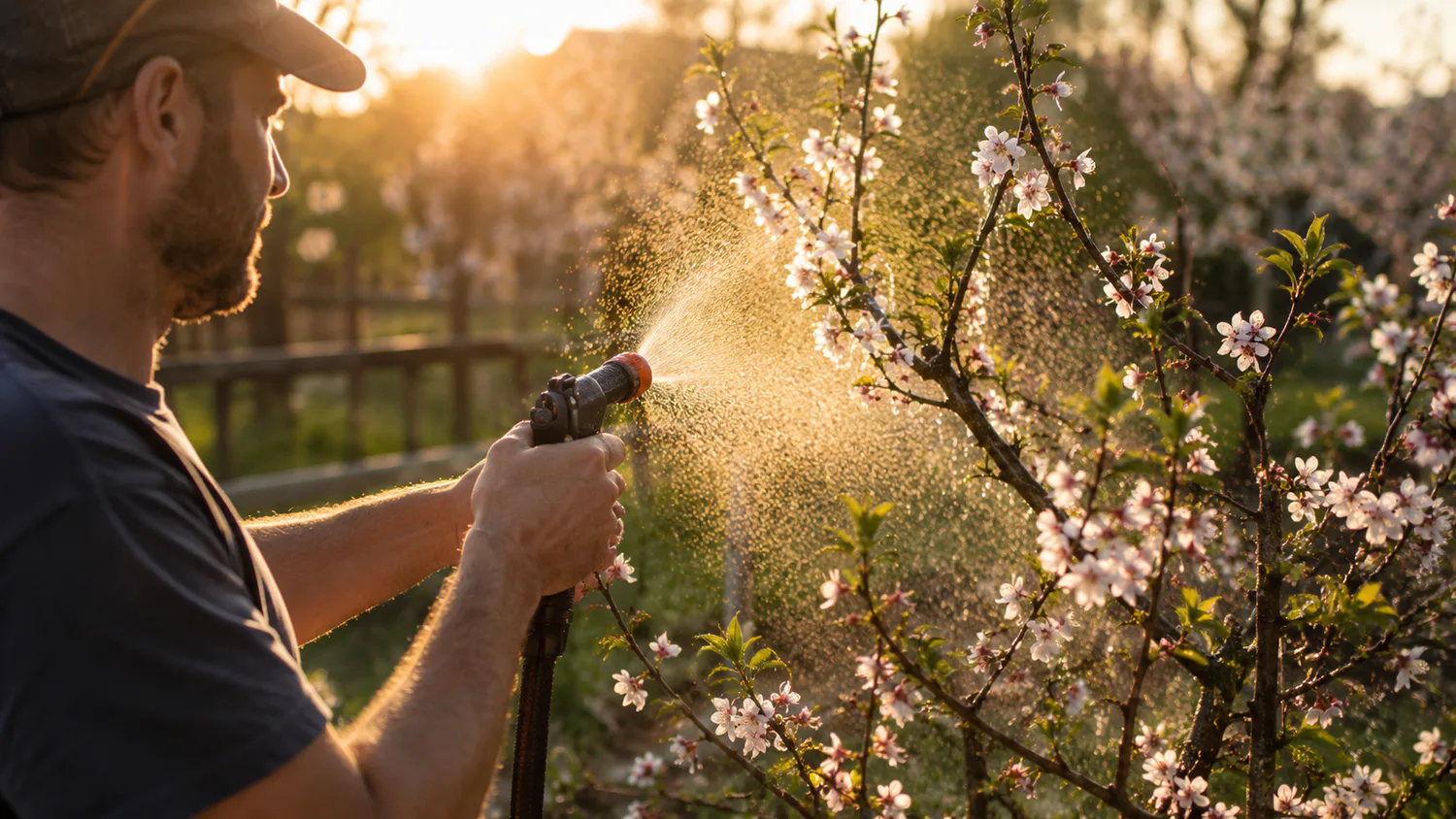
Young trees are watered regularly in the first two years, especially during drought. It is better to water less frequently but in a way that soaks the soil in the root zone. Frequent surface watering promotes root growth near the surface, where it dries out quickly.
Mature apricots tolerate short-term lack of moisture better but need watering during shoot growth, fruit set, and fruit filling. After harvesting, watering is reduced. Excess water at the end of summer can cause the growth of young shoots that will not have time to mature before frost and will die.
When watering apricots, experienced gardeners advise focusing on the condition of the soil. If the soil is still moist at a depth of 10–15 centimeters, watering is postponed. If the autumn is sunny and dry, a moisture-charging watering is carried out, after which the soil is mulched.
What to fertilize apricots with
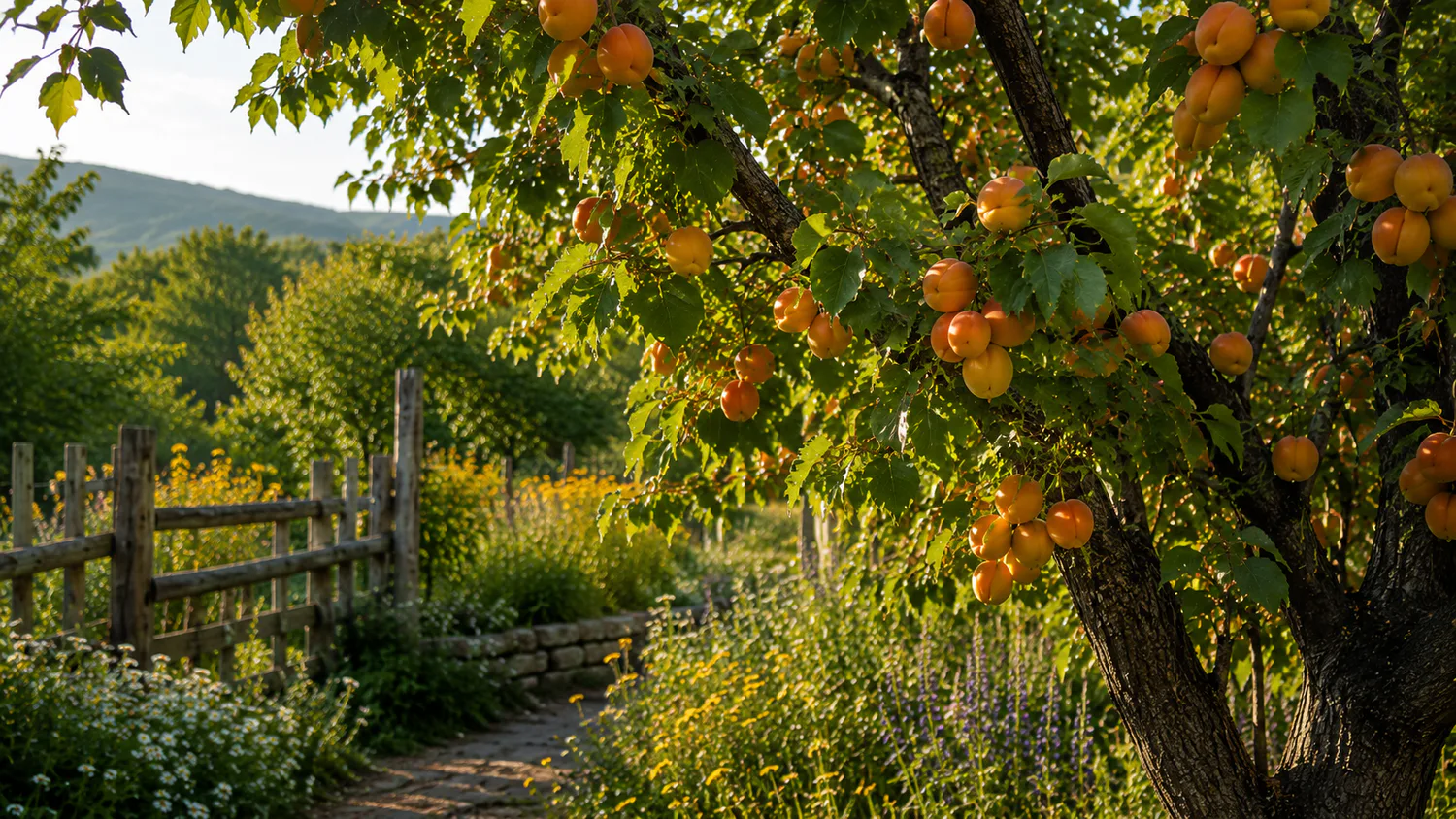
In the first years after planting, the tree often has enough nutrients already present in the soil. Subsequently, fertilization is selected taking into account the age of the apricot, growth vigor, and yield. Excess fertilizer, especially nitrogen, stimulates the growth of green shoots but can worsen fruiting and winter hardiness.
In spring, the apricot needs nitrogen for the growth of leaves and shoots. After flowering, a complex fertilizer for fruit crops can be applied. In the second half of summer, nitrogen fertilization is stopped. If necessary, potassium and phosphorus fertilizers are applied, which promote the maturation of the wood.
Once every few years, rotted compost or humus is added to the tree trunk circle. Fertilizers are distributed closer to the crown projection, where a significant part of the active roots are located.
Pruning and shaping the crown of apricots
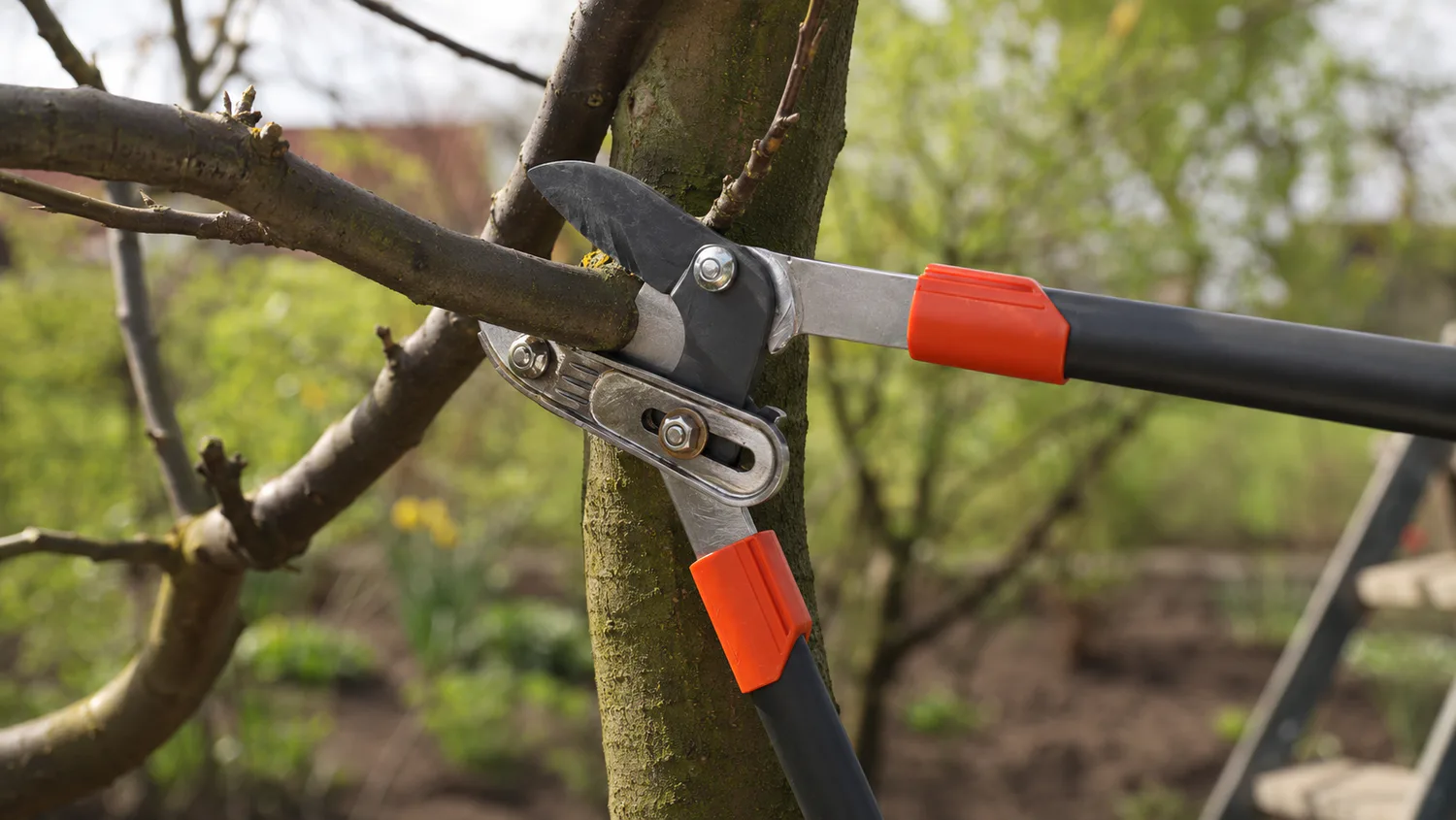
Pruning is necessary to form a strong crown. In a young tree, several skeletal branches are left, evenly spaced around the trunk. Shoots that grow inside the crown, cross, rub, or form too sharp an angle are removed.
In an adult tree, dry, broken, and diseased branches, root suckers, and strong vertical shoots are cut out. The crown is thinned gradually. If too much wood is removed in one season, the apricot will produce a large number of new shoots and take longer to recover.
The main pruning is carried out in dry weather. Young trees are usually shaped in the spring after the start of the growing season, while adult trees can be pruned in the summer after harvest. Pruning in cold and wet weather increases the risk of infection through fresh wounds. In addition, the tools used to prune excess branches must be sharp and clean.
Diseases and pests of apricots
The most common diseases of apricot are moniliosis, clasterosporiosis, fruit rot, bacterial canker, and bark damage. The problem may be indicated by sudden wilting of flowers and shoots, spots or holes on leaves, gummosis, cracks in the bark, and rotting of fruit.
The basis for protecting a tree from most diseases and pests is well-organized prevention. To do this, the crown is kept well-ventilated, fallen leaves and mummified fruits are removed, and diseased shoots are cut back to healthy wood. The tree is inspected regularly, especially after flowering, hail, and prolonged rains.
Among the pests that threaten apricot are aphids, codling moths, leafrollers, scale insects, and mites. Gardeners advise choosing preparations for treating the tree only after identifying the specific pest or disease. They should be used according to the instructions, observing the waiting periods before harvesting. Preventive spraying with a random mixture of products can damage the tree and beneficial insects.
How to prepare apricots for winter
At the end of summer, nitrogen fertilization is stopped, and new growth is not stimulated by excessive watering. After leaf fall, leaves, dry branches, and damaged fruits are removed from under the tree. In a dry autumn, moisture-charging irrigation is carried out, and the tree trunk circle is mulched with compost, bark, or other organic matter.
Young trees are especially vulnerable to frost, sunburn, and rodents. Their trunks can be protected with a light garden coating or breathable material, and the lower part of the trunk with a special mesh. It is not advisable to wrap the tree tightly with polyethylene, as moisture accumulates under it and the bark rots.
In winter, heavy wet snow is carefully shaken from the branches, and care is taken to ensure that a dense ice crust does not form near the trunk. Systematic care throughout the year helps the apricot better survive frosts, maintain a healthy crown, and form a harvest for the next season.
Reminder
Earlier we wrote about what every owner of a garden plot needs to know.